Nanoparticle formation utilizing simple polyacrylic acid-cation coacervates as template
Bastian Rödig, Patrick Denk, Ulrich Schürmann, Matthias Kellermeier, Werner Kunz

TL;DR
Researchers developed a simple method to create nanoparticles using coacervates formed from polyacrylic acid and transition metal cations.
Contribution
A novel coacervate-mediated process is introduced for synthesizing transition metal carbonate/sulfide/oxide nanoparticles using only PAA, TM chloride, and carbonate/sulfide.
Findings
Coacervates of PAA and transition metals (Co, Mn, Ni, Cu) can be mineralized into small nanoparticles.
The method allows for calcination of carbonate particles into corresponding oxides.
Primary particles are small (5 nm) and amorphous, suggesting potential as catalysts.
Abstract
The liquid–liquid phase separation (coacervation) of simple solutions containing only polyacrylic acid (PAA) and multivalent transition metal (TM) cations can be used as a template for nanoparticle formation. It is shown that transition metal carbonate/sulfide/oxide nanoparticles can be prepared by a simple coacervate-mediated process using only PAA, the transition metal chloride, and either sodium carbonate or sulfide. The rather simple approach first demonstrated for calcium carbonate could be extended to the chosen transition metals Co, Mn, Ni, and Cu. Using DLS and UV/vis, the formation and properties of PAA/TM coacervates were studied showing that in a broad pH range, coacervation is possible when a critical cation concentration is reached. Using these findings, mineralization of the coacervates results in defined small nanoparticles that can be easily separated from other bigger…
Genes, proteins, chemicals, diseases, species, mutations and cell lines named across the full text — each resolved to its canonical identifier and authoritative record.
Click any figure to enlarge with its caption.
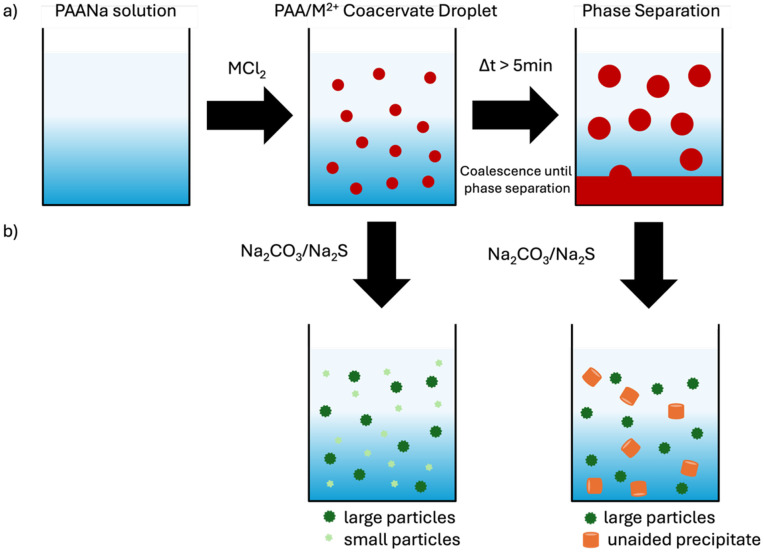 Figure 1
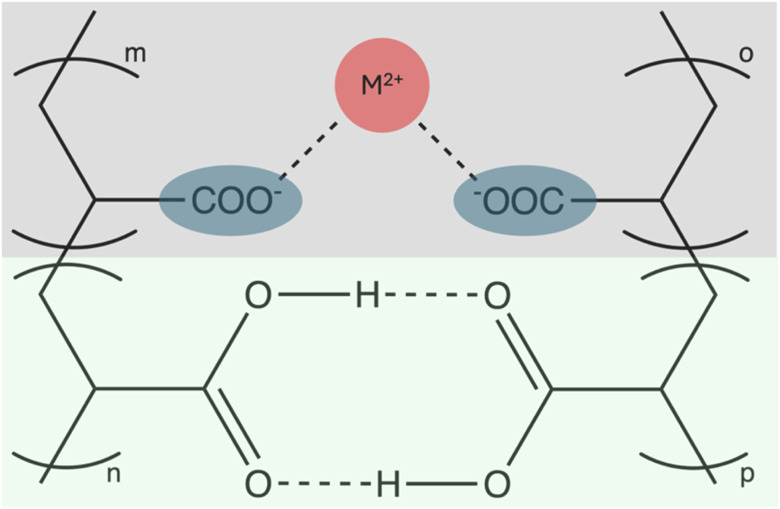 Figure 2
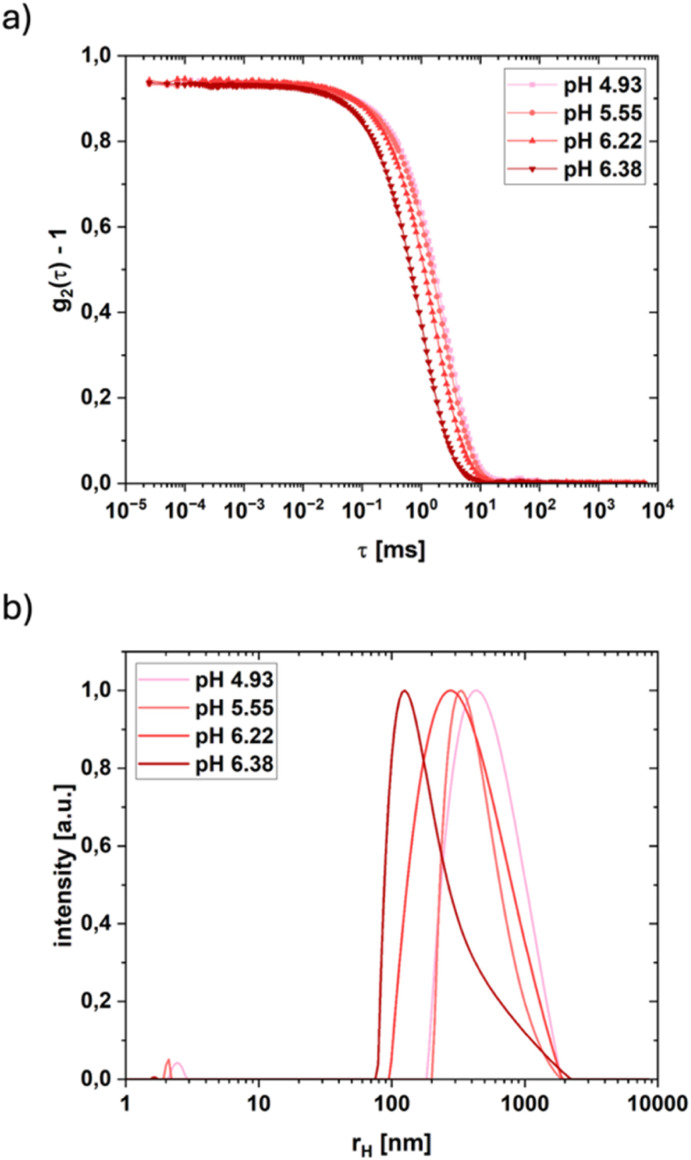 Figure 3
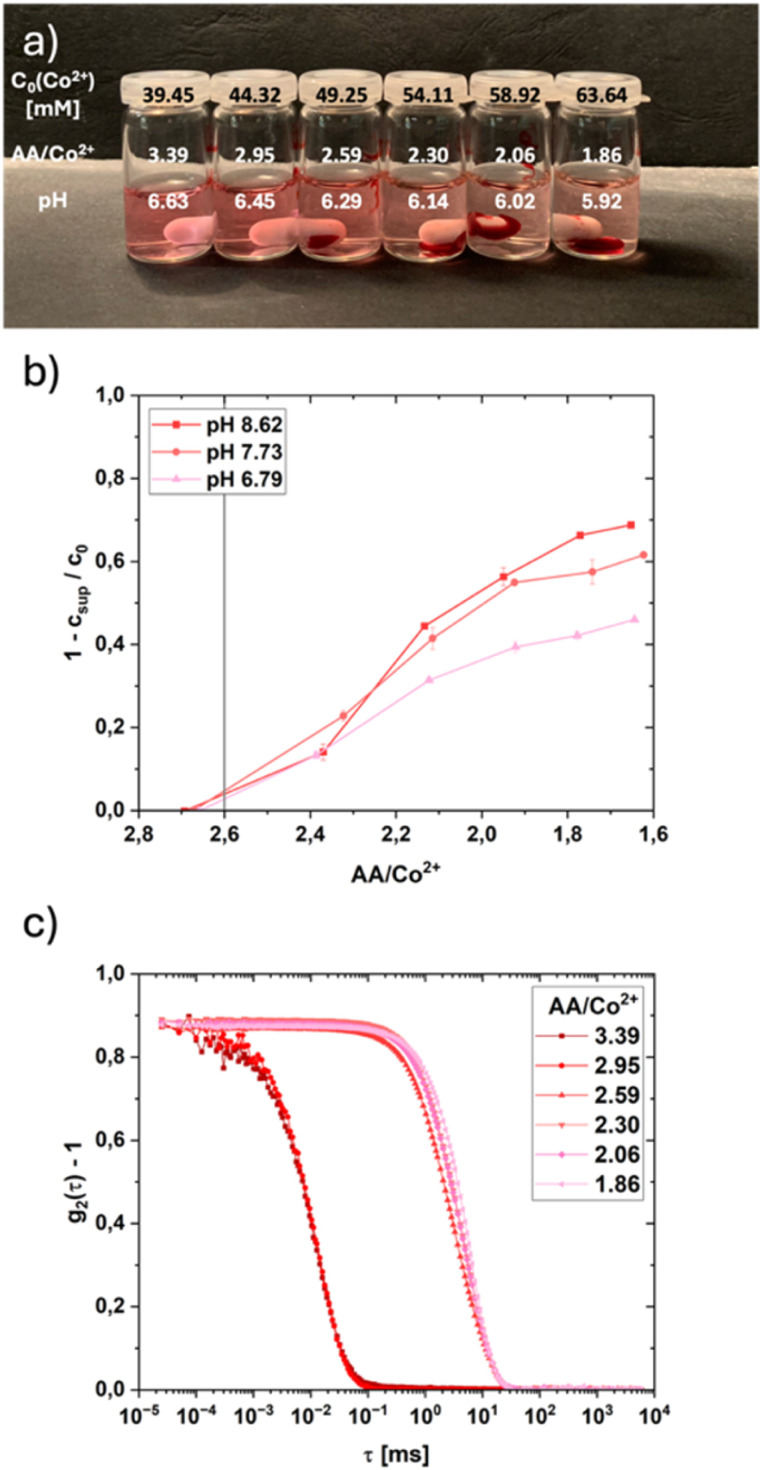 Figure 4
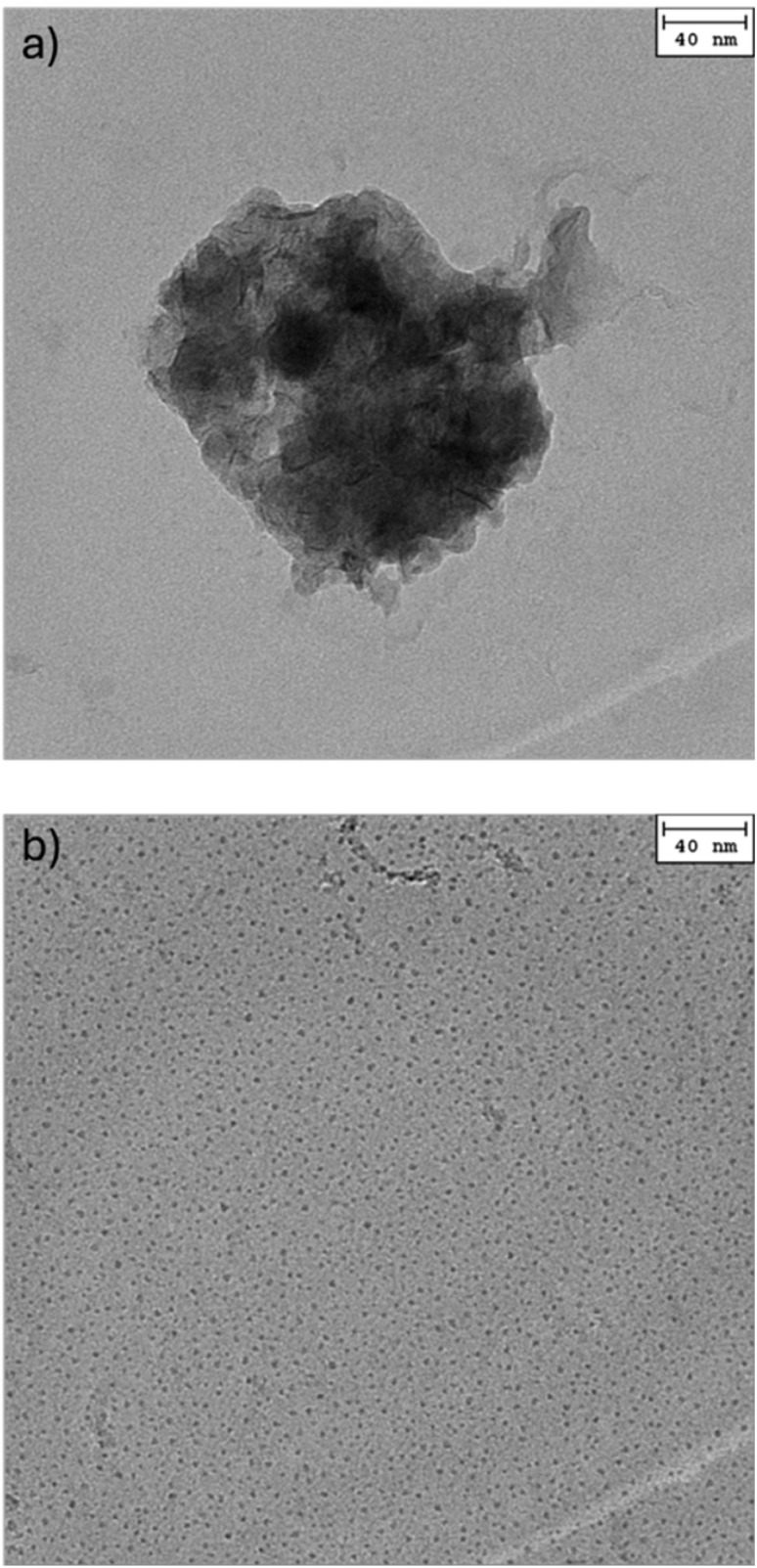 Figure 5
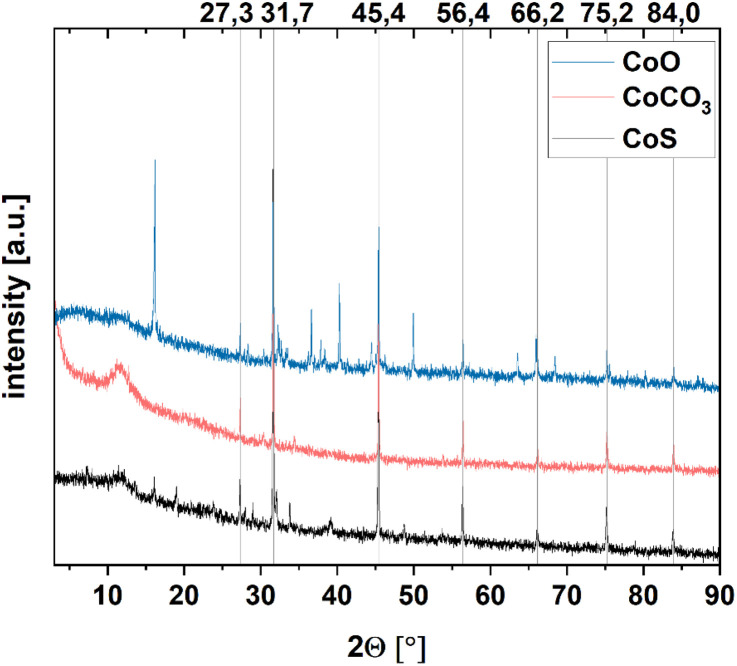 Figure 6
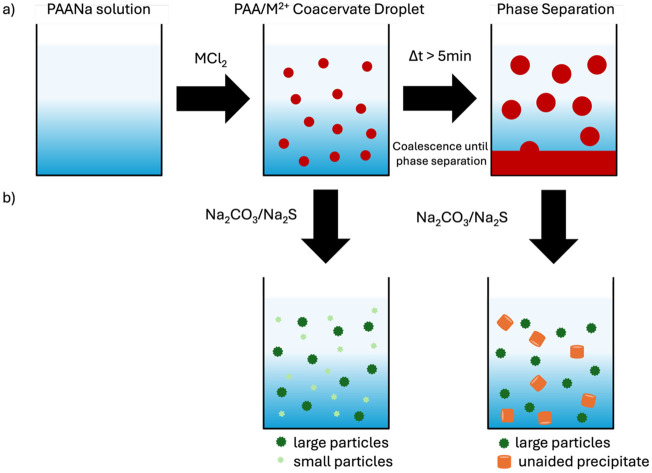 Figure 7
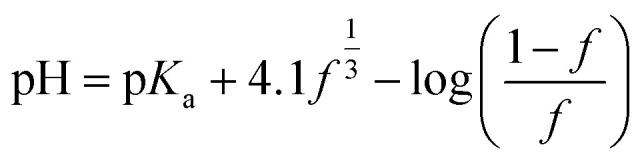 Figure 8
Peer Reviews
No public reviews on file for this paper yet. If you reviewed it on a platform where reviews are public (OpenReview, ICLR, NeurIPS, ICML), you can paste yours below so the community can read it here.
Videos
No videos yet. Explain this paper in a talk, walkthrough, or lecture? Add one.
Taxonomy
TopicsLayered Double Hydroxides Synthesis and Applications · Polymer Surface Interaction Studies · Carbon dioxide utilization in catalysis