Toxoplasma gondii drives myeloid immune cell recruitment to amyloid plaques in Alzheimer’s model mice
Katherine J. Olivia Yanes, Christina T. Bui, Julia Tomasello, Heba Morsy, Emilie Kim, Toan Lam, Kate Tsourmas, L. Angel Ayala, Kim N. Green, Matthew A. Inlay, Melissa B. Lodoen

TL;DR
Infection with Toxoplasma gondii increases immune cell recruitment to amyloid plaques in Alzheimer’s model mice, potentially reducing plaque buildup.
Contribution
This study reveals that T. gondii infection promotes myeloid cell recruitment and activation around amyloid plaques in Alzheimer’s model mice.
Findings
T. gondii infection reduces amyloid plaque area, volume, and intensity in the cortex of 5xFAD mice.
Infected mice show increased DAM transcripts and phagolysosomal activity around amyloid plaques.
Myeloid cells and T cells recruited to the brain are primarily derived from skull bone marrow.
Abstract
Infections in the central nervous system result in immune cell trafficking into the brain and microglial activation, which may influence Alzheimer’s Disease neuropathology. Toxoplasma gondii infection induces a robust neuroimmune response and a reduction in amyloid plaques in the brains of Alzheimer’s model mice. We investigated the myeloid cell response in the immediate vicinity of amyloid plaques in the brain by injecting 3-month-old 5xFAD mice with T. gondii or PBS as a control. T. gondii chronic infection (6 weeks) resulted in reduced amyloid plaque area, volume, and intensity in the cortex, and plaques with decreased circularity based on 6E10 and Thio-S staining. The brains of T. gondii-infected mice also had increased AIF1, AXL, and CLEC7A transcripts for disease-associated microglia (DAM), and elevated IBA1, MAC2, and CD68 phagolysosomal colocalization with amyloid, indicating…
Genes, proteins, chemicals, diseases, species, mutations and cell lines named across the full text — each resolved to its canonical identifier and authoritative record.
Click any figure to enlarge with its caption.
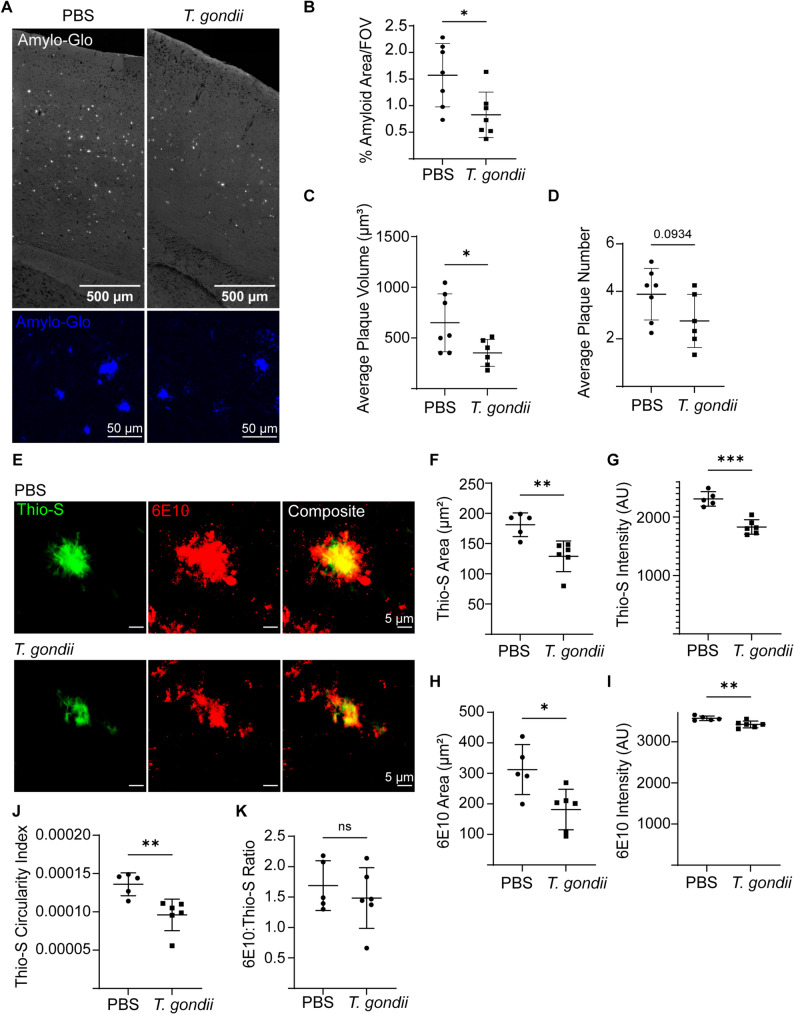 Figure 1
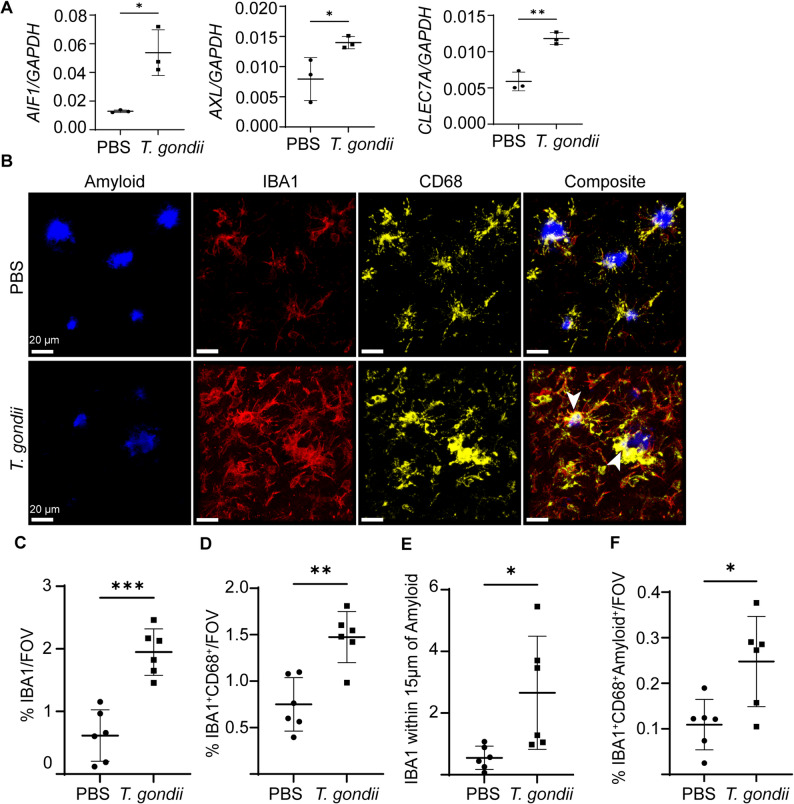 Figure 2
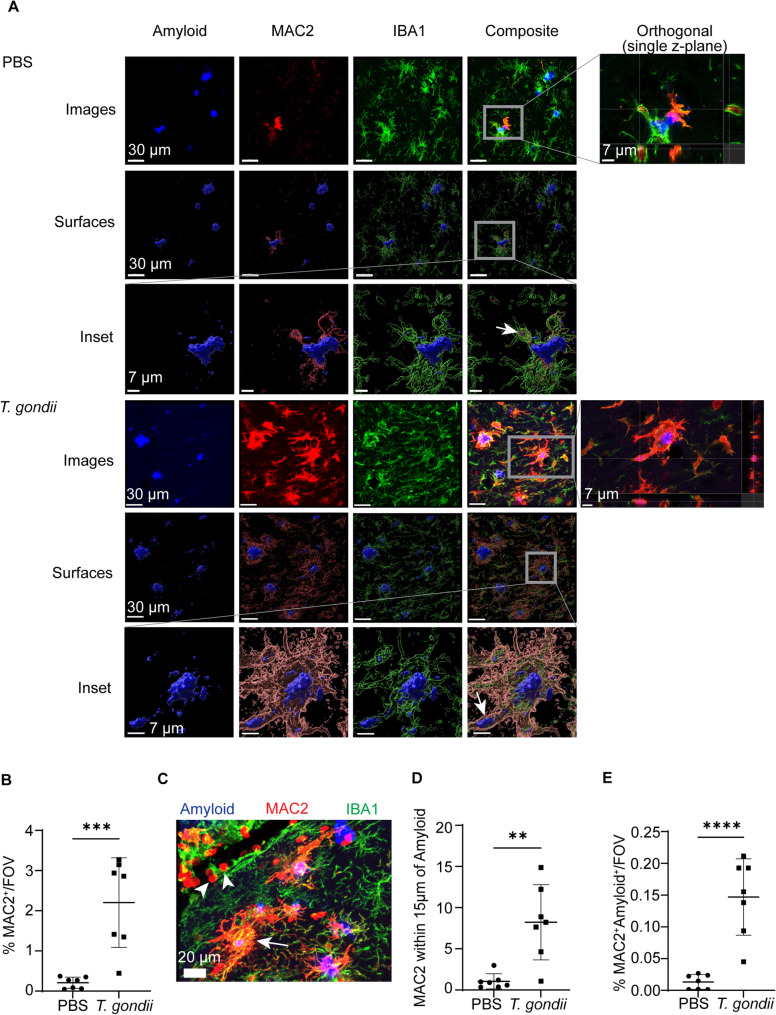 Figure 3
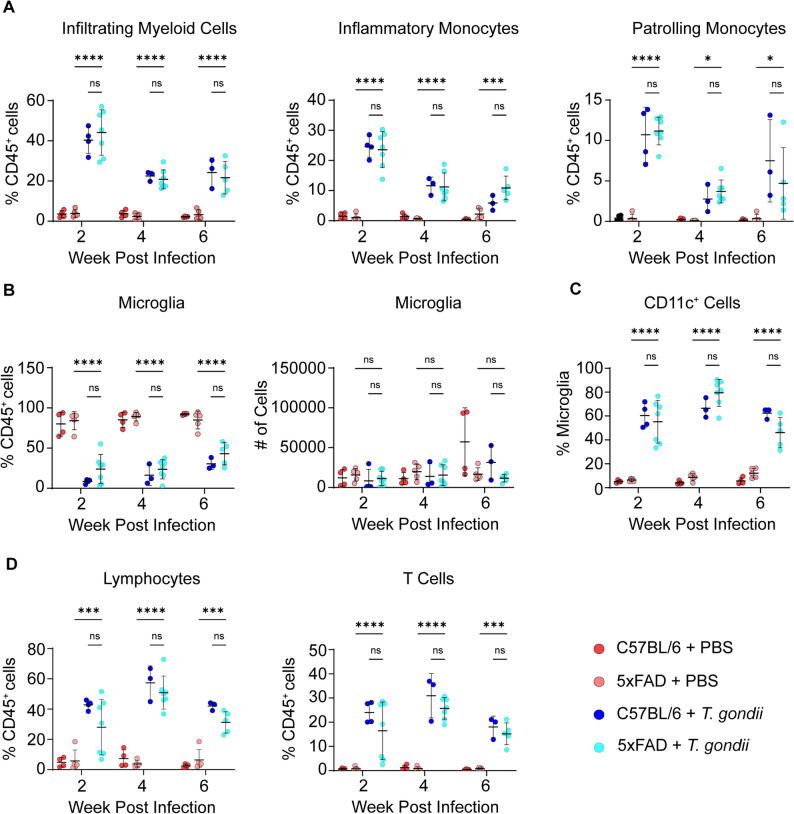 Figure 4
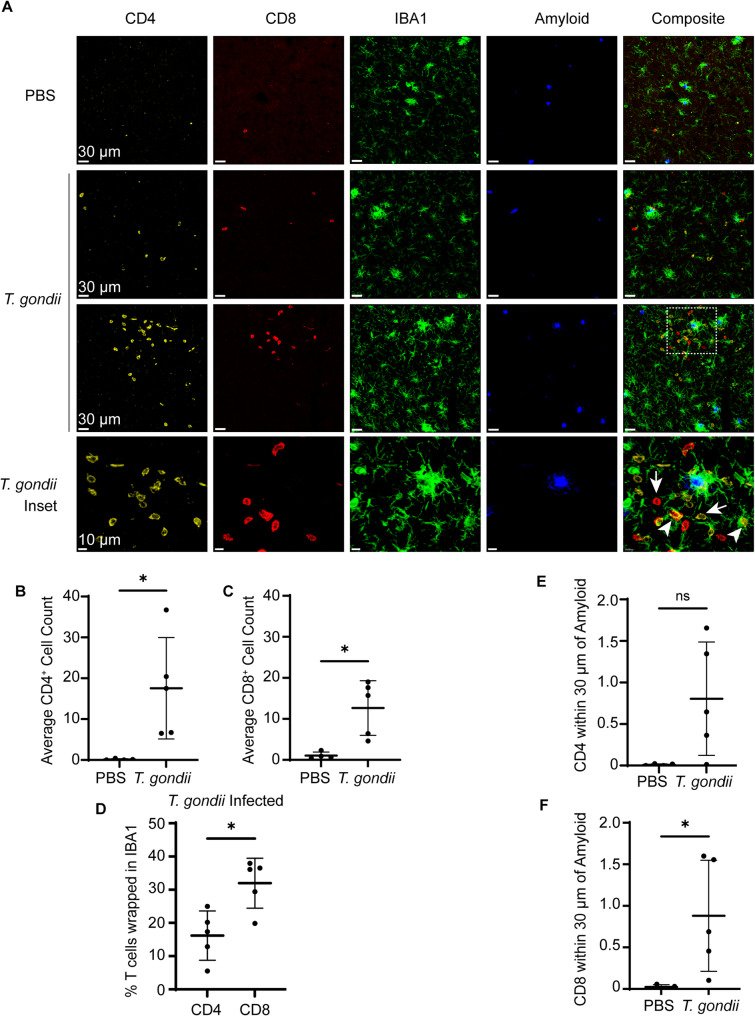 Figure 5
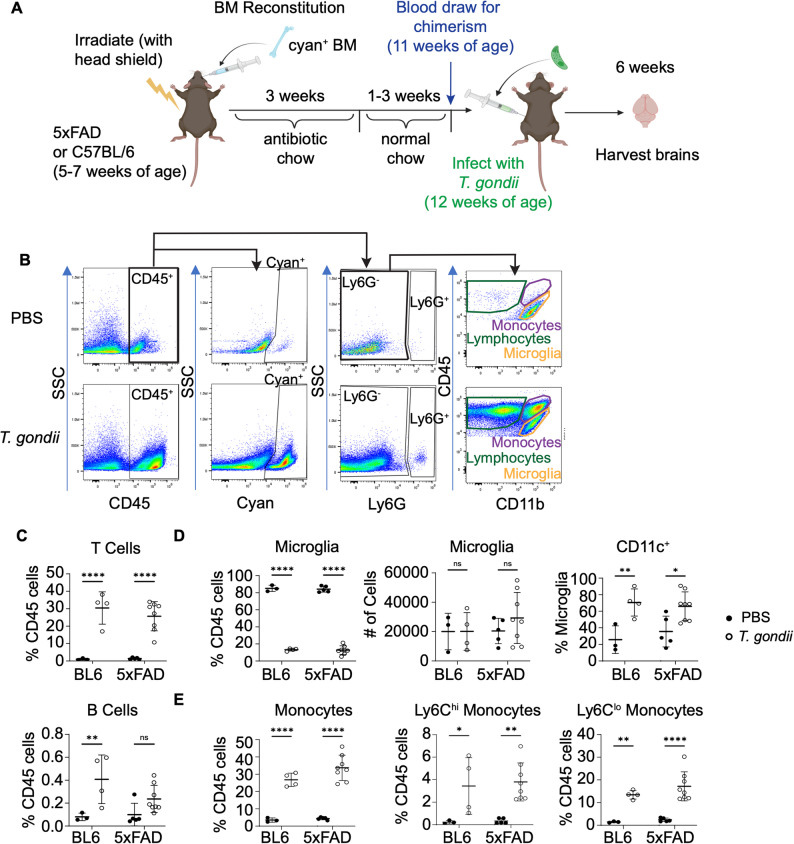 Figure 6
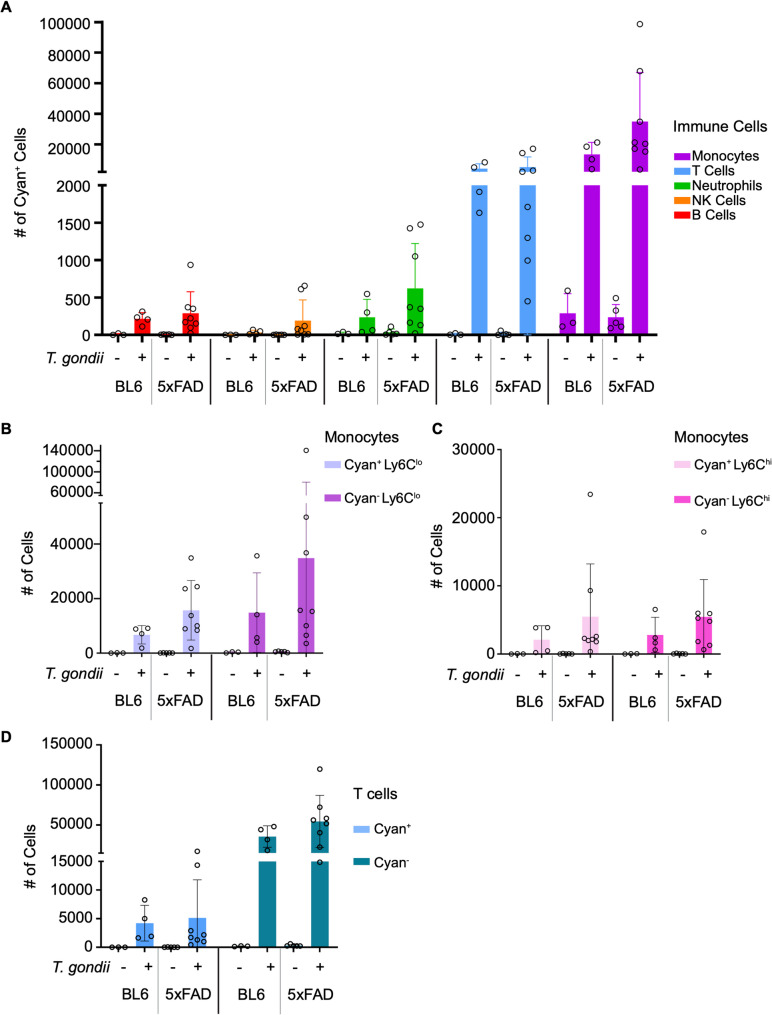 Figure 7
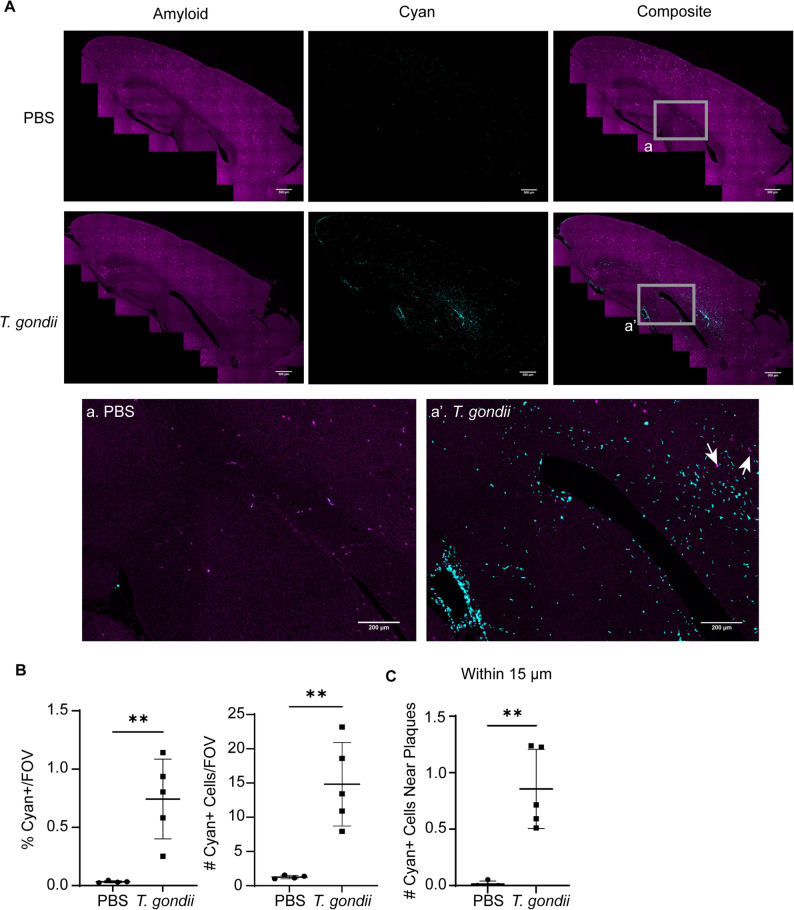 Figure 8
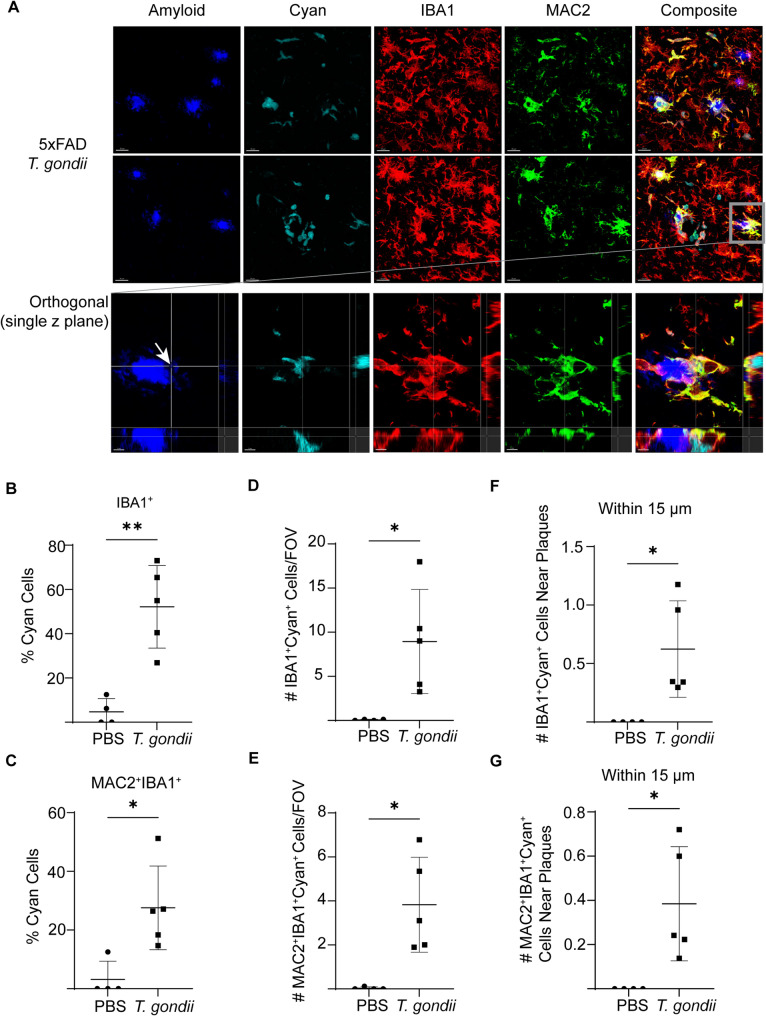 Figure 9
Peer Reviews
No public reviews on file for this paper yet. If you reviewed it on a platform where reviews are public (OpenReview, ICLR, NeurIPS, ICML), you can paste yours below so the community can read it here.
Videos
No videos yet. Explain this paper in a talk, walkthrough, or lecture? Add one.
Taxonomy
TopicsNeuroinflammation and Neurodegeneration Mechanisms · Toxoplasma gondii Research Studies · Alzheimer's disease research and treatments