Chronic stress increases the susceptibility to chronic vulvar pain following acute vulvar inflammation in a preclinical model of vulvodynia
Yaseen Awad-Igbaria, Saher Abu-Ata, Renad Jabarin, Reem Sakas, Leqaa Igbaria, Ayah N. Hamdan, Lior Lowenstein, Jacob Bornstein, Eilam Palzur, Alon Shamir

TL;DR
Chronic stress makes it more likely for vulvar pain to become chronic after an initial inflammation, according to a study in rats.
Contribution
The study shows chronic stress increases vulnerability to chronic vulvar pain after acute inflammation in a preclinical model.
Findings
Chronic stress reduced vulvar mechanical thresholds and increased anxiety-like behaviors in rats.
The CUS/Zymosan group showed prolonged vulvar hypersensitivity with no recovery.
Chronic stress was linked to increased corticosterone and gene expression in brain regions related to anxiety and pain.
Abstract
Psychological distress and chronic stress were suggested to contribute to the pathophysiology of idiopathic pain conditions such as provoked vulvodynia (PV). The comorbidity of PV and mood disorder is quite common. Thus, vulvar pain can trigger anxiety, and mood disruption, whereas elevated anxiety and mood disruption play a critical role in pain maintenance. Yet, whether chronic stress can facilitate the development of chronic vulvar pain remains unclear. Here, we aimed to assess the effects of chronic stress on anxiety, depression-like behaviors, and the development of chronic vulvar pain after vulvar inflammation, which combines acute inflammation with chronic unpredictable stress (CUS) in female rats. Current result indicates that CUS leads to a reduction in vulvar mechanical thresholds and an increase in anxiety-like behavior, including reduced entries and time spent in the open…
Genes, proteins, chemicals, diseases, species, mutations and cell lines named across the full text — each resolved to its canonical identifier and authoritative record.
Click any figure to enlarge with its caption.
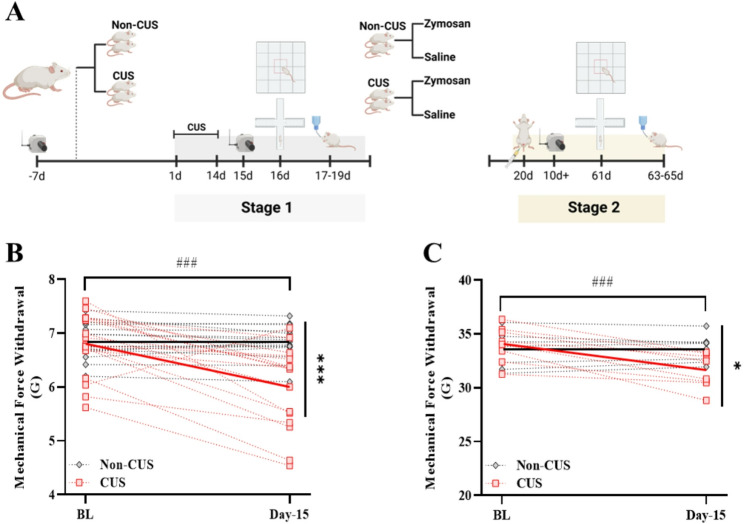 Figure 1
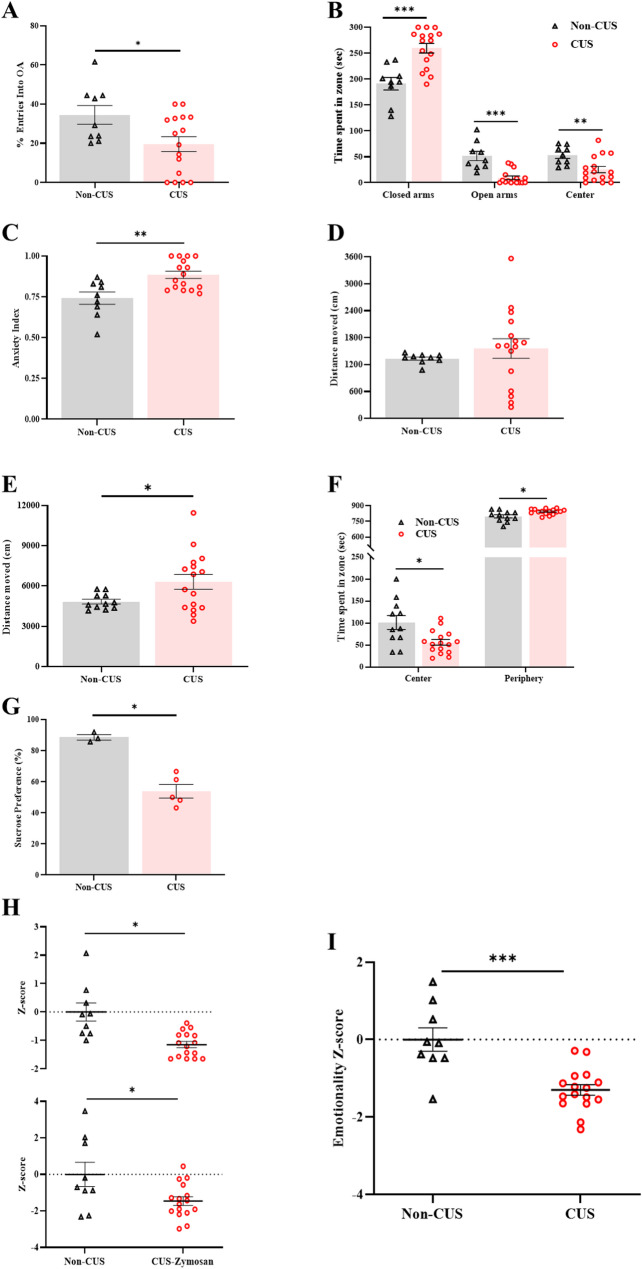 Figure 2
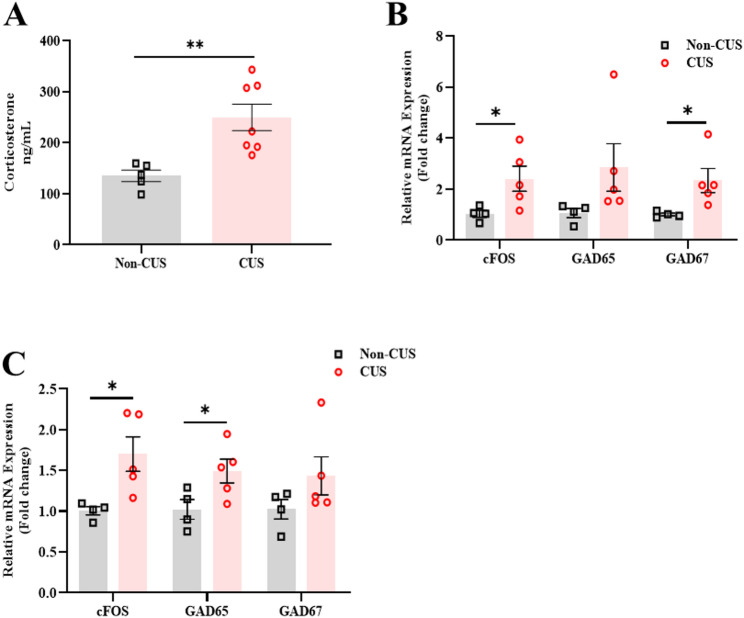 Figure 3
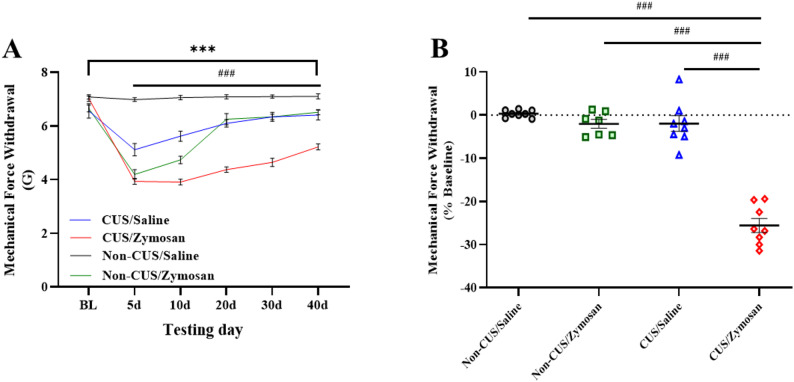 Figure 4
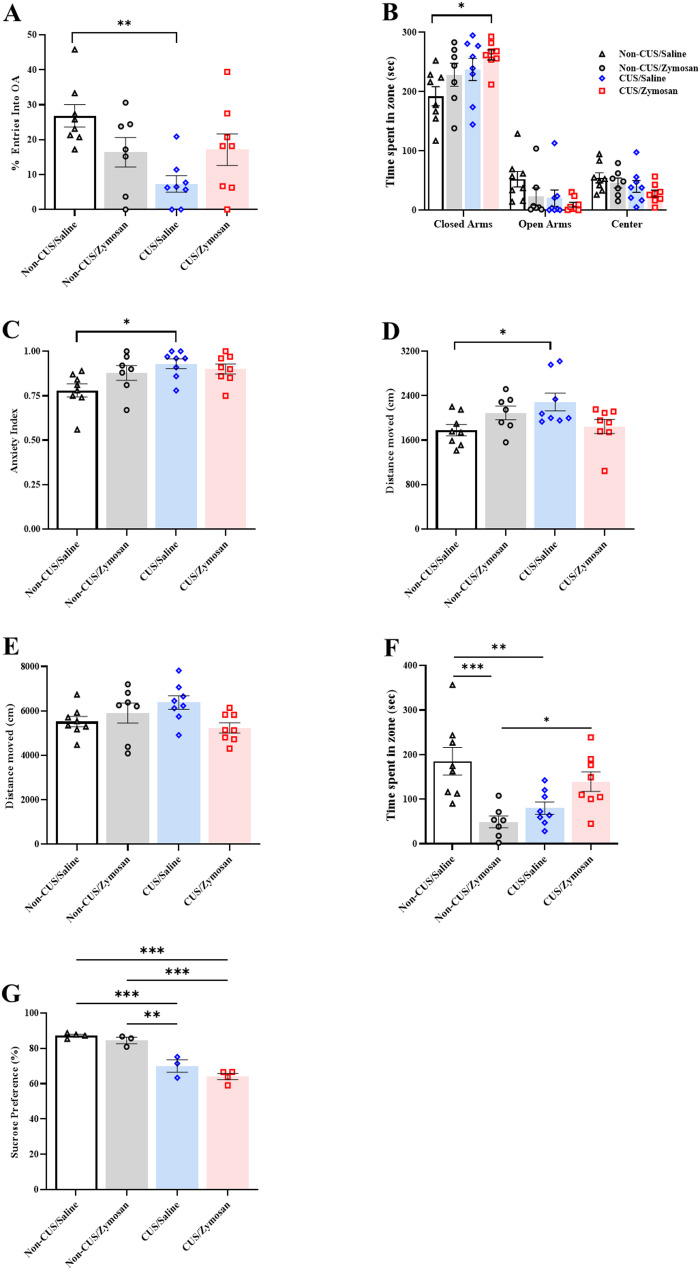 Figure 5
Peer Reviews
No public reviews on file for this paper yet. If you reviewed it on a platform where reviews are public (OpenReview, ICLR, NeurIPS, ICML), you can paste yours below so the community can read it here.
Videos
No videos yet. Explain this paper in a talk, walkthrough, or lecture? Add one.
Taxonomy
TopicsSexual function and dysfunction studies · Semiotics and Cultural Interpretation · Sexuality, Behavior, and Technology