Serum IgA and bactericidal immunity against Streptococcus suis serotype 2 is increasing between 2 and 6 weeks of age in a farm with autogenous bacterin vaccination pre-farrowing, while specific maternal IgG is decreasing
Theresa Middendorf, Josepha Hallbauer, Matthias Horn, Silke Lehnert, Karoline Rieckmann, Alexander Maas, Wieland Schrödl, Christoph G. Baums

TL;DR
This study shows that IgA antibodies in piglets increase over time and are linked to better protection against a bacterial infection, independent of IgG levels.
Contribution
The study reveals that bactericidal immunity in piglets is associated with increasing IgA levels, not IgG, despite maternal vaccination.
Findings
Serum IgA binding to S. suis increases between 2 and 6 weeks of age, while IgG decreases.
Bactericidal immunity in piglets correlates with IgA levels, not IgG or colostrum uptake.
An IgG-independent mechanism contributes to immunity after weaning in vaccinated herds.
Abstract
Neonatal piglets take up maternal IgG and IgA antibodies via colostrum. Streptococcus suis (S. suis) is a major porcine pathogen that may cause invasive infections in the first ten weeks of life, leading to septicemia, polyarthritis, and meningitis. Preparturient dam vaccination with autogenous S. suis vaccines is common in the field. Vaccination with S. suis bacterins including water-in-oil adjuvants pre-farrowing elicits increased levels of S. suis specific serum IgG antibodies in suckling piglets. However, the influence of various factors associated with colostrum uptake on S. suis specific immunity in piglets has not been investigated thoroughly. This field study was designed to investigate the role of colostrum uptake on levels of IgG and IgA binding to S. suis and how these specific IgG and IgA levels are associated with bactericidal immunity during the nursery phase. Levels of…
Genes, proteins, chemicals, diseases, species, mutations and cell lines named across the full text — each resolved to its canonical identifier and authoritative record.
Click any figure to enlarge with its caption.
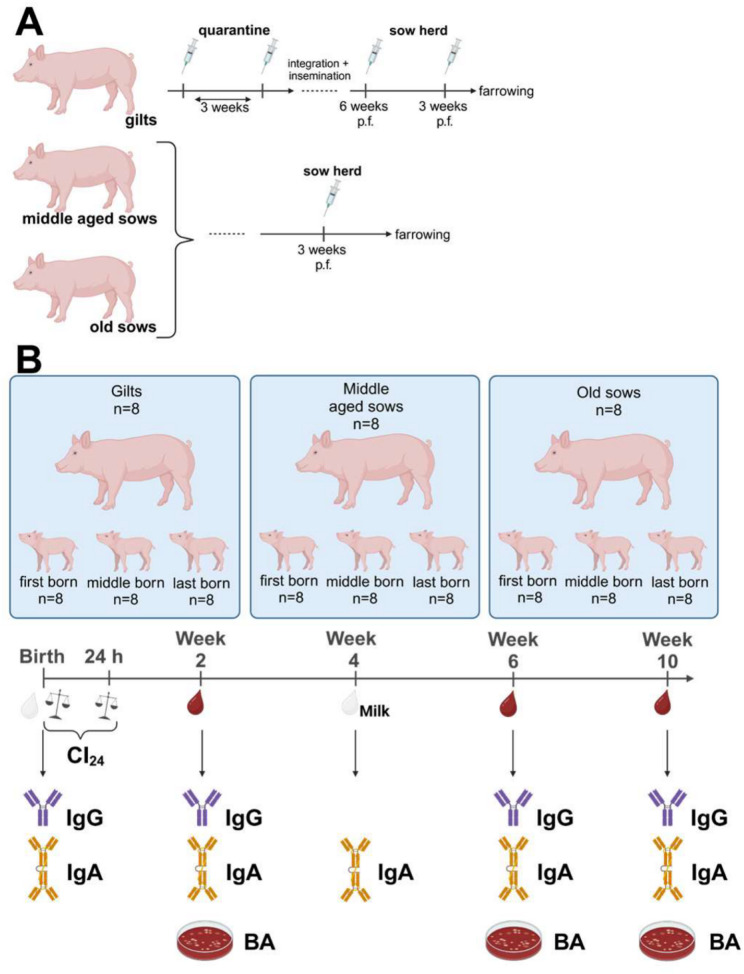 Figure 1
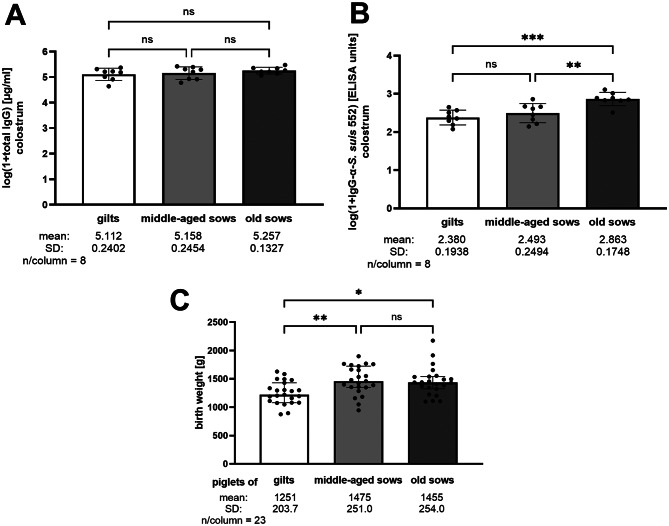 Figure 2
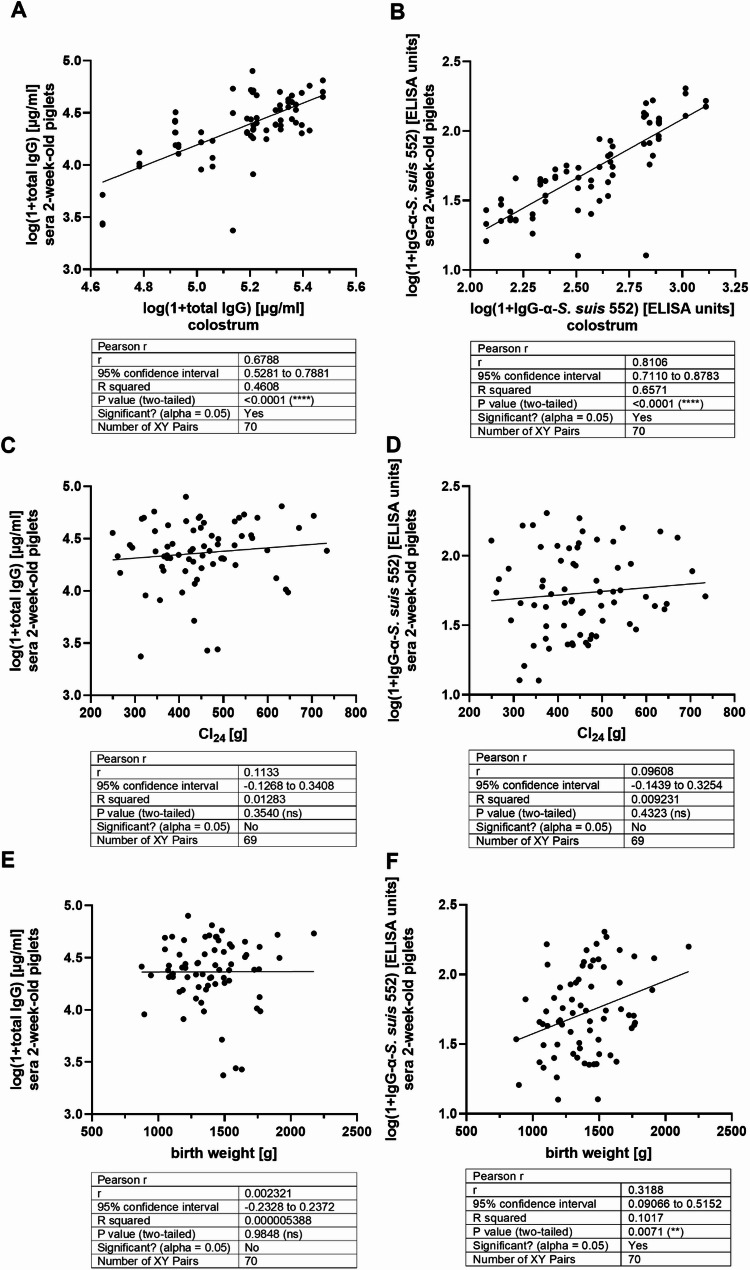 Figure 3
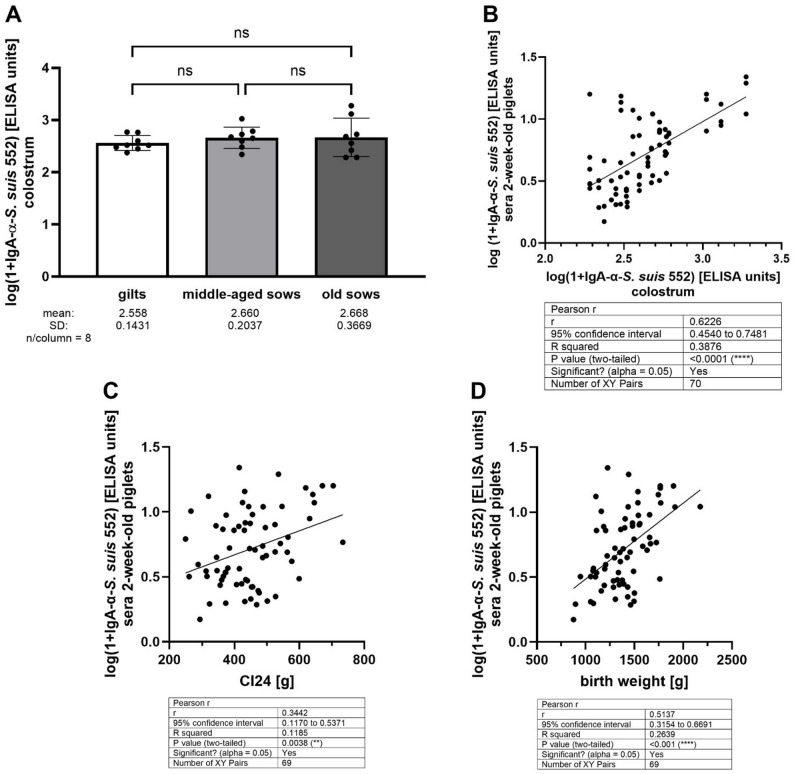 Figure 4
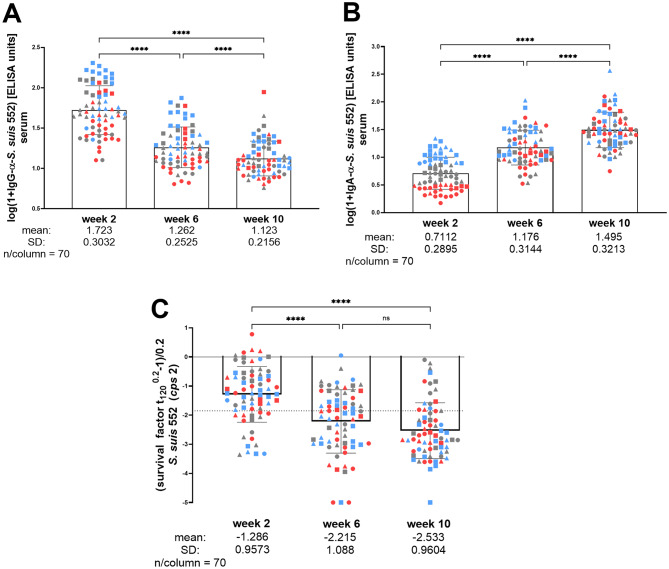 Figure 5
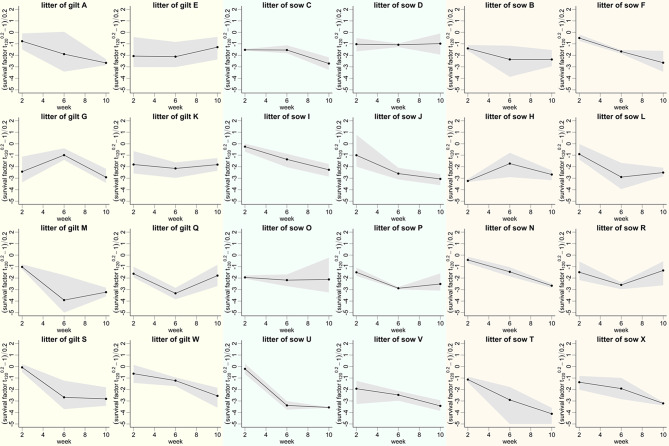 Figure 6
Peer Reviews
No public reviews on file for this paper yet. If you reviewed it on a platform where reviews are public (OpenReview, ICLR, NeurIPS, ICML), you can paste yours below so the community can read it here.
Videos
No videos yet. Explain this paper in a talk, walkthrough, or lecture? Add one.
Taxonomy
TopicsStreptococcal Infections and Treatments · Neonatal and Maternal Infections · Infective Endocarditis Diagnosis and Management