Profiling DNA-protein interactions in Meloidogyne incognita using dCas9-based affinity purification
Caroline Bournaud, Alwéna Tollec, Etienne G. J. Danchin, Yohann Couté, Sebastian Eves-van den Akker

TL;DR
This paper introduces a new method to study DNA-protein interactions in a harmful nematode, enabling insights into how it controls genes involved in parasitism.
Contribution
An optimized in vitro dCas9-based CAPTURE protocol for profiling chromatin interactions in non-transformable nematodes.
Findings
The method successfully isolated chromatin-protein complexes from M. incognita.
Four putative chromatin-associated proteins, including BANF1, were identified.
The protocol addresses challenges in chromatin extraction and stability in nematodes.
Abstract
The root-knot nematode Meloidogyne incognita, is a highly destructive parasite that manipulates host plant processes through effector proteins, affecting agriculture globally. Despite advances in genomic and transcriptomic studies, the regulatory mechanisms controlling effector gene expression, especially at the chromatin level, are still poorly understood. Gene regulation studies in plant-parasitic nematodes (PPN) face several challenges, including the absence of transformation systems and technical barriers in chromatin preparation, particularly for transcription factors (TFs) expressed in secretory gland cells. Conventional methods like Chromatin Immunoprecipitation (ChIP) are limited in PPN due to low chromatin yields, the impermeability of nematode cuticles, and difficulties in producing antibodies for low-abundance TFs. These issues call for alternative approaches, such as…
Genes, proteins, chemicals, diseases, species, mutations and cell lines named across the full text — each resolved to its canonical identifier and authoritative record.
Click any figure to enlarge with its caption.
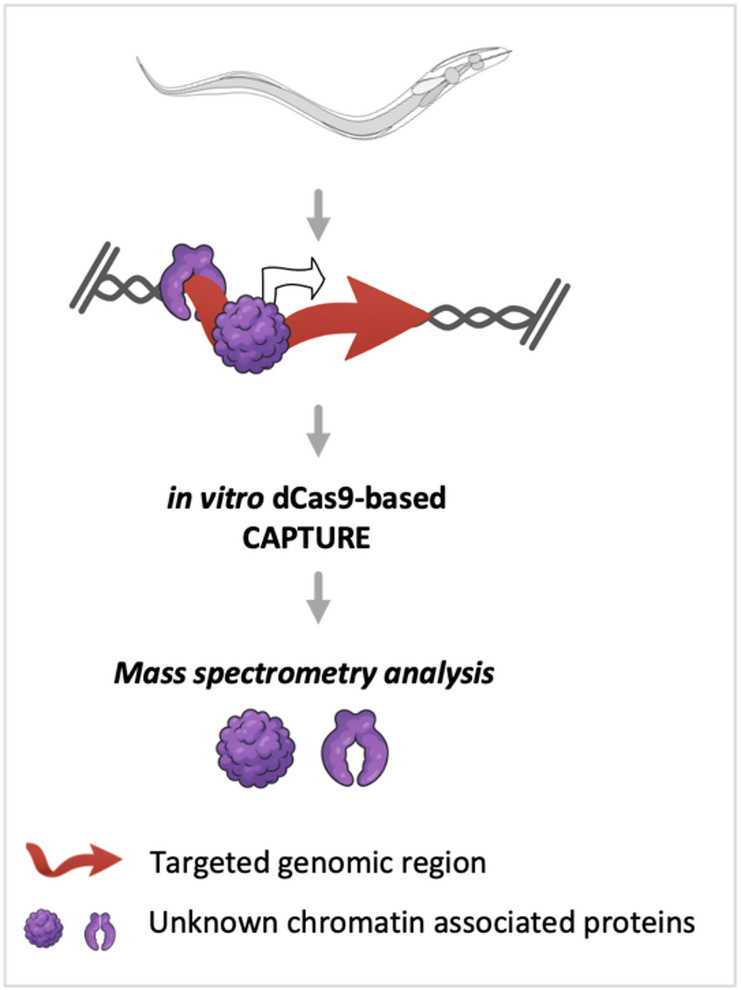 Figure 1
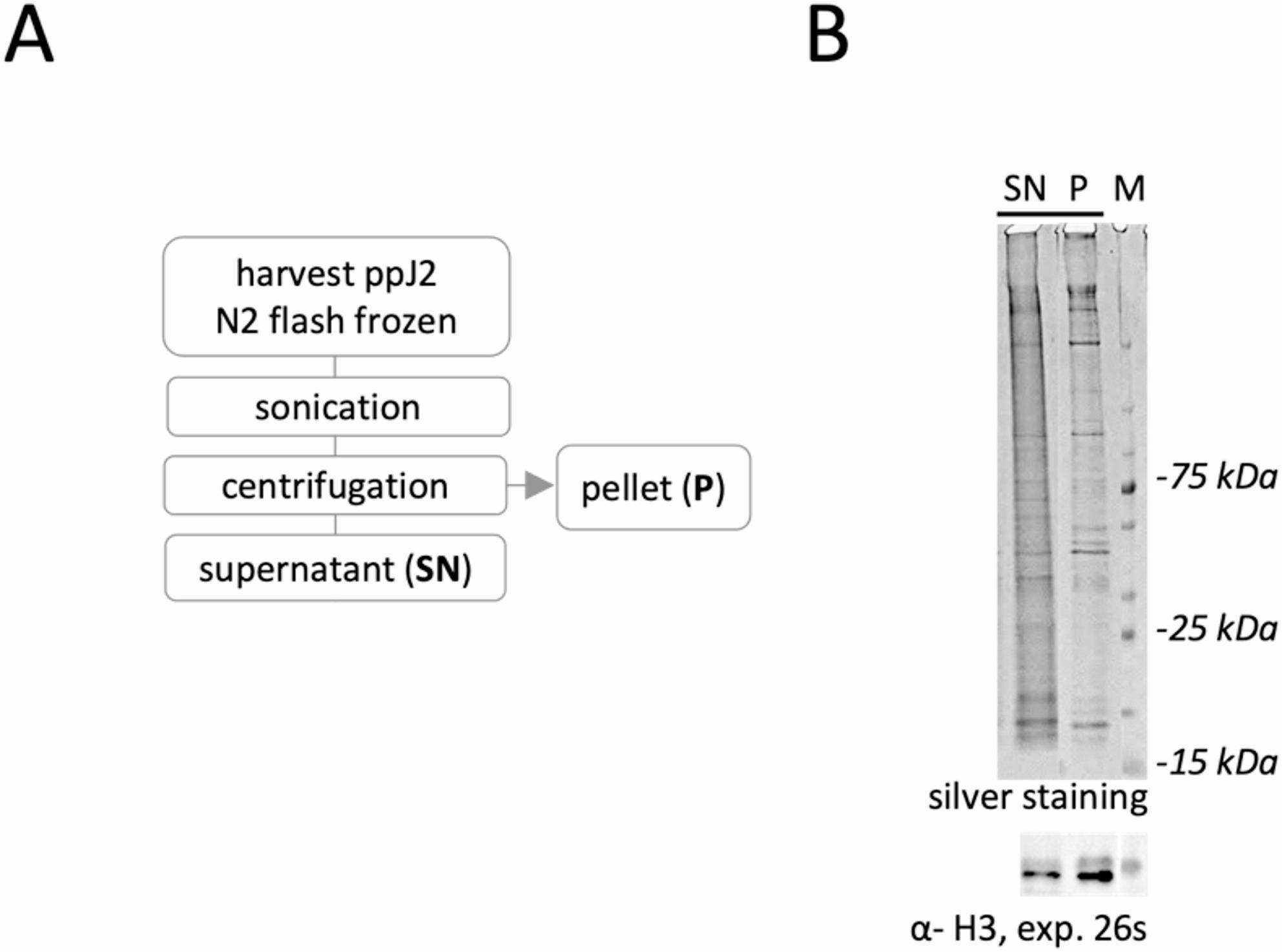 Figure 2
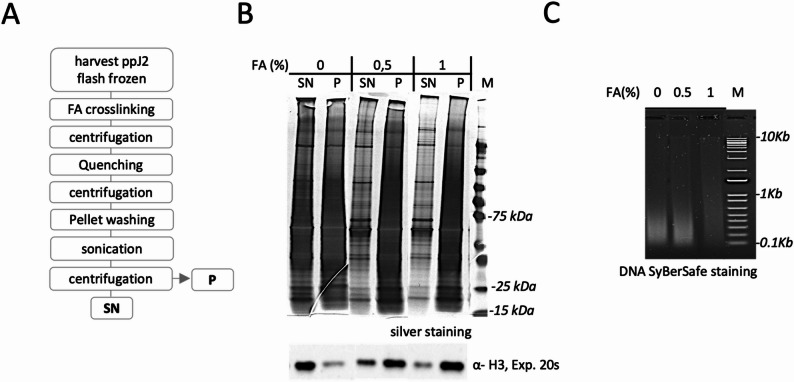 Figure 3
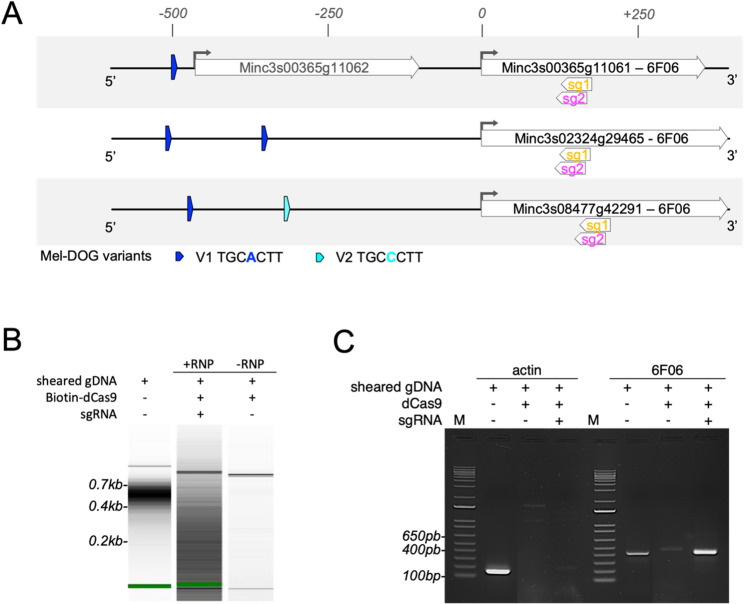 Figure 4
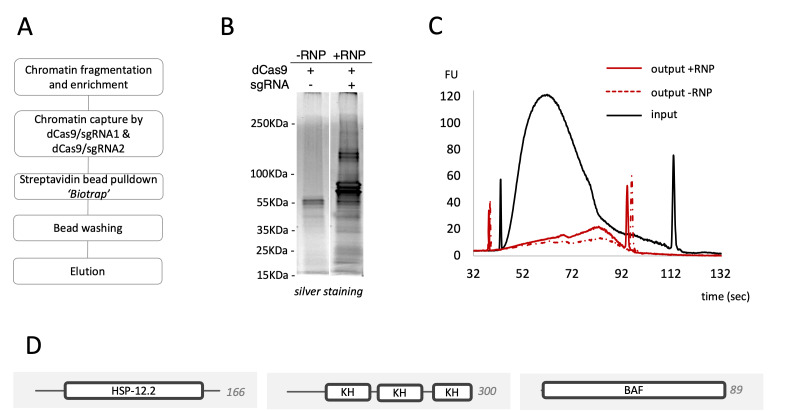 Figure 5
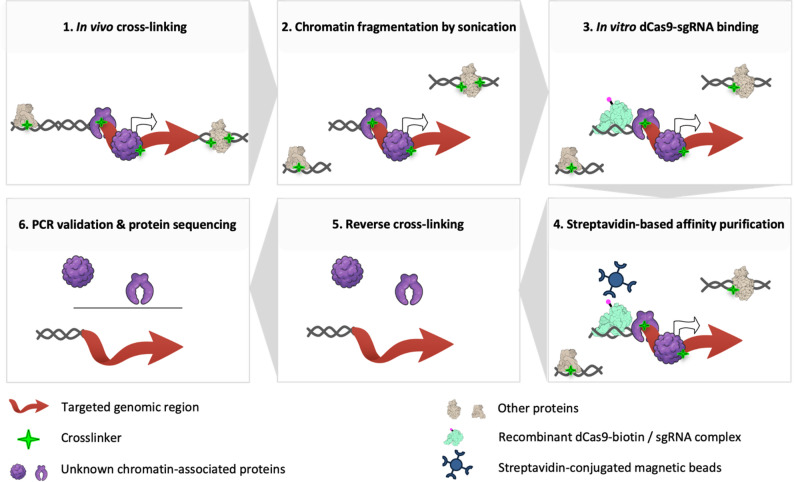 Figure 6
Peer Reviews
No public reviews on file for this paper yet. If you reviewed it on a platform where reviews are public (OpenReview, ICLR, NeurIPS, ICML), you can paste yours below so the community can read it here.
Videos
No videos yet. Explain this paper in a talk, walkthrough, or lecture? Add one.
Taxonomy
TopicsNematode management and characterization studies · Plant Reproductive Biology · Entomopathogenic Microorganisms in Pest Control