Management of plica polonica in the wake of refractory head lice infestation: a case report
Nirin Seatamanoch, Sakone Sunantaraporn, Padet Siriyasatien, Chanat Kumtornrut, Narisa Brownell

TL;DR
A case report shows that head lice resistant to chemicals can lead to severe infestations, requiring physical treatments for resolution.
Contribution
This case highlights the challenges of treating head lice with resistance genes and the effectiveness of physical treatment methods.
Findings
A 13-year-old girl's head lice infestation progressed to plica polonica due to resistant lice.
Lice sampled showed a 100% homozygous knockdown resistance (kdr) mutation.
Physical treatment methods were effective when chemical treatments failed.
Abstract
Pediculosis capitis remains widespread globally, and the emergence of resistance genes continues to impede eradication efforts. This case of plica polonica offers insight into the complexity and challenges of pediculosis in endemic settings where resistant lice are present. We report the case of a 13-year-old girl from a suburban area of Bangkok with long-standing pediculosis that progressed to plica polonica due to prolonged lack of intervention. Molecular analysis of the sampled lice demonstrated a 100% homozygous knockdown resistance (kdr) mutation. Several of her classmates also described recurrent infestations despite previous permethrin use, and permethrin exposure in this case showed limited effect, as lice remained viable after the recommended treatment period. The condition resolved after incorporating physical modalities. Pediculosis in endemic areas is at a high suspicion…
Genes, proteins, chemicals, diseases, species, mutations and cell lines named across the full text — each resolved to its canonical identifier and authoritative record.
Click any figure to enlarge with its caption.
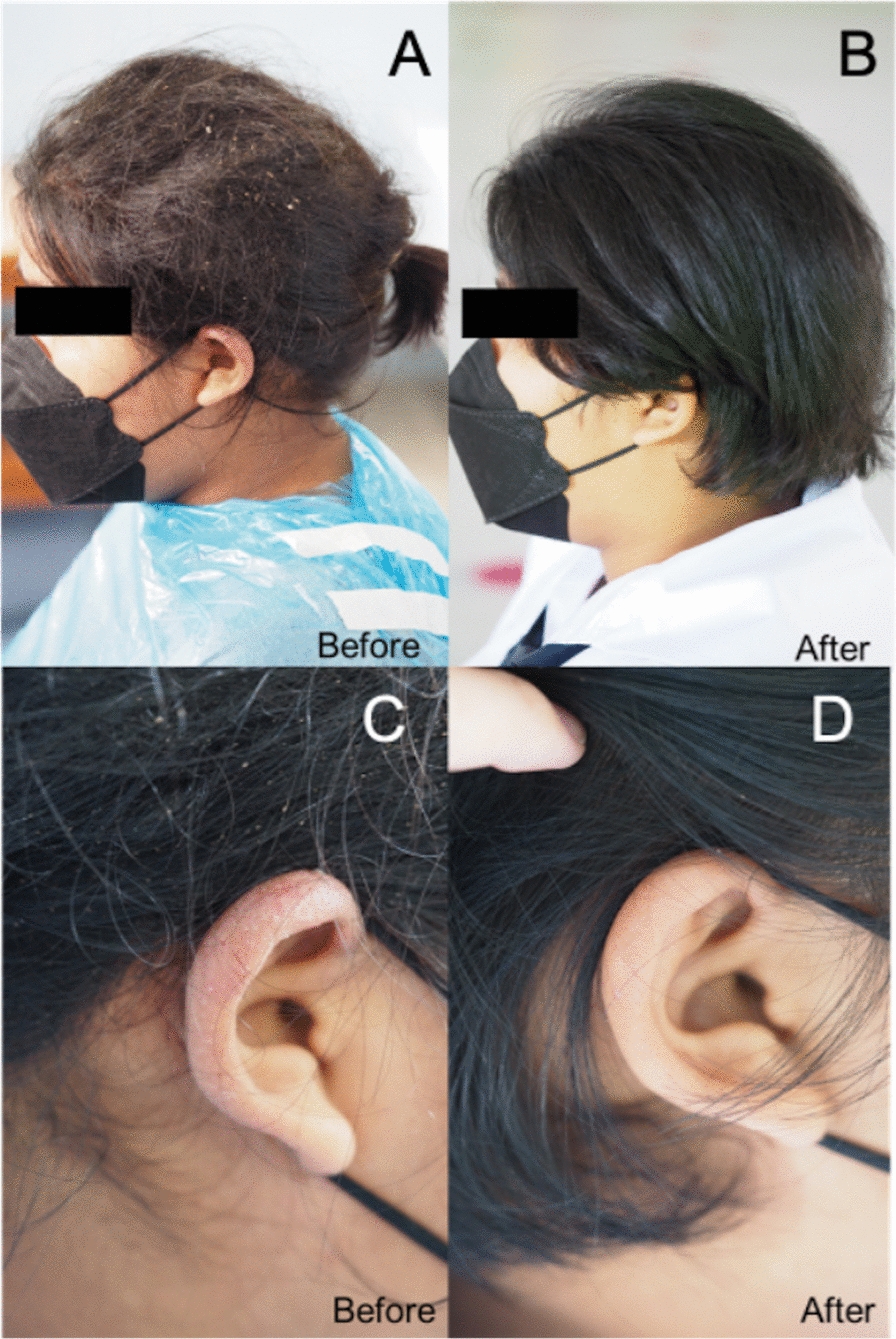 Figure 1
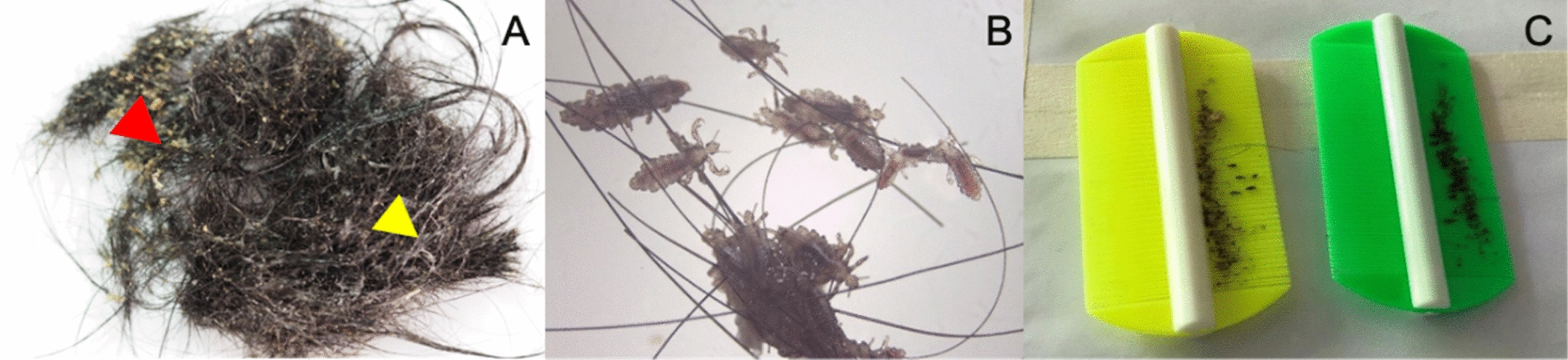 Figure 2
Peer Reviews
No public reviews on file for this paper yet. If you reviewed it on a platform where reviews are public (OpenReview, ICLR, NeurIPS, ICML), you can paste yours below so the community can read it here.
Videos
No videos yet. Explain this paper in a talk, walkthrough, or lecture? Add one.
Taxonomy
TopicsDermatological diseases and infestations · Forensic Entomology and Diptera Studies · Insects and Parasite Interactions