3-(Pyridine-3-ylmethylene)chroman-4-one and tetralone derivatives: synthesis, Mycobacterium tuberculosis CYP121A1 enzyme inhibition and antimycobacterial activity vs drug-sensitive and drug-resistant strains
Lama A. Alshabani, Jabril M. Abdali, Alistair K. Brown, Damião Pergentino de Sousa, Sam Willcocks, Amit Kumar, Ahmed Y. G. Alhejaili, D. Fernando Estrada, Claire Simons

TL;DR
This study explores new compounds that inhibit a key enzyme in tuberculosis bacteria and show effectiveness against drug-resistant strains.
Contribution
The paper introduces new chromanone and tetralone derivatives with strong antimycobacterial activity against drug-resistant TB strains.
Findings
Chromanone derivatives with 7-O-(CH2)3-phenyl substitution showed strong CYP121A1 binding affinity.
Tetralone derivatives with O-(CH2)3-phenyl substitution were effective against drug-resistant Mtb strains.
Both compound types retained activity against mono-resistant and multidrug-resistant TB strains.
Abstract
CYP121A1 is a promising cytochrome P450 (CYP) drug target in Mycobacterium tuberculosis (Mtb) owing to its physiological importance in bacterial cell viability. The continuing rise of multidrug resistant (MDR) and extremely drug resistant (XDR) tuberculosis (TB), offers potential therapeutics with a new mechanism of action to add to the multidrug TB regime. A series of 3-(pyridine-3-ylmethylene)chromanone derivatives (5) with 7-O-alkyl/aryl substitutions were explored for CYP121A1 binding and antimycobacterial activity in susceptible and resistant Mtb strains. The 3-(pyridine-3-ylmethylene)chroman-4-one derivatives (5) with the 7-O-(CH2)3-phenyl substitution displayed the strongest CYP121A1 binding affinity (KD 0.3 to 3.6 μM) compared with the natural substrate (dicyclotyrosine, KD 16.8 ± 1.0 μM). Improvements observed in binding affinity from 7-O-benzyl to (CH2)2-phenyl to…
Genes, proteins, chemicals, diseases, species, mutations and cell lines named across the full text — each resolved to its canonical identifier and authoritative record.
Click any figure to enlarge with its caption.
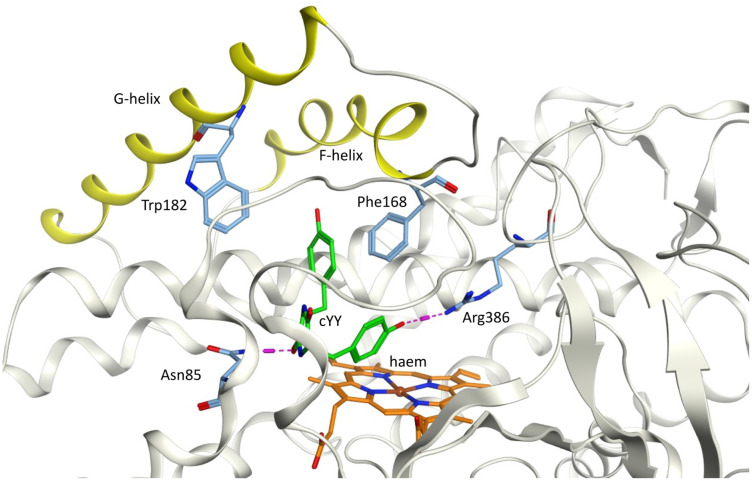 Figure 1
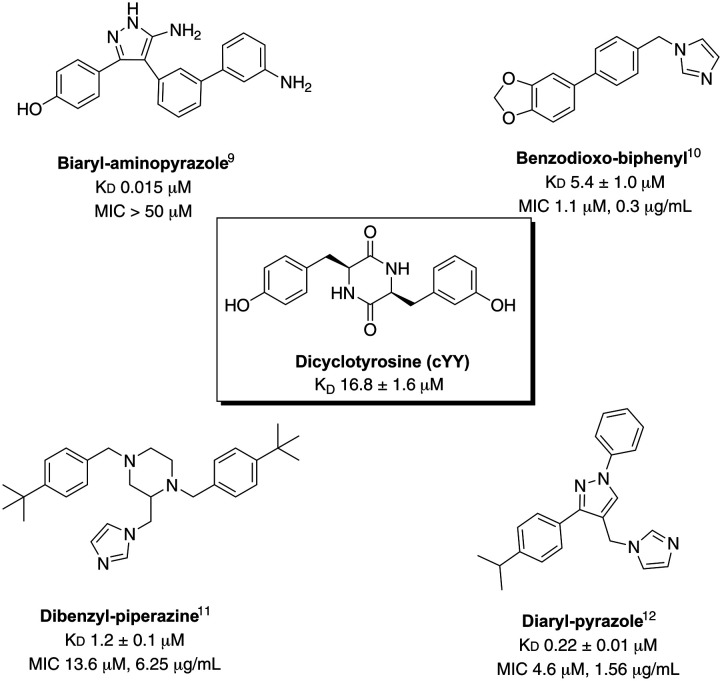 Figure 2
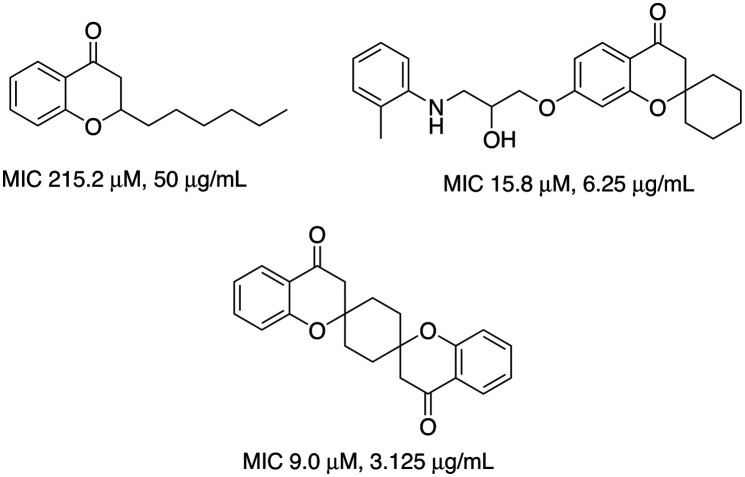 Figure 3
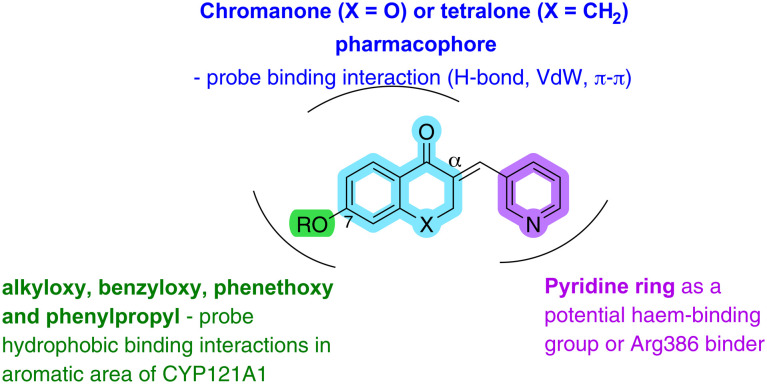 Figure 4
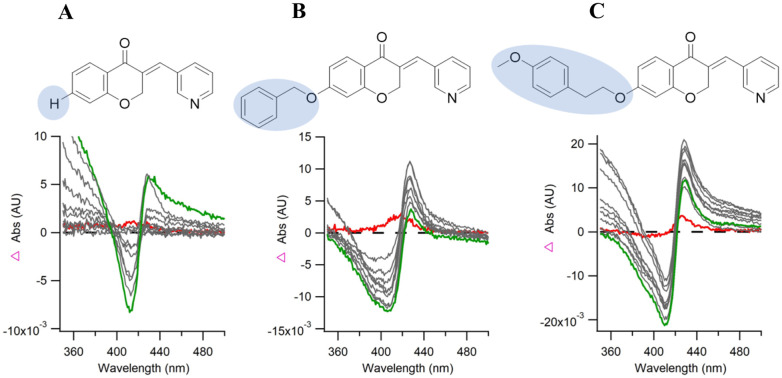 Figure 5
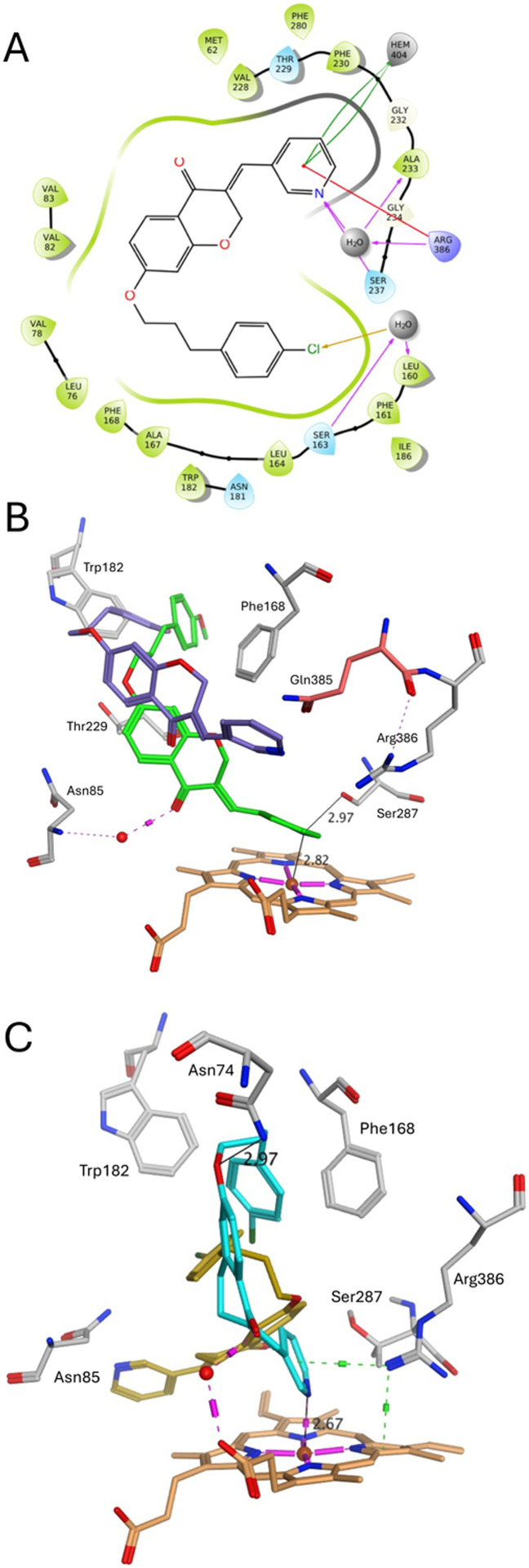 Figure 6
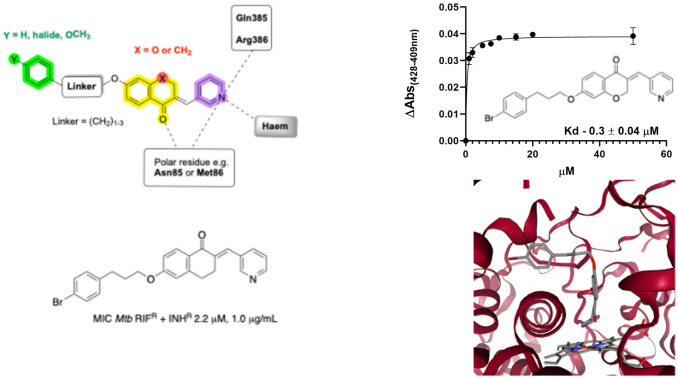 Figure 7
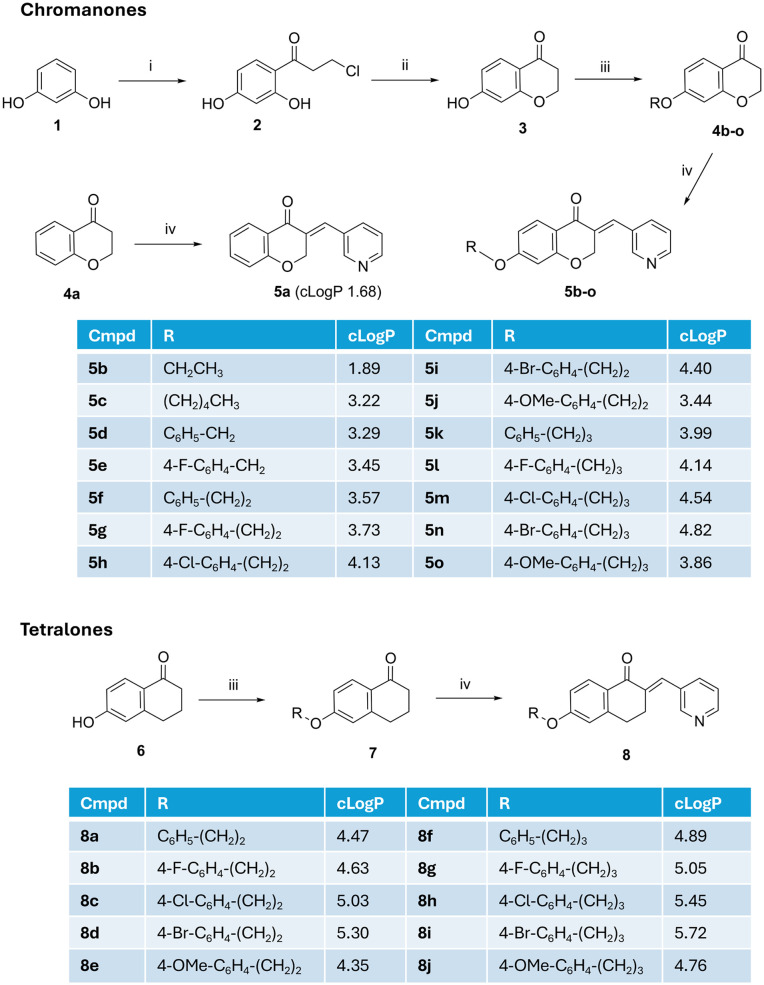 Figure 8
Peer Reviews
No public reviews on file for this paper yet. If you reviewed it on a platform where reviews are public (OpenReview, ICLR, NeurIPS, ICML), you can paste yours below so the community can read it here.
Videos
No videos yet. Explain this paper in a talk, walkthrough, or lecture? Add one.
Taxonomy
TopicsPharmacogenetics and Drug Metabolism · Cancer therapeutics and mechanisms · Estrogen and related hormone effects