Multi-omic analysis identifies a multi-step pathology in a case of multiple chorangioma syndrome in monochorionic twins
Brandon M. Wilk, Manavalan Gajapathy, Donna M. Brown, Virginia E. Duncan, Elizabeth A. Worthey

TL;DR
This study uses multi-omic analysis to uncover distinct genetic and molecular processes in a rare case of multiple chorangioma syndrome in monochorionic twins.
Contribution
The first study to propose a molecular mechanism and the interaction of germline and somatic variants in multiple chorangioma syndrome.
Findings
An early embryonic or germline EPAS1 frameshift deletion was identified, suggesting impaired placental oxygen regulation.
Chorangioma-affected tissue had pathogenic COL1A1, FBXO11, and TRIM71 somatic mutations and elevated Leptin expression.
The unaffected twin’s placental territory had a pathogenic MUTYH variant and repair deficiency-associated mutational signatures.
Abstract
Chorangiomas, benign capillary lesions of the placenta, occur in ~1% of births, typically as solitary nodules. Multiple chorangioma syndrome is rare and increases risk of fetal heart failure, hydrops fetalis, and intrauterine death due to placental hemodynamic disruption. While genetic and hypoxic factors have been suggested in chorangioma development, direct molecular evidence is lacking. Here, we present a unique case of multiple chorangiomas confined to half of a shared placenta in monozygotic monochorionic diamniotic twins, providing a rare opportunity to dissect molecular drivers of chorangioma formation. Formalin-fixed paraffin-embedded tissue samples from chorangioma, affected and unaffected villi, and decidua from MCDA twins were subjected to whole-genome and bulk RNA sequencing. Germline and somatic small, structural, and copy number variants were identified. Clonal evolution…
Genes, proteins, chemicals, diseases, species, mutations and cell lines named across the full text — each resolved to its canonical identifier and authoritative record.
Click any figure to enlarge with its caption.
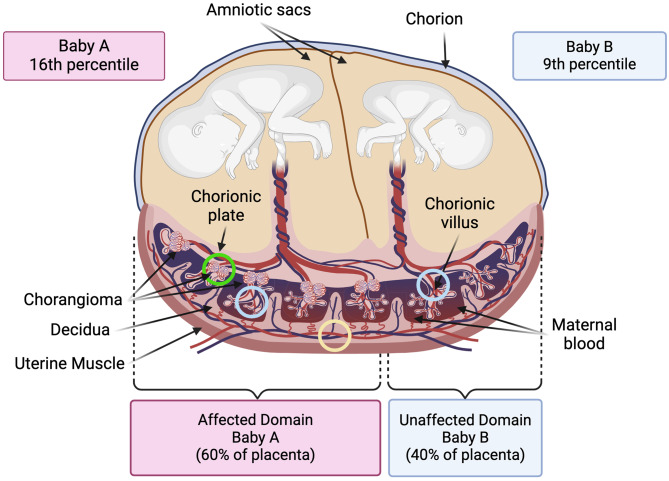 Figure 1
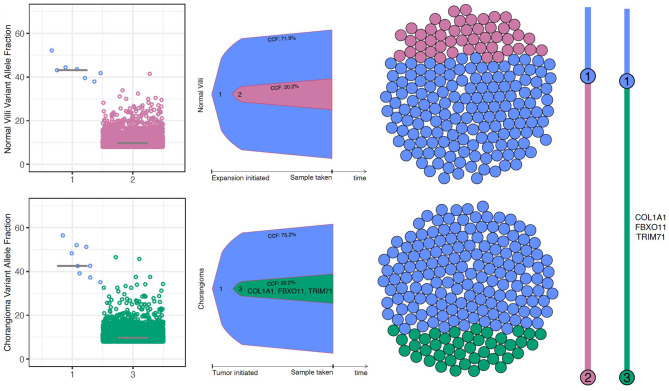 Figure 2
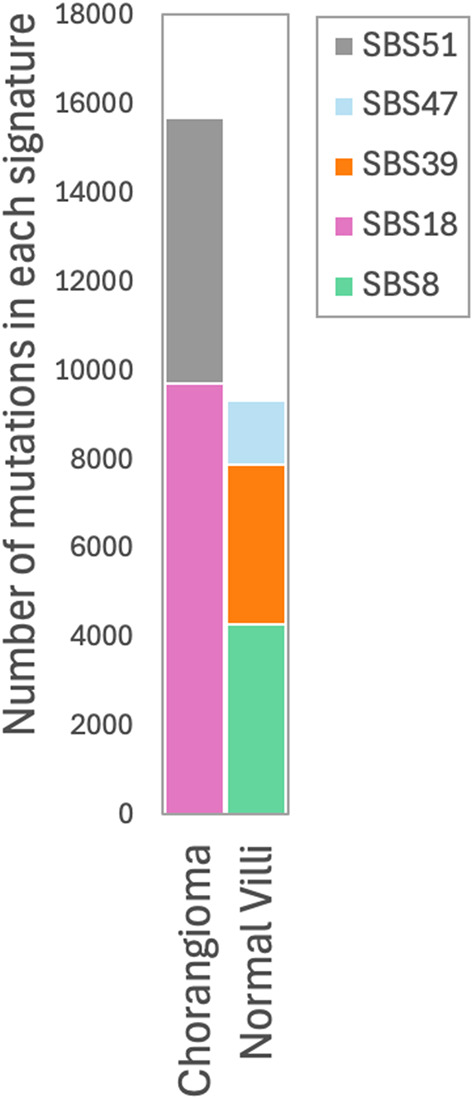 Figure 3
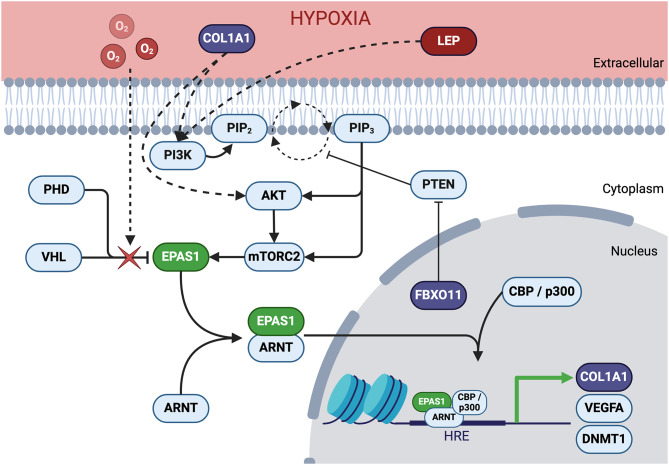 Figure 4
Peer Reviews
No public reviews on file for this paper yet. If you reviewed it on a platform where reviews are public (OpenReview, ICLR, NeurIPS, ICML), you can paste yours below so the community can read it here.
Videos
No videos yet. Explain this paper in a talk, walkthrough, or lecture? Add one.
Taxonomy
TopicsGestational Trophoblastic Disease Studies · Pregnancy and preeclampsia studies · Assisted Reproductive Technology and Twin Pregnancy