Highly Thermally Stable and Miscible CO2‑Based Block Copolymers by the Combination of Ring-Opening and RAFT Copolymerizations through Mediated Hydrogen Bonding Interactions
Yen-Ling Kuan, Yu-Chun Chiu, Yun-Sheng Ye, Shiao-Wei Kuo

TL;DR
Scientists created a new type of CO2-based block copolymer that is thermally stable and has unique hydrogen bonding interactions.
Contribution
The study introduces a novel method to synthesize CO2-based block copolymers with enhanced thermal stability and miscibility.
Findings
The PCHC-b-PSHPMI copolymers showed a single Tg value, indicating miscibility.
Hydrogen bonding interactions were observed via FTIR and NMR spectroscopy.
Relaxation times from NMR indicated complete miscibility at a nanoscale.
Abstract
In this study, the chain end of a reversible addition–fragmentation chain transfer (RAFT) polymerization agent of poly(cyclohexene carbonate) (PCHC) was synthesized via the ring-opening copolymerization of CO2 and cyclohexene oxide (CHO) by using s-dodecyl-s’-(α,α′-dimethyl-α″-acetic acid) trithiocarbonate (DDMAT) as a chain transfer agent. Various block copolymers of poly(cyclohexene carbonate)-b-poly(styrene-alt-N-(hydroxyphenyl)maleimide) (PCHC-b-PSHPMI) were subsequently synthesized by the RAFT copolymerization of styrene and N-(hydroxyphenyl)maleimide (HPMI) in the presence of azobis(isobutyronitrile) (AIBN), which were characterized by using differential scanning calorimetry (DSC), thermogravimetric analysis (TGA), Fourier transform infrared (FTIR) spectroscopy, nuclear magnetic resonance (NMR), and gel permeation chromatography (GPC). DSC thermal analyses indicated that the…
Genes, proteins, chemicals, diseases, species, mutations and cell lines named across the full text — each resolved to its canonical identifier and authoritative record.
Click any figure to enlarge with its caption.
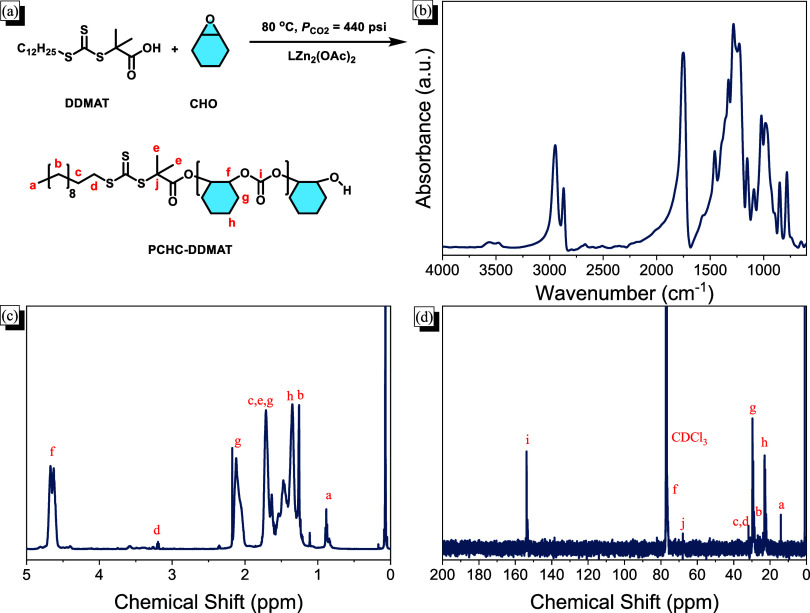 Figure 1
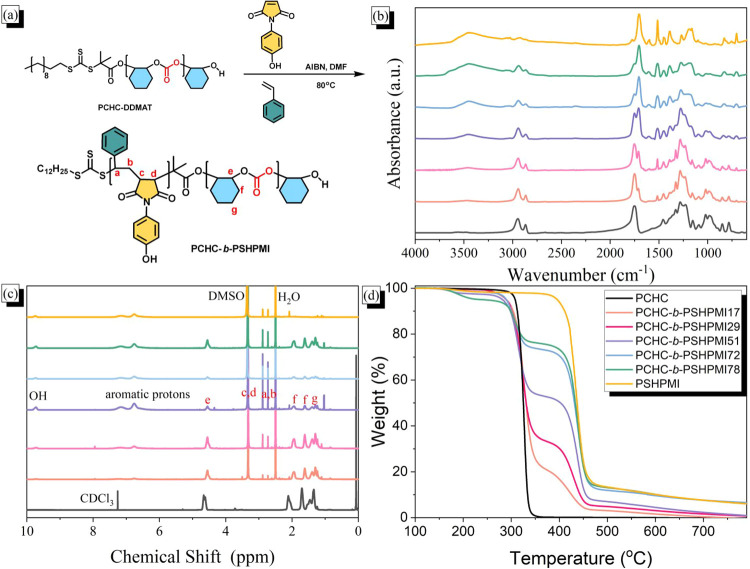 Figure 2
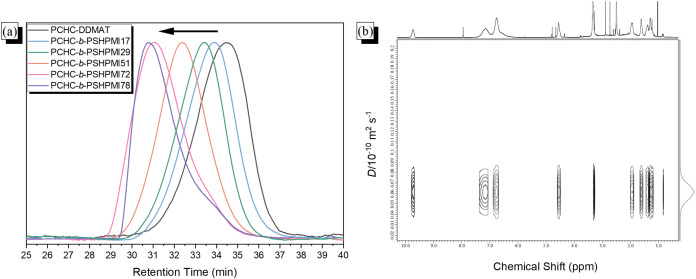 Figure 3
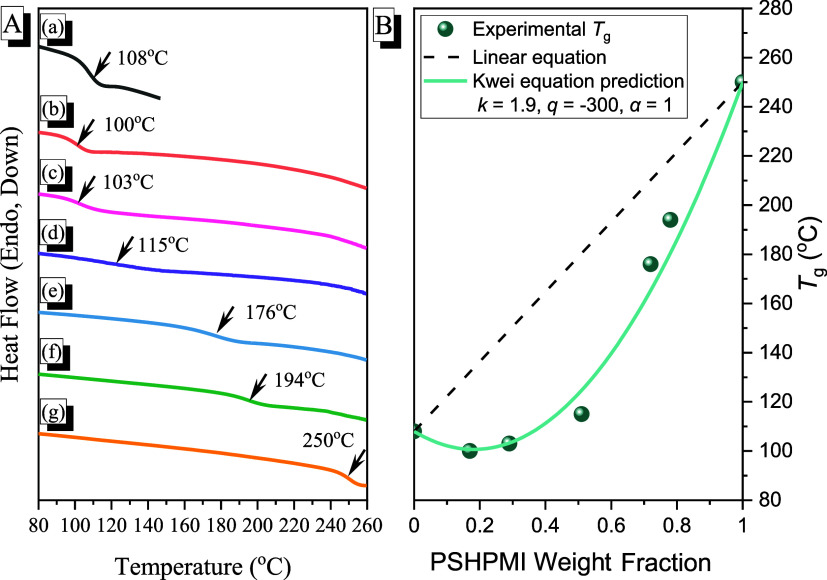 Figure 4
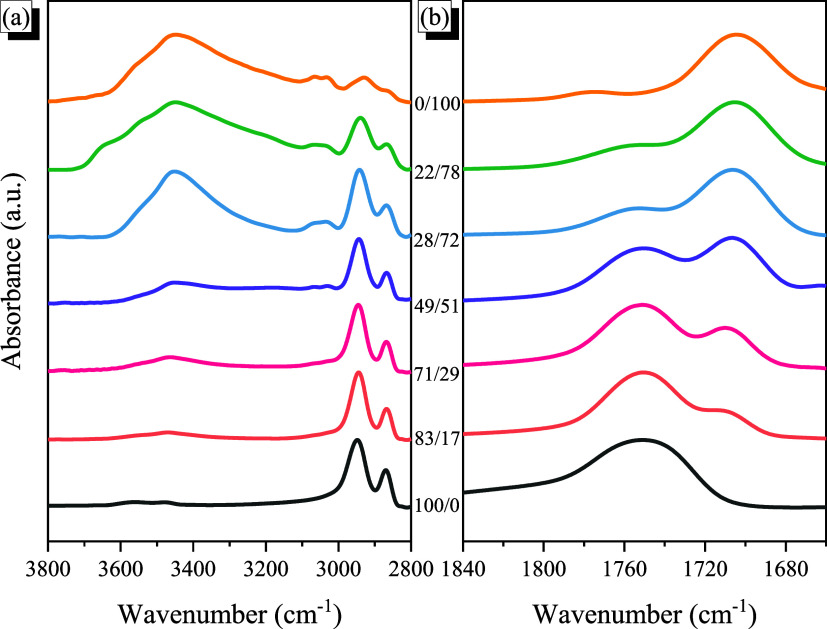 Figure 5
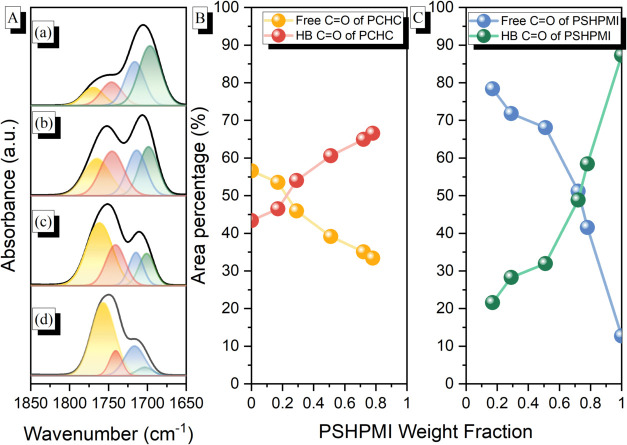 Figure 6
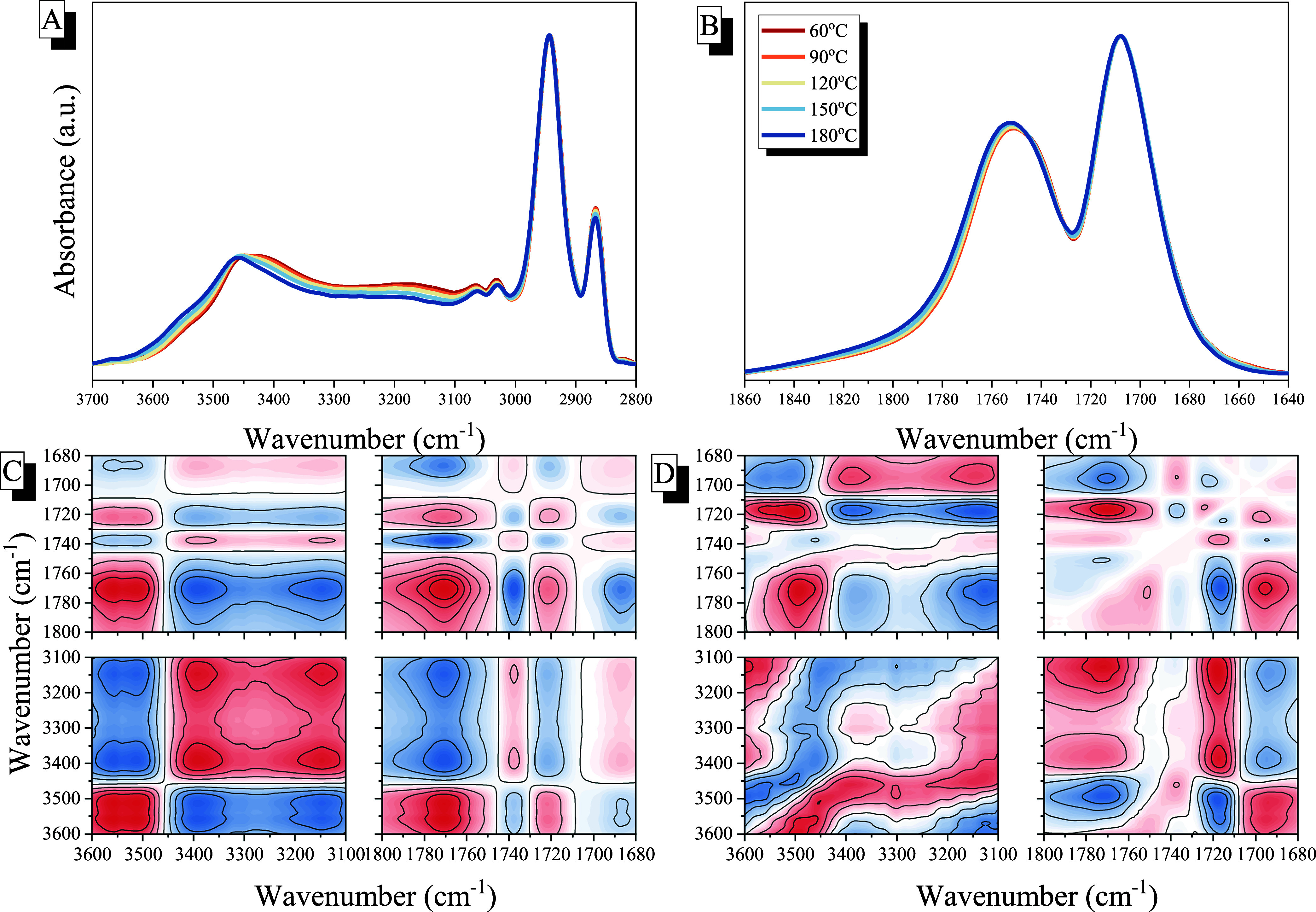 Figure 7
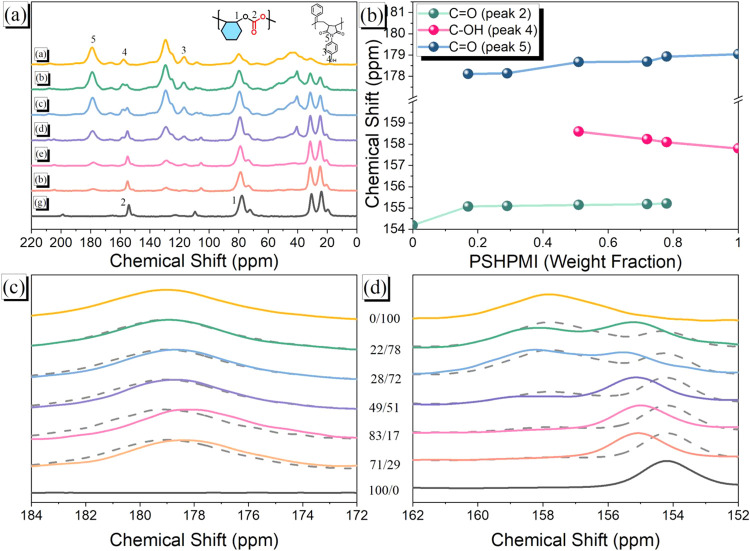 Figure 8
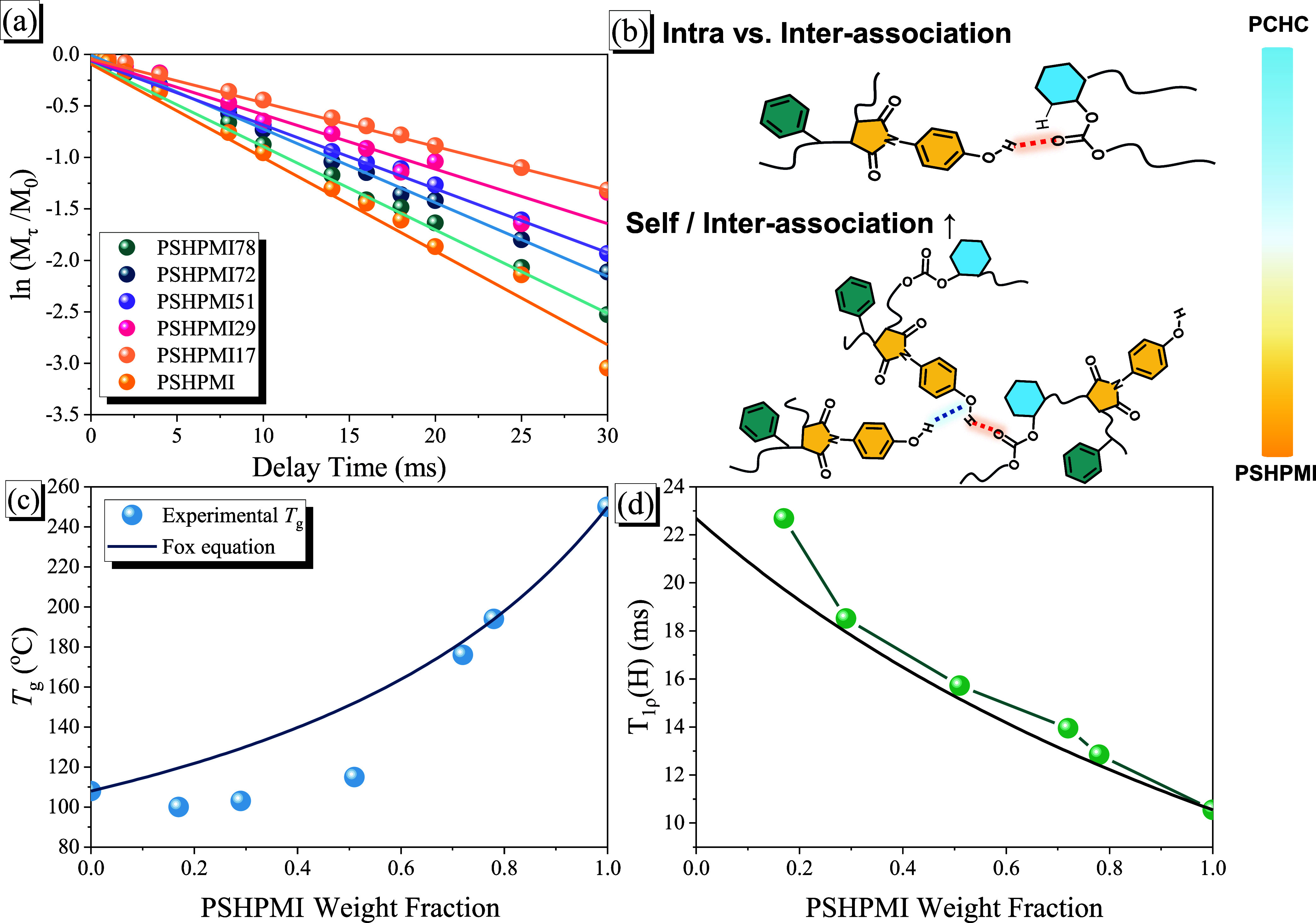 Figure 9
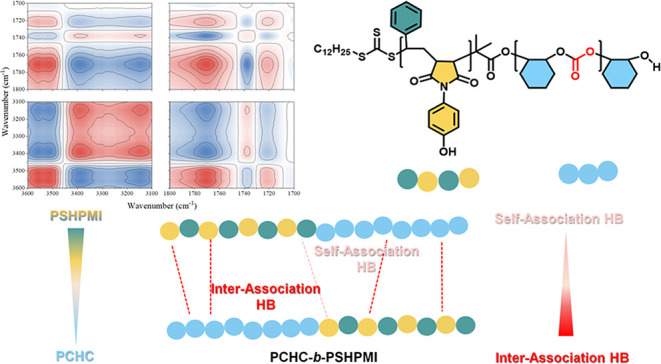 Figure 10
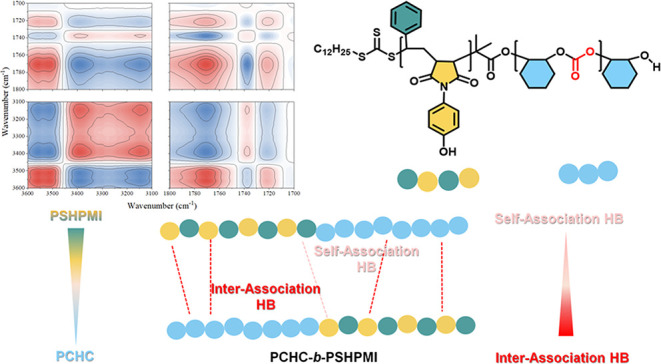 Figure 11
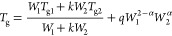 Figure 12
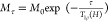 Figure 13
 Figure 14
 Figure 15
Peer Reviews
No public reviews on file for this paper yet. If you reviewed it on a platform where reviews are public (OpenReview, ICLR, NeurIPS, ICML), you can paste yours below so the community can read it here.
Videos
No videos yet. Explain this paper in a talk, walkthrough, or lecture? Add one.
Taxonomy
TopicsCarbon dioxide utilization in catalysis · biodegradable polymer synthesis and properties · Polymer Foaming and Composites