Pseudomonas putida Chemotactic Efficiency toward Naphthalene at a NAPL–Water Interface Decreased under Increasing Shear Flow
Beibei Gao, Rhea Braun, Derek Wu, Roseanne M. Ford

TL;DR
This study shows how fluid flow affects the movement of bacteria toward pollutants, which is important for cleaning up contaminated groundwater.
Contribution
The paper introduces a framework combining experiments and modeling to quantify how shear flow impacts bacterial chemotactic efficiency.
Findings
Bacteria near NAPL interfaces were retained more at low fluid velocities.
Higher flow velocities reduced chemotactic sensitivity and population density near the interface.
Bacterial motion aligned more with flow direction as velocity increased.
Abstract
Chemotactic bacteria have the potential to enhance the bioremediation of nonaqueous phase liquid (NAPL) pollutants by preferentially migrating toward contaminant sources. Although groundwater flow has been shown to influence bacterial chemotaxis, its quantitative influence on intrinsic motility parameters governing chemotactic strategies remains unresolved. Using a T-shaped microfluidic device, mimicking a NAPL droplet trapped within a pore throat, we show that chemotactic bacteria exhibited greater retention near the NAPL interface at low fluid velocities (0.5 m/d and 1 m/d; corresponding wall shear rates of 0.58 and 1.16 s–1, respectively), while both population density and accumulating area declined at higher velocities. Continuum-level simulations of bacterial transport indicated a reduction in the chemotactic sensitivity coefficient χ o by an order of magnitude at flow velocities…
Genes, proteins, chemicals, diseases, species, mutations and cell lines named across the full text — each resolved to its canonical identifier and authoritative record.
Click any figure to enlarge with its caption.
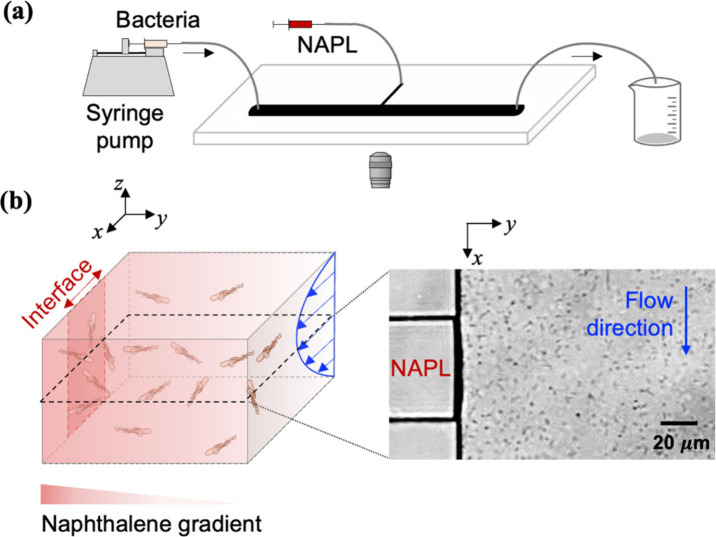 Figure 1
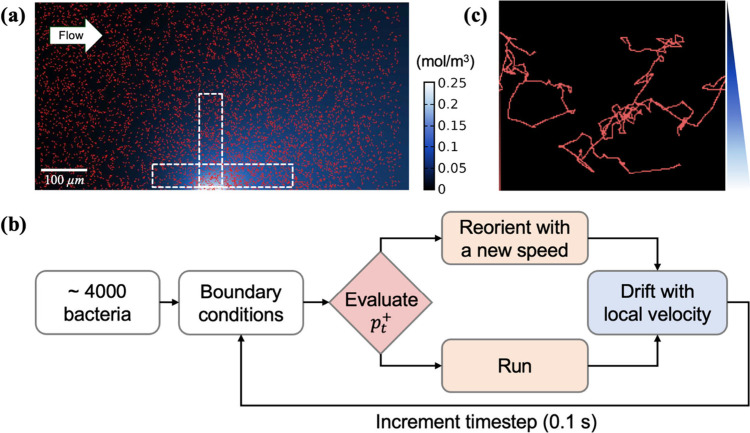 Figure 2
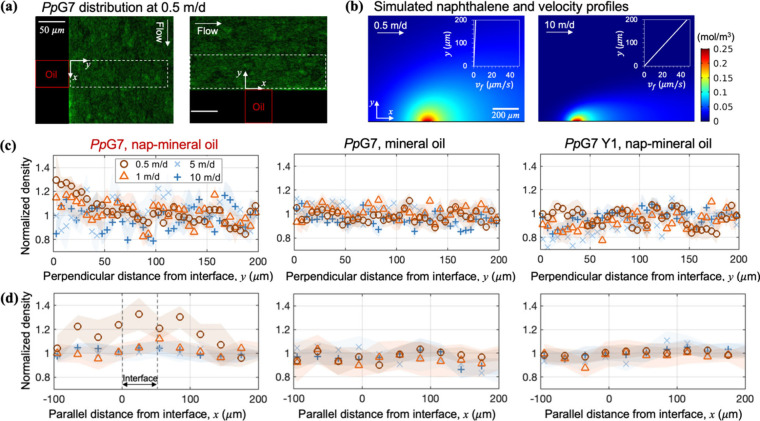 Figure 3
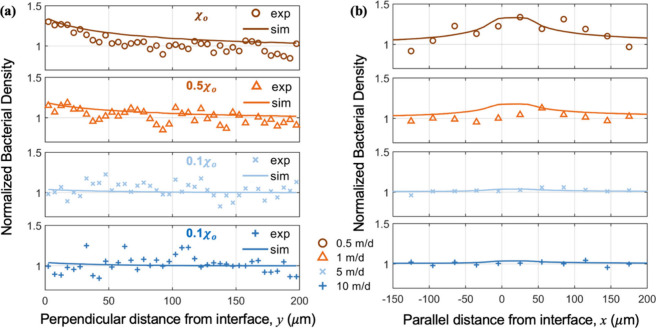 Figure 4
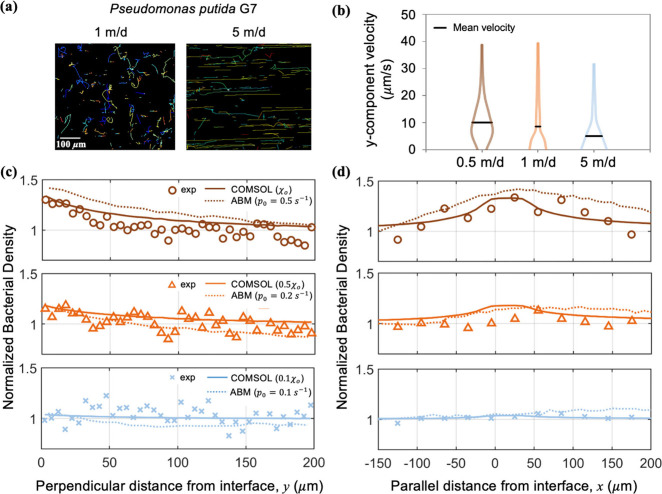 Figure 5
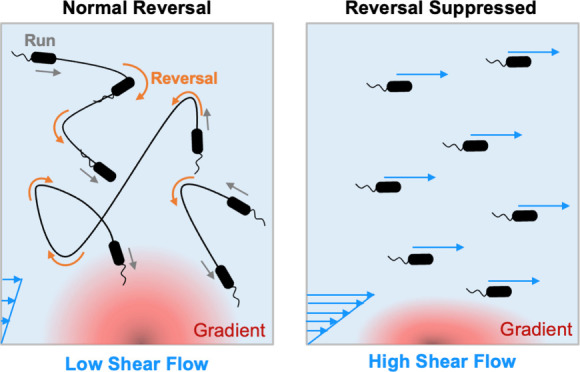 Figure 6
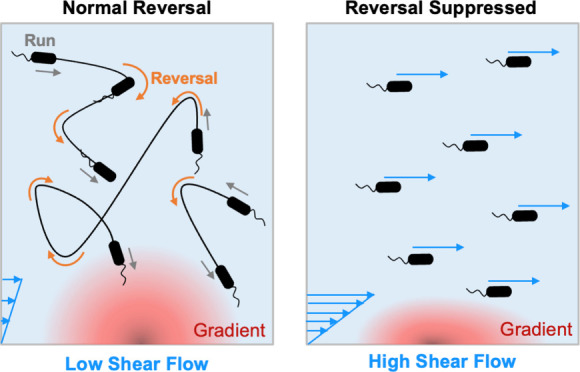 Figure 7
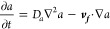 Figure 8
 Figure 9
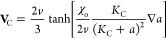 Figure 10
 Figure 11
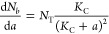 Figure 12
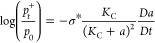 Figure 13
 Figure 14
Peer Reviews
No public reviews on file for this paper yet. If you reviewed it on a platform where reviews are public (OpenReview, ICLR, NeurIPS, ICML), you can paste yours below so the community can read it here.
Videos
No videos yet. Explain this paper in a talk, walkthrough, or lecture? Add one.
Taxonomy
TopicsBacterial biofilms and quorum sensing · Fecal contamination and water quality · Slime Mold and Myxomycetes Research