Broad Epigenetic Shifts in the Aging Drosophila Retina Contribute to Its Altered Diurnal Rhythmic Transcriptome
Sarah E. McGovern, Gaoya Meng, Makayla N. Marlin, Sophia A. Pruitt, Vikki M. Weake

TL;DR
Aging in fruit flies causes widespread changes in retinal gene activity rhythms, linked to epigenetic shifts like altered chromatin and H3K4 methylation.
Contribution
Identifies broad epigenetic changes in aging Drosophila retinas that correlate with altered rhythmic gene expression.
Findings
About 40% of genes in aging Drosophila photoreceptors show altered rhythmic expression.
Aging decreases genome-wide H3K4 methylation levels, correlating with gene expression phase shifts.
Reducing H3K4 methylation in young photoreceptors mimics aging-related rhythmic gene expression changes.
Abstract
Alterations in biological rhythms are a common feature of aging, and disruption of circadian rhythms can exacerbate age‐associated pathologies. The retina is critical for detecting light for both vision and for transmitting time‐of‐day information to the brain, synchronizing rhythms throughout the body. Disruption of circadian rhythms by manipulating the molecular clock leads to premature retinal degeneration in flies and mice, and gene expression rhythms are altered in models of age‐associated ocular disease. Despite this, it is unknown how or why the gene expression rhythms of the retina change with age. Here, we show that ~70% of the Drosophila transcriptome is rhythmically expressed throughout the diurnal cycle, with ~40% of genes showing altered rhythms with age. These transcriptome‐wide changes in aging photoreceptors are accompanied by shifts in the rhythmic patterns of RNA…
Genes, proteins, chemicals, diseases, species, mutations and cell lines named across the full text — each resolved to its canonical identifier and authoritative record.
Click any figure to enlarge with its caption.
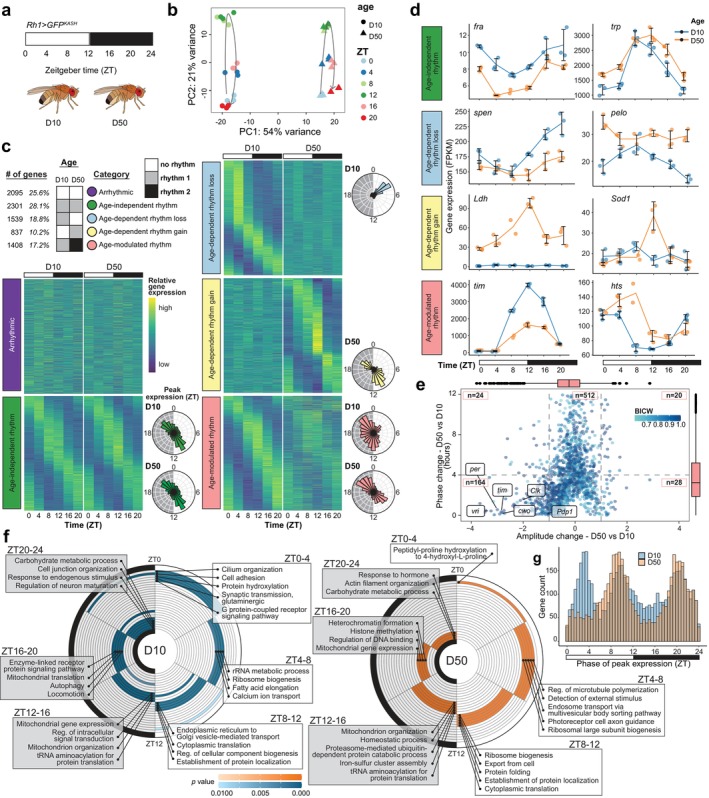 Figure 1
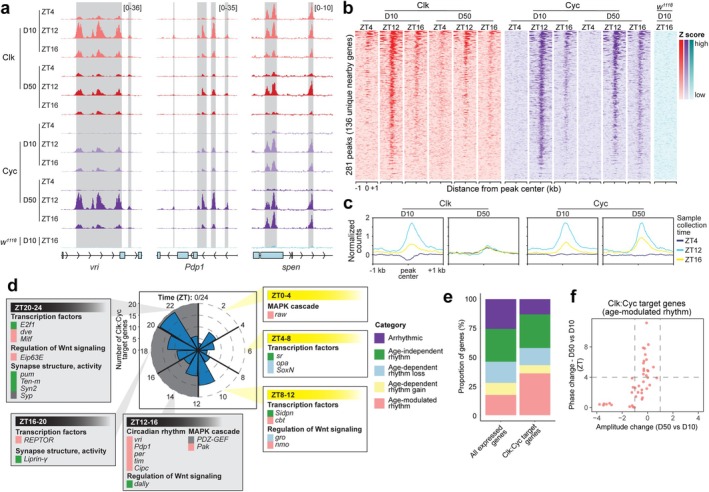 Figure 2
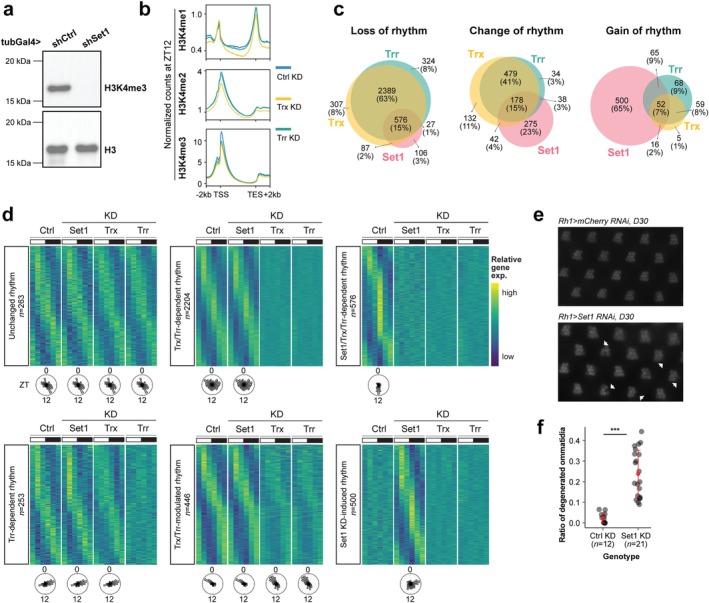 Figure 3
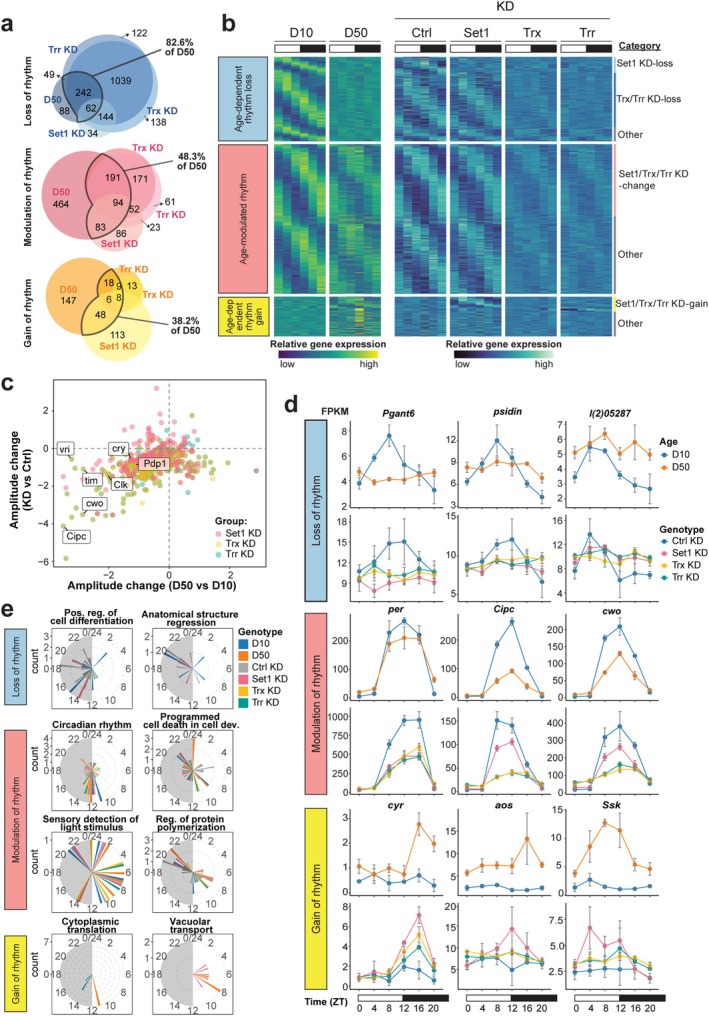 Figure 4
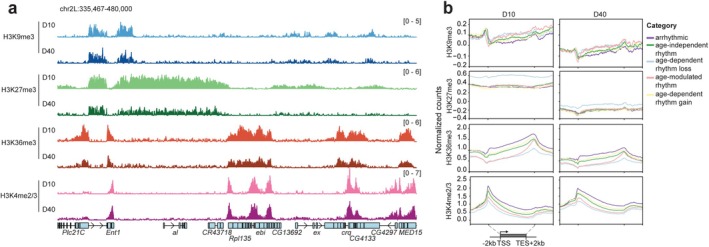 Figure 5
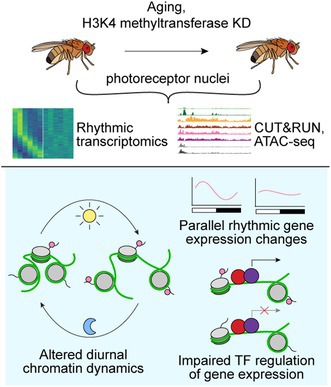 Figure 6
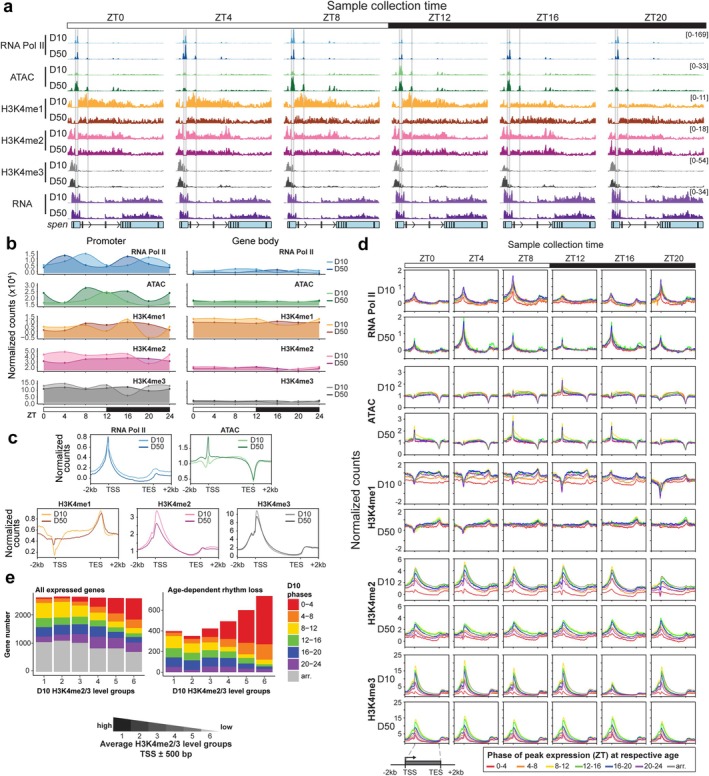 Figure 7
Peer Reviews
No public reviews on file for this paper yet. If you reviewed it on a platform where reviews are public (OpenReview, ICLR, NeurIPS, ICML), you can paste yours below so the community can read it here.
Videos
No videos yet. Explain this paper in a talk, walkthrough, or lecture? Add one.
Taxonomy
TopicsCircadian rhythm and melatonin · Retinal Development and Disorders · Neurobiology and Insect Physiology Research