Design, Synthesis, and Evaluation of Naphthyl Pyrazino‐Pyrido‐Pyrimidinones Targeting the Phosphoinositide 3‐Kinase/Alpha‐Serine/Protein Kinase B/Mammalian Target of Rapamycin Pathway
Marcelo F. Marchiori, Gabriel da Silva, Daniel F. Kawano, Andréia M. Leopoldino, Enrique Madruga, Ana Martinez, Ivone Carvalho

TL;DR
This study develops new compounds that target a key cancer pathway, showing strong antitumor effects in several cancer cell lines.
Contribution
The paper introduces a novel scaffold of naphthyl pyrazino-pyrido-pyrimidinones with potent and selective antitumor activity.
Findings
Compounds 3 and 4 inhibited 85–94% of cancer cell growth with high tumor selectivity.
The compounds induced G1 cell cycle arrest and modulated key proteins in the PI3K/AKT/mTOR pathway.
Molecular docking and biological assays confirmed their antitumor potential and pathway inhibition.
Abstract
Cancer remains a leading global cause of death and a major public health concern, with rising incidence and mortality rates. Current treatments are often limited by tumor complexity and heterogeneity, emphasizing the need for novel, targeted, and personalized therapies. Aberrant activation of the phosphoinositide 3‐kinase/alpha‐serine/protein kinase B/mammalian target of rapamycin (PI3K/AKT/mTOR) pathway plays a key role in cancer development, making it an attractive therapeutic target. In this study, we performed in silico and in vitro analyses to assess the antitumor potential of two pyrazino‐pyrido[2,3‐d]pyrimidine‐5,7‐dione Series (A and B) across various cancer cell lines, focusing on possible PI3K/AKT/mTOR inhibition. Guided by these results, we designed a new Series (C) with a fixed C‐9 naphthyl group and variable C‐6 substitutions. The compounds were synthesized via an optimized…
Genes, proteins, chemicals, diseases, species, mutations and cell lines named across the full text — each resolved to its canonical identifier and authoritative record.
Click any figure to enlarge with its caption.
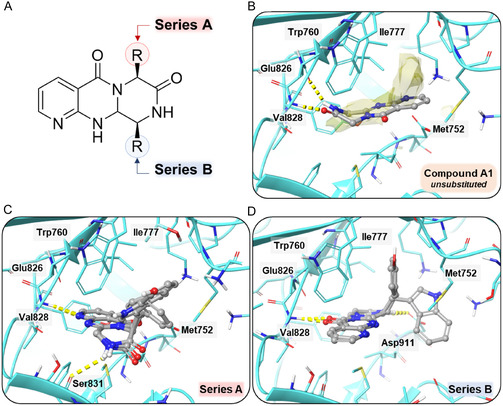 Figure 1
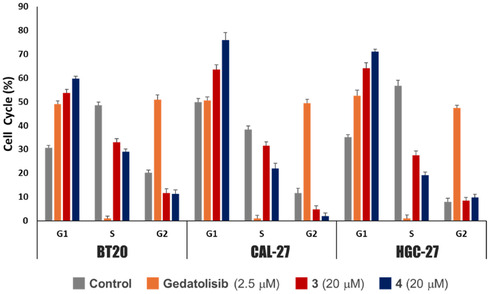 Figure 2
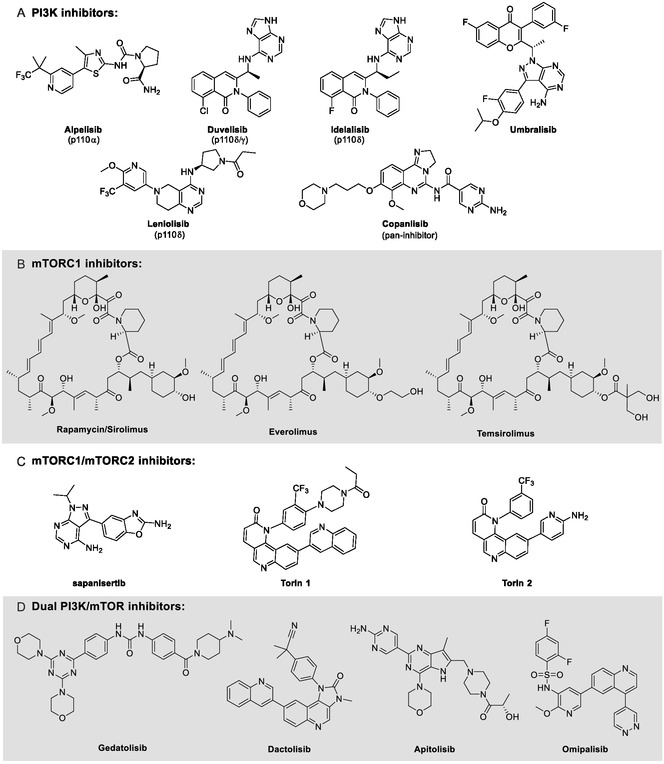 Figure 3
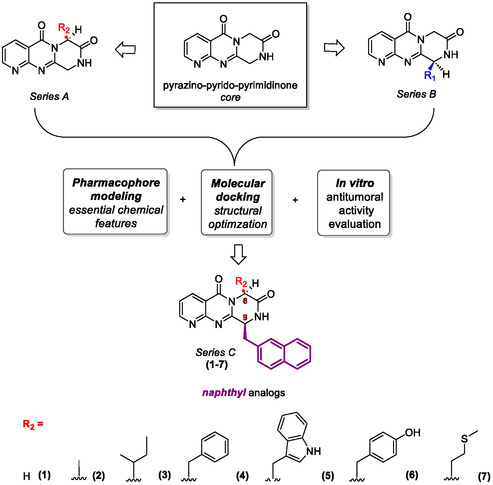 Figure 4
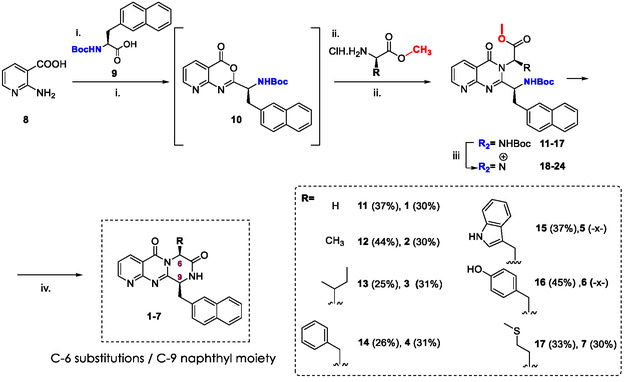 Figure 5
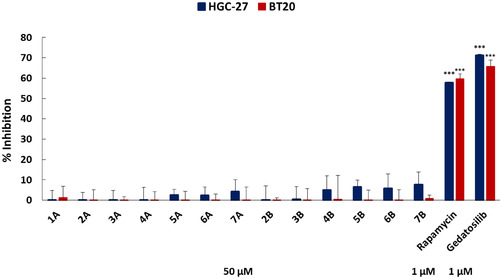 Figure 6
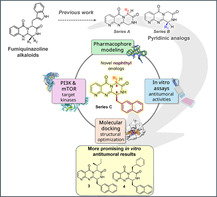 Figure 7
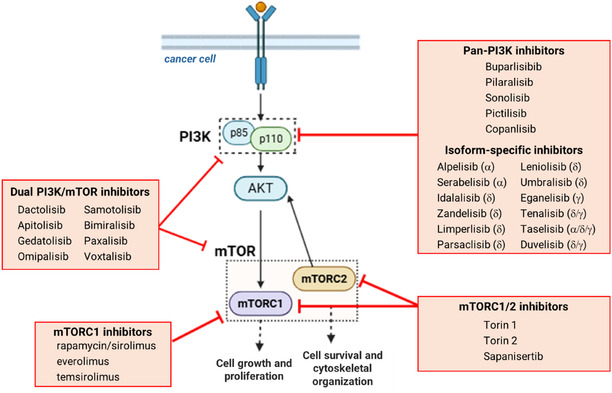 Figure 8
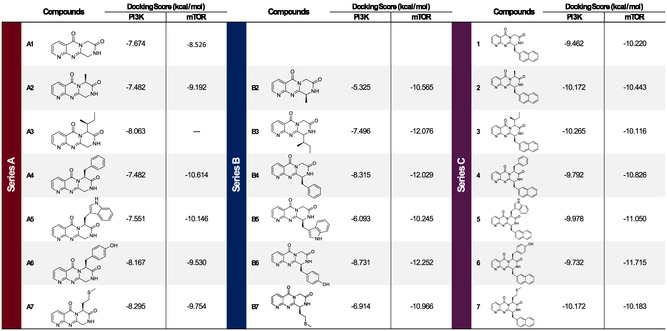 Figure 9
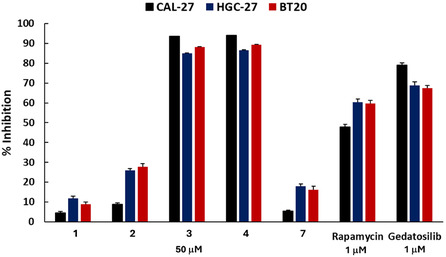 Figure 10
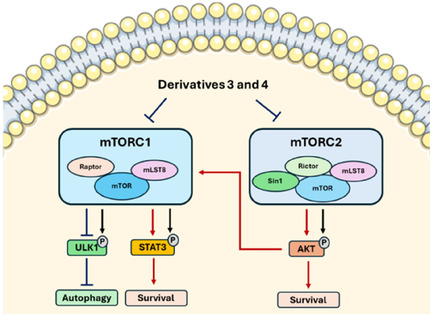 Figure 11
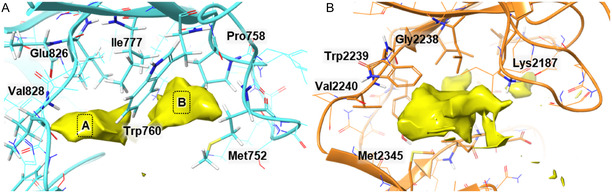 Figure 12
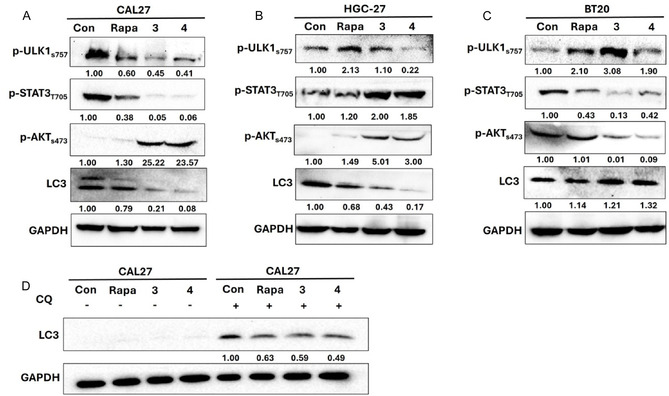 Figure 13
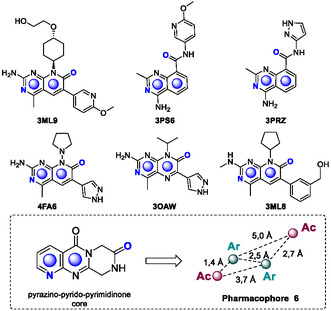 Figure 14
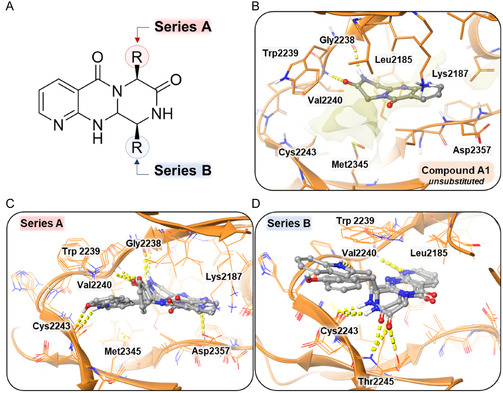 Figure 15
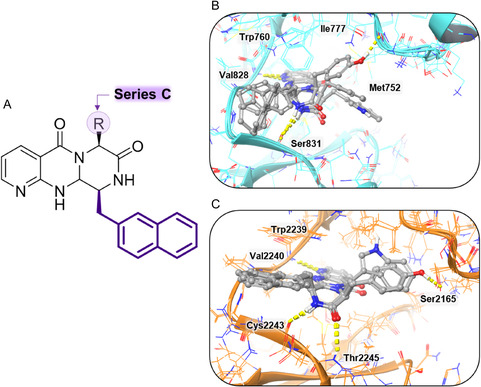 Figure 16
Peer Reviews
No public reviews on file for this paper yet. If you reviewed it on a platform where reviews are public (OpenReview, ICLR, NeurIPS, ICML), you can paste yours below so the community can read it here.
Videos
No videos yet. Explain this paper in a talk, walkthrough, or lecture? Add one.
Taxonomy
TopicsPI3K/AKT/mTOR signaling in cancer · Cytokine Signaling Pathways and Interactions · Protein Tyrosine Phosphatases