Spontaneous tauopathy with parkinsonism in an aged cynomolgus macaque
Mirai Takahashi, Daisuke Taniguchi, Manabu Funayama, Ettore Cioffi, Shusei Fukuyama, Takuya Ito, Toshi Nakajima, Ko Tsuyama, Yuanzhe Li, Satoshi Ishiko, Satomi Chiken, Asuka Nakajima, Taku Hatano, Yoshikazu Tasaki, Kazuko Hasegawa, Yasushi Shimo, Atsushi Nambu, Nobutaka Hattori

TL;DR
An aged cynomolgus macaque developed spontaneous tau-related brain changes and parkinson-like symptoms, offering a rare natural model for studying human tauopathies.
Contribution
First detailed case of spontaneous tauopathy with parkinsonism in an aged cynomolgus macaque, linking tau pathology to neurological symptoms.
Findings
Monkey T showed progressive neurological symptoms including tremors and posture issues, with no overt dopaminergic system degeneration.
Extensive phosphorylated tau accumulation was found in the brainstem tegmentum, including neurofibrillary tangles and astrocytic inclusions.
Monkey T had a 1.3-fold increase in 4R tau expression compared to the asymptomatic control, with balanced 3R/4R tau in the control.
Abstract
Aged non-human primates have been reported to develop tau pathology; however, most studies lack evidence of any associated neurological symptoms. To determine whether spontaneous tauopathy in cynomolgus macaques manifests with neurological symptoms, we evaluated a symptomatic aged monkey (Monkey T) alongside an asymptomatic control (Monkey A). Two male cynomolgus macaques, aged 33–34 years old at the time of necropsy, were examined. They were evaluated using comprehensive behavioral, pathological, and genetic analyses. Monkey T exhibited progressive neurological symptoms for approximately two years prior to euthanasia, including tremors, nuchal dystonia, and a flexed posture, whereas Monkey A showed no abnormalities. Monkey T demonstrated persistent tremors (6.9 ± 0.7 Hz) and reduced daily motor activity, with modest improvement following L-DOPA administration. Neuropathological…
Genes, proteins, chemicals, diseases, species, mutations and cell lines named across the full text — each resolved to its canonical identifier and authoritative record.
Click any figure to enlarge with its caption.
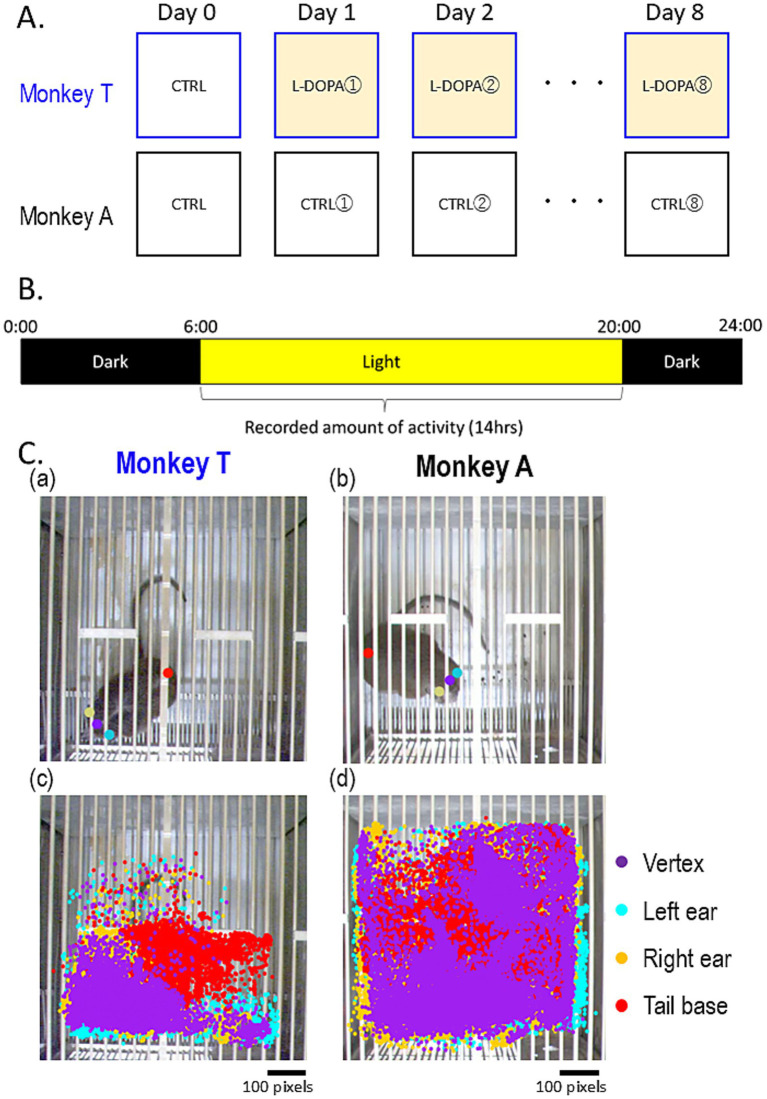 Figure 1
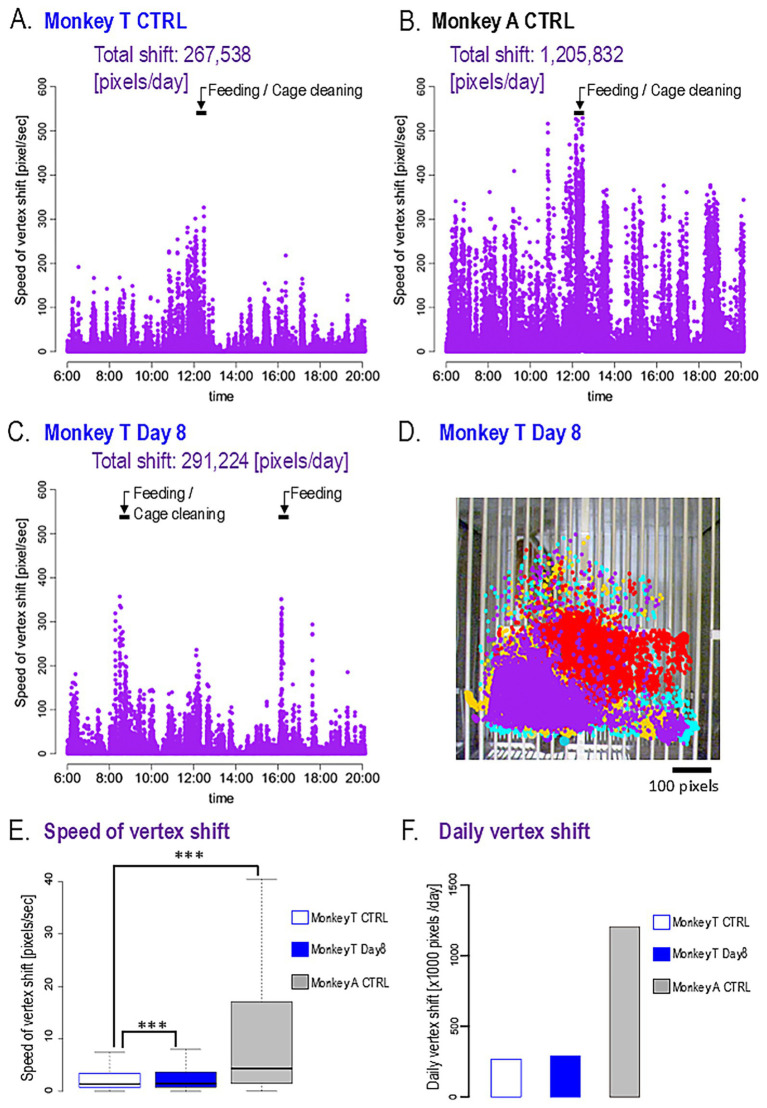 Figure 2
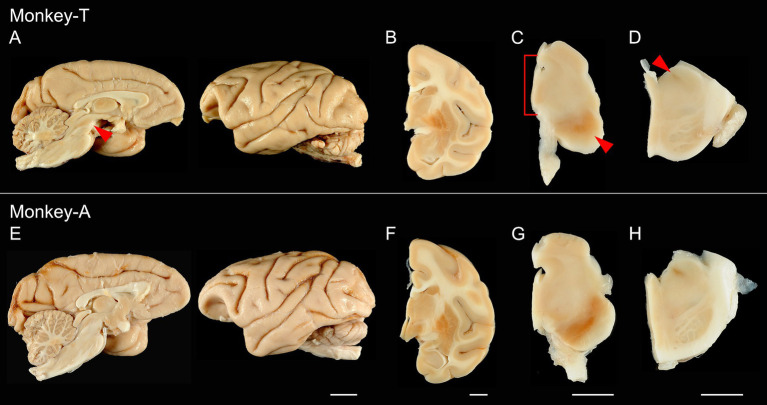 Figure 3
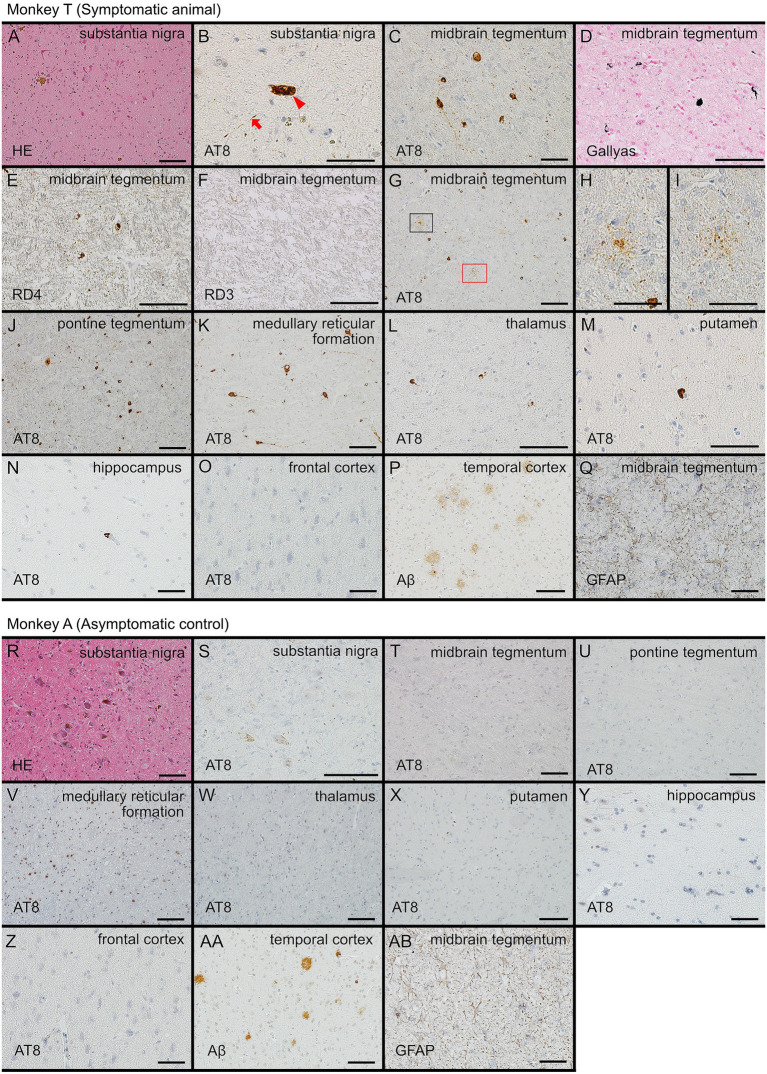 Figure 4
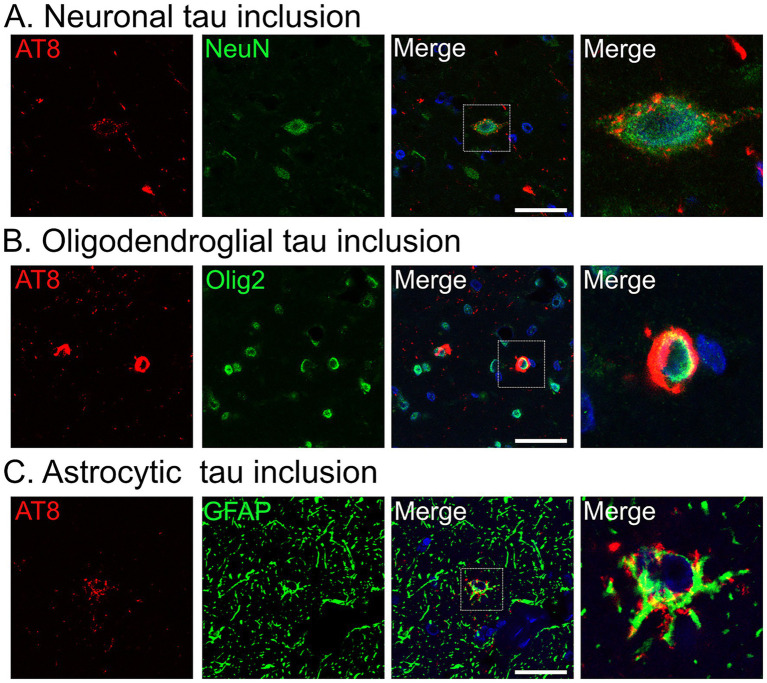 Figure 5
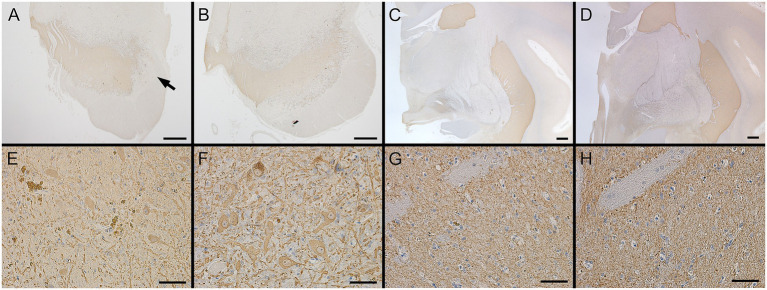 Figure 6
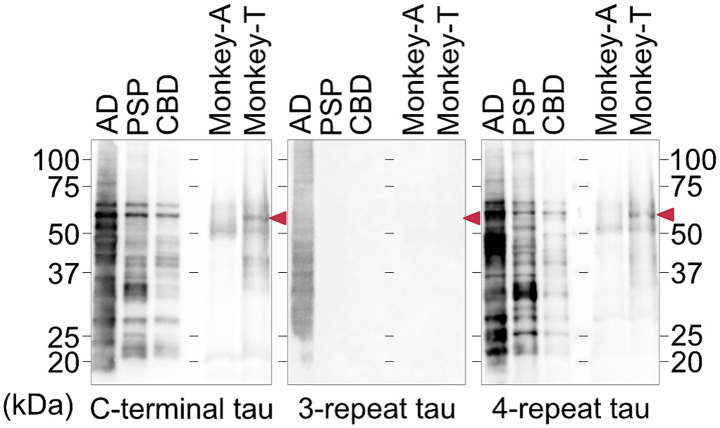 Figure 7
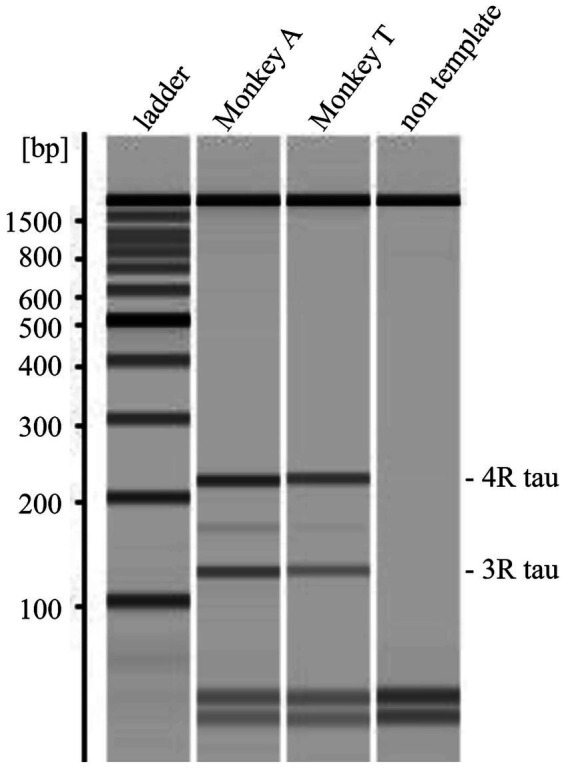 Figure 8
Peer Reviews
No public reviews on file for this paper yet. If you reviewed it on a platform where reviews are public (OpenReview, ICLR, NeurIPS, ICML), you can paste yours below so the community can read it here.
Videos
No videos yet. Explain this paper in a talk, walkthrough, or lecture? Add one.
Taxonomy
TopicsAlzheimer's disease research and treatments · Neurological diseases and metabolism · Parkinson's Disease Mechanisms and Treatments