Cost-Effective Multi-Channel MolOrbImage for Machine-Learned Excited-State Properties of Practical Photofunctional Materials
Ziyong Chen, Jonathan Lam, Vivian Wing-Wah Yam

TL;DR
This paper introduces a cost-effective method to predict excited-state energies of photofunctional materials using machine learning and multi-channel molecular orbital images.
Contribution
The novel approach uses low-cost orbital approximations to enable efficient and accurate predictions of excited-state properties.
Findings
The model achieves MAE < 0.1 eV for small organic molecules and MAE < 0.14 eV for practical photofunctional materials.
Frontier orbital energies are identified as crucial for accurate predictions through perturbation analysis.
Transfer learning is proposed to further reduce prediction errors in excited-state energy calculations.
Abstract
Leveraging our recent development, which incorporates hole and particle information into the multi-channel molecular orbital image (MolOrbImage), to generate exceptional accuracy (mean absolute error, MAE < 0.1 eV) in predicting excited-state energies of practical photofunctional materials containing several hundred atoms, we have advanced the implementation of a new approach to overcome the high computational cost of mean-field ground-state calculations that limits its application in high-throughput materials discovery. In this work, low-cost approaches for generating approximate orbitals, including the superposition of atomic densities technique and the semiempirical tight-binding method, have been employed to construct cost-effective multi-channel MolOrbImages. By connecting with a convolutional neural network, the performance of our model is evaluated for both small organic…
Genes, proteins, chemicals, diseases, species, mutations and cell lines named across the full text — each resolved to its canonical identifier and authoritative record.
Click any figure to enlarge with its caption.
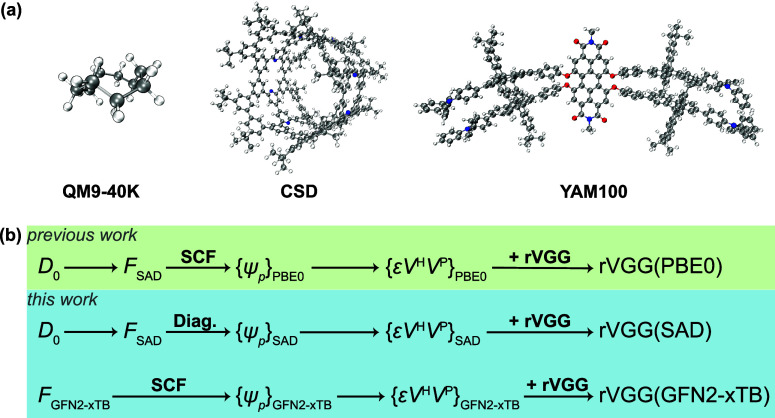 Figure 1
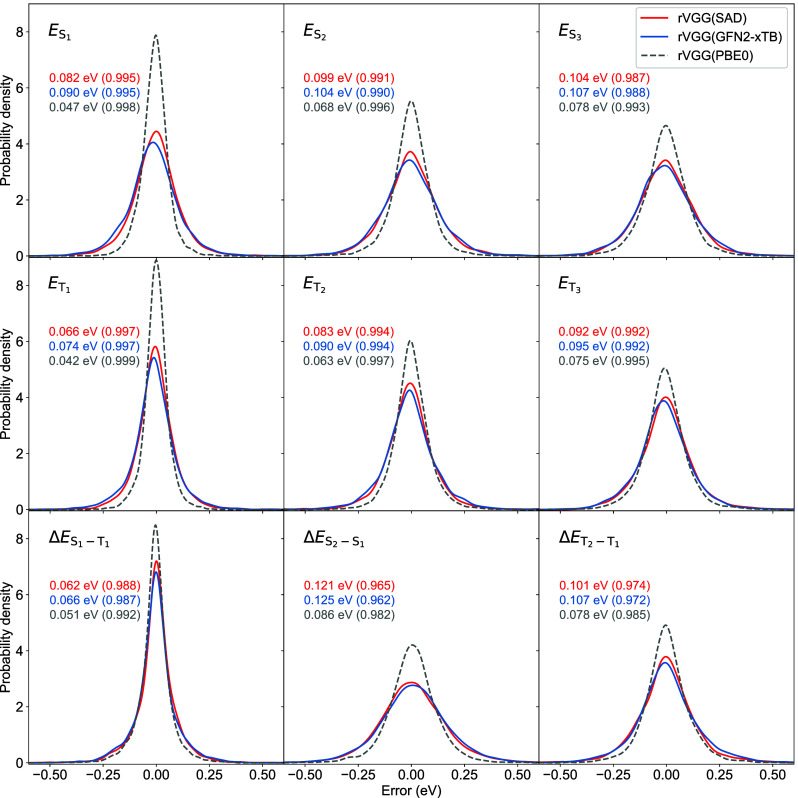 Figure 2
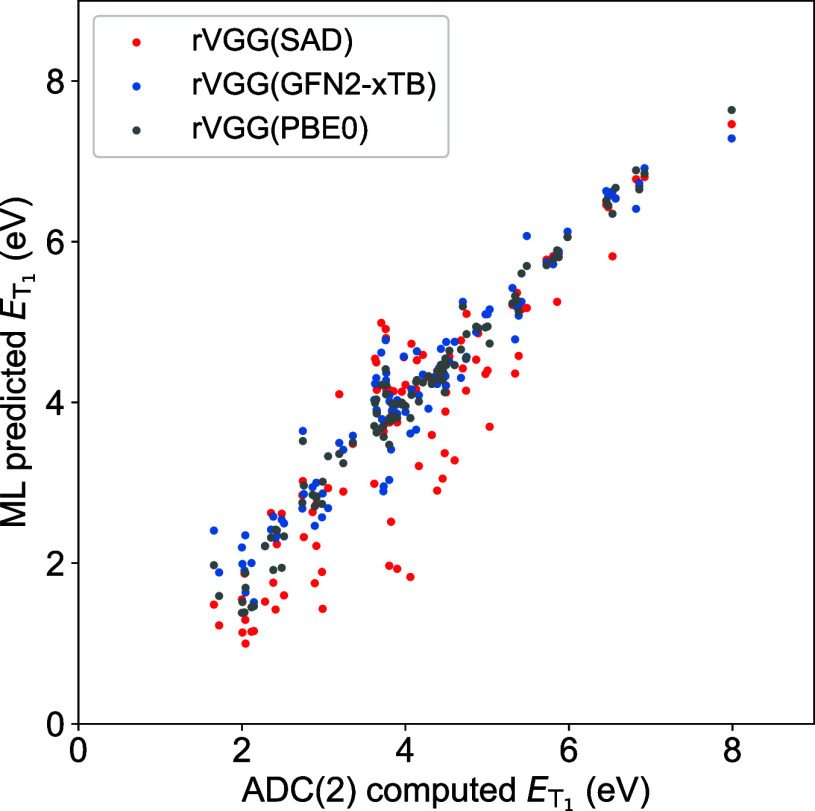 Figure 3
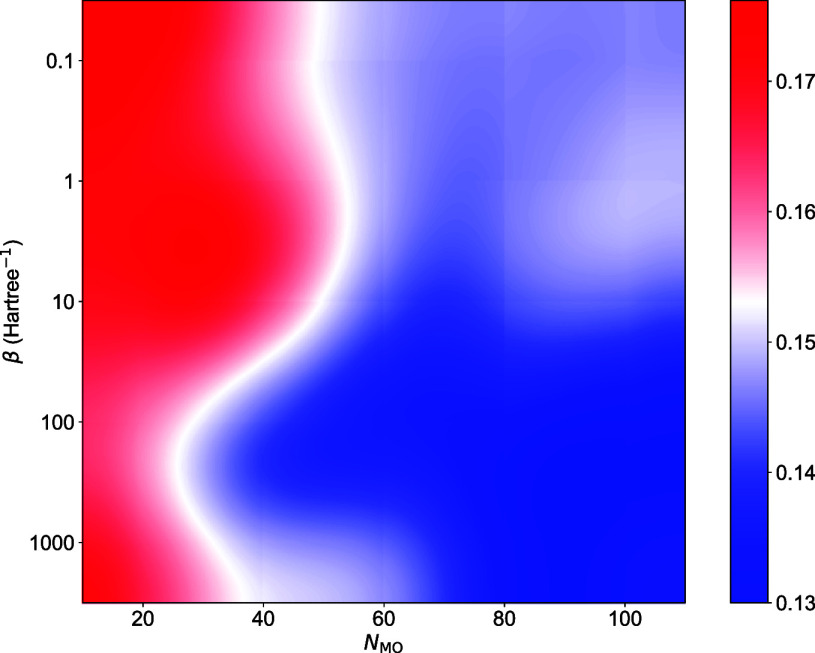 Figure 4
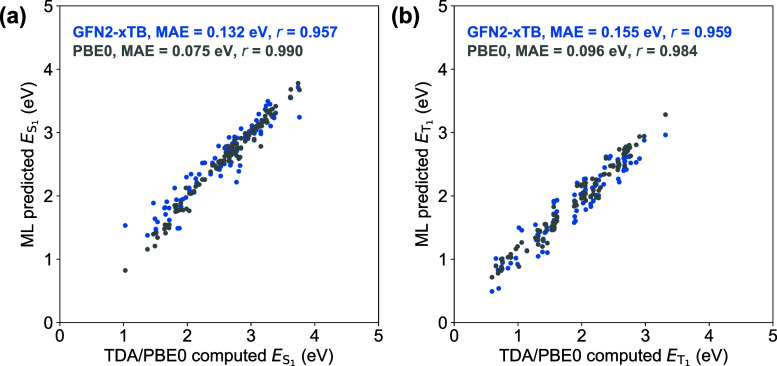 Figure 5
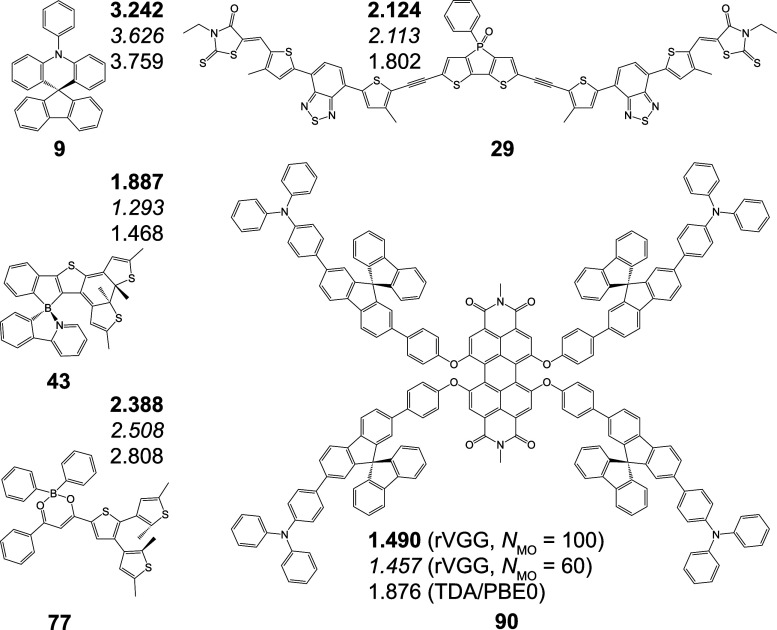 Figure 6
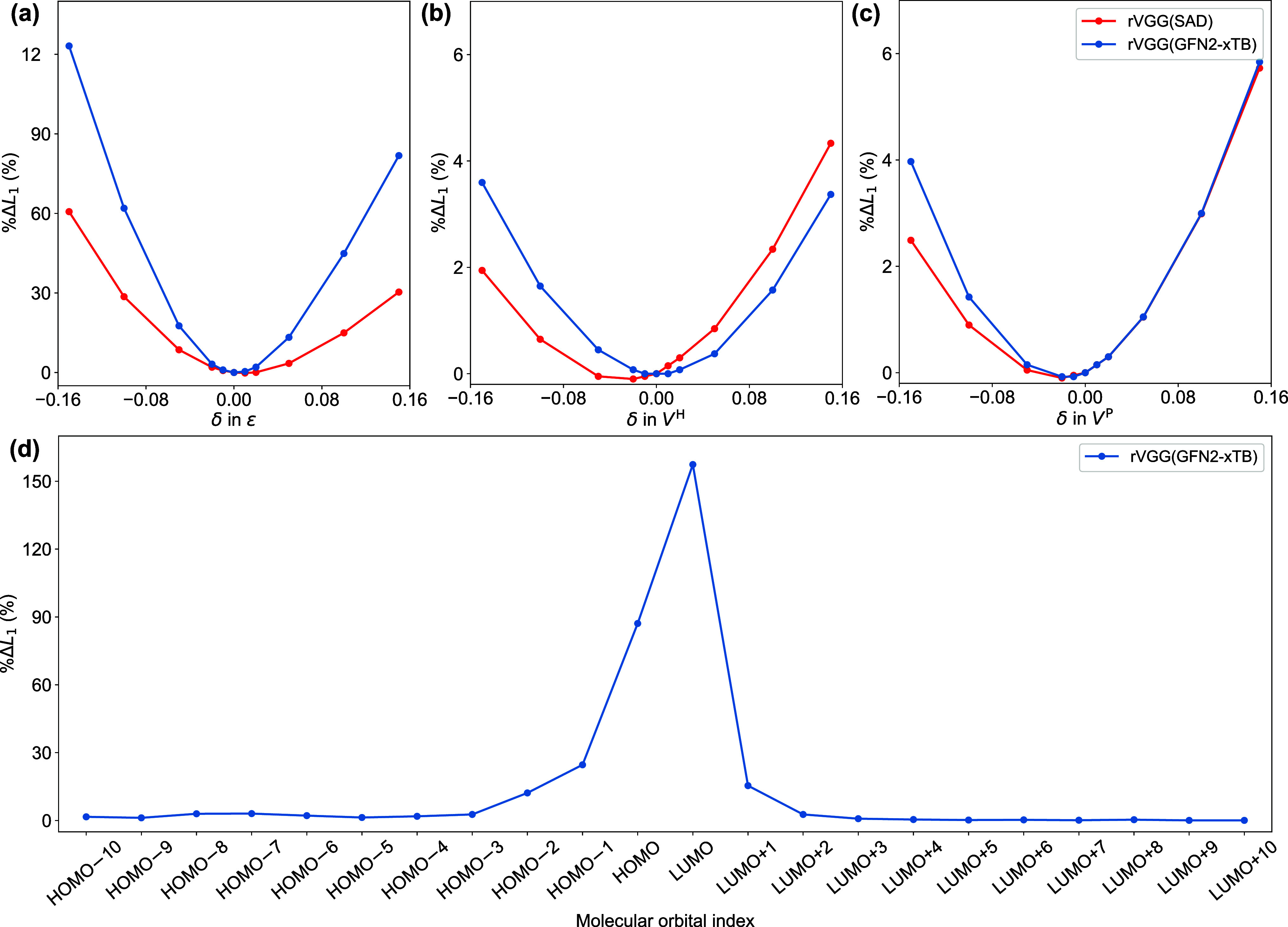 Figure 7
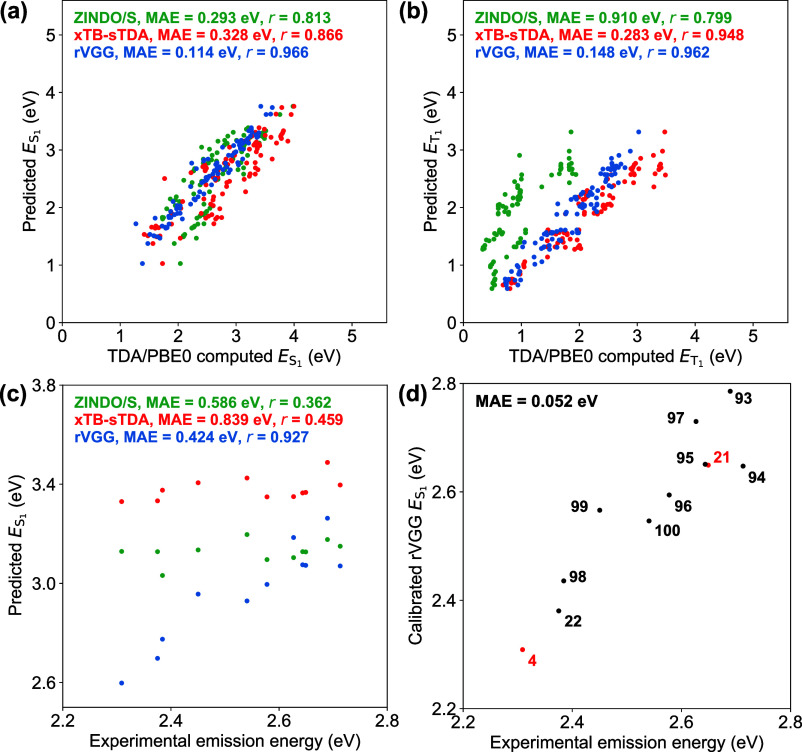 Figure 8
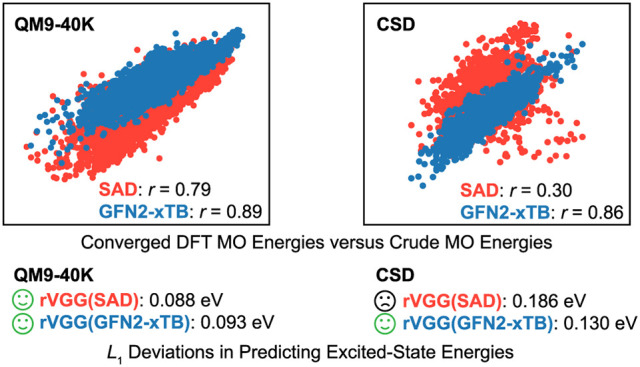 Figure 9
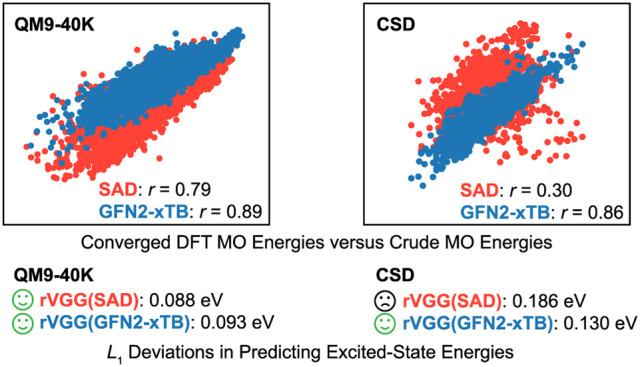 Figure 10
 Figure 11
 Figure 12
 Figure 13
 Figure 14
 Figure 15
 Figure 16
 Figure 17
 Figure 18
 Figure 19
 Figure 20
 Figure 21
 Figure 22
 Figure 23
 Figure 24
 Figure 25
 Figure 26
 Figure 27
 Figure 28
 Figure 29
 Figure 30
 Figure 31
 Figure 32
 Figure 33
 Figure 34
 Figure 35
 Figure 36
 Figure 37
 Figure 38
 Figure 39
 Figure 40
 Figure 41
 Figure 42
 Figure 43
 Figure 44
 Figure 45
 Figure 46
 Figure 47
 Figure 48
 Figure 49
 Figure 50
Peer Reviews
No public reviews on file for this paper yet. If you reviewed it on a platform where reviews are public (OpenReview, ICLR, NeurIPS, ICML), you can paste yours below so the community can read it here.
Videos
No videos yet. Explain this paper in a talk, walkthrough, or lecture? Add one.
Taxonomy
TopicsMachine Learning in Materials Science · Advanced Chemical Physics Studies · Synthesis and Properties of Aromatic Compounds