Analytical Nuclear Gradients for the Multiconfigurational Self-Consistent Field Method Coupled with the Polarizable Fluctuating Charges Model
Francesco Mazza, Marco Trinari, Chiara Sepali, Chiara Cappelli

TL;DR
This paper introduces a new method combining quantum and classical models to accurately simulate how aromatic molecules interact with water.
Contribution
The novel contribution is deriving analytical nuclear gradients for the MCSCF/FQ model and validating its use in simulating vibronic spectra.
Findings
Analytical nuclear gradients were successfully derived and implemented in OpenMolcas.
The MCSCF/FQ model accurately reproduced experimental vibronic spectra of benzene and phenol in water.
The method captures both solute flexibility and solvent dynamics in simulations.
Abstract
The multiscale model combining the multiconfigurational self-consistent field (MCSCF) method with the fully atomistic polarizable Fluctuating Charges (FQ) force field (Sepali, C.; et al. J. Chem. Theory Comput. 2024, 20, 9954–9967) is here extended to the calculation of analytical nuclear gradients. The gradients are derived from first-principles, implemented in the OpenMolcas package, and validated against numerical references. The resulting MCSCF/FQ nuclear gradients are employed to simulate vibronic absorption spectra of aromatic molecules in aqueous solution, namely benzene and phenol. By integrating this approach with molecular dynamics simulations, both solute conformational flexibility and the dynamical aspects of solvation are properly captured. The computed spectra reproduce experimental profiles and relative band intensities with remarkable accuracy, demonstrating the…
Genes, proteins, chemicals, diseases, species, mutations and cell lines named across the full text — each resolved to its canonical identifier and authoritative record.
Click any figure to enlarge with its caption.
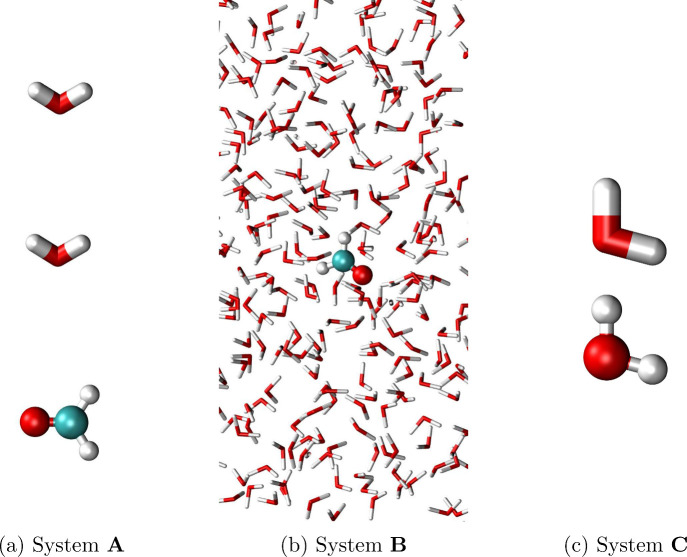 Figure 1
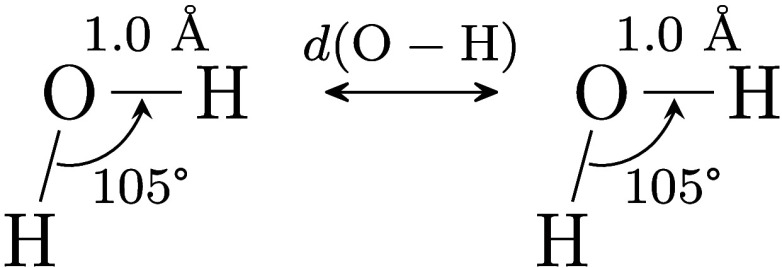 Figure 2
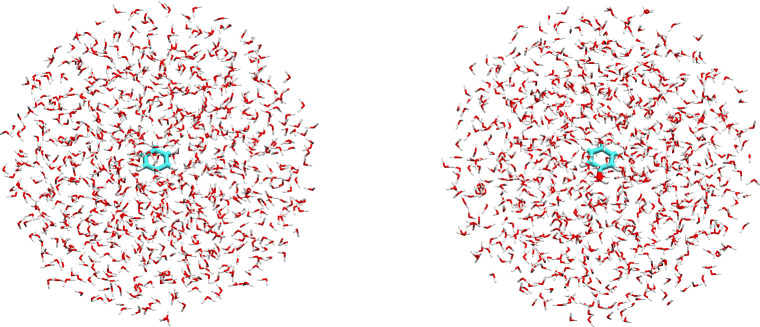 Figure 3
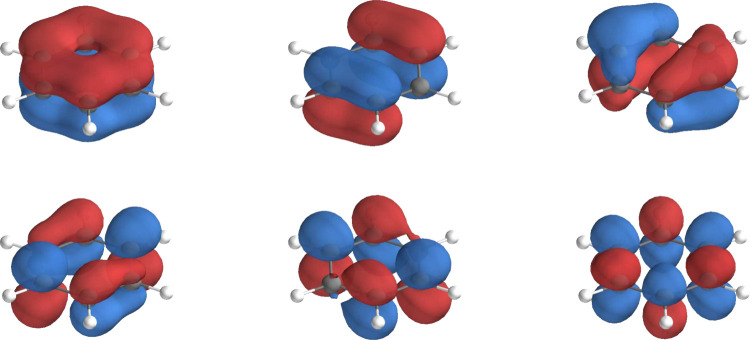 Figure 4
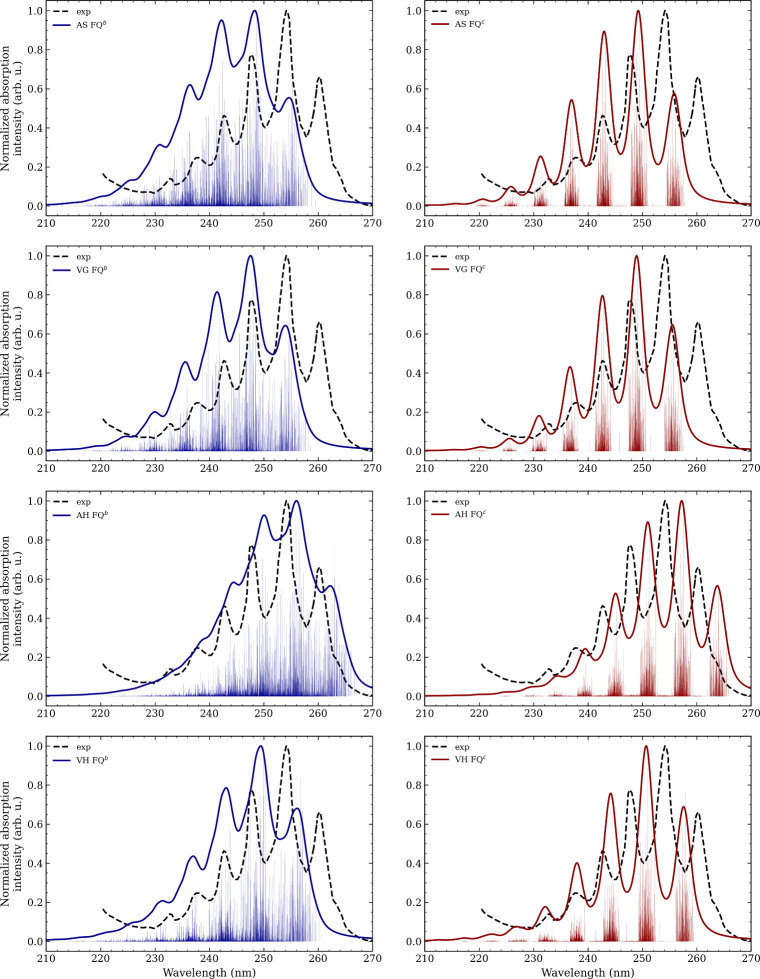 Figure 5
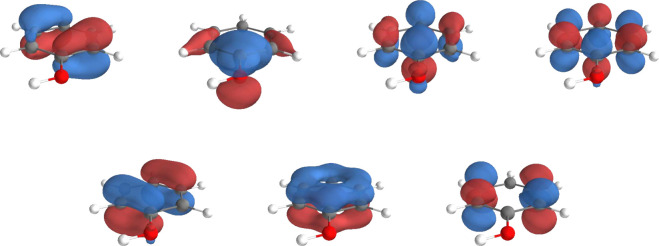 Figure 6
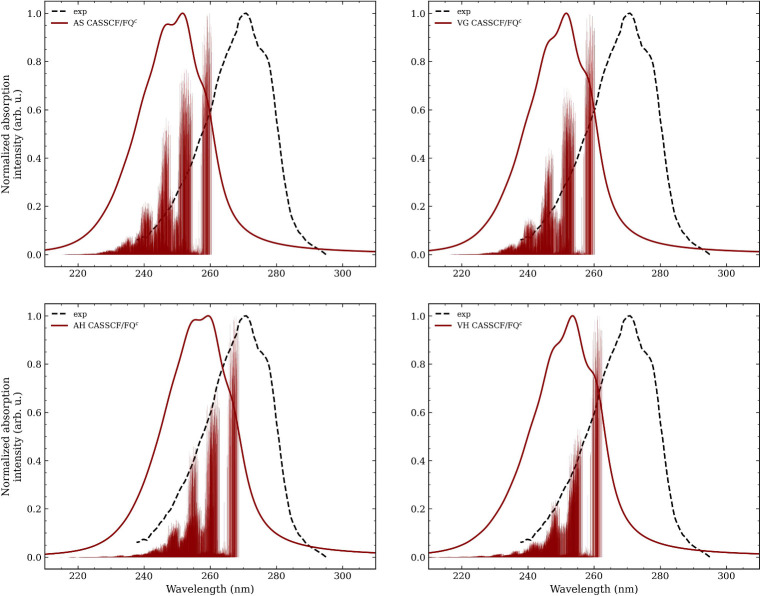 Figure 7
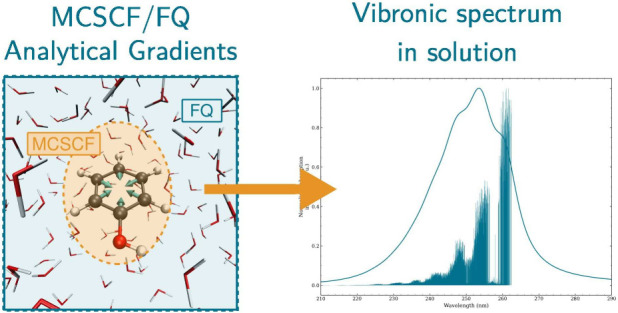 Figure 8
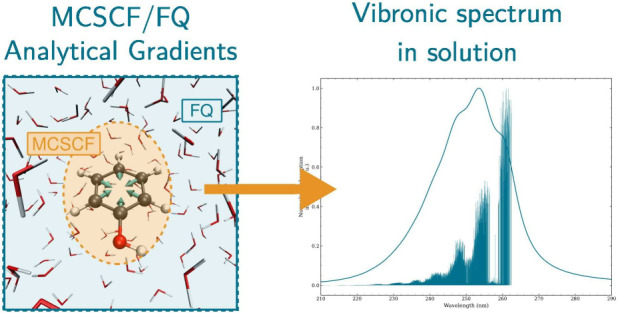 Figure 9
 Figure 10
 Figure 11
 Figure 12
 Figure 13
 Figure 14
 Figure 15
 Figure 16
 Figure 17
 Figure 18
 Figure 19
 Figure 20
 Figure 21
 Figure 22
 Figure 23
 Figure 24
 Figure 25
 Figure 26
 Figure 27
 Figure 28
 Figure 29
 Figure 30
 Figure 31
 Figure 32
 Figure 33
 Figure 34
 Figure 35
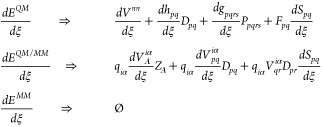 Figure 36
 Figure 37
 Figure 38
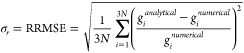 Figure 39
 Figure 40
 Figure 41
Peer Reviews
No public reviews on file for this paper yet. If you reviewed it on a platform where reviews are public (OpenReview, ICLR, NeurIPS, ICML), you can paste yours below so the community can read it here.
Videos
No videos yet. Explain this paper in a talk, walkthrough, or lecture? Add one.
Taxonomy
TopicsSpectroscopy and Quantum Chemical Studies · Photochemistry and Electron Transfer Studies · Molecular spectroscopy and chirality