Improvement of the Thermoelectric Power Factor of ZnO Using Ionic Liquids
Md Mahmudur Rahman, Lourdes Márquez-García, Guillem Montaña-Mora, Ke Xiao, Mauricio Solis-de la Fuente, Sergio Castro-Ruiz, Sébastien Fantini, Andreu Cabot, Jorge García-Cañadas

TL;DR
Researchers improved the thermoelectric performance of ZnO by using ionic liquids, which increased electrical conductivity without significantly affecting the Seebeck coefficient.
Contribution
A novel method to enhance the thermoelectric power factor of ZnO using ionic liquids, specifically 1-butyl-3-methylimidazolium iodide.
Findings
Combining Ag–ZnO with BMII ionic liquid increased electrical conductivity by 70.2% with minimal change in Seebeck coefficient.
This led to a 1.46 times improvement in the thermoelectric power factor.
Electron injection from iodide ions in BMII increased carrier concentration in ZnO.
Abstract
Thermoelectric (TE) materials are able to convert heat into electricity. Since many heat sources are available in our sourroundings (e.g., body heat, sun, domestic heat), thermoelectricity have drawn significant interest for energy harvesting. The power factor (PF = S 2σ, being S and σ the Seebeck coefficient and the electrical conductivity, respectively) and the thermal conductivity are key parameters to assess materials’ performance. Our group reported a few years ago a concept to significantly improve the PF. It was based on the combination of a porous TE solid with a liquid electrolyte. PF improvements above 3 times were achieved when Sb-doped SnO2 was used as the solid. However, despite this substantially high PF enchancement, not very high PFs were reached due to the modest TE properties of Sb/SnO2. Here, we aim at introducing similar PF improvements in a high-performance porous…
Genes, proteins, chemicals, diseases, species, mutations and cell lines named across the full text — each resolved to its canonical identifier and authoritative record.
Click any figure to enlarge with its caption.
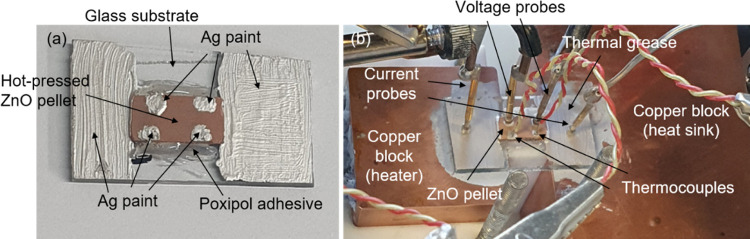 Figure 1
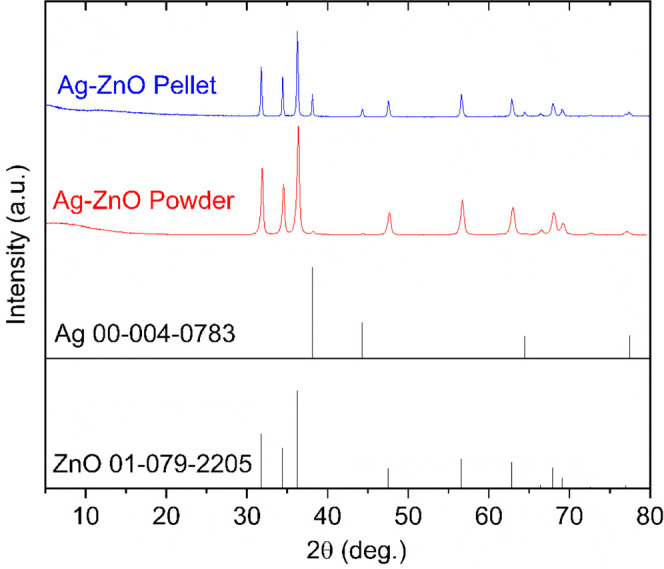 Figure 2
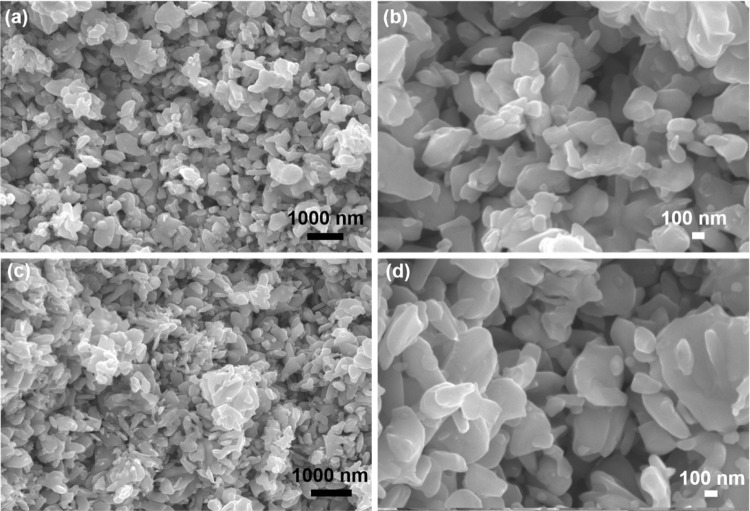 Figure 3
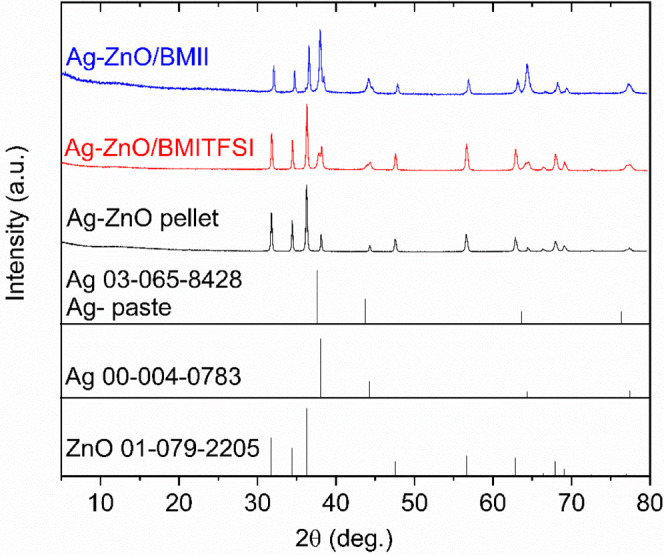 Figure 4
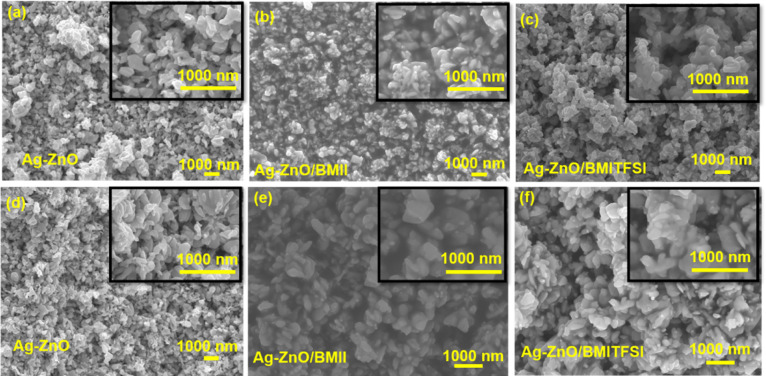 Figure 5
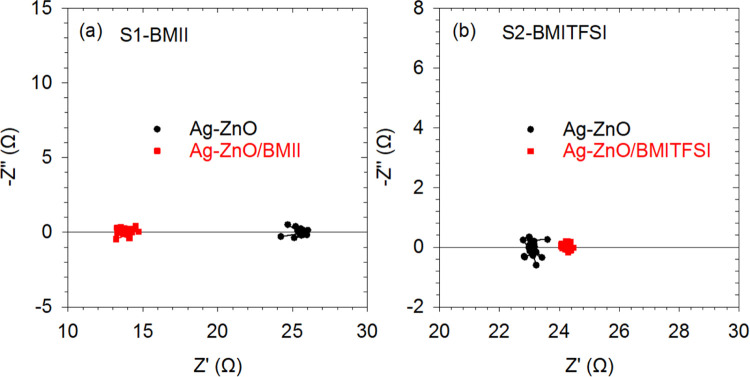 Figure 6
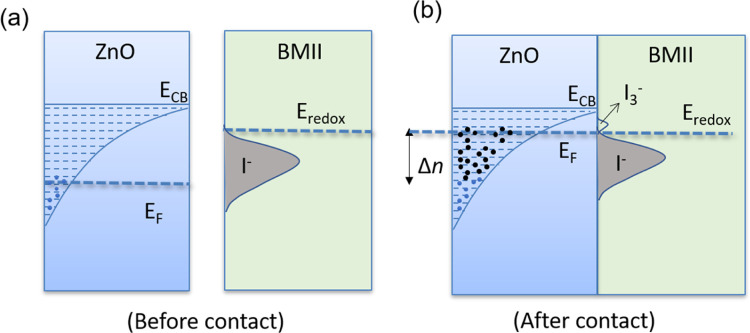 Figure 7
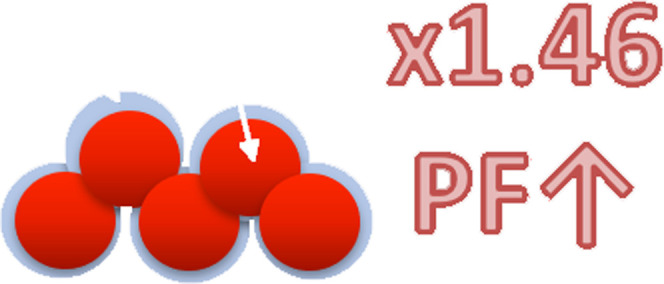 Figure 8
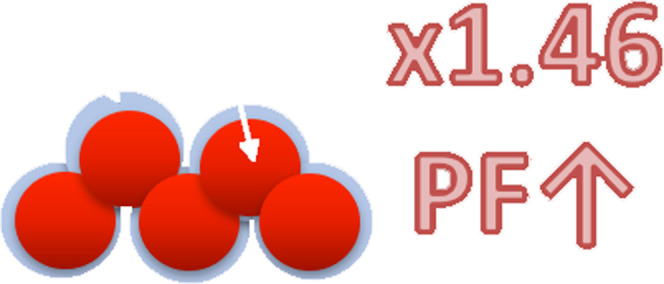 Figure 9
Peer Reviews
No public reviews on file for this paper yet. If you reviewed it on a platform where reviews are public (OpenReview, ICLR, NeurIPS, ICML), you can paste yours below so the community can read it here.
Videos
No videos yet. Explain this paper in a talk, walkthrough, or lecture? Add one.
Taxonomy
TopicsAdvanced Thermoelectric Materials and Devices · Gas Sensing Nanomaterials and Sensors · Advanced Sensor and Energy Harvesting Materials