Global epidemiology of azole resistance in Aspergillus fumigatus
Anneke Fengler, Oliver Bader, Oliver Cornely, Oliver Kurzai, Jacques F Meis, Florent Morio, Axel Hamprecht

TL;DR
This paper reviews the global spread of azole-resistant Aspergillus fumigatus, a fungus causing disease in humans, and highlights the mutations and regions affected.
Contribution
The paper provides a comprehensive global overview of azole resistance in A. fumigatus and identifies key mutations and data gaps.
Findings
Azole-resistant A. fumigatus isolates with mutations like TR34/L98H and TR46/Y121F/T289A are widespread globally.
Resistance has been found on all continents except Antarctica.
Single point mutations like M220I and G54R are also prevalent in various regions.
Abstract
The fungus Aspergillus fumigatus has evolved as an important cause of opportunistic fungal diseases in humans worldwide. It is the most frequent filamentous fungus colonizing the airways of patients with cystic fibrosis and can affect immunocompetent as well as immunocompromised individuals. Aspergillus disease is commonly treated with azoles, which inhibit lanosterol 14α-demethylase, a key component of the ergosterol biosynthesis pathway, essential for membrane integrity and fluidity. Lanosterol 14α-demethylase is encoded by the CYP51A gene. Azole-resistant A. fumigatus isolates often show amino acid substitutions in Cyp51A. Most prevalent mutations have a tandem repeat (TR) in the promoter and point mutations in the gene (e.g. TR34/L98H and TR46/Y121F/T289A). In addition to TRs, isolates with single point mutations developed and are widespread around the world (e.g. M220I, G54R). To…
Genes, proteins, chemicals, diseases, species, mutations and cell lines named across the full text — each resolved to its canonical identifier and authoritative record.
Click any figure to enlarge with its caption.
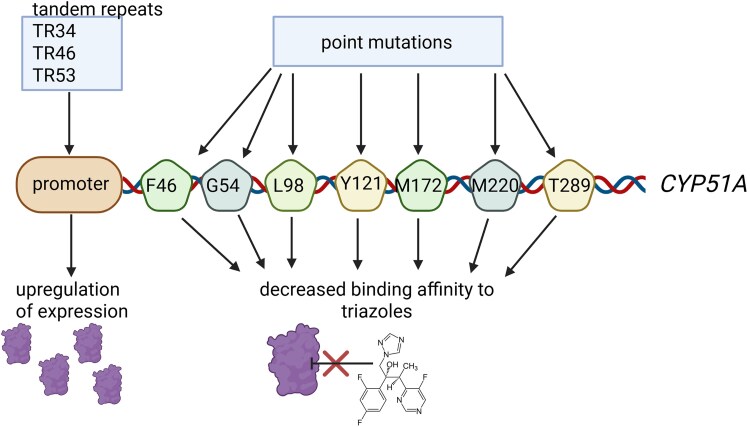 Figure 1
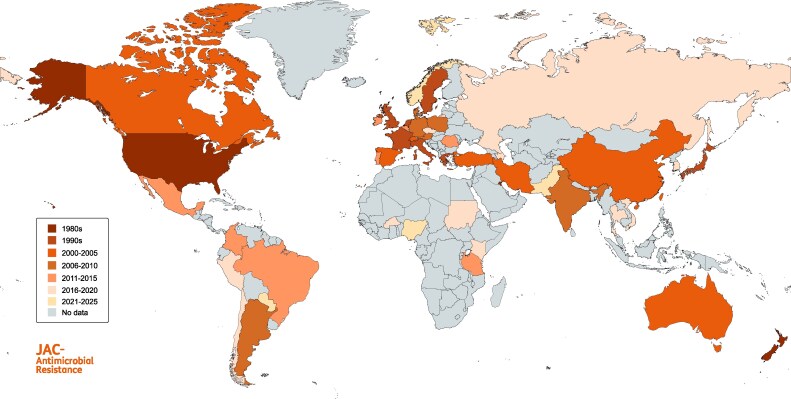 Figure 2
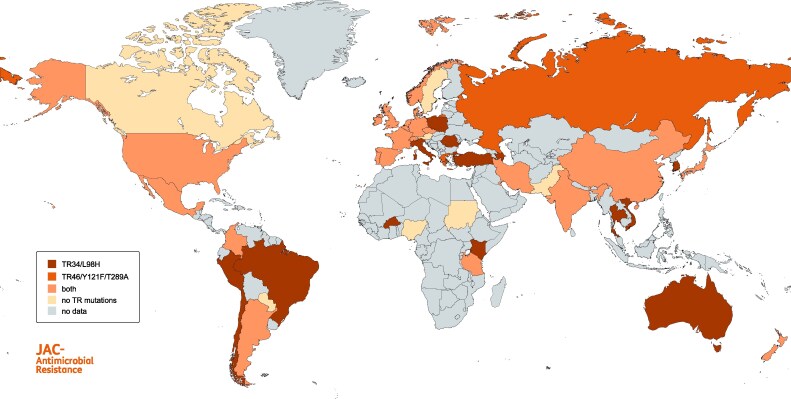 Figure 3
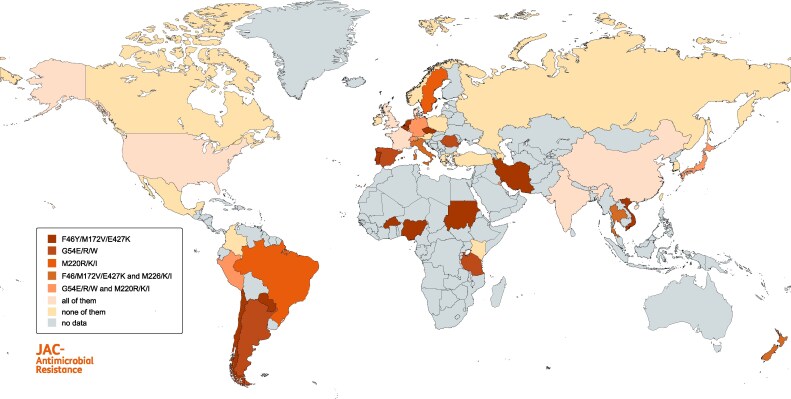 Figure 4
Peer Reviews
No public reviews on file for this paper yet. If you reviewed it on a platform where reviews are public (OpenReview, ICLR, NeurIPS, ICML), you can paste yours below so the community can read it here.
Videos
No videos yet. Explain this paper in a talk, walkthrough, or lecture? Add one.
Taxonomy
TopicsAntifungal resistance and susceptibility · Fungal Infections and Studies · Infectious Diseases and Mycology