Comparative Evaluation of Follicular Flushing Frequency and Scraping Time During Ovum Pick‐Up in Mares: Effects on Oocyte Recovery Rate and Technical Considerations
Adrián Márquez‐Moya, Nerea Carreras‐Vico, Laura Sala‐Ayala, Rebeca Martínez‐Boví, Juan Cuervo‐Arango

TL;DR
This study compares different techniques for collecting eggs from horses and finds that multiple flushes don't significantly improve recovery rates but use more resources.
Contribution
The study provides a comparative evaluation of follicular flushing and scraping techniques during egg collection in horses.
Findings
Multiple flushes did not significantly improve oocyte recovery rates compared to single flushes in both ex vivo and in vivo models.
Multiple flushes used significantly more flushing medium per follicle in the ex vivo model.
Continuous scraping without repeated flushing may increase operator fatigue and the risk of clot formation.
Abstract
Transvaginal ultrasound‐guided follicular aspiration or ovum pick‐up (OPU) has become the standard technique for oocyte collection in mares for intracytoplasmic sperm injection (ICSI). Although repeated follicular flushes and wall scraping are commonly used to improve oocyte recovery rate (ORR), the relative contribution of each remains unclear. This study aimed to compare the effects of multiple flushes versus controlled scraping time on ORR in mares. A controlled trial was conducted in two phases: (1) an ex vivo phase using slaughterhouse ovaries (n = 32), and (2) an in vivo phase in clinically healthy mares (n = 9). Follicles were assigned to two groups: multiple flushes (MF, 10 flushes with intermittent scraping, lasting 18 s in total) or single flush (SF, 18 s of continuous scraping followed by 1 flush). A total of 489 follicles were aspirated ex vivo and 143 in vivo. Results…
Genes, proteins, chemicals, diseases, species, mutations and cell lines named across the full text — each resolved to its canonical identifier and authoritative record.
Click any figure to enlarge with its caption.
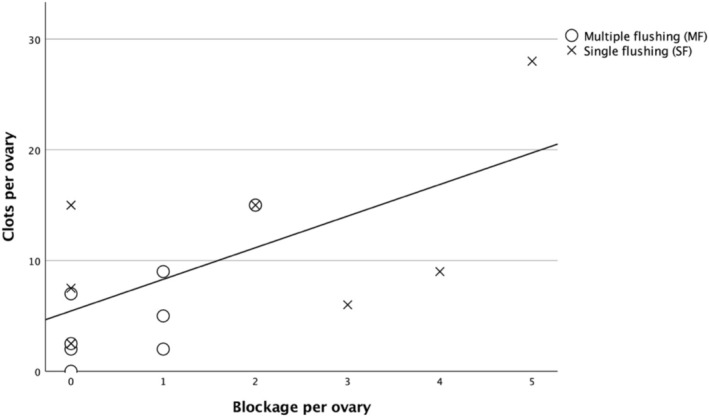 Figure 1
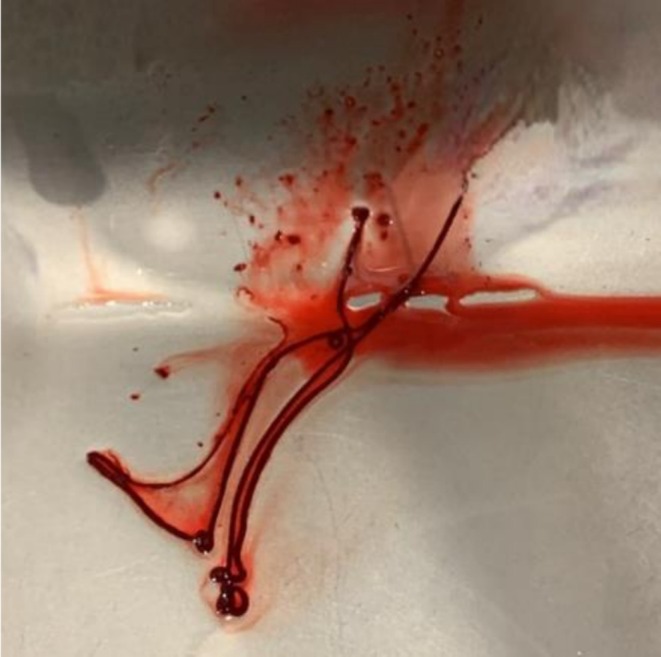 Figure 2
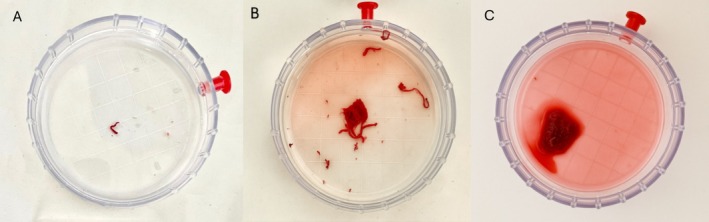 Figure 3
Peer Reviews
No public reviews on file for this paper yet. If you reviewed it on a platform where reviews are public (OpenReview, ICLR, NeurIPS, ICML), you can paste yours below so the community can read it here.
Videos
No videos yet. Explain this paper in a talk, walkthrough, or lecture? Add one.
Taxonomy
TopicsReproductive Biology and Fertility · Ovarian function and disorders · Sperm and Testicular Function