Thoracic Spinal Anesthesia With Erector Spinae Plane Block Versus Conscious Sedation for Medical Thoracoscopy: A Comparative Pilot Study
Archana Baburao, Parinita Suresh, Sudeeksha P, Karthik GS, Thirthashree K, Aleena M Mathew, Mohammed Munavvar

TL;DR
This study compares two anesthesia techniques for medical thoracoscopy, finding that thoracic spinal anesthesia with erector spinae plane block improves recovery and reduces pain.
Contribution
The study introduces a novel anesthetic combination of TSA with ESPB for medical thoracoscopy, showing improved patient outcomes.
Findings
Patients receiving TSA with ESPB had significantly higher quality of recovery scores compared to those with conscious sedation.
The TSA with ESPB group required less opioid consumption and had longer time to first analgesic use.
Procedure duration was shorter in the TSA with ESPB group without anesthesia-related complications.
Abstract
Background and objective Medical thoracoscopy (MT) is associated with significant postoperative pain of varying intensity and duration, leading to significant morbidity. Our study compared the efficacy of thoracic spinal anesthesia (TSA) combined with erector spinae plane block (ESPB) with conscious sedation for MT using a patient-centered outcome measure. Methods This is a non-randomized prospective comparative pilot study wherein 36 patients undergoing MT were assigned alternately to receive TSA with ESPB or conscious sedation. Conscious sedation was administered with fentanyl and midazolam in graded doses with local instillation of lignocaine 2%. TSA was administered at the T6-T7 level with 25 mcg of fentanyl and 0.5% levobupivacaine (1.5 ml), followed by ESPB with 0.25% levobupivacaine (10 ml). The primary outcome was to compare the efficacy of ESPB with conscious sedation in…
Genes, proteins, chemicals, diseases, species, mutations and cell lines named across the full text — each resolved to its canonical identifier and authoritative record.
Click any figure to enlarge with its caption.
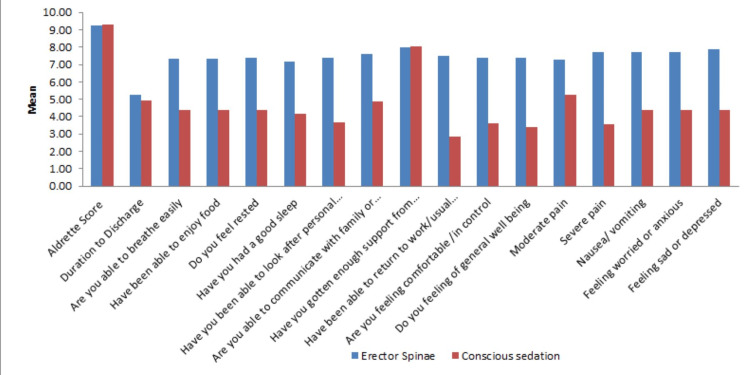 Figure 1
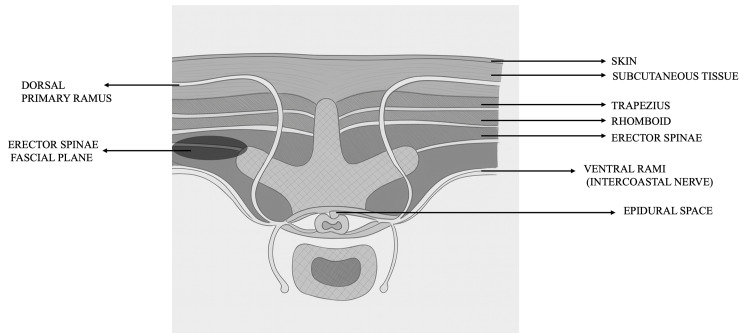 Figure 2
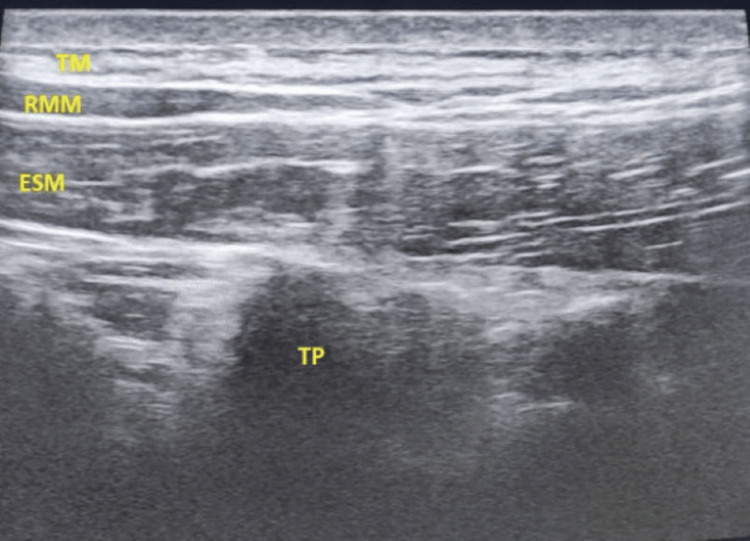 Figure 3
Peer Reviews
No public reviews on file for this paper yet. If you reviewed it on a platform where reviews are public (OpenReview, ICLR, NeurIPS, ICML), you can paste yours below so the community can read it here.
Videos
No videos yet. Explain this paper in a talk, walkthrough, or lecture? Add one.
Taxonomy
TopicsAnesthesia and Pain Management · Anesthesia and Sedative Agents · Pain Management and Opioid Use