Fanconi anaemia as a human model of accelerated epigenetic and immune ageing
Eunike Velleuer, Carsten Carlberg

TL;DR
Fanconi anaemia accelerates aging processes in humans, offering insights into how DNA repair failure, metabolism, and immunity interact to speed up aging and cancer risk.
Contribution
Fanconi anaemia is proposed as a human model to study the sequence and interdependence of aging hallmarks, including genome instability and immune dysfunction.
Findings
FA links DNA repair failure to mitochondrial metabolism and immune dysfunction, accelerating epigenetic drift and cancer risk.
Nutrient-sensing cofactors like vitamin D and NAD⁺ modulate chromatin resilience and immune resilience in FA.
FA serves as a 'time-lapse' model to study biological aging and test precision-prevention strategies.
Abstract
Fanconi anaemia (FA) is a DNA-repair disorder that compresses multiple hallmarks of ageing into childhood and early adulthood. Persistent genomic instability in FA precipitates oxidative stress, inflammatory remodelling, and metabolic reprogramming, which together erode epigenetic integrity and immune competence. Here we provide evidence FA-specific DNA-repair failure is linked to mitochondrial metabolism, nutrient-sensing networks, and immune dysfunction. In this context, we discuss how these interactions accelerate epigenetic drift and cancer susceptibility. We propose FA as a human “time-lapse” model to separate the sequence and interdependence of selected ageing hallmarks, such as genome instability, epigenetic deregulation, stem cell exhaustion, and immunosenescence, which together contribute to a markedly increased risk of early cancer development. We further highlight…
Genes, proteins, chemicals, diseases, species, mutations and cell lines named across the full text — each resolved to its canonical identifier and authoritative record.
Click any figure to enlarge with its caption.
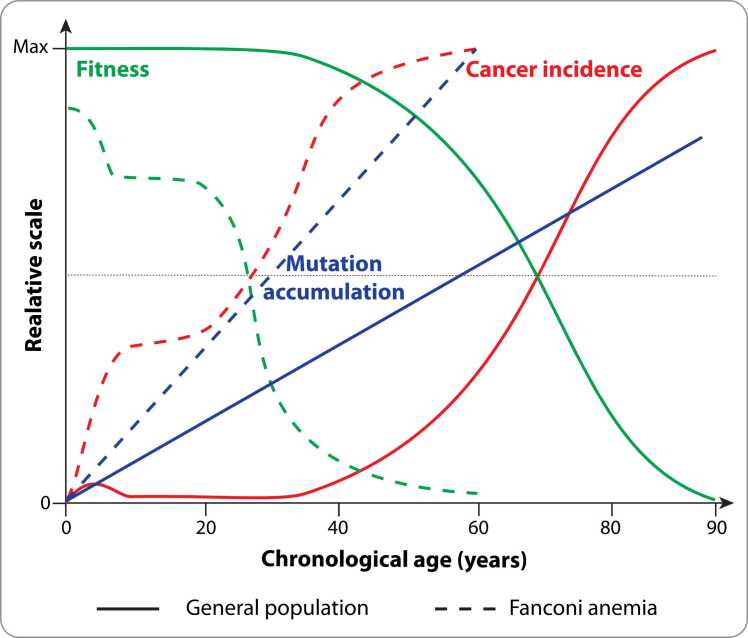 Figure 1
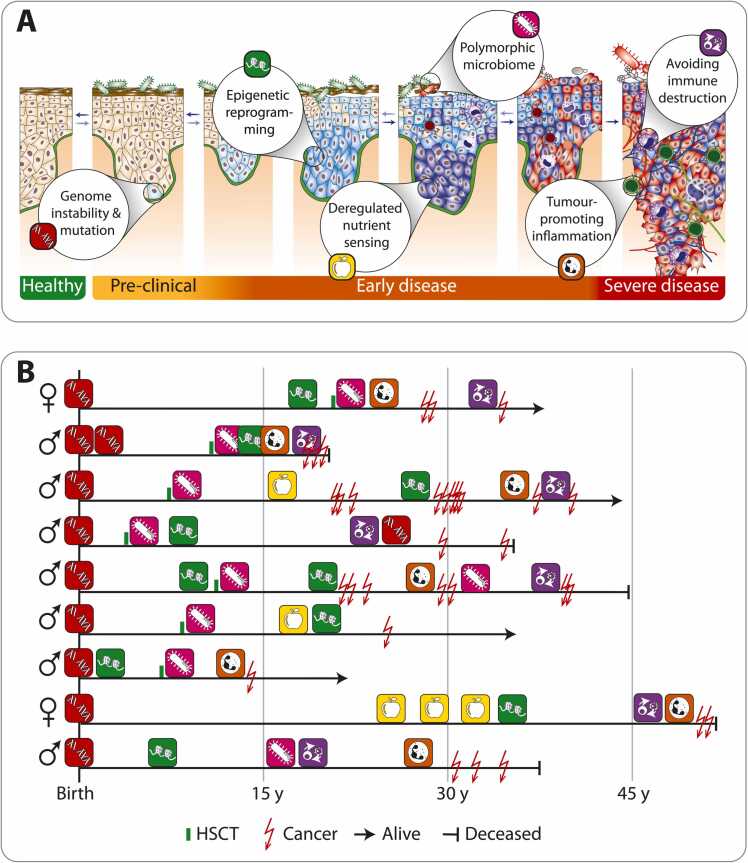 Figure 2
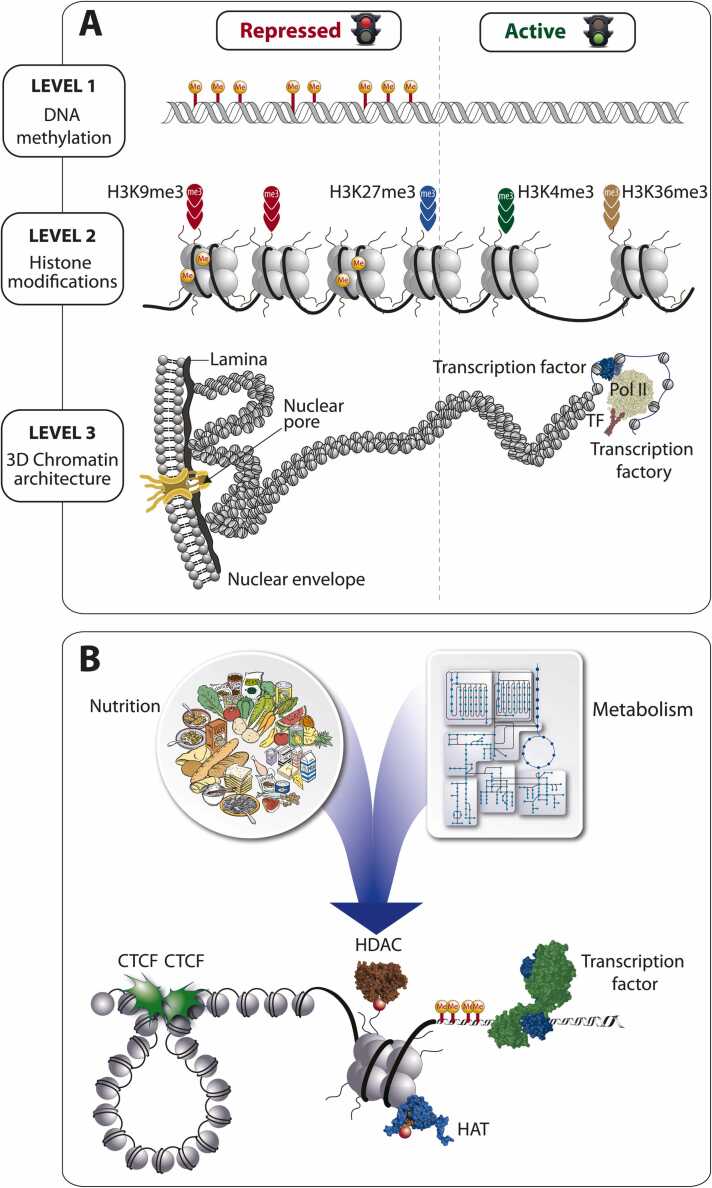 Figure 3
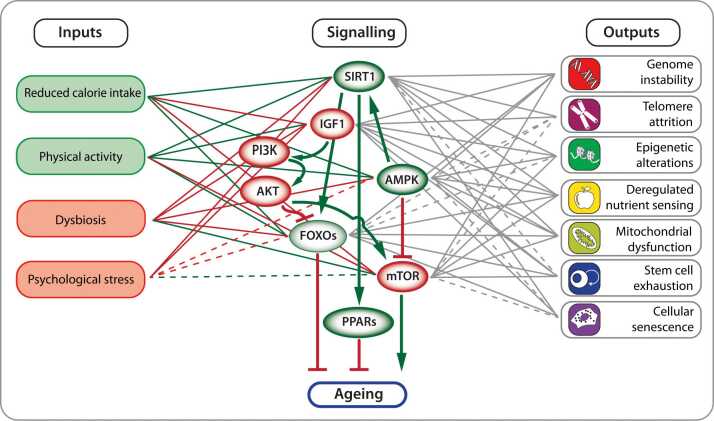 Figure 4
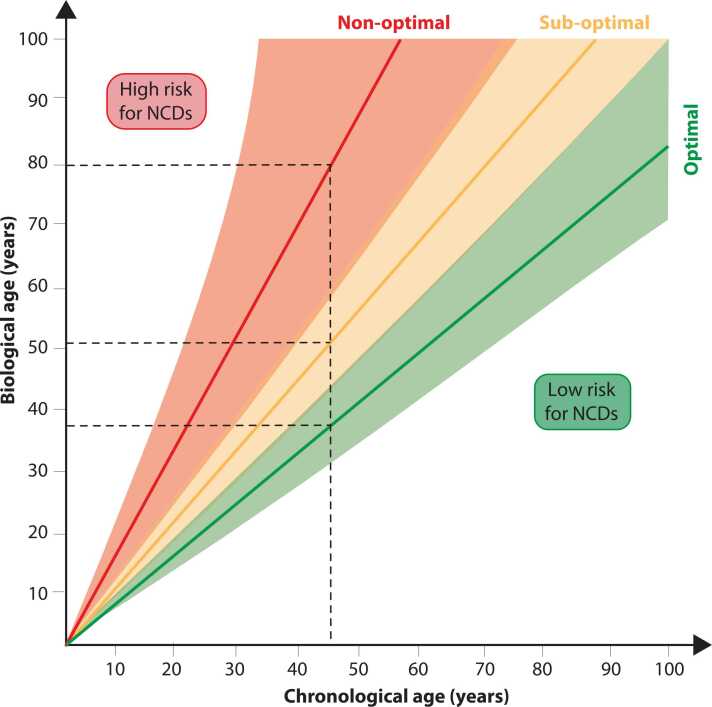 Figure 5
Peer Reviews
No public reviews on file for this paper yet. If you reviewed it on a platform where reviews are public (OpenReview, ICLR, NeurIPS, ICML), you can paste yours below so the community can read it here.
Videos
No videos yet. Explain this paper in a talk, walkthrough, or lecture? Add one.
Taxonomy
TopicsDNA Repair Mechanisms · Epigenetics and DNA Methylation · Acute Lymphoblastic Leukemia research