Single‐Nucleus Transcriptome Reveals Cellular Heterogeneity and Transcriptional Response to Heat Stress in Skeletal Muscle
Ziyin Han, Li Chen, Zhiyu Lei, Jiaman Zhang, Ziyu Chen, Xiaolan Fan, Bo Zeng, Anan Jiang, Hai Xiang, Hua Li, Mingzhou Li, Long Jin

TL;DR
This study uses single-nucleus transcriptomics to explore how skeletal muscle cells respond to heat stress and recover, revealing cell-type-specific molecular changes.
Contribution
The study provides the first single-cell transcriptional analysis of heat stress-induced muscle injury and repair in mice.
Findings
Heat stress causes myofibrillar deformation, mitochondrial swelling, and autophagy in skeletal muscle.
Type IIb myonuclei are the most heat-sensitive subtype, showing significant transcriptional changes after heat exposure.
Muscle stem cells (MuSCs) express development-related genes like Atp2a1 and Myh1 to aid in muscle repair.
Abstract
Heat stress can induce skeletal muscle injury. Typical characteristics of heat‐exposed muscle tissues include apoptosis, oxidative stress and autophagy. The understanding of molecular mechanisms underlying heat stress‐induced muscle injury is limited, especially at the single‐cell transcription level. We collected skeletal muscles from 12‐week‐old female C57BL/6J mice in control (NC) and four heat stress groups. The experimental scheme comprised five groups: NC (25.5°C ± 0.5°C), HS0 (after ~3‐h heat exposure, 41.5°C ± 0.5°C), HS8, HS16 and HS24 group (recovery at 25.5°C ± 0.5°C for 8, 16 and 24 h, respectively). Skeletal muscles were subjected to HE staining (n = 6), TUNEL staining (n = 3) and transmission electron microscopy (n = 3). Transcripts were measured at the tissue (n = 5 or 6) and single‐nucleus levels (n = 2). Histologically, myofibrillar structure deformation,…
Genes, proteins, chemicals, diseases, species, mutations and cell lines named across the full text — each resolved to its canonical identifier and authoritative record.
Click any figure to enlarge with its caption.
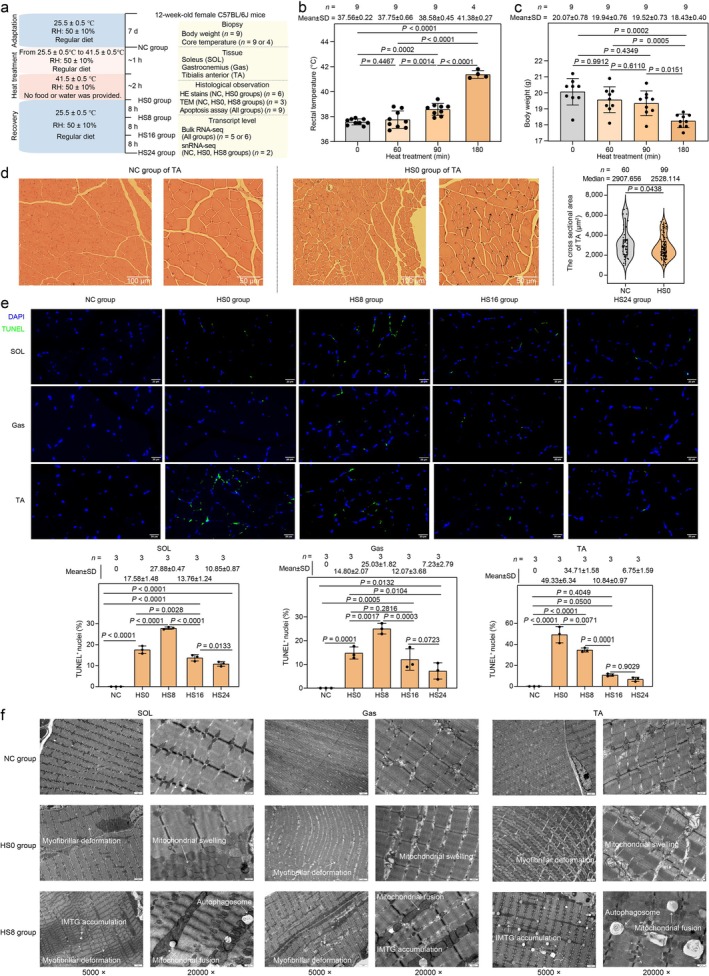 Figure 1
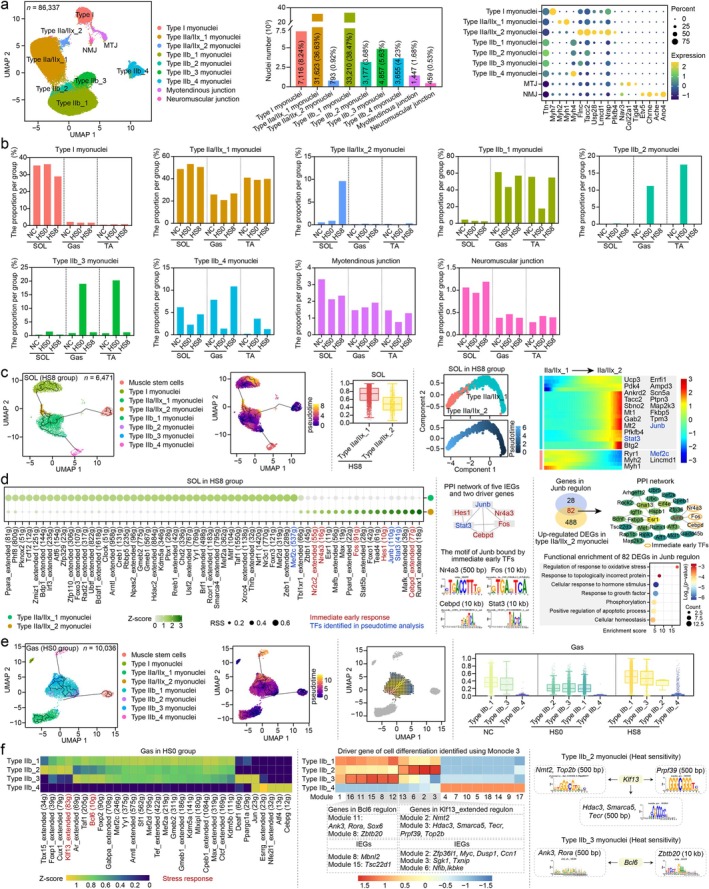 Figure 2
 Figure 3
 Figure 4
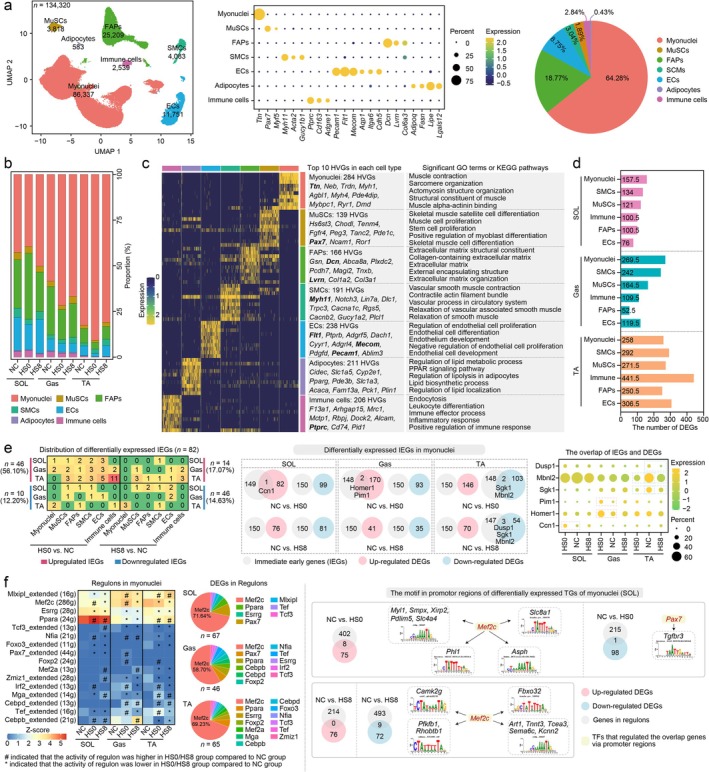 Figure 5
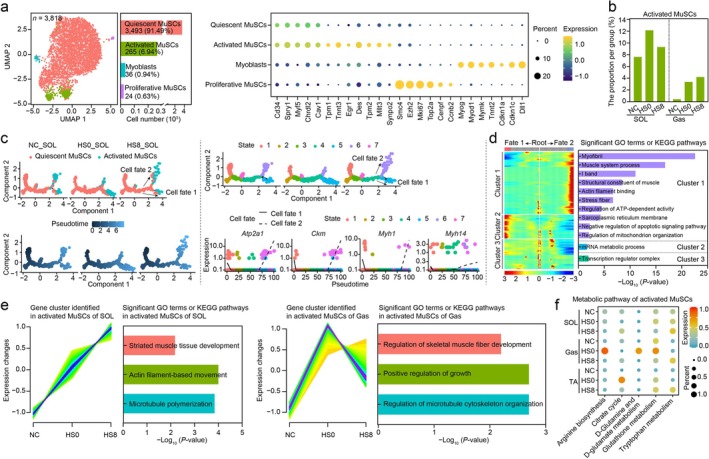 Figure 6
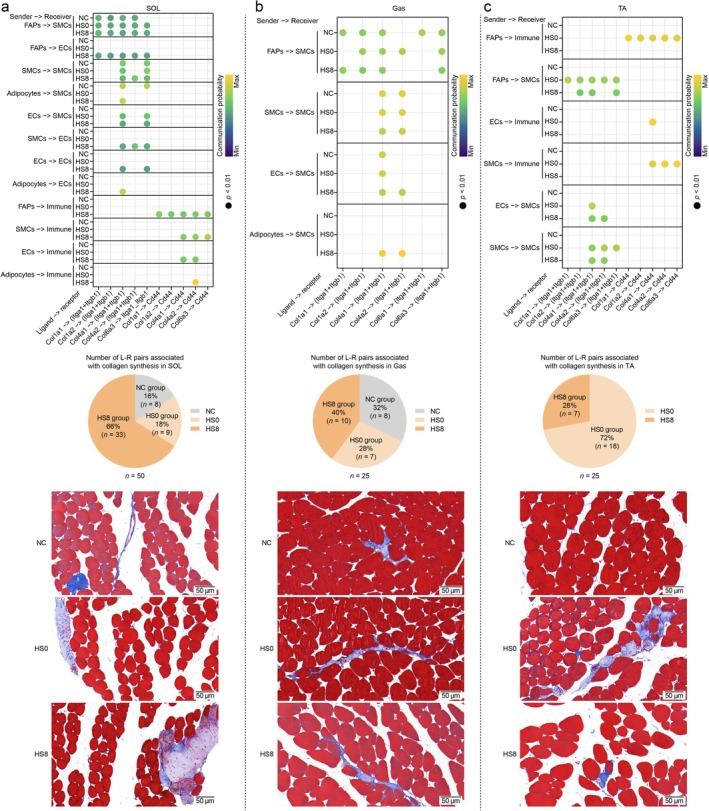 Figure 7
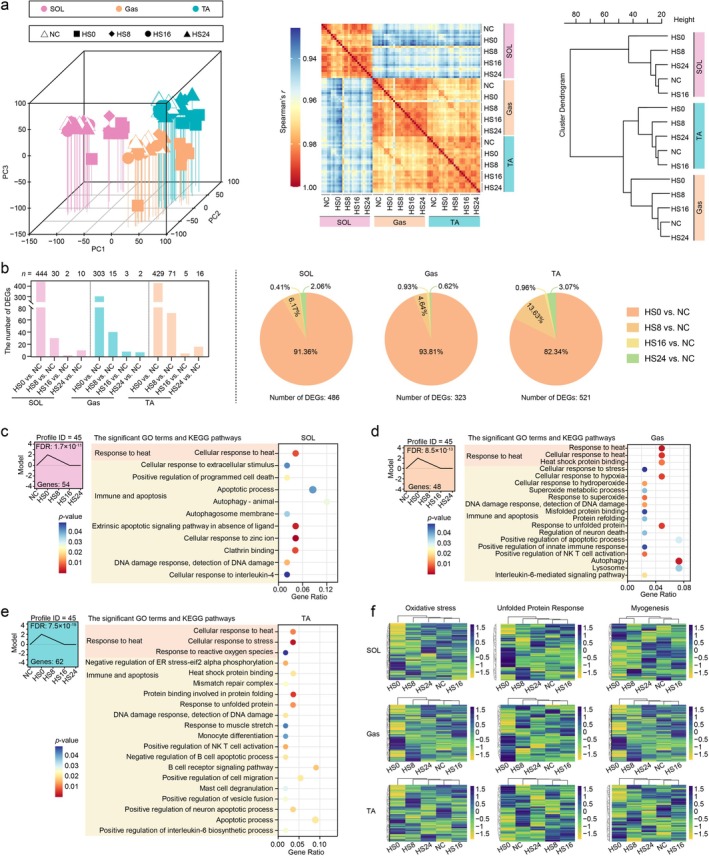 Figure 8
 Figure 9
 Figure 10
 Figure 11
 Figure 12
 Figure 13
 Figure 14
 Figure 15
 Figure 16
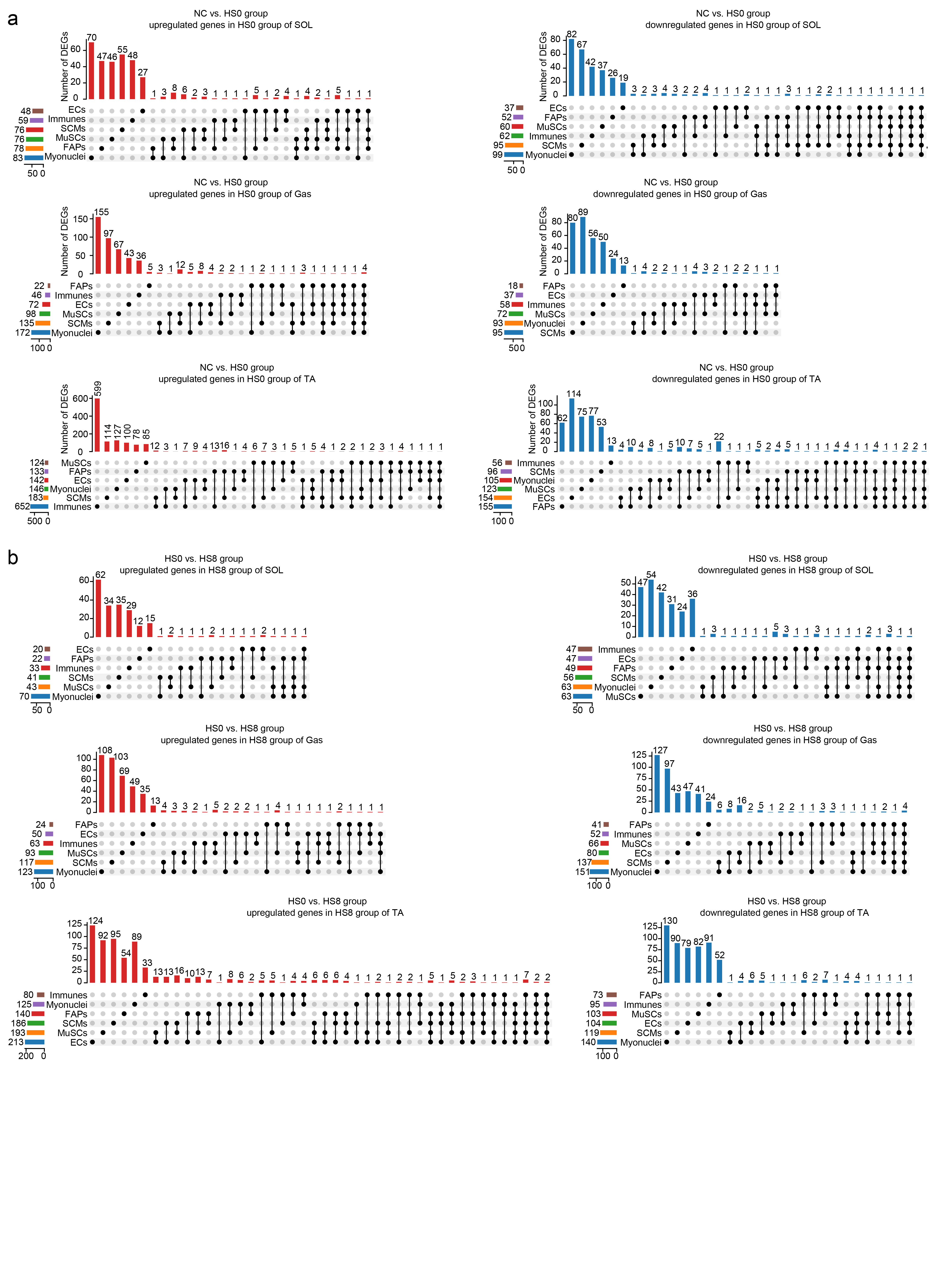 Figure 17
Peer Reviews
No public reviews on file for this paper yet. If you reviewed it on a platform where reviews are public (OpenReview, ICLR, NeurIPS, ICML), you can paste yours below so the community can read it here.
Videos
No videos yet. Explain this paper in a talk, walkthrough, or lecture? Add one.
Taxonomy
TopicsMuscle Physiology and Disorders · Adipose Tissue and Metabolism · Exercise and Physiological Responses