The microendemic Aegla expansa (Aeglidae) survives in highly disturbed micro-basins of southern Chile
Andrés Muñoz-Pedreros, Heraldo V. Norambuena, Carlos G. Jara, Pedro Jara-Seguel, Marcela Guerrero, Marilyn González-Urrutia

TL;DR
This paper reports the rediscovery of a rare freshwater crab species in Chile and provides its first biological data and evolutionary placement.
Contribution
The study presents the first biological information and phylogenetic analysis for Aegla expansa, a previously little-known and presumed extinct species.
Findings
Aegla expansa populations were found in multiple rivers within the Hualqui district.
The study provides the first biological data on Aegla expansa, including its current distribution and phylogenetic position within the genus Aegla.
Abstract
Aegla expansa was described from an exoskeleton by Jara (1992). The type specimen (holotype) of the species was obtained from the hamlet of La Leonera, approximately six km east of the town of Hualqui in the Biobío region of Chile. Since this find, no further biological information has been generated on this species, and it was even thought to have become Extinct in the Wild. By systematic sampling in the commune (district) of Hualqui, we were able to find populations of A. expansa in many of the district’s rivers. In this work, we present the first biological information on the species and assess its phylogenetic position within the genus Aegla.
Genes, proteins, chemicals, diseases, species, mutations and cell lines named across the full text — each resolved to its canonical identifier and authoritative record.
Click any figure to enlarge with its caption.
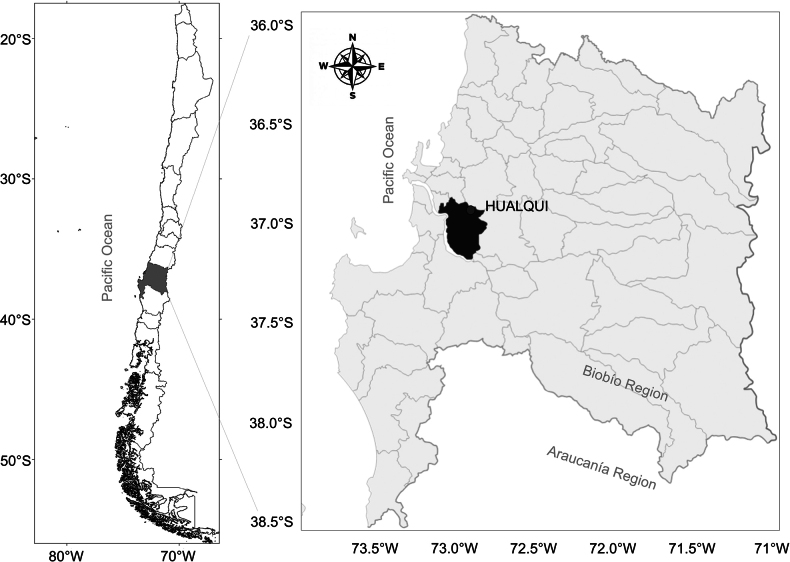 Figure 1
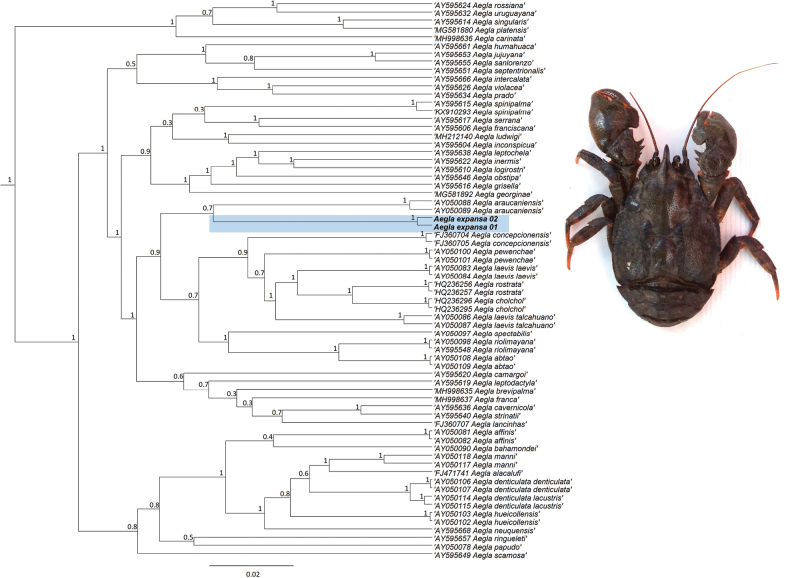 Figure 2
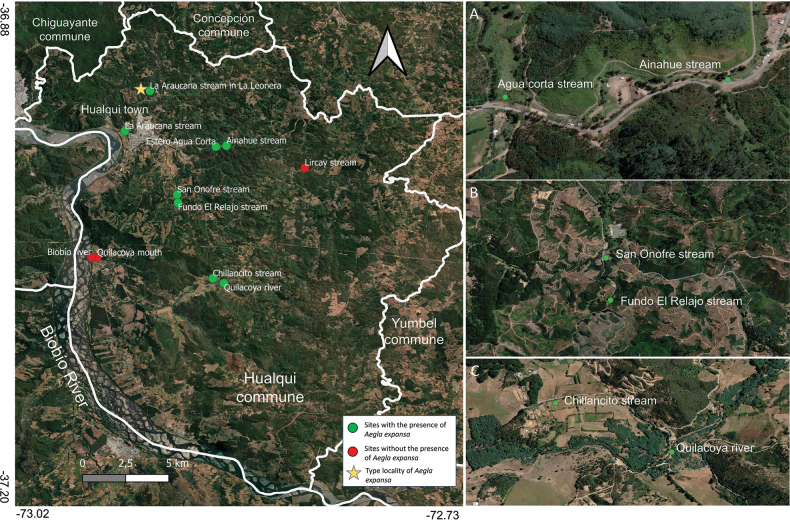 Figure 3
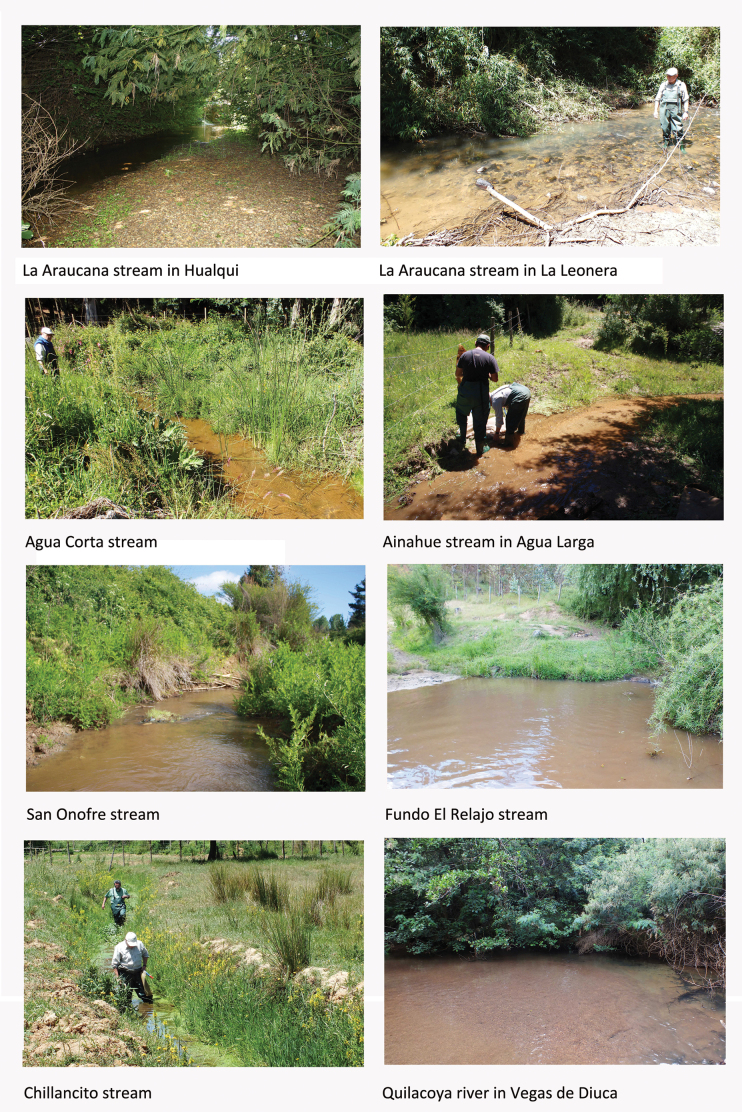 Figure 4
Peer Reviews
No public reviews on file for this paper yet. If you reviewed it on a platform where reviews are public (OpenReview, ICLR, NeurIPS, ICML), you can paste yours below so the community can read it here.
Videos
No videos yet. Explain this paper in a talk, walkthrough, or lecture? Add one.
Taxonomy
TopicsDiatoms and Algae Research · Mollusks and Parasites Studies · Freshwater macroinvertebrate diversity and ecology