Efficacy of Brain-Computer Interface Therapy for Upper Limb Rehabilitation in Chronic Stroke: Systematic Review and Meta-Analysis of Randomized Controlled Trials
HongJie Chen, GuoJun Yun

TL;DR
A review of 21 studies found that brain-computer interface therapy can improve motor function and daily activities in people with chronic stroke, but results vary and long-term benefits are unclear.
Contribution
This study provides the first meta-analysis of BCI therapy for chronic stroke, identifying optimal protocols and highlighting variability in outcomes.
Findings
BCI training significantly improved upper limb motor function and activities of daily living in chronic stroke patients.
BCI combined with functional electrical stimulation showed the greatest motor recovery.
Benefits were not sustained at follow-up, and results varied widely across studies.
Abstract
Over 50% of people with chronic stroke experience persistent upper limb dysfunction. Brain-computer interface (BCI) therapy, creating a sensorimotor loop via neural feedback, is a promising alternative; yet, its optimal application remains unclear. This meta-analysis evaluates BCI’s efficacy on motor function, tone, and activities of daily living (ADL) in chronic stroke and identifies optimal feedback modalities and intervention parameters. We systematically searched Cochrane Library, Embase, PubMed, Scopus, Web of Science, and Wanfang Data from inception to October 2025 for randomized controlled trials (RCTs) comparing BCI-based training to control interventions in adults with chronic stroke. Primary outcomes were upper limb motor function (Fugl-Meyer Assessment for upper extremity [FMA-UE], Action Research Arm Test [ARAT]), muscle tone (Modified Ashworth Scale [MAS]), and ADL…
Genes, proteins, chemicals, diseases, species, mutations and cell lines named across the full text — each resolved to its canonical identifier and authoritative record.
Click any figure to enlarge with its caption.
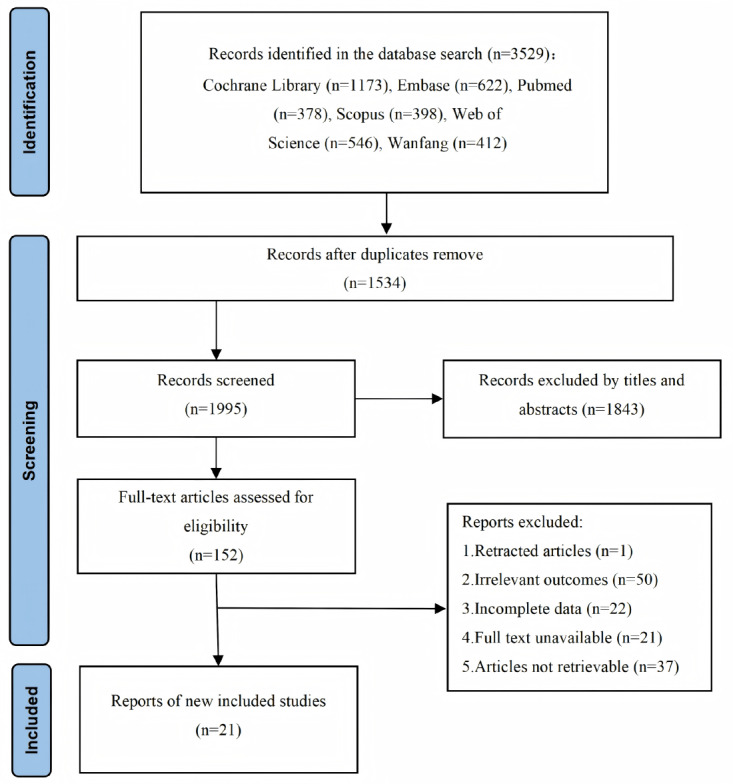 Figure 1
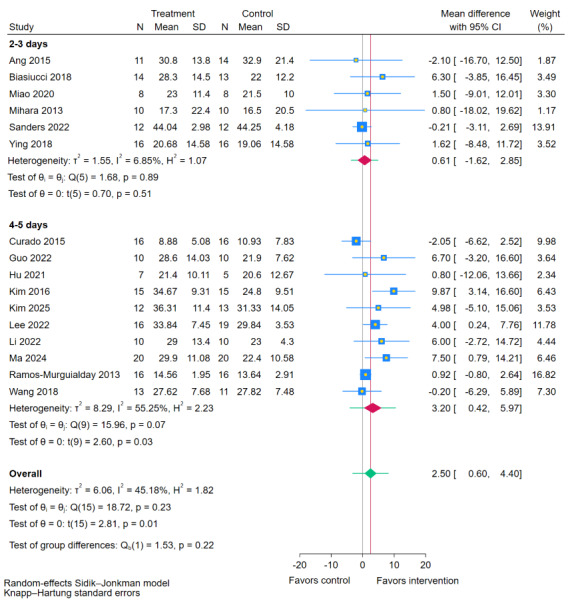 Figure 10
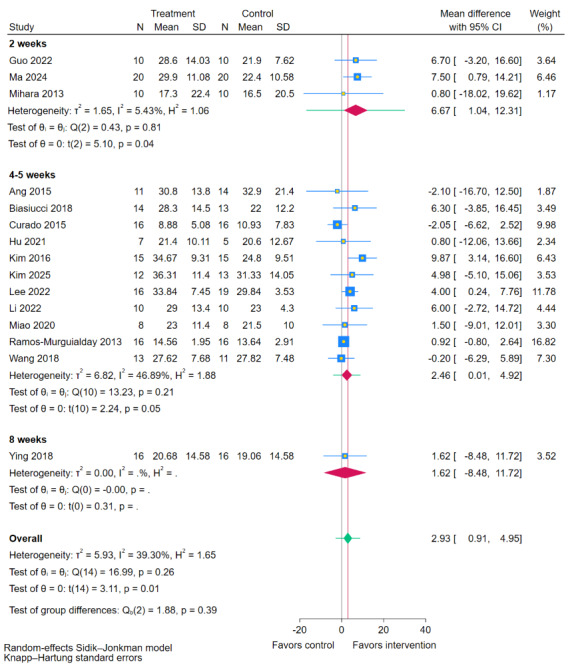 Figure 11
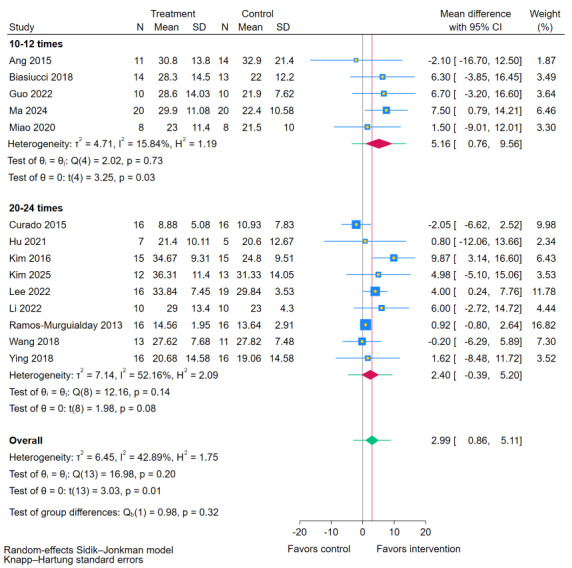 Figure 12
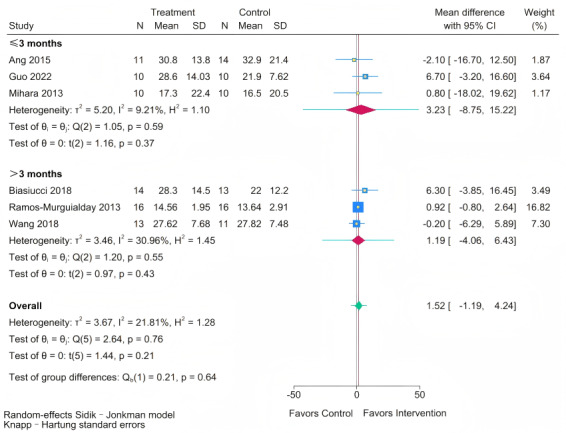 Figure 13
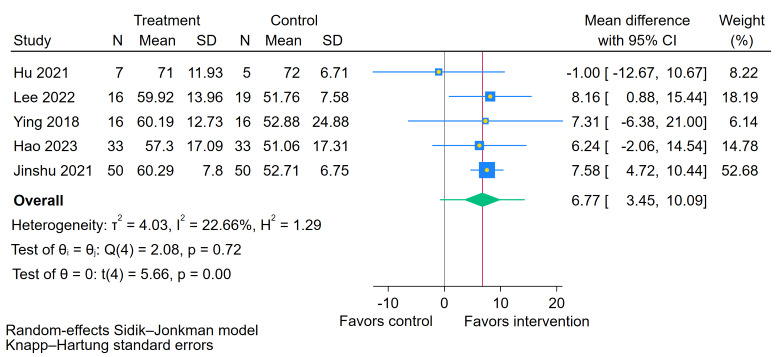 Figure 14
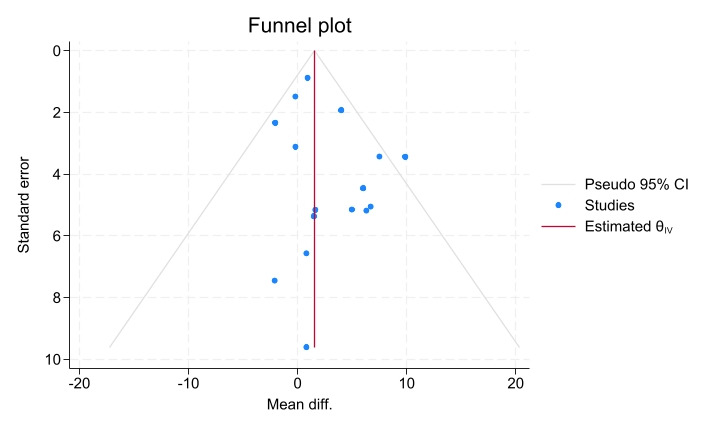 Figure 15
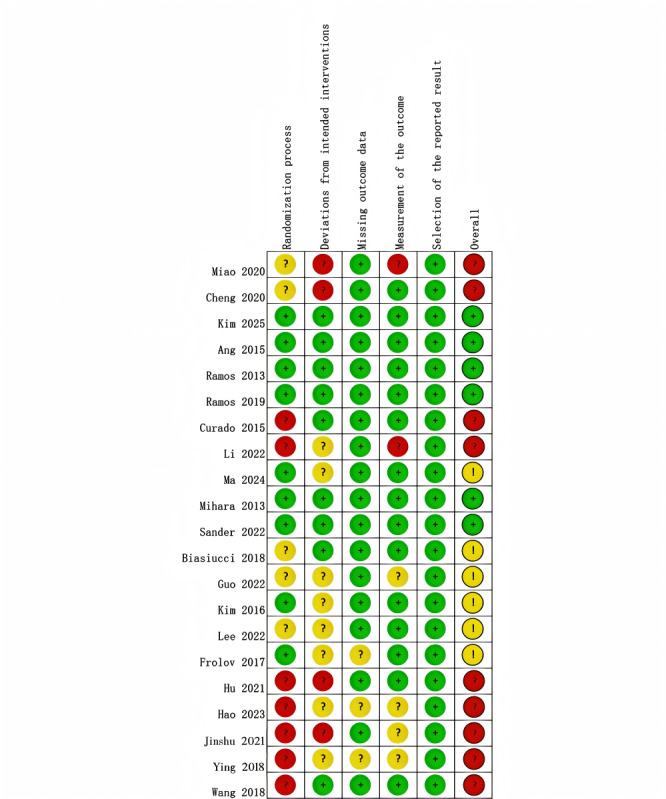 Figure 2
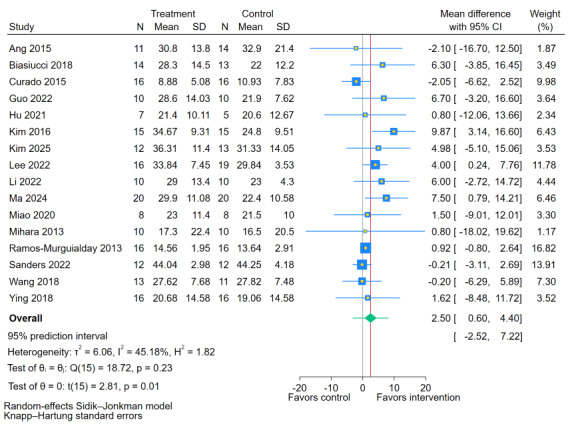 Figure 3
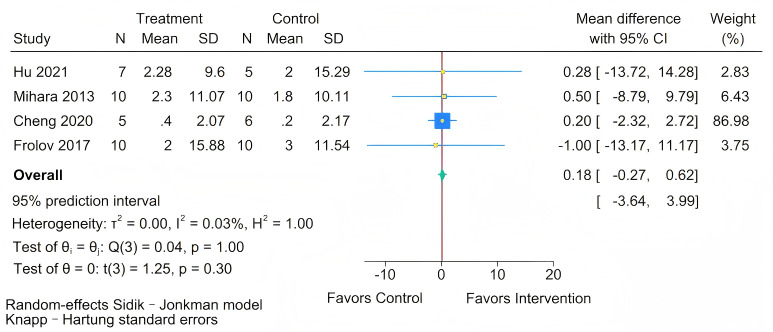 Figure 4
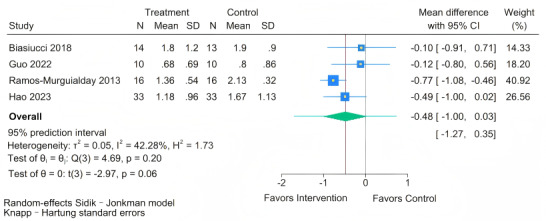 Figure 5
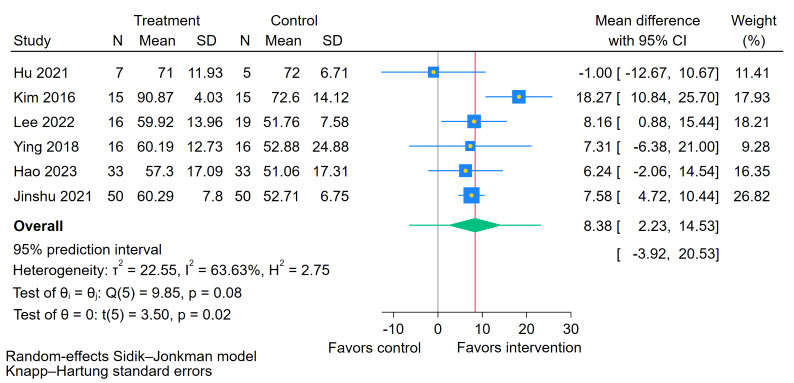 Figure 6
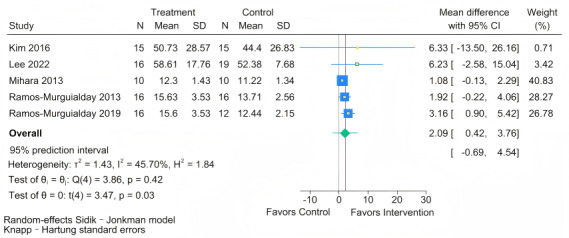 Figure 7
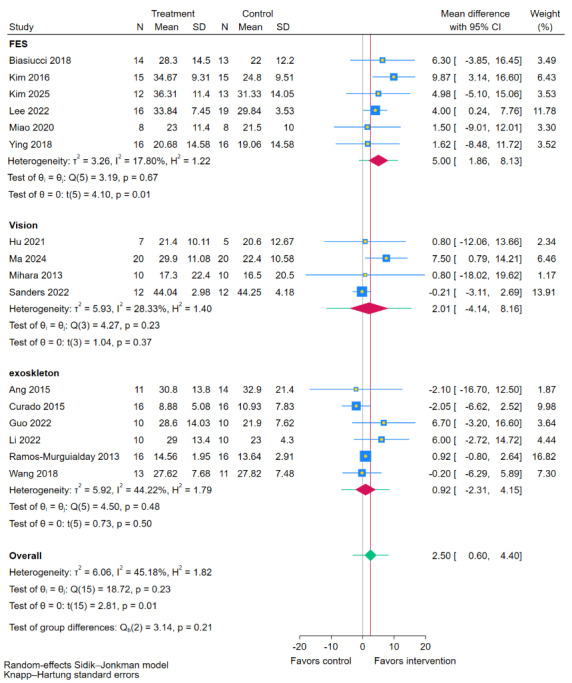 Figure 8
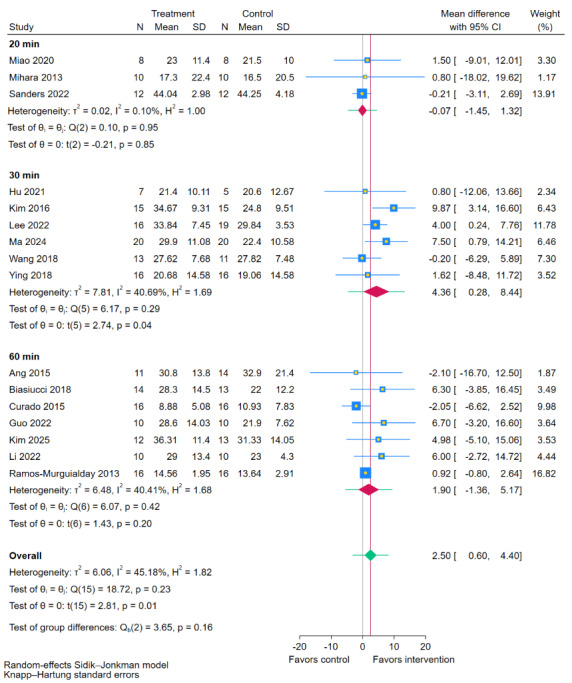 Figure 9
Peer Reviews
No public reviews on file for this paper yet. If you reviewed it on a platform where reviews are public (OpenReview, ICLR, NeurIPS, ICML), you can paste yours below so the community can read it here.
Videos
No videos yet. Explain this paper in a talk, walkthrough, or lecture? Add one.
Taxonomy
TopicsEEG and Brain-Computer Interfaces · Stroke Rehabilitation and Recovery · Transcranial Magnetic Stimulation Studies