Assistive Robotics for Healthy Aging: A Foundational Phenomenological Co-Design Exercise
Stephen Potter, Mark Hawley, Angela Higgins, Farshid Amirabdollahian, Mauro Dragone, Alessandro Di Nuovo, Praminda Caleb-Solly

TL;DR
This paper explores how involving older people in the design of assistive robots can lead to better technologies that meet their real needs and improve their quality of life.
Contribution
The study introduces a novel co-design methodology using personas and speculative designs to capture the lived experiences of older people and caregivers.
Findings
Older people face everyday difficulties that could be addressed by assistive robotics.
Participants suggested ideas for how assistive robots could improve their lives.
Concerns about the introduction of robots highlight the need for thoughtful design and societal considerations.
Abstract
Assistive robotics for helping older people live well and stay independent has, to date, failed to fulfill its promise: there are few assistive robots in everyday use. In part, this failing can be attributed to inadequate or missing co-design activities that would ensure that these technologies and any services that incorporate them are developed with prospective end users, addressing their actual needs and wants, and not merely for them, and based on lazy assumptions about heterogeneous user groups. This exercise aimed to address some of these limitations by taking a “phenomenological snapshot” of what it means to be an older person in the current sociotechnological context, and making this snapshot, along with the co-design materials developed, available to the wider assistive robotics community to provide solid foundational evidence for steering the development of assistive robotics…
Genes, proteins, chemicals, diseases, species, mutations and cell lines named across the full text — each resolved to its canonical identifier and authoritative record.
Click any figure to enlarge with its caption.
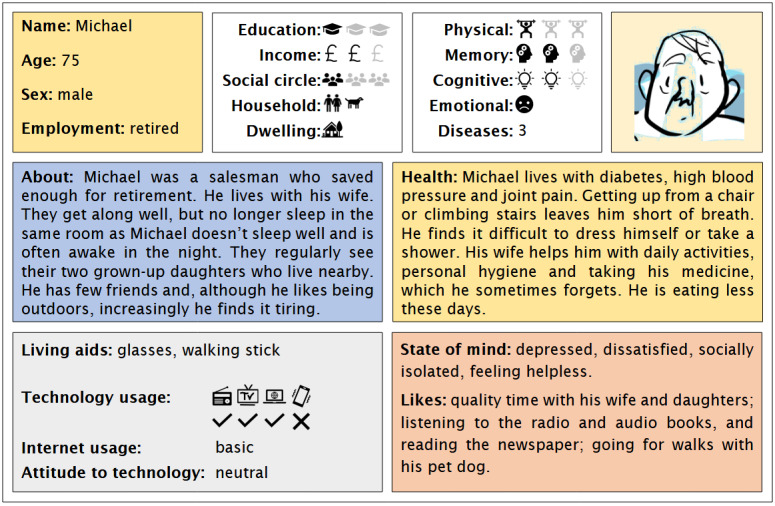 Figure 1
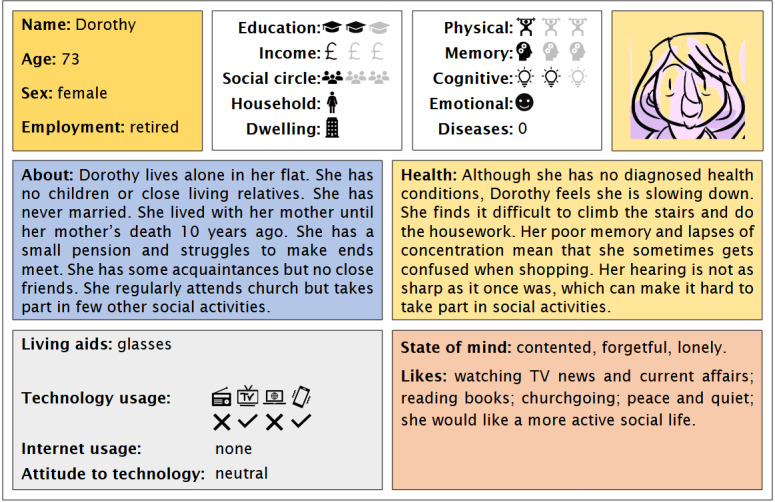 Figure 2
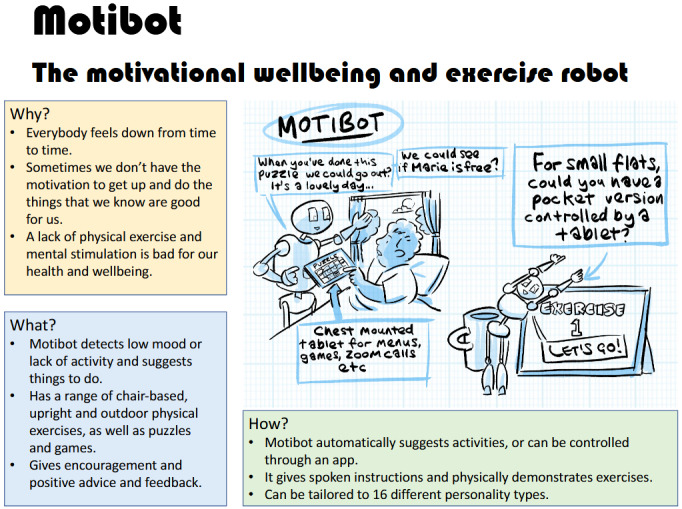 Figure 3
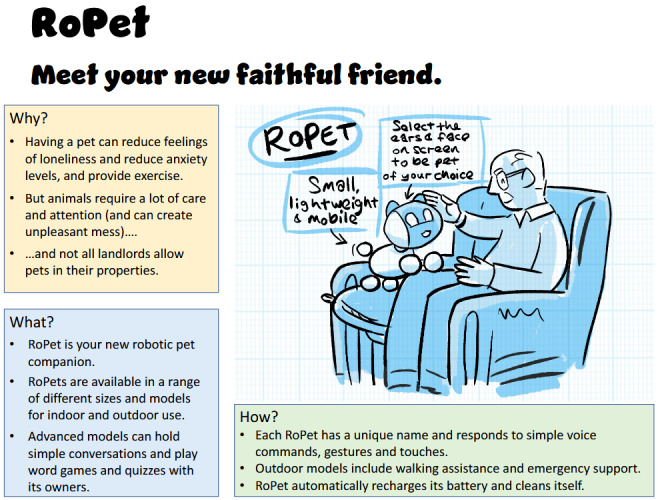 Figure 4
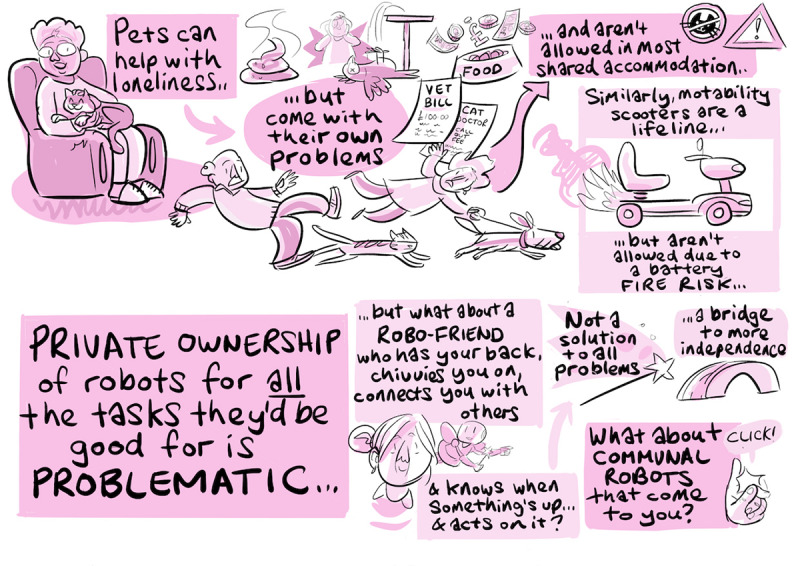 Figure 5
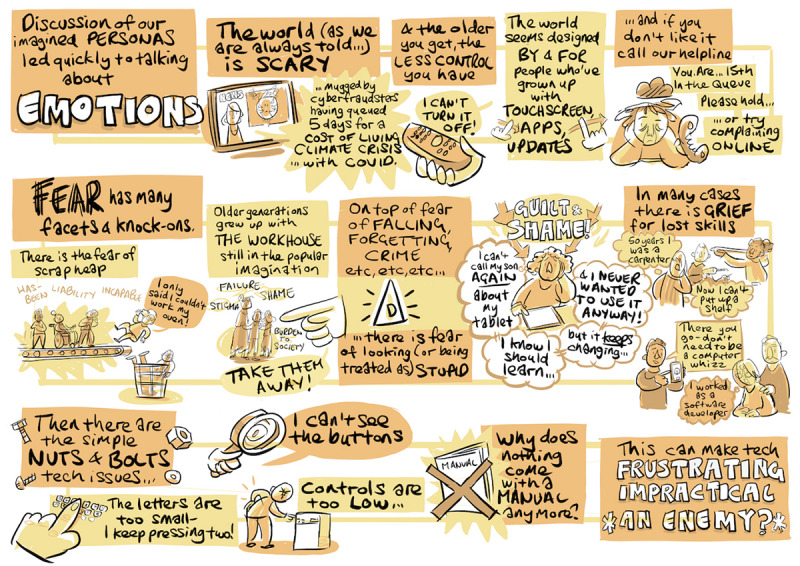 Figure 6
 Figure 7
Peer Reviews
No public reviews on file for this paper yet. If you reviewed it on a platform where reviews are public (OpenReview, ICLR, NeurIPS, ICML), you can paste yours below so the community can read it here.
Videos
No videos yet. Explain this paper in a talk, walkthrough, or lecture? Add one.
Taxonomy
TopicsProsthetics and Rehabilitation Robotics · Social Robot Interaction and HRI · Assistive Technology in Communication and Mobility