Electroconvulsive therapy for obsessive-compulsive disorder: clinical efficacy and predictive role of inflammatory markers
Shengkang Hu, Chenchen Zhang, Rui Li, Cuiyuan Fu, Bin Wang, Kun Li

TL;DR
This study finds that electroconvulsive therapy (ECT) is effective for treating obsessive-compulsive disorder (OCD), with seizure duration during ECT being a key predictor of treatment success.
Contribution
The study identifies seizure duration as a significant predictor of ECT efficacy in OCD and explores the potential role of inflammatory markers like the neutrophil-to-monocyte ratio.
Findings
73% of OCD patients responded positively to ECT.
Seizure duration during ECT was independently associated with treatment efficacy.
Baseline neutrophil-to-monocyte ratio showed potential predictive value but was not statistically significant in multivariate analysis.
Abstract
This retrospective study aimed to evaluate the clinical efficacy of electroconvulsive therapy (ECT) in patients with obsessive-compulsive disorder (OCD) and identify potential predictive factors, focusing on inflammatory markers to optimize therapeutic outcomes. We retrospectively analyzed clinical data from 63 OCD patients who received ECT from January 2010 to August 2024. Clinical demographics, ECT parameters, and baseline blood cell counts were extracted from electronic medical records. Inflammatory indices were calculated accordingly. The Clinical Global Impressions-Improvement scale (CGI-I) was utilized to assess treatment outcomes. Patients were categorized into responders and non-responders based on CGI-I scores. Logistic regression analysis determined predictors of ECT efficacy, and the receiver operating characteristic (ROC) curve assessed the predictive capability of these…
Genes, proteins, chemicals, diseases, species, mutations and cell lines named across the full text — each resolved to its canonical identifier and authoritative record.
Click any figure to enlarge with its caption.
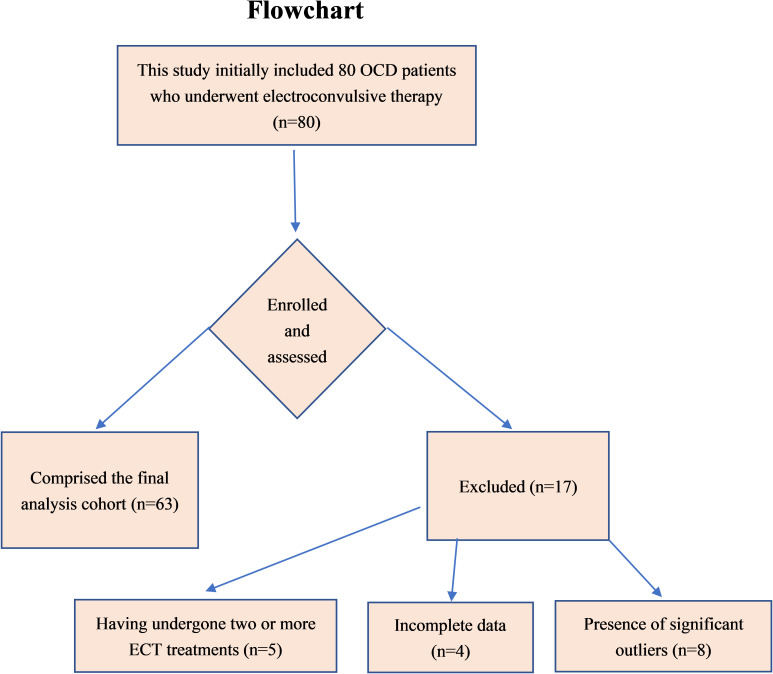 Figure 1
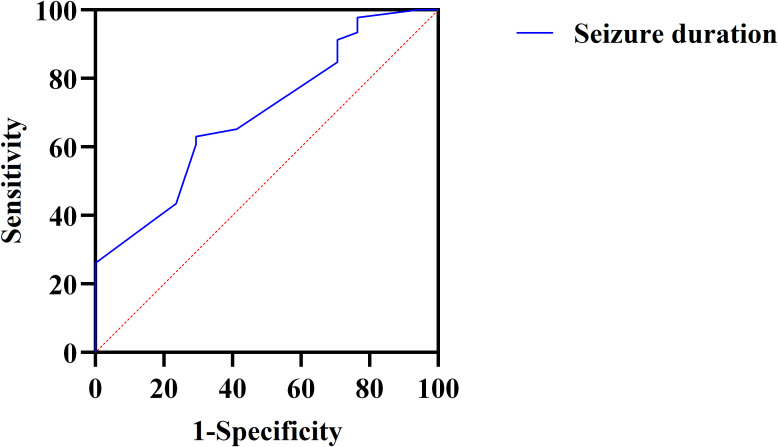 Figure 2
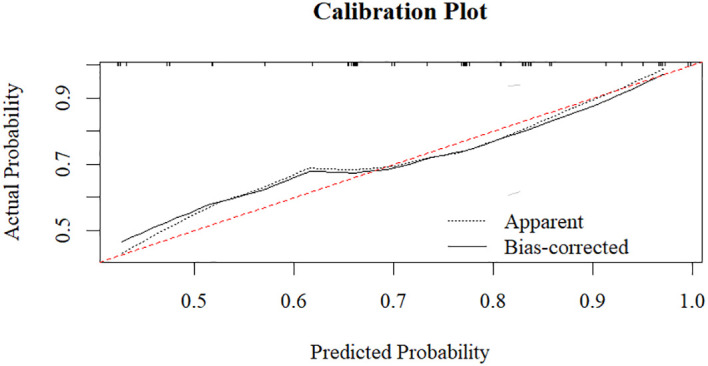 Figure 3
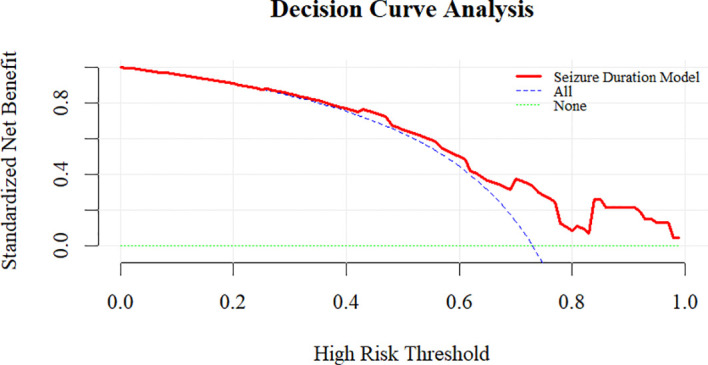 Figure 4
Peer Reviews
No public reviews on file for this paper yet. If you reviewed it on a platform where reviews are public (OpenReview, ICLR, NeurIPS, ICML), you can paste yours below so the community can read it here.
Videos
No videos yet. Explain this paper in a talk, walkthrough, or lecture? Add one.
Taxonomy
TopicsObsessive-Compulsive Spectrum Disorders · Electroconvulsive Therapy Studies · Tryptophan and brain disorders