HSPA5 promotes YAP/TAZ stability independently of the Hippo pathway and induces proneural-to-mesenchymal transition in glioblastoma
Shikai Gui, Wanli Yu, Zhen Song, Lunshan Peng, Haitao Luo, Kai Huang, Juexian Xiao, Jiabao Xie, Shihao Cai, Shengtao Yuan, Zhennan Tao, Zujue Cheng

TL;DR
This study shows that HSPA5 promotes a cancer transition in glioblastoma by stabilizing YAP/TAZ, leading to more aggressive tumor behavior.
Contribution
HSPA5 is shown to stabilize YAP/TAZ independently of the Hippo pathway, inducing a proneural-to-mesenchymal transition in glioblastoma.
Findings
HSPA5 overexpression in proneural cells induces PMT and promotes malignant traits.
HSPA5 stabilizes YAP/TAZ by preventing their degradation, enhancing tumor aggressiveness.
High HSPA5, YAP, and TAZ expression correlates with poor survival in glioblastoma patients.
Abstract
The proneural-to-mesenchymal transition (PMT) is a pivotal process in glioblastoma (GBM), driving enhanced tumor aggressiveness, therapeutic resistance, and recurrence. HSPA5, a member of the heat shock protein 70 (HSP70) family, plays a crucial role in regulating and maintaining protein stability and function. Although HSPA5 is a recognized marker of poor prognosis in glioma, its underlying mechanistic function remains poorly defined. Here, we demonstrated that HSPA5 expression is highest in the mesenchymal (MES) subtype of GBM. The overexpression of HSPA5 in proneural (PN) cells induced PMT and promoted malignant phenotypes, whereas its knockdown in MES cells suppressed PMT and attenuated tumorigenicity. We further established that HSPA5 drives PMT by activating the YAP/TAZ pathway in vitro and in vivo. The expression of MES markers CD44 and c-MET was transcriptionally regulated by…
Genes, proteins, chemicals, diseases, species, mutations and cell lines named across the full text — each resolved to its canonical identifier and authoritative record.
Click any figure to enlarge with its caption.
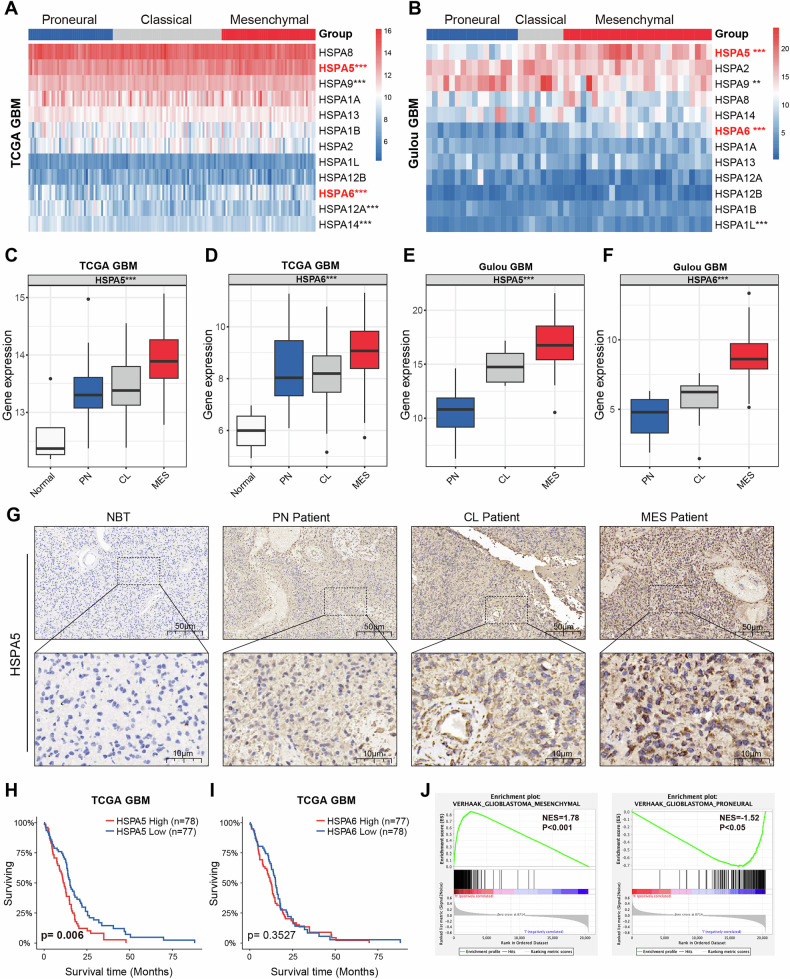 Figure 1
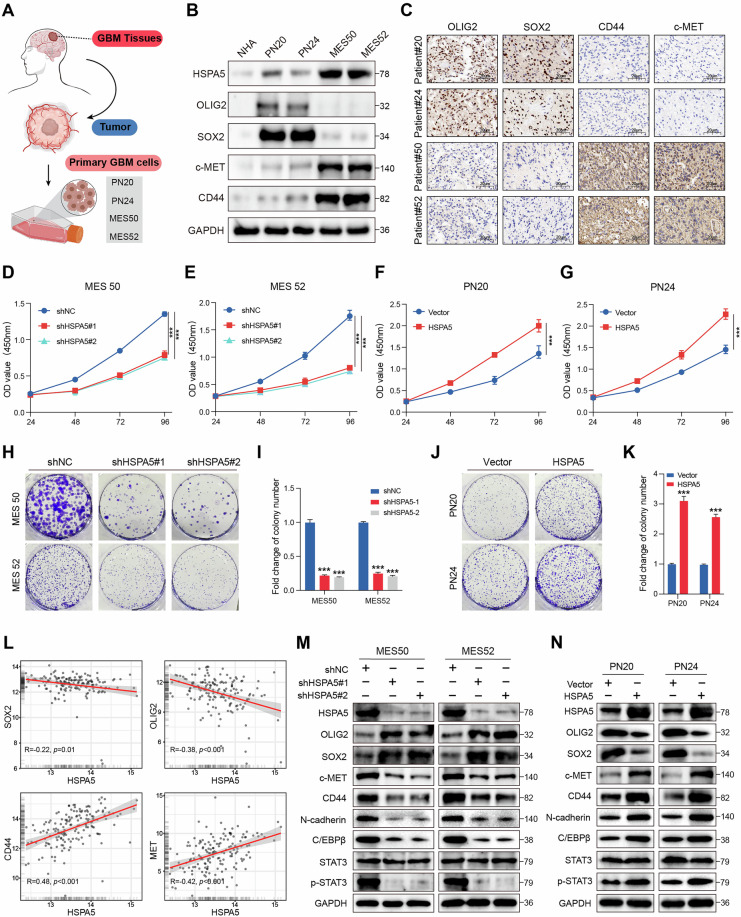 Figure 2
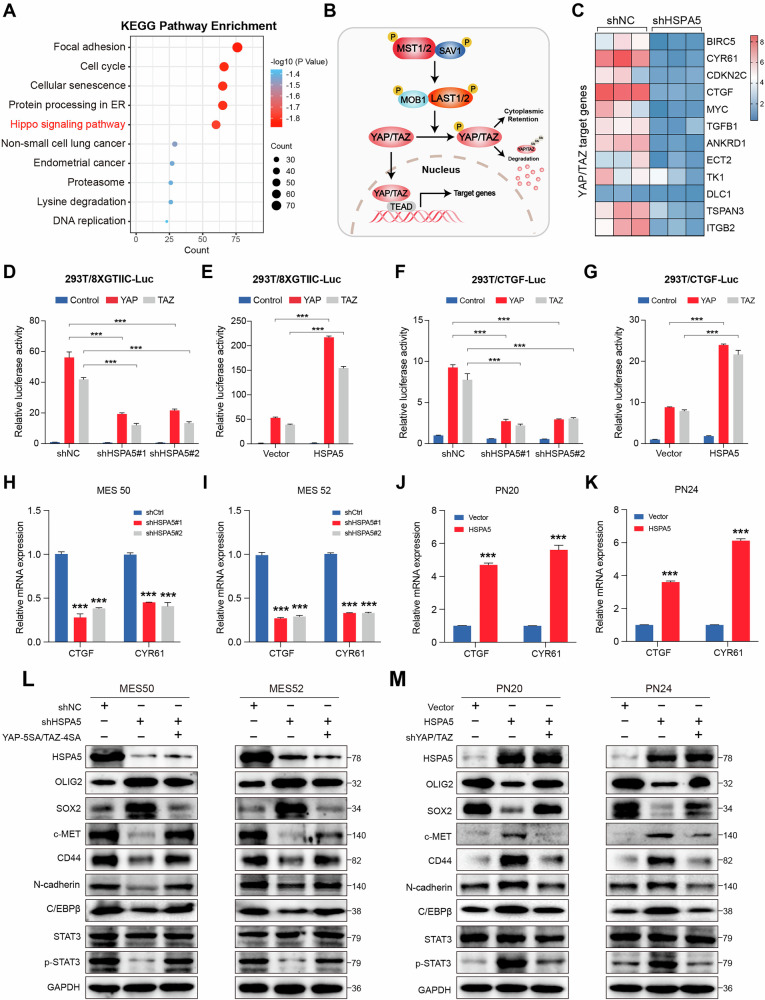 Figure 3
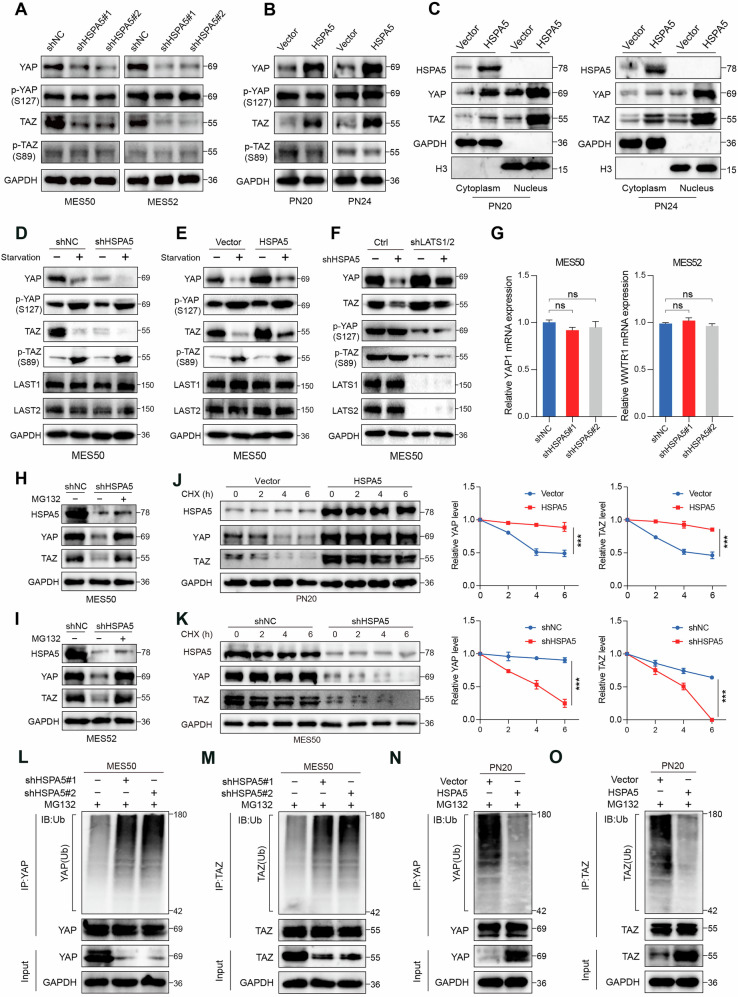 Figure 4
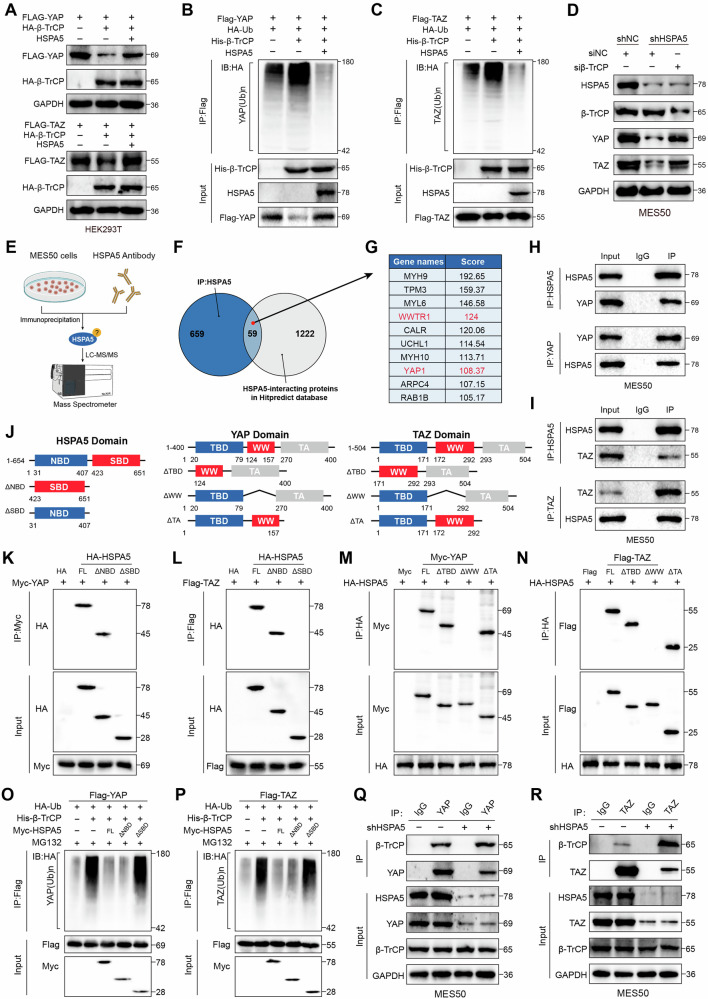 Figure 5
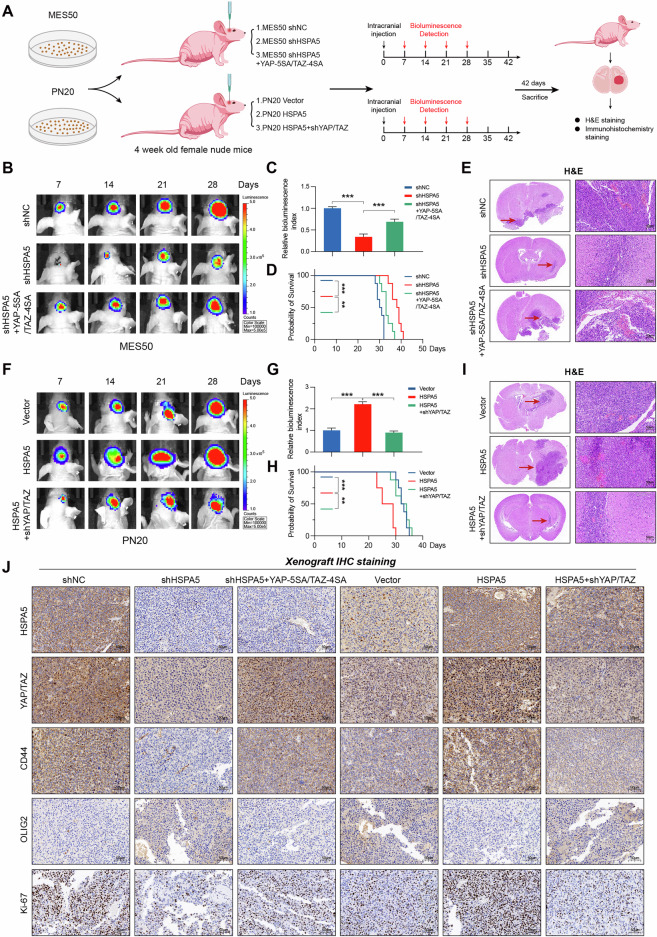 Figure 6
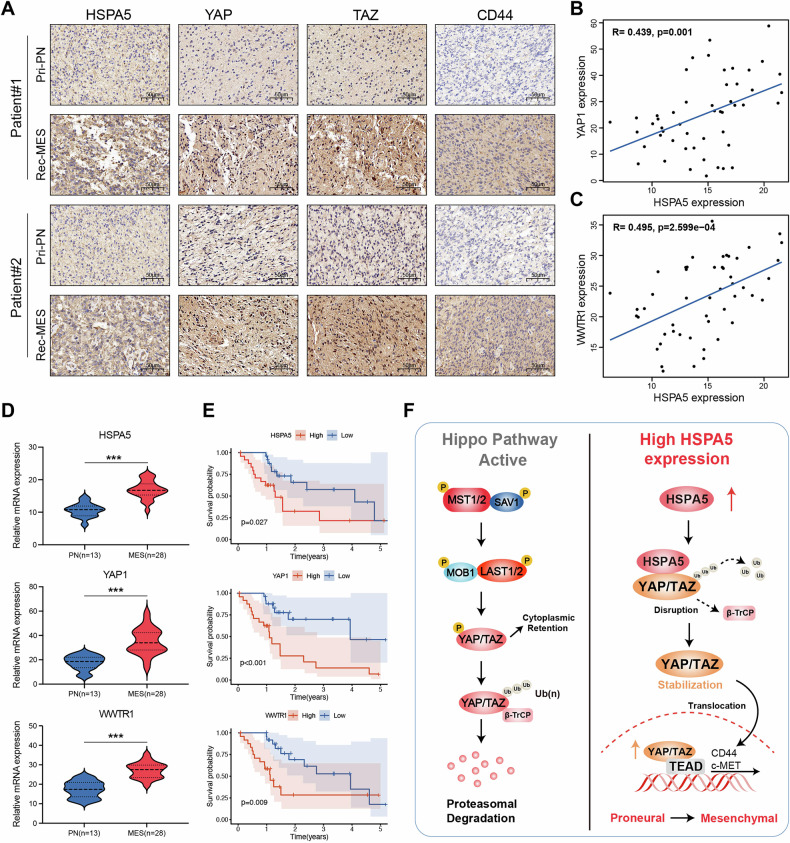 Figure 7
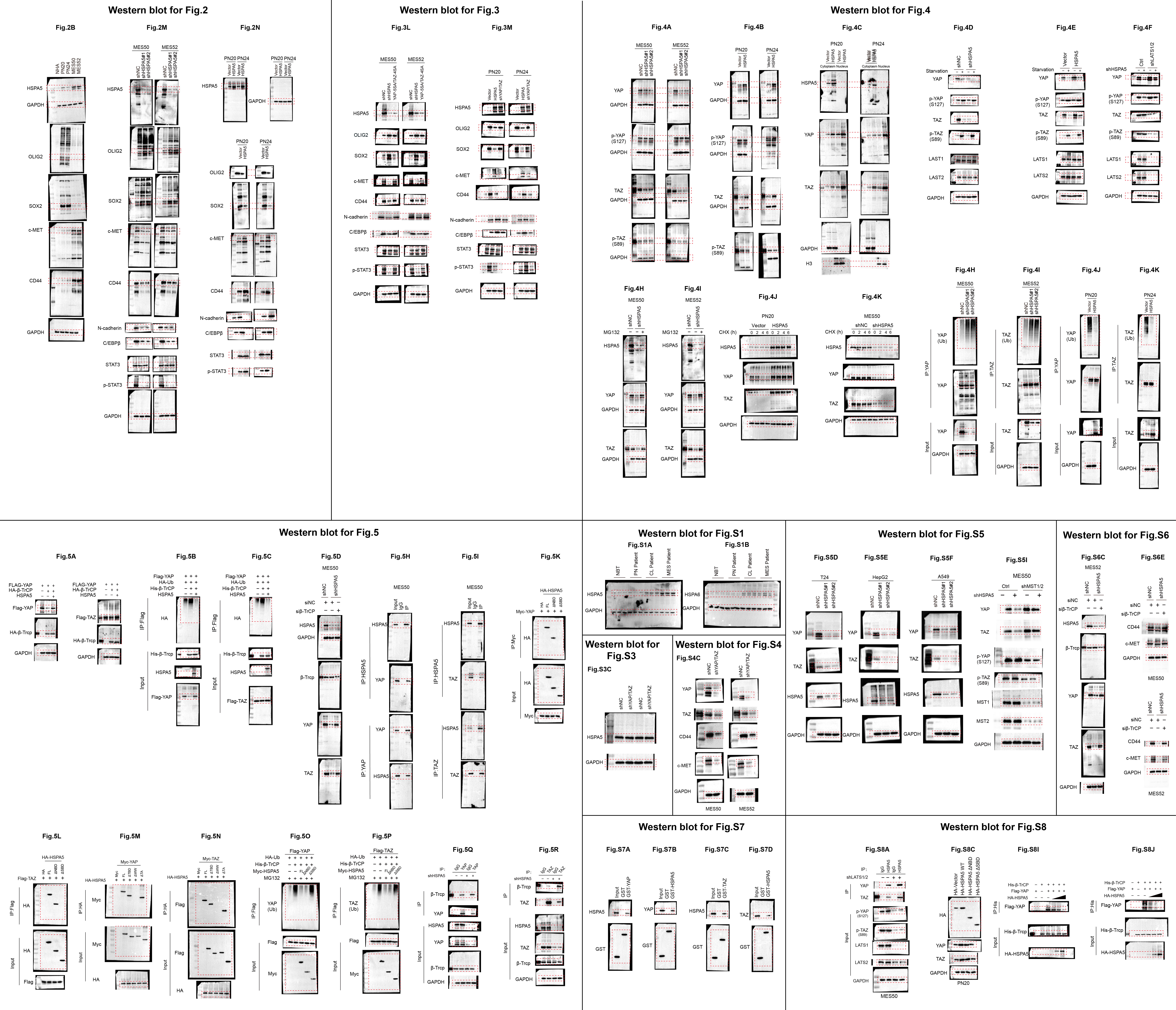 Figure 8
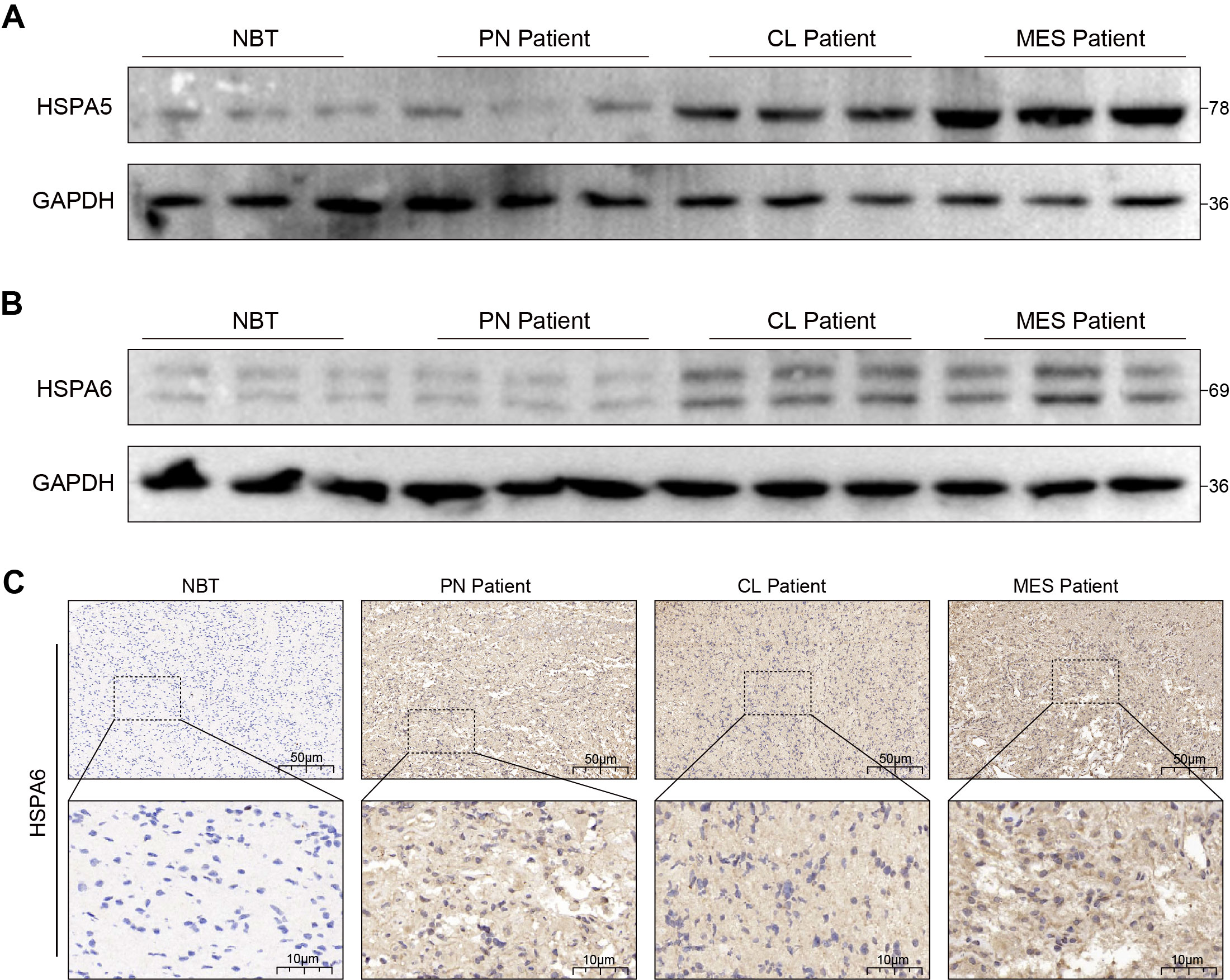 Figure 9
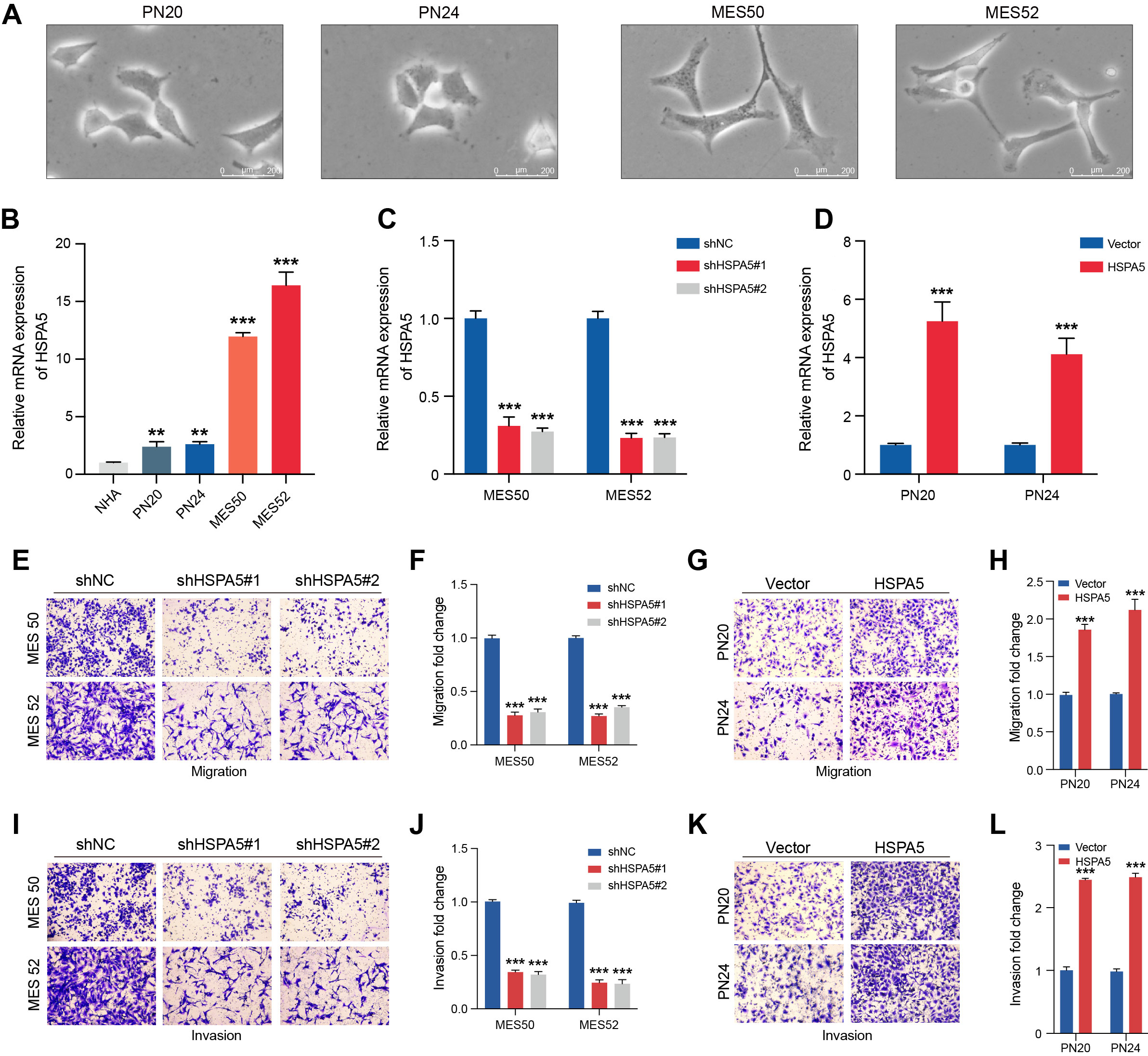 Figure 10
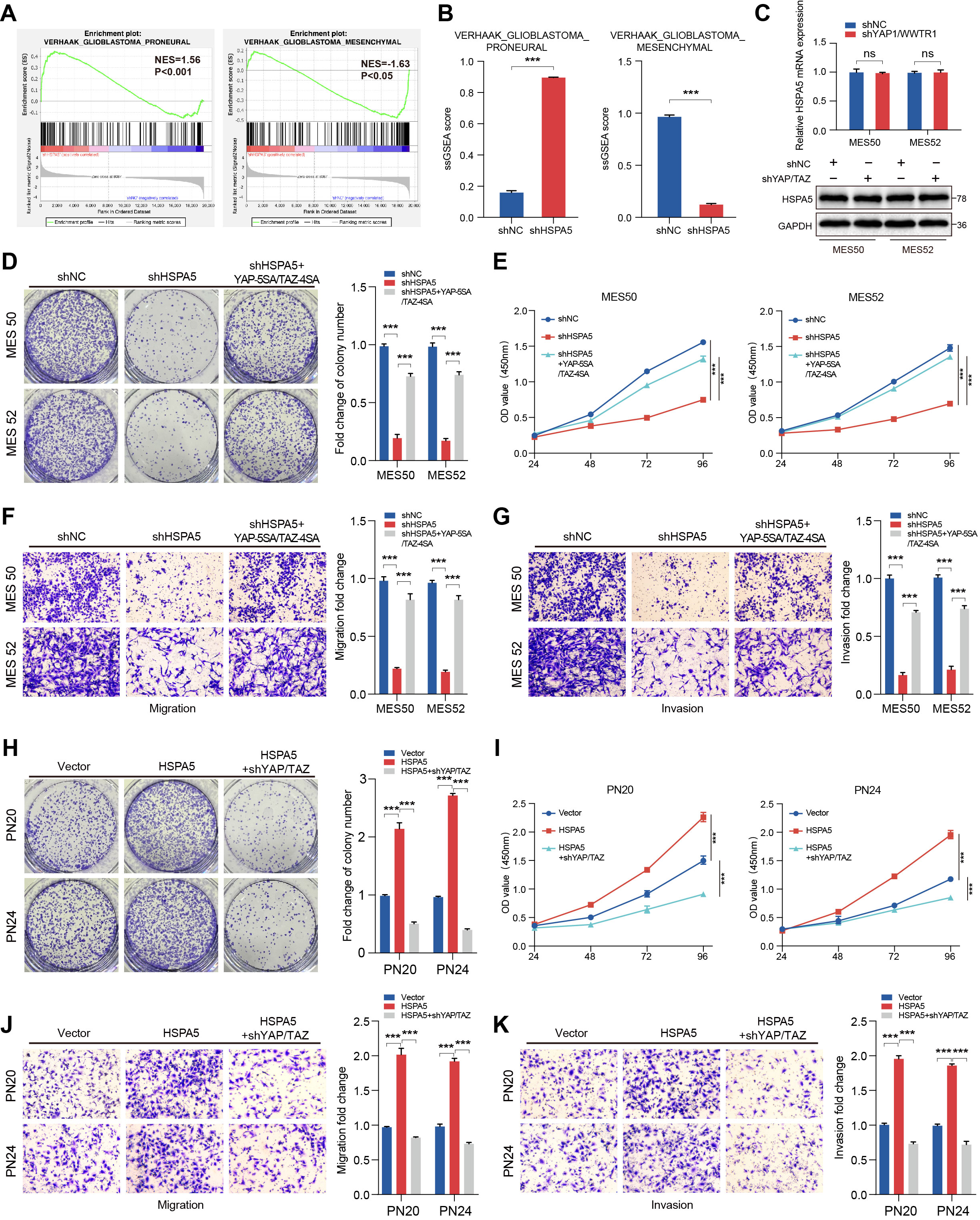 Figure 11
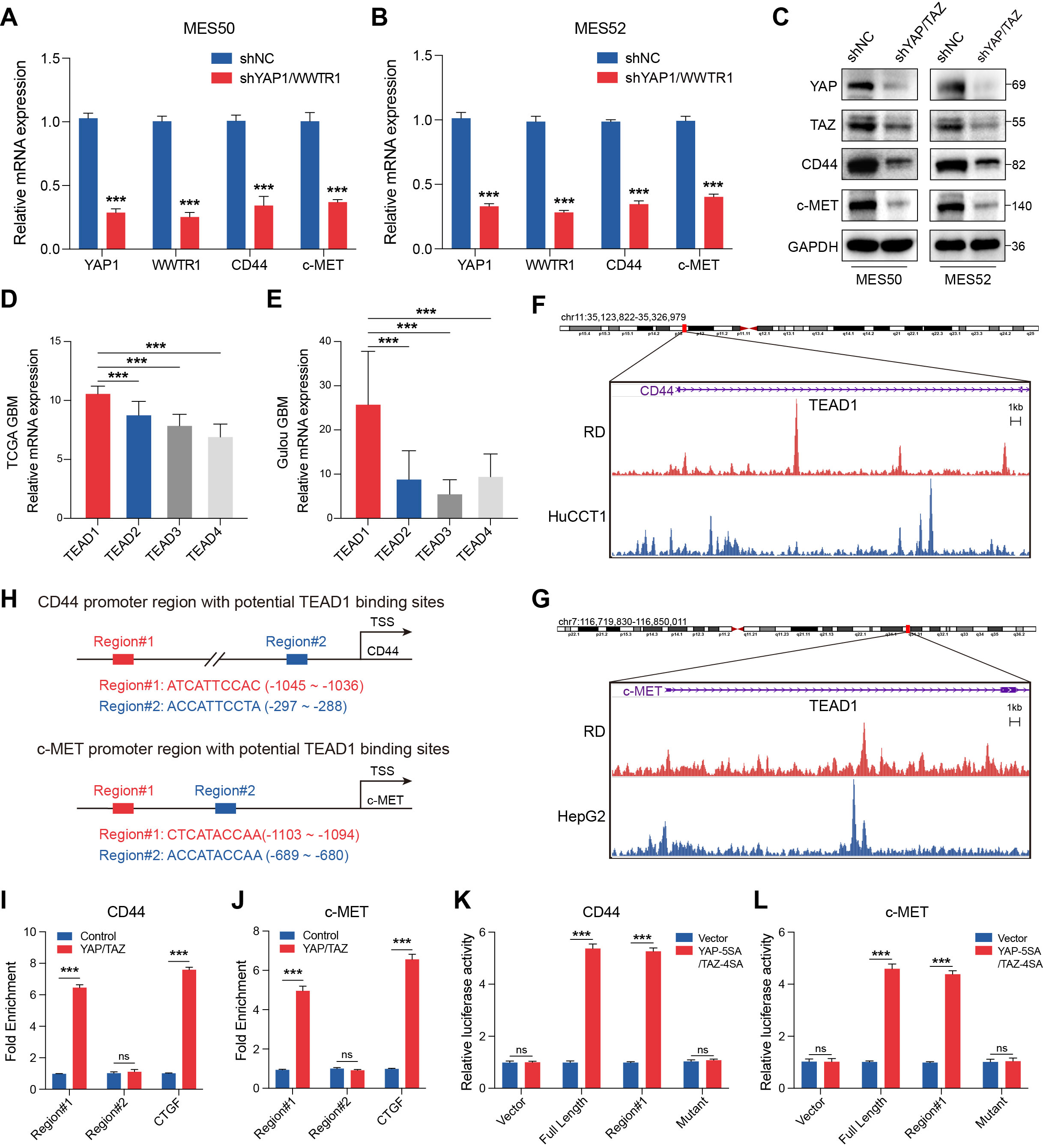 Figure 12
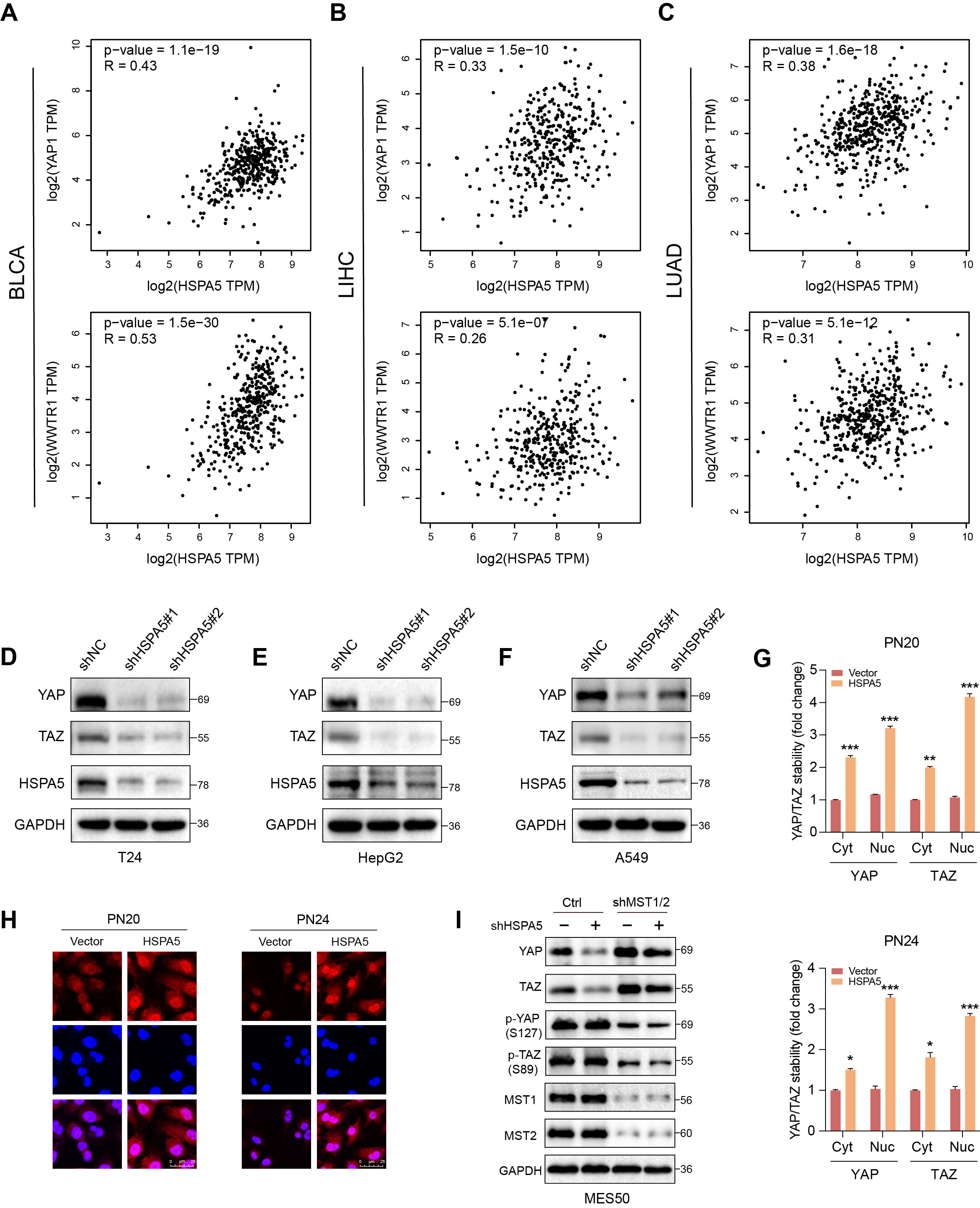 Figure 13
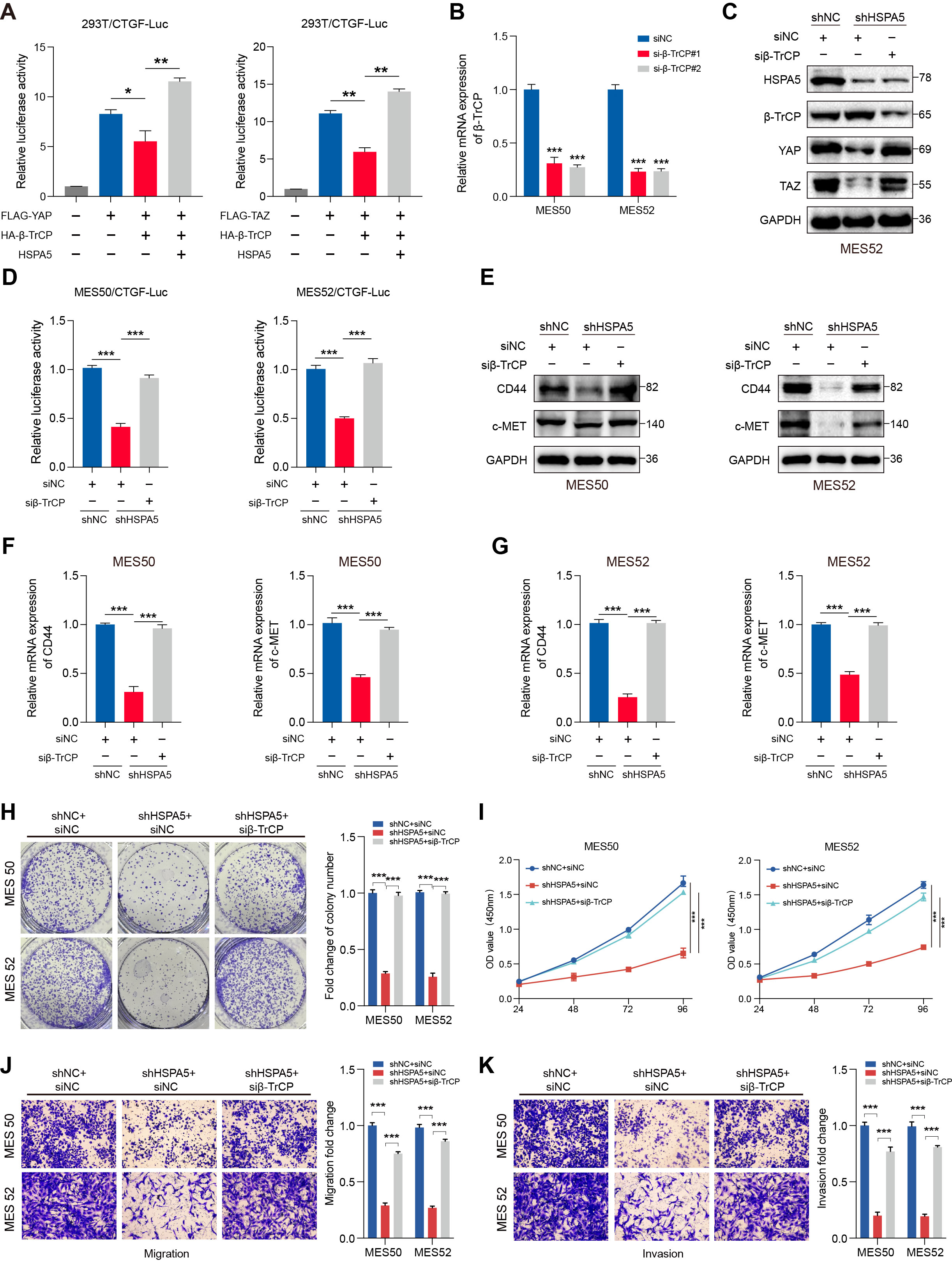 Figure 14
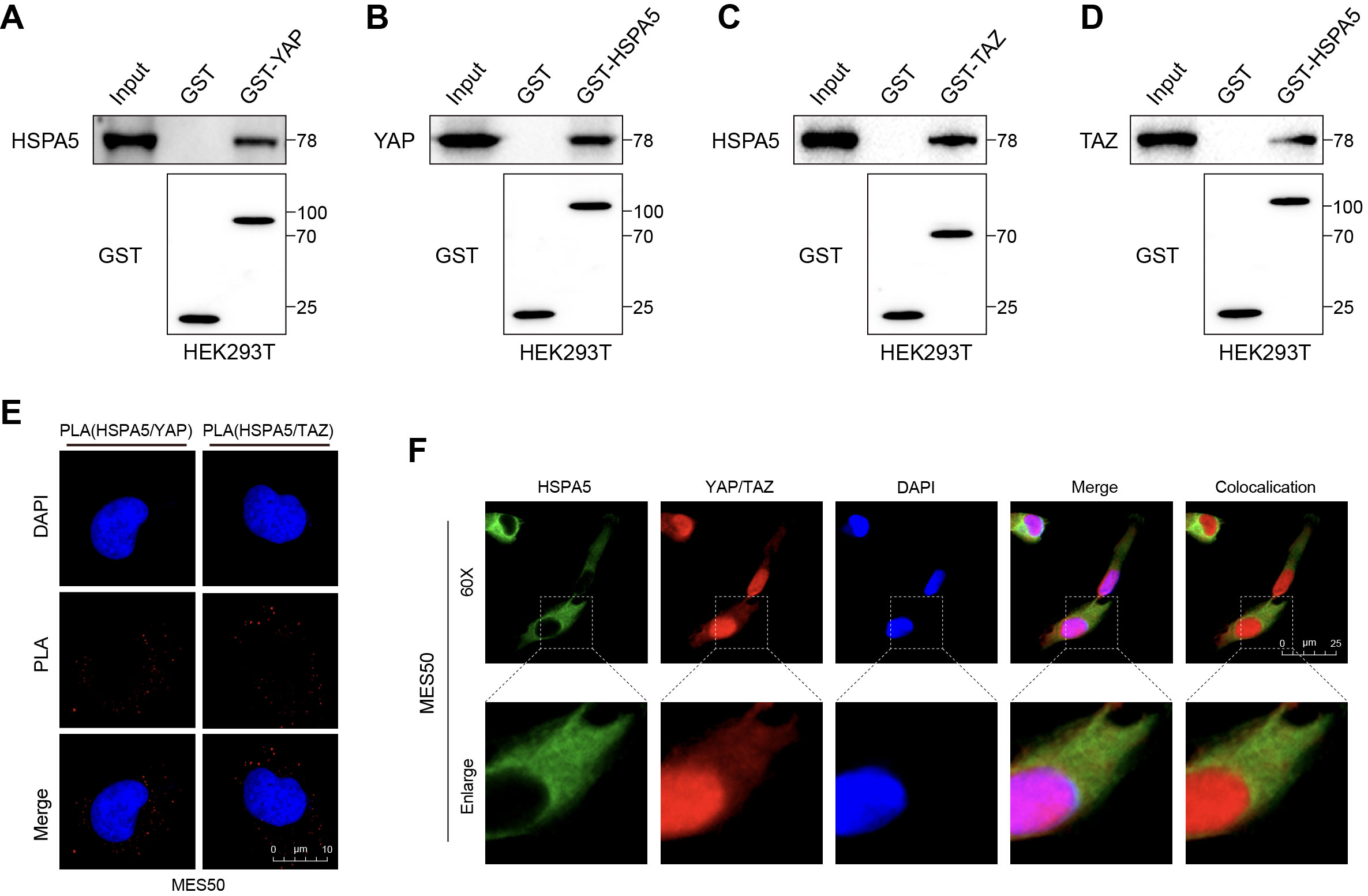 Figure 15
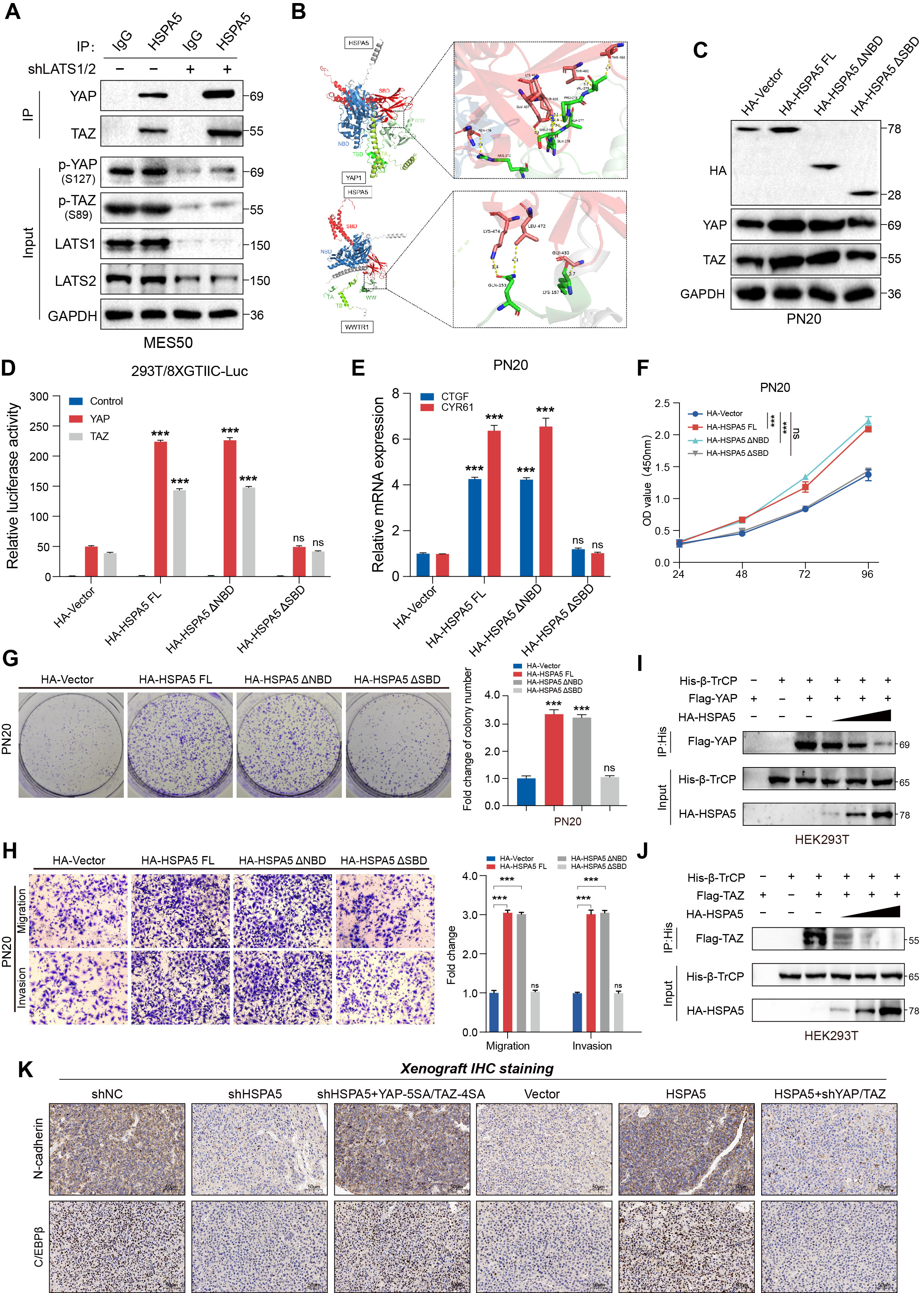 Figure 16
Peer Reviews
No public reviews on file for this paper yet. If you reviewed it on a platform where reviews are public (OpenReview, ICLR, NeurIPS, ICML), you can paste yours below so the community can read it here.
Videos
No videos yet. Explain this paper in a talk, walkthrough, or lecture? Add one.
Taxonomy
TopicsHippo pathway signaling and YAP/TAZ · Heat shock proteins research · FOXO transcription factor regulation