Climate change impacts on the global potential distribution of the human flea, Pulex irritans, and the global health risks
Hadeer Magdy, Magdi G. Shehata, Mona G. Shaalan, Eslam M. Hosni, Sara A. Al-Ashaal

TL;DR
This study predicts how climate change will expand the global range of human fleas, increasing the risk of diseases like plague in new regions.
Contribution
The first global assessment of climate-driven redistribution of Pulex irritans and its public health implications.
Findings
P. irritans is projected to expand toward higher latitudes in North and South America, Europe, Asia, and Africa.
Habitat loss is predicted in Africa and Australia due to extreme warming.
Warmer temperatures may increase plague risk in temperate zones by accelerating flea life cycles and pathogen transmission.
Abstract
The human flea, Pulex irritans, is a hematophagous ectoparasite and medically significant vector of zoonotic pathogens, such as Yersinia pestis (plague), Bartonella quintana (trench fever), and Rickettsia felis (flea-borne spotted fever). Despite the public health significance of P. irritans, the potential impacts of climate change on its global distribution were unstudied before. In this study, we created an ecological niche model (ENM) through integrating 564 georeferenced records and 15 bioclimatic variables using the Maximum Entropy (MaxEnt) algorithm to project the current and future habitat suitability of P. irritans under two high-emission scenarios (SSP370 and SSP585) for 2050 and 2070 from three General Circulation Models (GCMs). DIVA- GIS was used to confirm the current predictions. Results revealed that the Model’s performance was robust with high predictive accuracy (AUC =…
Genes, proteins, chemicals, diseases, species, mutations and cell lines named across the full text — each resolved to its canonical identifier and authoritative record.
Click any figure to enlarge with its caption.
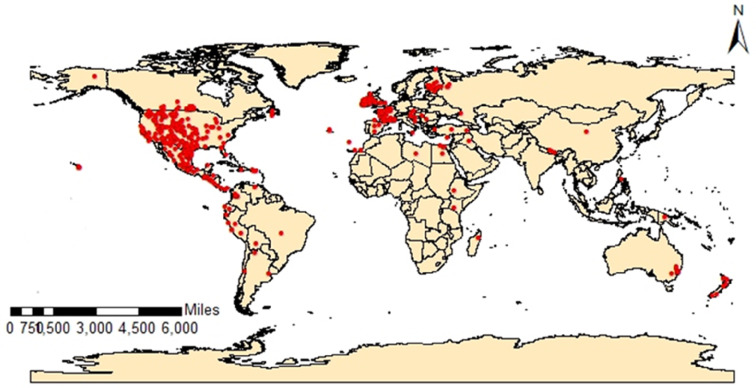 Figure 1
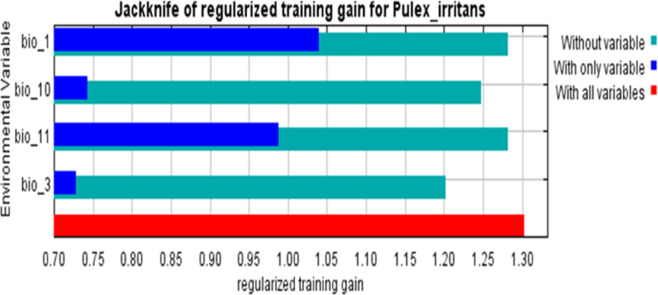 Figure 2
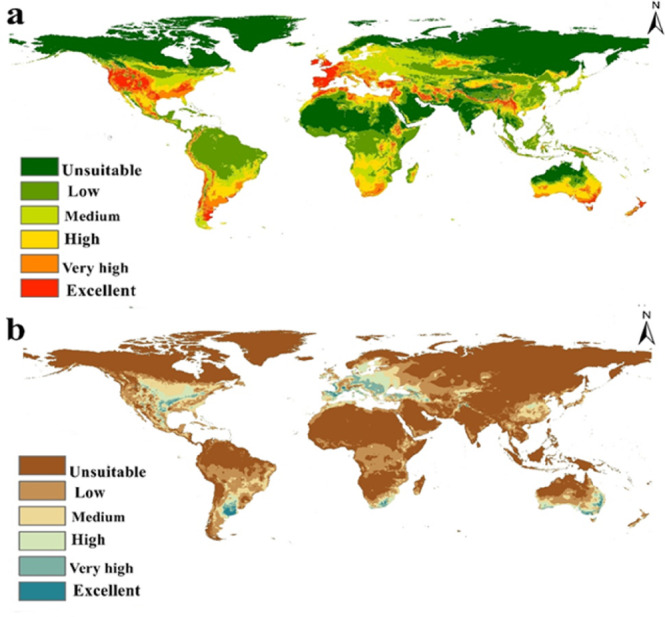 Figure 3
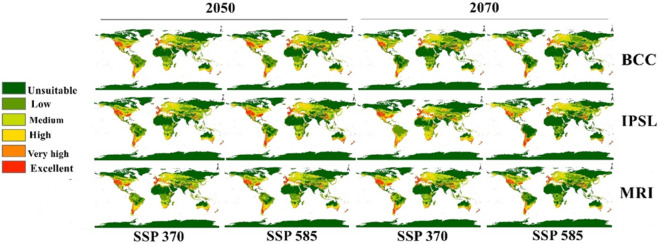 Figure 4
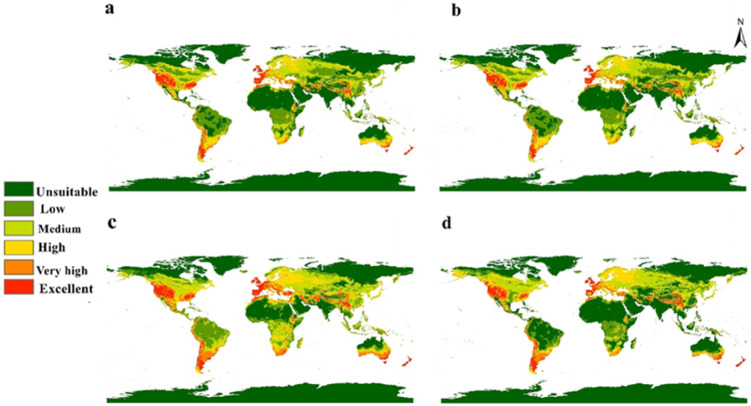 Figure 5
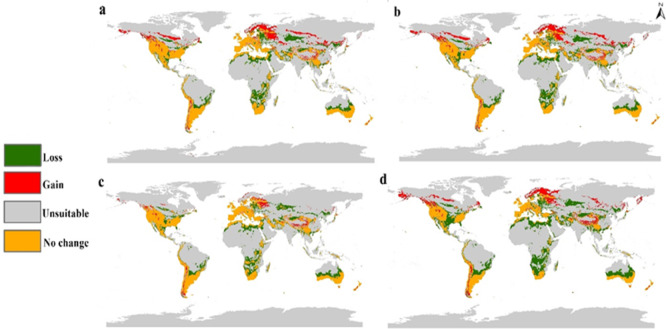 Figure 6
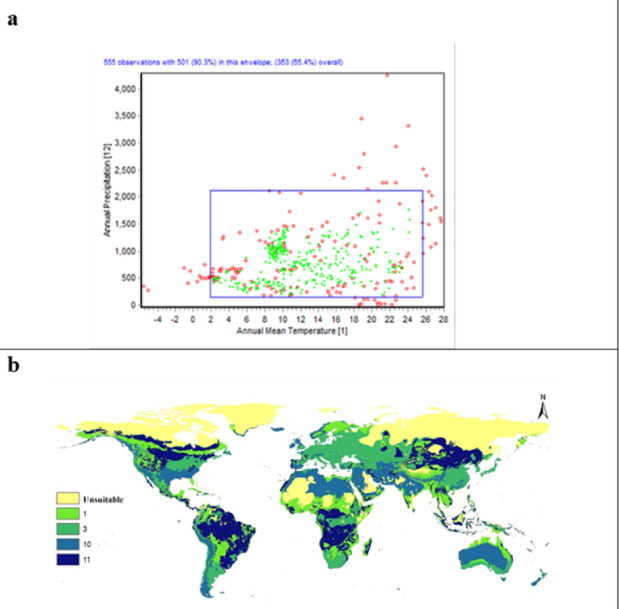 Figure 7
Peer Reviews
No public reviews on file for this paper yet. If you reviewed it on a platform where reviews are public (OpenReview, ICLR, NeurIPS, ICML), you can paste yours below so the community can read it here.
Videos
No videos yet. Explain this paper in a talk, walkthrough, or lecture? Add one.
Taxonomy
TopicsSpecies Distribution and Climate Change · Zoonotic diseases and public health · Yersinia bacterium, plague, ectoparasites research