Activating GCN2 and subsequently the Unfolded Protein Response with the small oral molecule NXP800 delays tumor growth in osteosarcoma
Emma Racineau, Morgane Lallier, Anaïs Postec, Jérôme Amiaud, Rose-Anne Thépault, Régis Brion, Séverine Battaglia, Céline Charrier, Marie-Anne Colle, Bénédicte Brounais-Le Royer, Marc Baud’huin, Franck Verrecchia, Benjamin Ory, Steven Georges, François Lamoureux

TL;DR
A new oral drug called NXP800 slows tumor growth in osteosarcoma by triggering cell death through stress response pathways.
Contribution
NXP800 is shown to activate GCN2 and the UPR to induce apoptosis in osteosarcoma cells, offering a novel therapeutic strategy.
Findings
NXP800 reduces viability of osteosarcoma cells by blocking proliferation and inducing apoptosis.
NXP800 activates the UPR via GCN2, and GCN2 inhibition partially restores cell viability.
NXP800 delays tumor growth in preclinical models by promoting apoptosis through IRE1α/JNK/c-Jun and Puma pathways.
Abstract
Osteosarcoma (OS) is the most common primary malignant bone tumor mainly affecting children and young adults. Despite current treatments combining polychemotherapy and surgery, survival rates have remained unchanged for decades, highlighting the need to identify novel therapeutic approaches. NXP800, a newly developed orally available molecule, represents a promising therapeutic option. The therapeutic efficacy of NXP800 was evaluated in vitro and in a preclinical murine xenograft model of OS. RNA-seq analysis and functional assays were conducted to investigate the mechanisms of action and molecular target of NXP800. NXP800 decreases the viability of OS cell lines by blocking proliferation and inducing apoptosis. Mechanistically, NXP800 activates the Unfolded Protein Response (UPR), as demonstrated by eIF2α phosphorylation and ATF4 upregulation. This effect is mediated through the…
Genes, proteins, chemicals, diseases, species, mutations and cell lines named across the full text — each resolved to its canonical identifier and authoritative record.
Click any figure to enlarge with its caption.
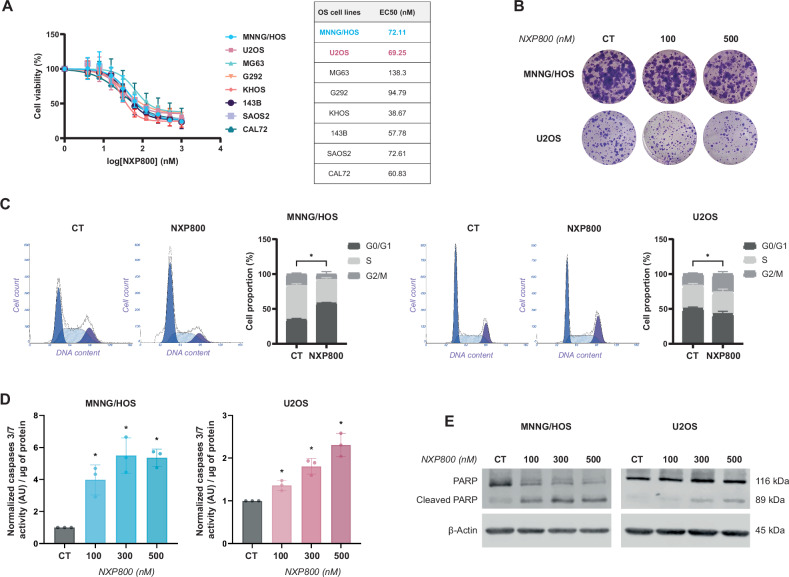 Figure 1
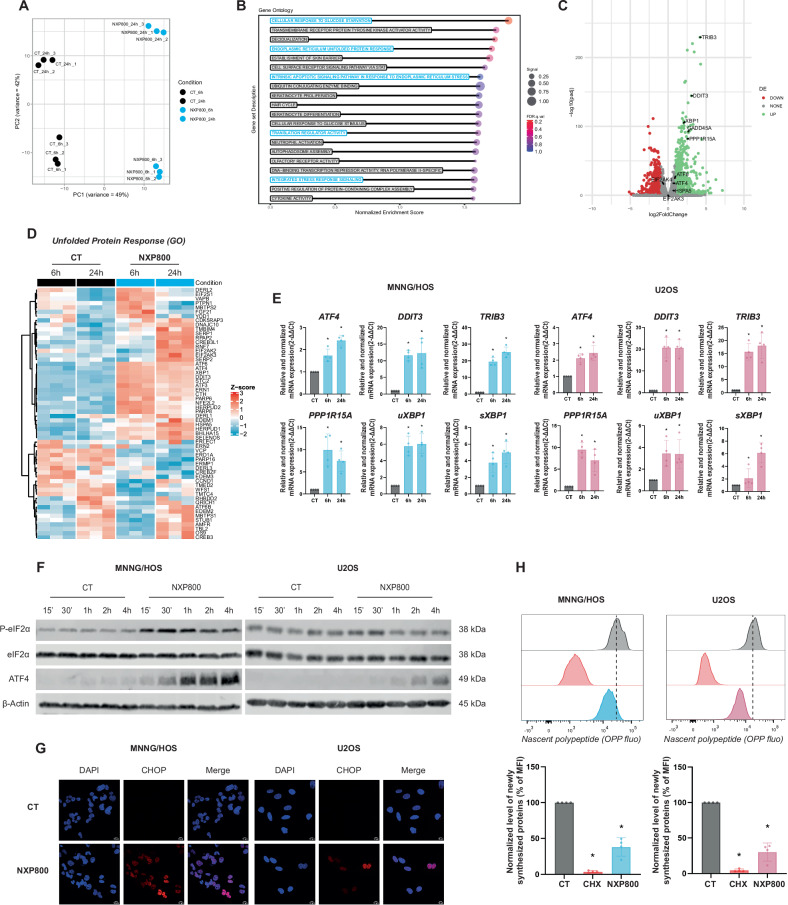 Figure 2
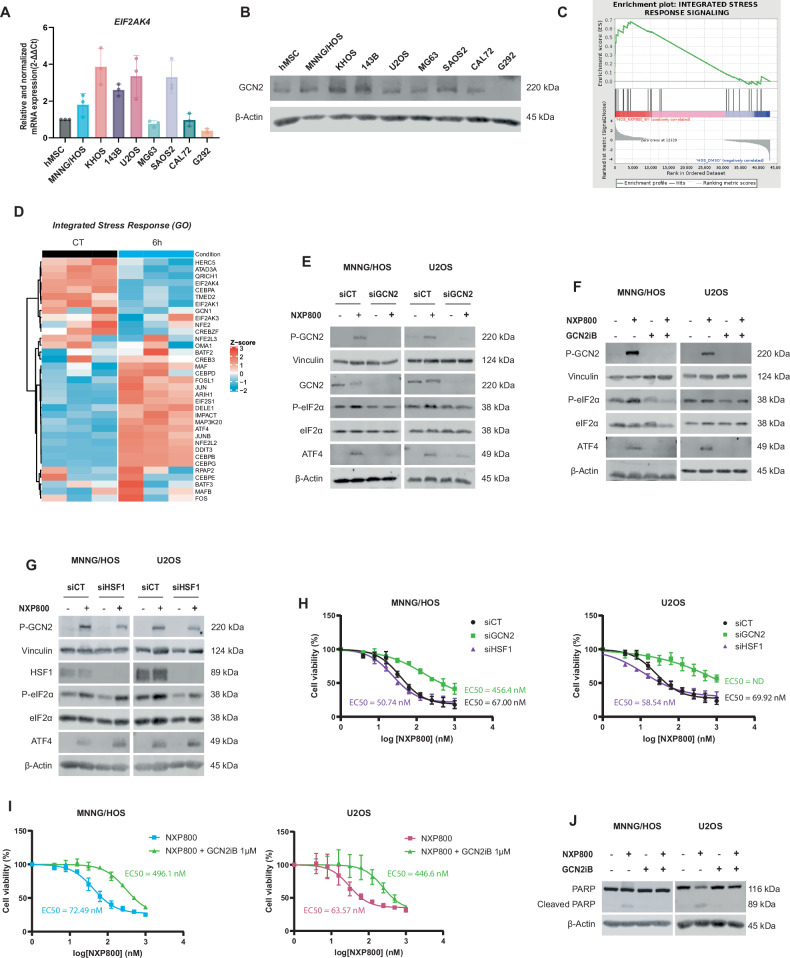 Figure 3
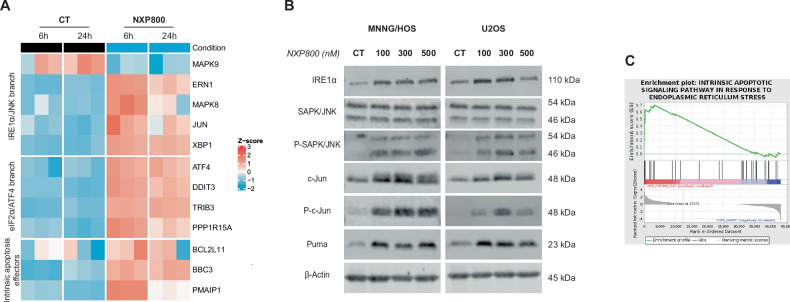 Figure 4
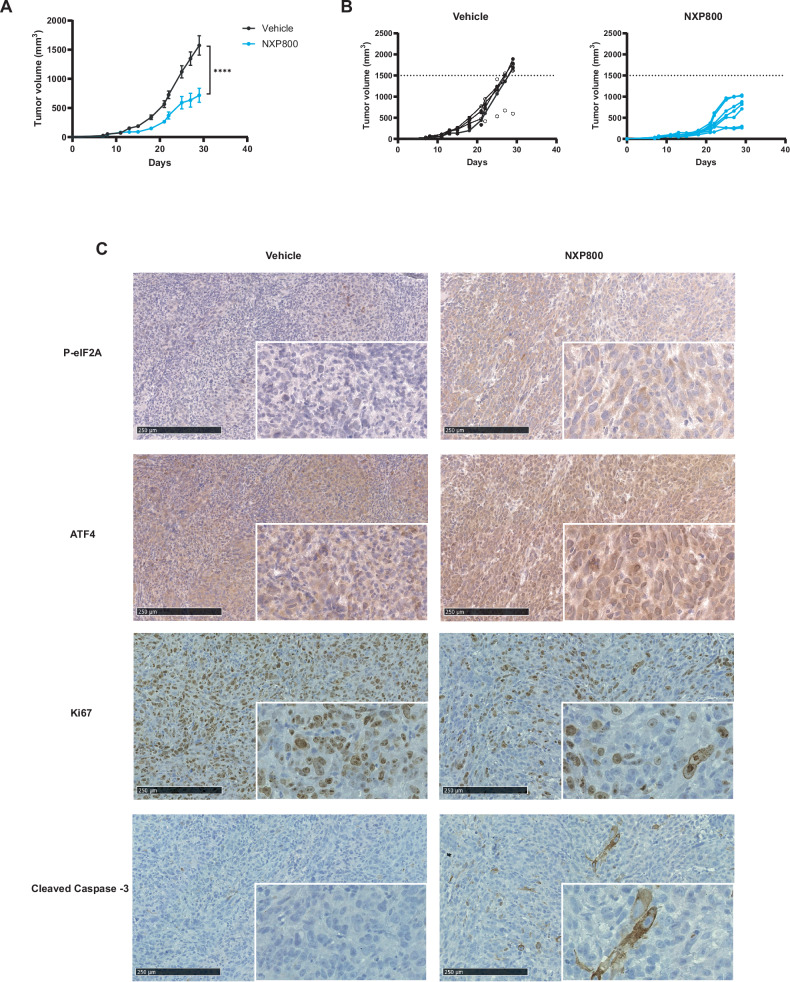 Figure 5
Peer Reviews
No public reviews on file for this paper yet. If you reviewed it on a platform where reviews are public (OpenReview, ICLR, NeurIPS, ICML), you can paste yours below so the community can read it here.
Videos
No videos yet. Explain this paper in a talk, walkthrough, or lecture? Add one.
Taxonomy
TopicsEndoplasmic Reticulum Stress and Disease · Microbial Inactivation Methods · Heat shock proteins research