Structural and computational supported development of 2,5-disubstituted-1,3,4-oxadiazole analogues as active LOX, urease, and α-glucosidase inhibitors
Jamila Javid, Aziz-ur-Rehman, Javed Iqbal, Ijaz Ahmed, Nadia Bhatti, Aleksey Kuznetsov, Fatiqa Zafar, Muhammad Adnan Ayub, Osama A. Mohammed, Samiah H. Al-Mijalli, Munawar Iqbal, Syed A. Ali Shah

TL;DR
Researchers developed new 1,3,4-oxadiazole compounds that effectively inhibit enzymes linked to diseases like diabetes and inflammation.
Contribution
The study introduces novel 2,5-disubstituted-1,3,4-oxadiazole analogues with strong enzyme inhibition properties.
Findings
Compounds 7a, 7f, 7i, 7l, and 7n showed high inhibition of α-glucosidase with low IC50 values.
Compounds 7b, 7h, and 7n were the most potent lipoxygenase inhibitors.
Compound 7l outperformed thiourea in urease inhibition with a 98.45% inhibition rate.
Abstract
A series of N-substituted analogues of 1,3,4-oxadiazole were synthesized and screened for their enzyme inhibitory activity against lipoxygenase, α-glucosidase, and urease enzymes. Spectroscopy studies including IR, 13C-NMR, and 1H-NMR techniques were used to confirm structures of the novel compounds obtained. Compounds 7a, 7f, 7i, 7l, and 7n were found to be the best inhibitor candidates with the highest % of inhibition (89.42 ± 1.33, 78.79 ± 1.29, 84.87 ± 1.53, 75.67 ± 1.62, and 89.54 ± 1.48, respectively) and the least IC50 values (7.15 ± 1.34, 14.26 ± 1.07, 9.12 ± 1.17, 14.31 ± 1.19, and 7.03 ± 1.08 µM, respectively) against α-glucosidase compared to acarbose used as a standard. Compounds 7b, 7h, and 7n were found to be the most potent with % of inhibition 92.2 ± 0.5, 94.5 ± 0.6, and 92.8 ± 0.8, respectively, and with the IC50 values 4 ± 1.05, 1.0 ± 0.3, and 1.5 ± 0.5 µM,…
Genes, proteins, chemicals, diseases, species, mutations and cell lines named across the full text — each resolved to its canonical identifier and authoritative record.
Click any figure to enlarge with its caption.
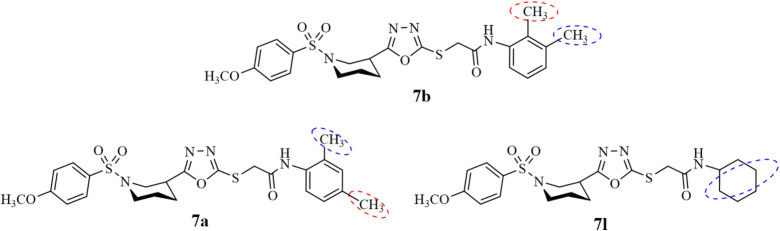 Figure 10
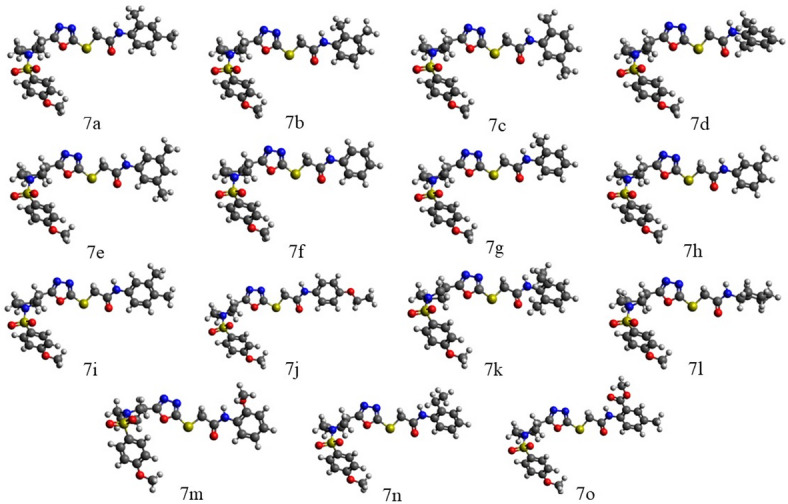 Figure 11
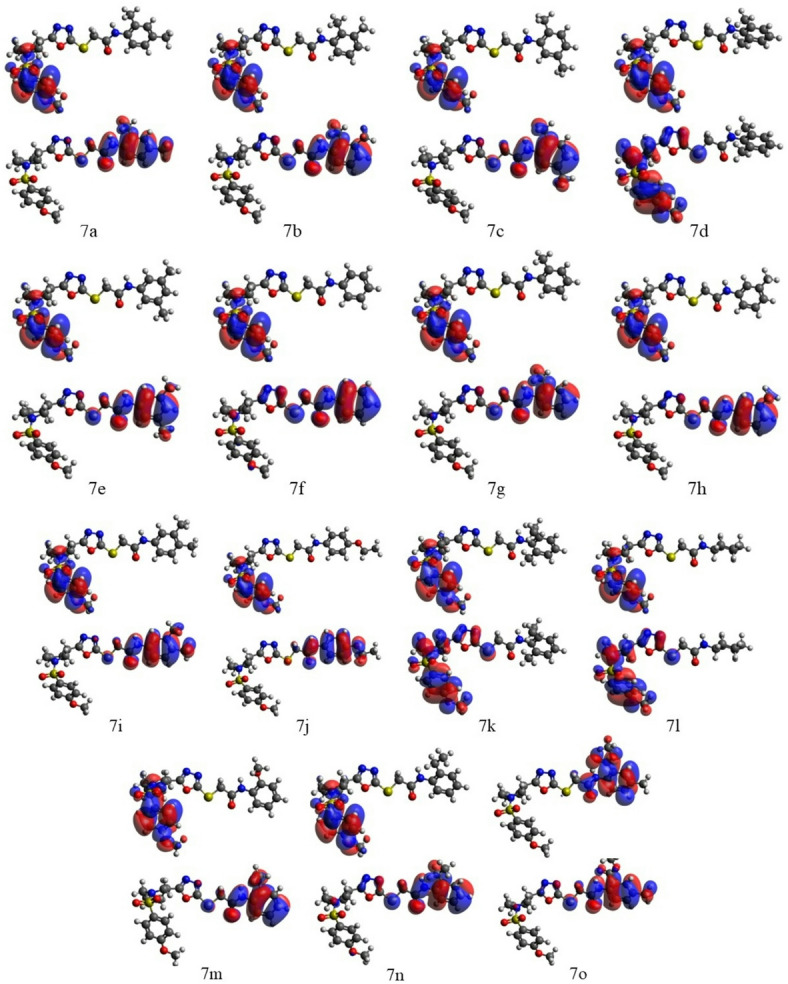 Figure 12
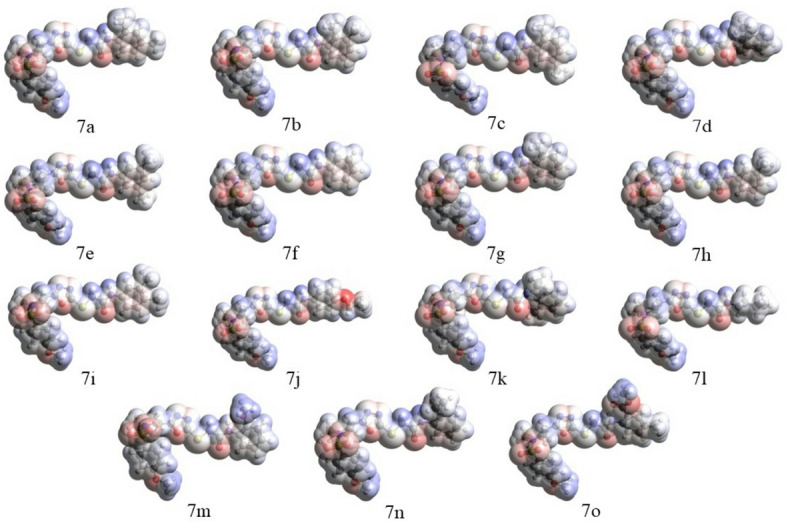 Figure 13
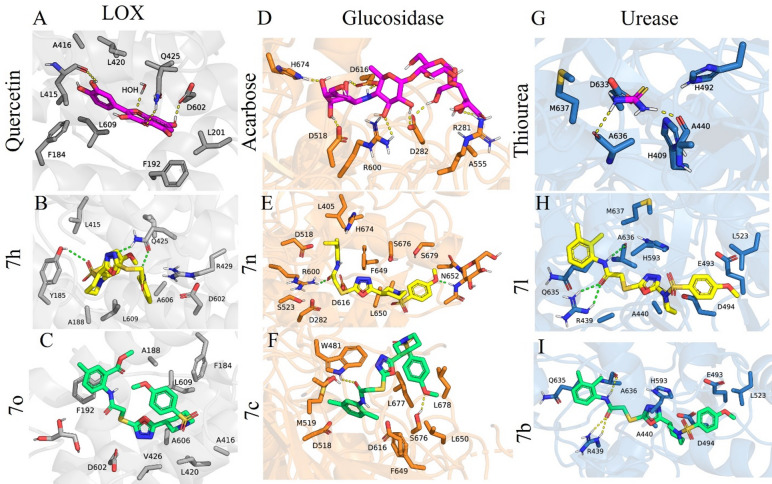 Figure 14
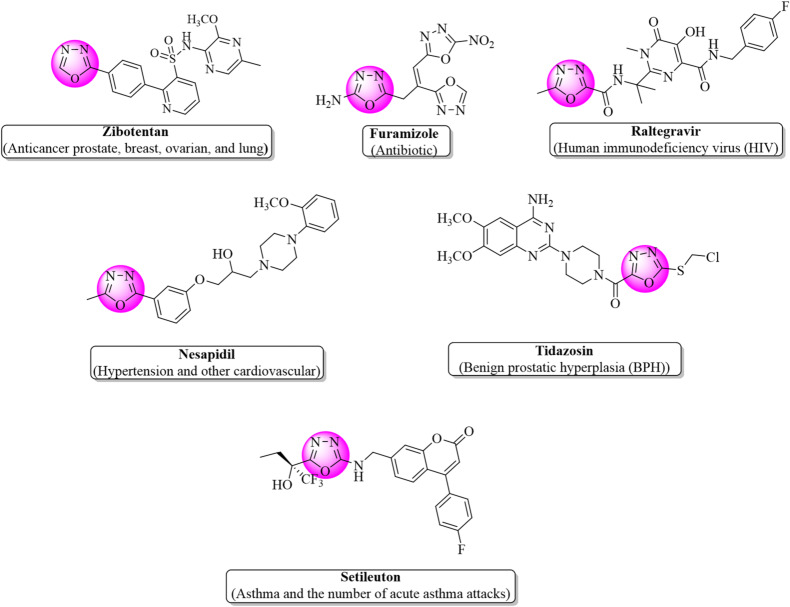 Figure 1
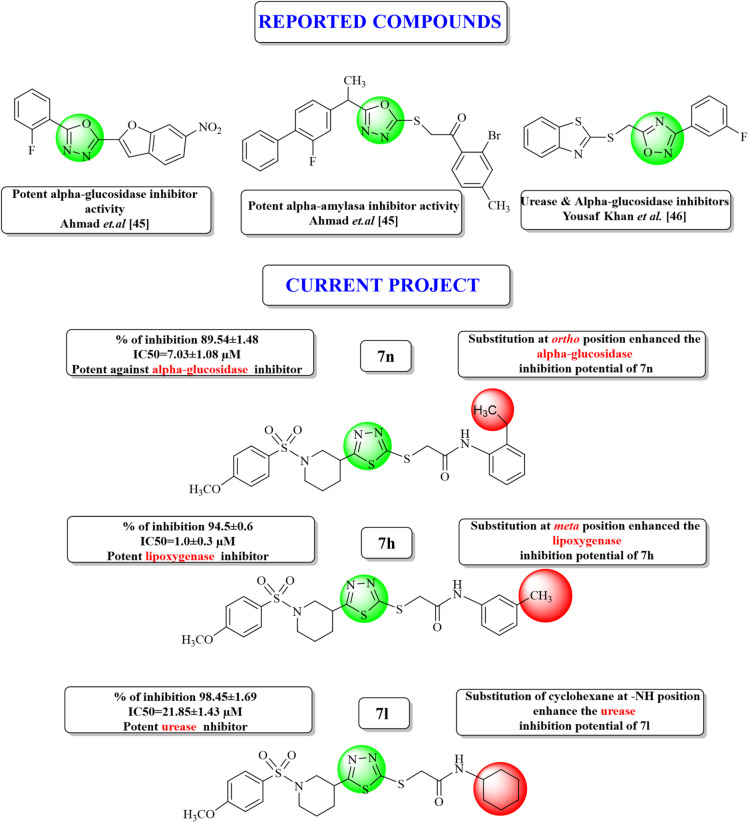 Figure 2
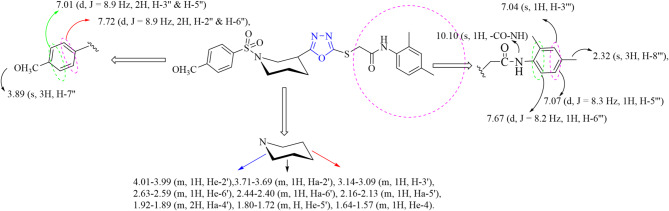 Figure 3
 Figure 4
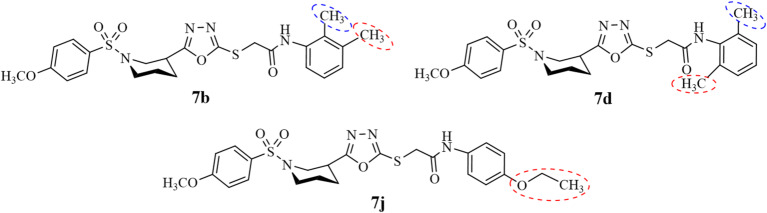 Figure 5
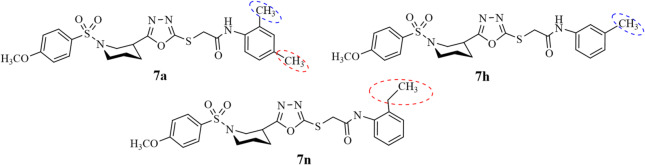 Figure 6
 Figure 7
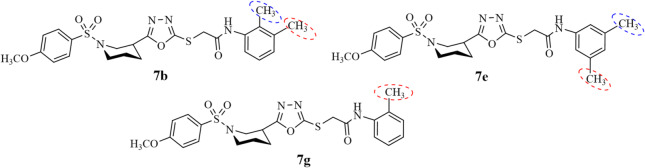 Figure 8
 Figure 9
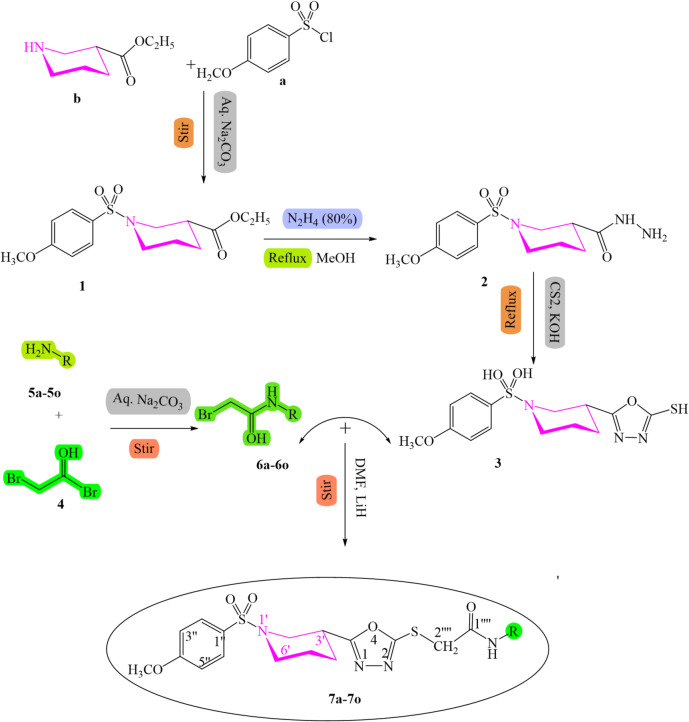 Figure 15
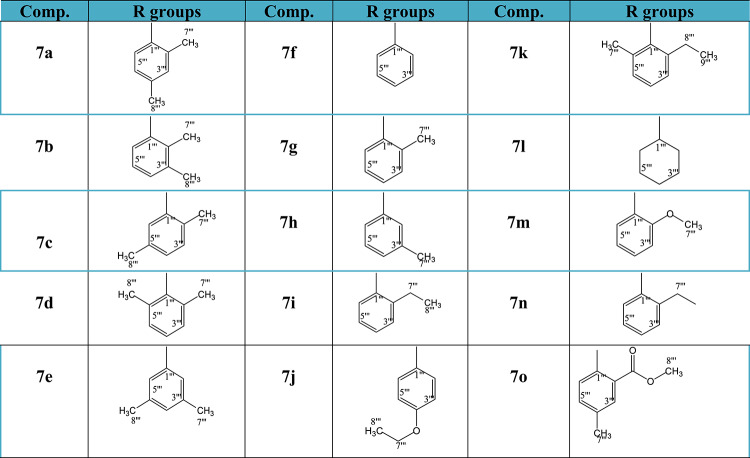 Figure 16
Peer Reviews
No public reviews on file for this paper yet. If you reviewed it on a platform where reviews are public (OpenReview, ICLR, NeurIPS, ICML), you can paste yours below so the community can read it here.
Videos
No videos yet. Explain this paper in a talk, walkthrough, or lecture? Add one.
Taxonomy
TopicsMicrobial Applications in Construction Materials · Natural Antidiabetic Agents Studies · Synthesis and biological activity