Conserved lipid metabolic reprogramming confers hypoxic and aging resilience
Wei I Jiang, Goncalo Dias do Vale, Quentinn Pearce, Kaitlyn Kong, Wenbin Zhou, Jeffrey G McDonald, James E Cox, Neel S Singhal, Dengke K Ma

TL;DR
This paper shows that reducing triglycerides helps cells survive hypoxia and aging, using Arctic ground squirrels and C. elegans as models.
Contribution
The study identifies conserved lipid metabolic reprogramming as a resilience mechanism against hypoxia and aging.
Findings
Triglyceride downregulation in Arctic ground squirrel neural stem cells enhances hypoxic resilience.
Inhibiting lipid biosynthesis protects against APOE4-induced pathologies and aging in C. elegans.
Reduced lipid biosynthesis decreases mitochondrial fission and improves hypoxic survival in C. elegans.
Abstract
The Arctic ground squirrel (AGS, Urocitellus parryii), an extreme hibernator, exhibits remarkable resilience to stressors like hypoxia and hypothermia, making it an ideal model for studying cellular metabolic adaptation. The underlying mechanisms of AGS resilience are largely unknown. Here, we use lipidomic and metabolomic profiling to discover specific downregulation of triglyceride lipids and upregulation of the lipid biosynthetic precursor malonic acid in AGS neural stem cells (NSC) versus murine NSCs. Inhibiting lipid biosynthesis recapitulates hypoxic resilience of squirrel NSCs. Extending this model, we find that acute exposure to hypoxia downregulates key lipid biosynthetic enzymes in C. elegans, while inhibiting lipid biosynthesis reduces mitochondrial fission and facilitates hypoxic survival. Moreover, inhibiting lipid biosynthesis protects against APOE4-induced pathologies and…
Genes, proteins, chemicals, diseases, species, mutations and cell lines named across the full text — each resolved to its canonical identifier and authoritative record.
Click any figure to enlarge with its caption.
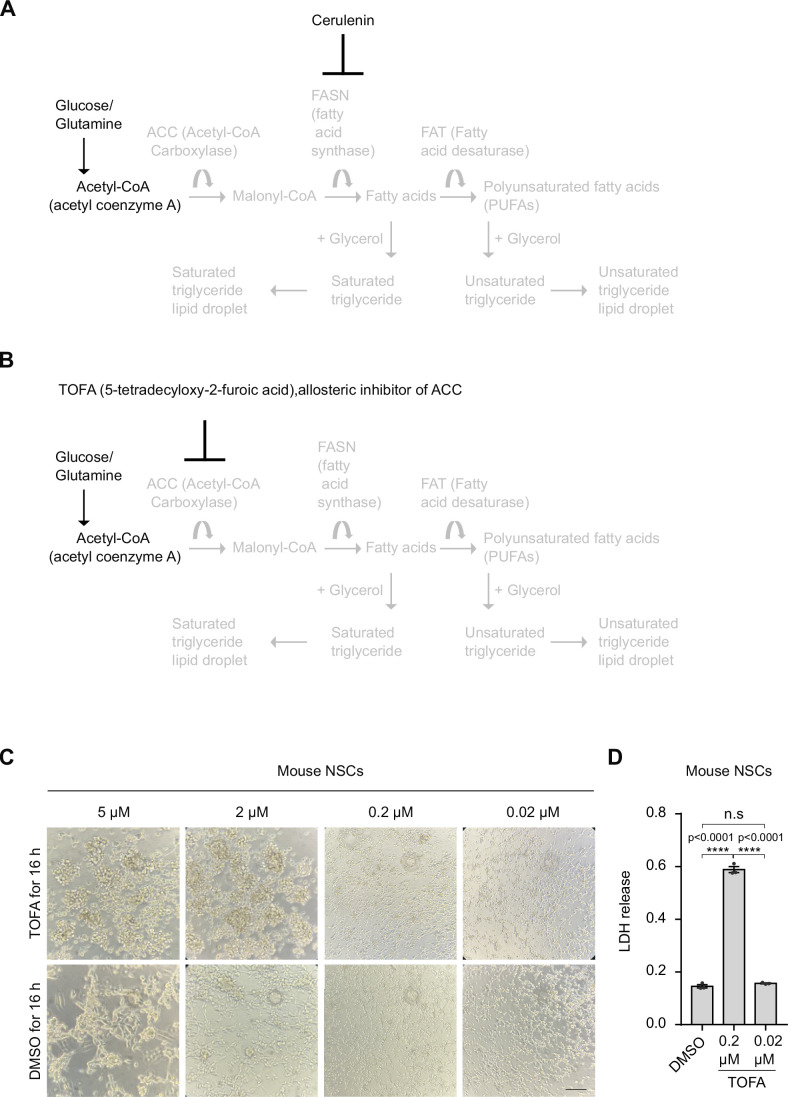 Figure 10
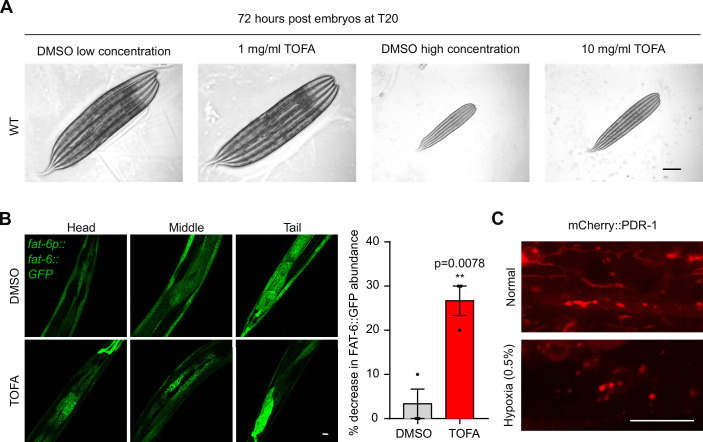 Figure 11
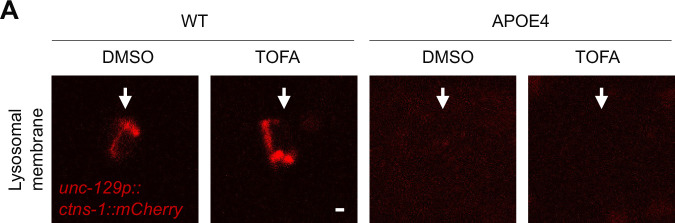 Figure 12
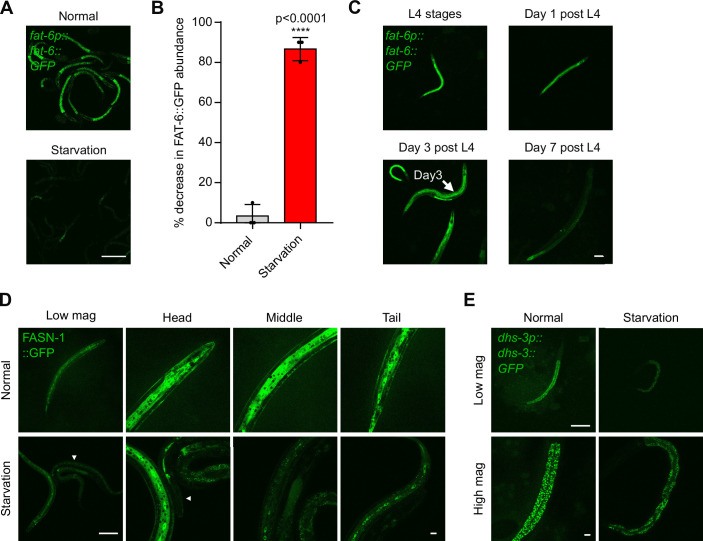 Figure 13
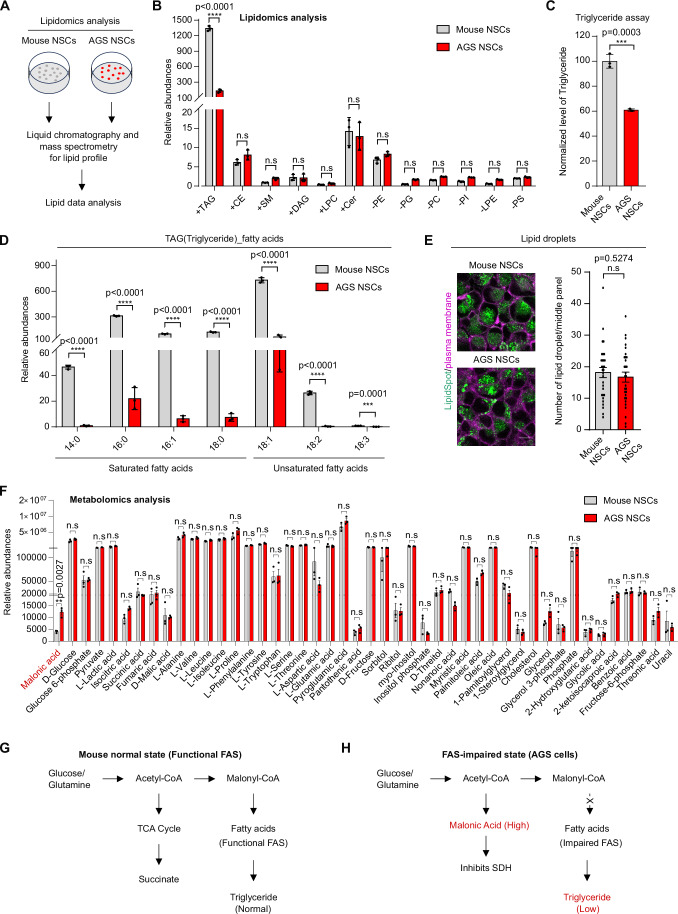 Figure 1
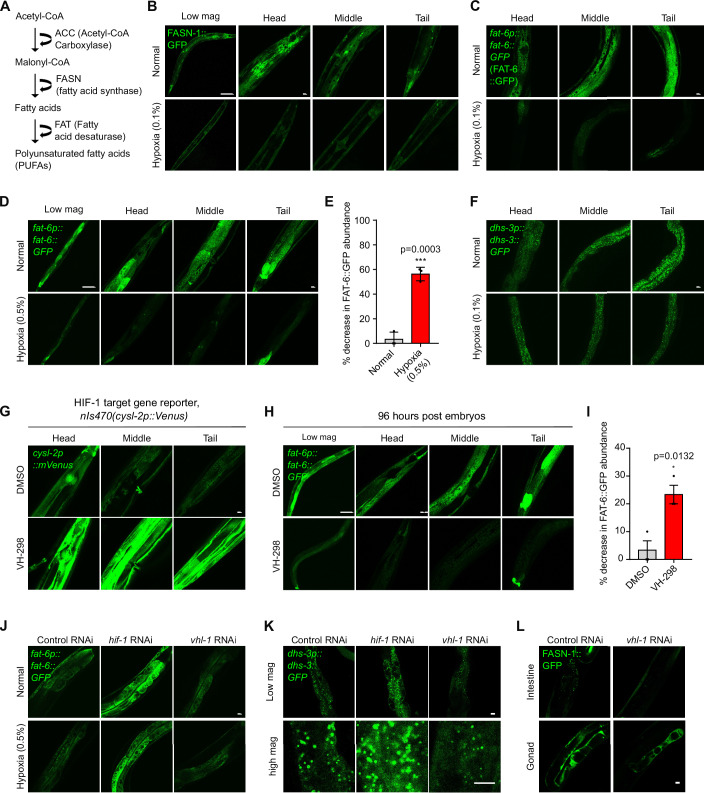 Figure 2
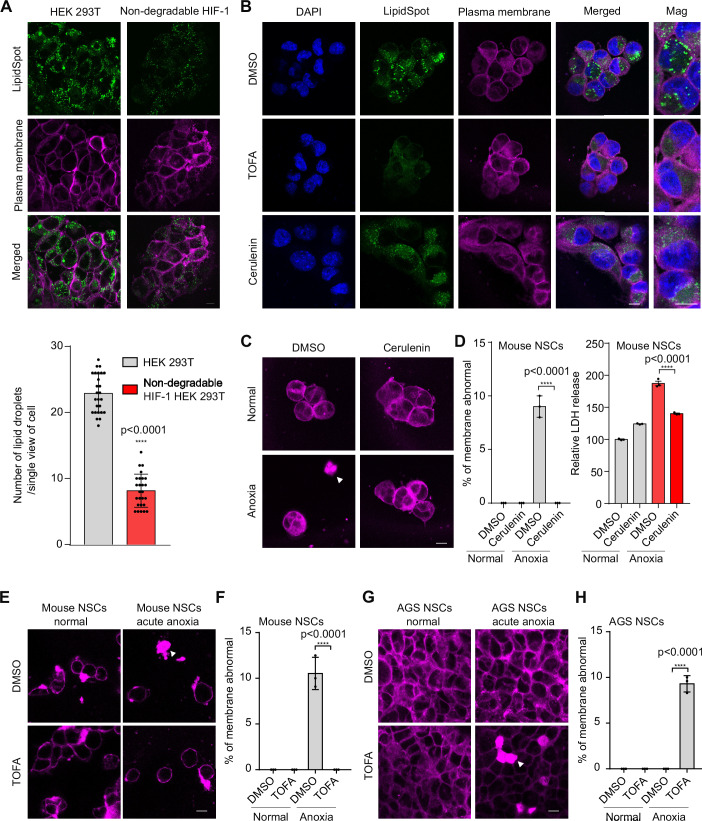 Figure 3
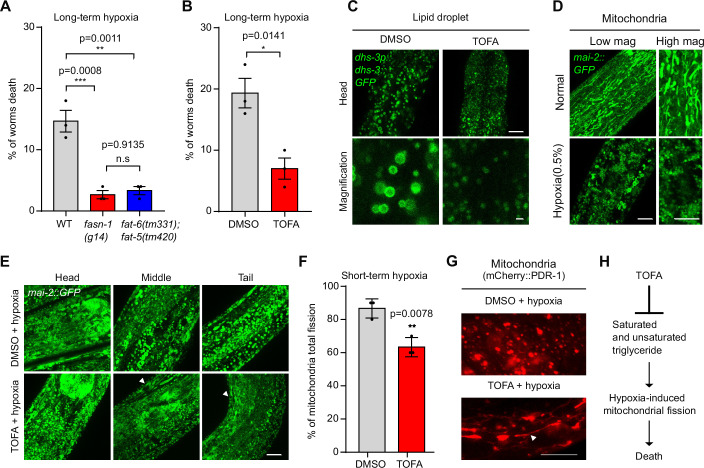 Figure 4
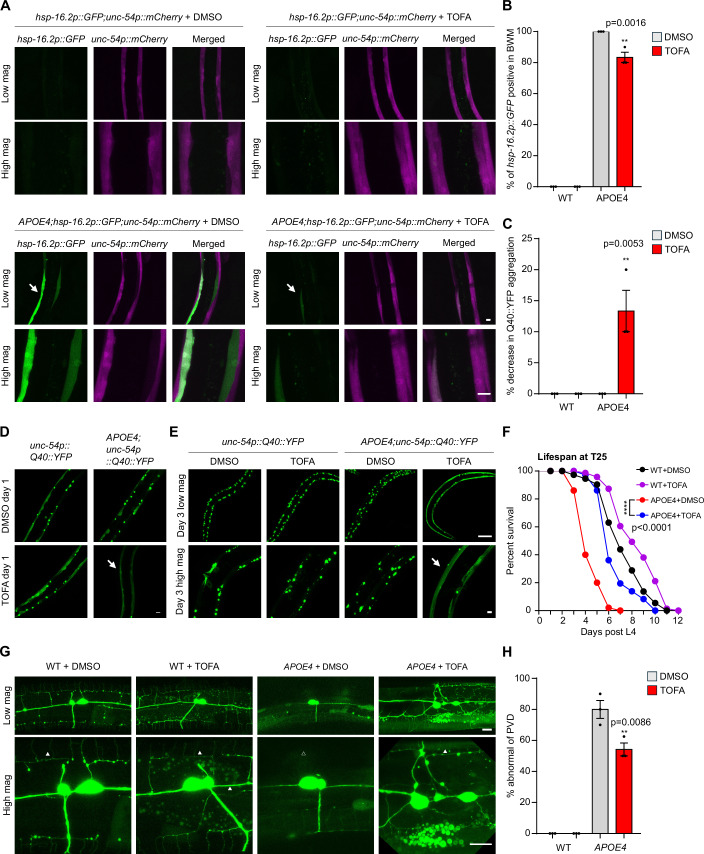 Figure 5
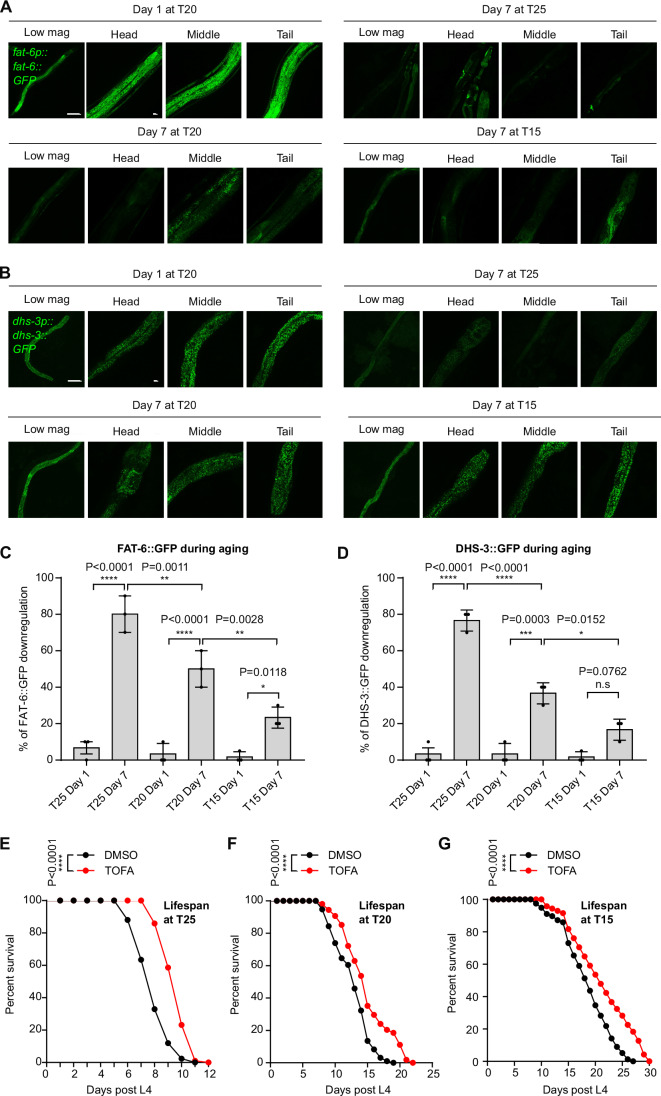 Figure 6
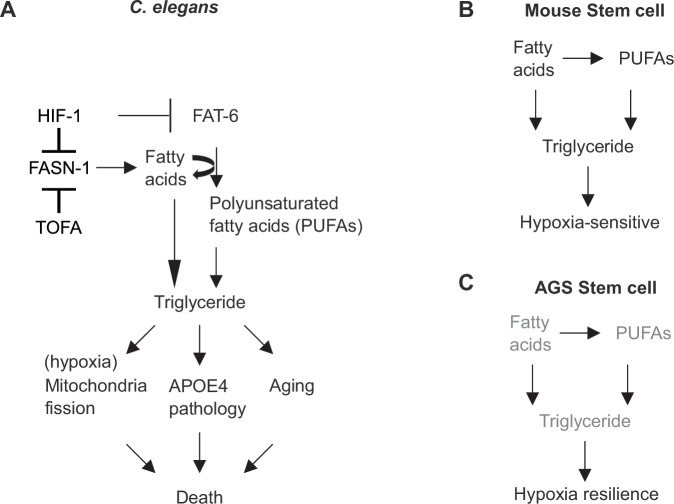 Figure 7
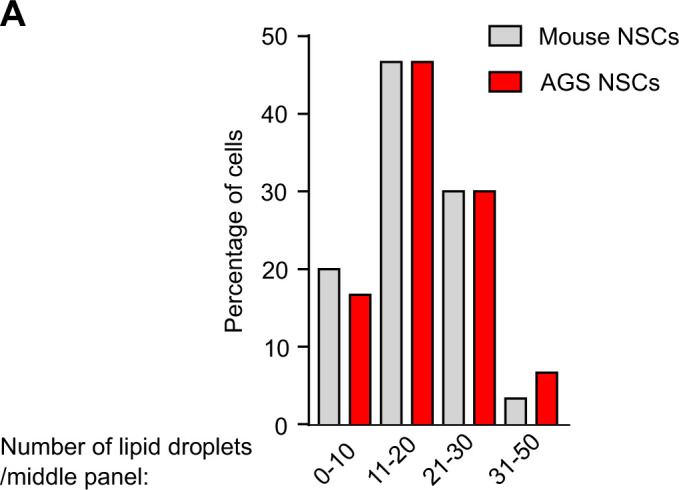 Figure 8
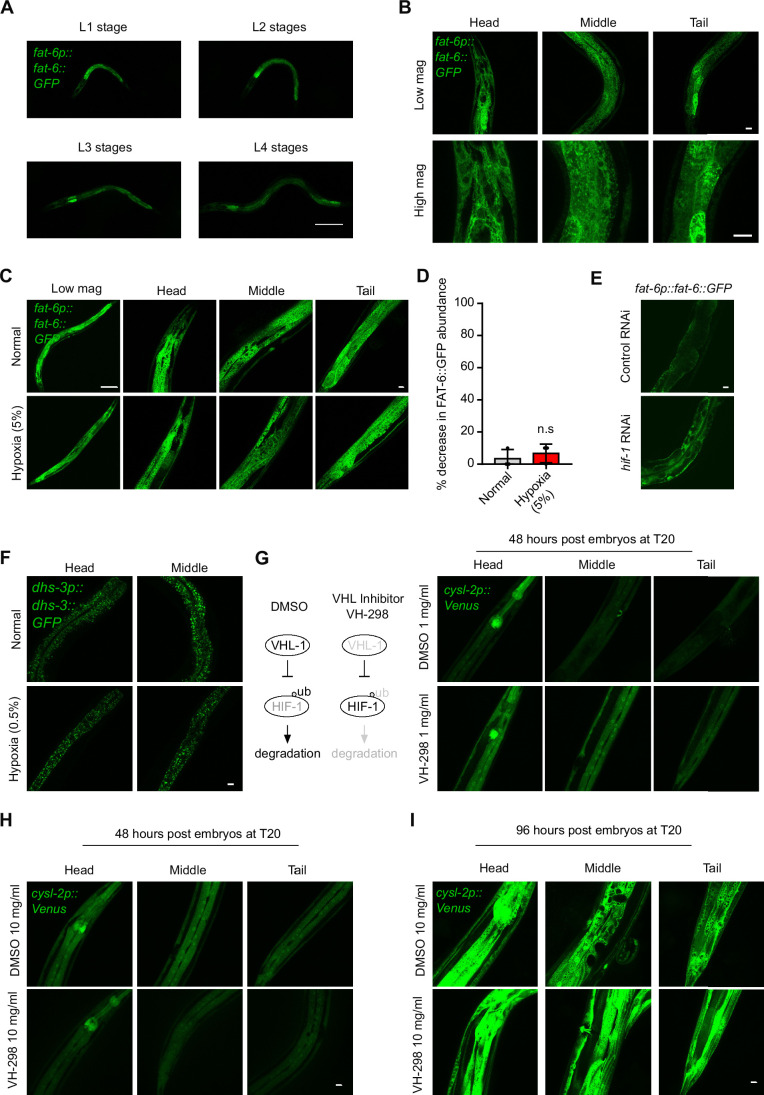 Figure 9
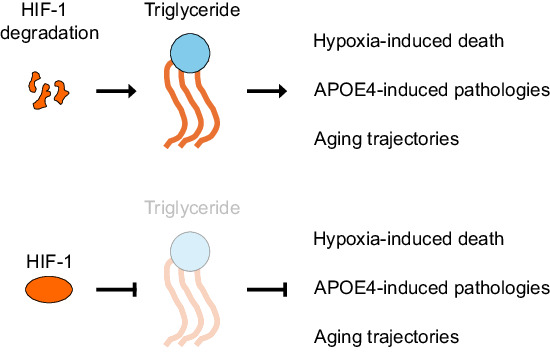 Figure 14
 Figure 15
Peer Reviews
No public reviews on file for this paper yet. If you reviewed it on a platform where reviews are public (OpenReview, ICLR, NeurIPS, ICML), you can paste yours below so the community can read it here.
Videos
No videos yet. Explain this paper in a talk, walkthrough, or lecture? Add one.
Taxonomy
TopicsGenetics, Aging, and Longevity in Model Organisms · Lipid metabolism and biosynthesis · Adipose Tissue and Metabolism