Diploid hepatocytes resist acetaminophen-induced liver injury through suppressed JNK signaling
Sierra R. Wilson, Evan R. Delgado, Frances Alencastro, Rosa L. Loewenstein, Madeleine P. Leek, Leah R. Peters, Kerollos Kamel, Patrick D. Wilkinson, Siddhi Jain, Joseph Locker, Silvia Liu, Bharat Bhushan, Andrew W. Duncan

TL;DR
Diploid liver cells are more resistant to liver damage caused by acetaminophen, possibly due to reduced JNK signaling.
Contribution
This study identifies diploid hepatocytes as a protective cell population in acetaminophen-induced liver injury.
Findings
Mice with high diploid hepatocyte populations showed improved survival and less liver damage after acetaminophen treatment.
Diploid hepatocytes exhibited reduced JNK activation and mitochondrial injury following acetaminophen exposure.
Wild-type hepatocytes shifted toward lower ploidy after acetaminophen treatment, suggesting diploid cells are more resilient.
Abstract
The liver contains both diploid and polyploid hepatocytes, but their functional differences remain poorly understood. Emerging evidence suggests that each ploidy state contributes to regeneration in an injury-specific manner. We hypothesized that diploid hepatocytes promote healing after acetaminophen (APAP)-induced liver injury. To study ploidy populations in vivo, we utilized mice with a lifelong liver-specific knockout of E2f7/E2f8 (LKO), which are enriched in diploid hepatocytes (> 70%) but otherwise normal. Control and LKO mice were treated with APAP (300 or 600 mg/kg), and injury was assessed over 0–96 h. Although both groups sustained injury, LKO mice showed improved survival, lower serum liver enzyme levels, and reduced necrosis and DNA fragmentation, indicating resistance to APAP-induced injury. To determine if resistance was due to E2f7/E2f8 loss or increased diploidy, we…
Genes, proteins, chemicals, diseases, species, mutations and cell lines named across the full text — each resolved to its canonical identifier and authoritative record.
Click any figure to enlarge with its caption.
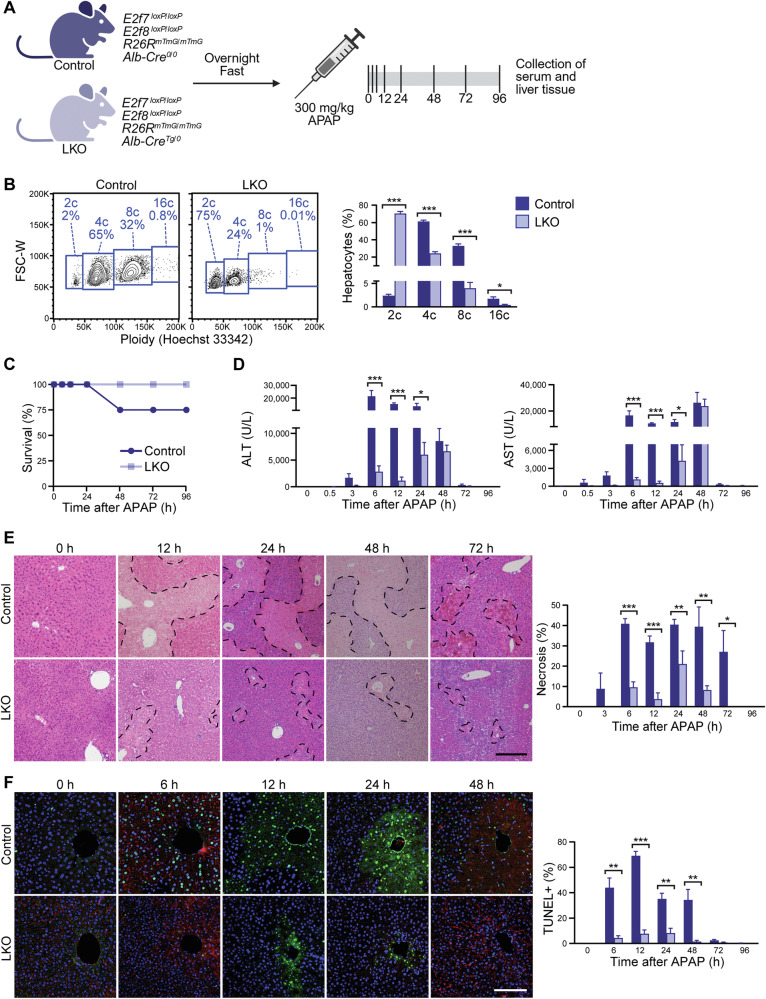 Figure 1
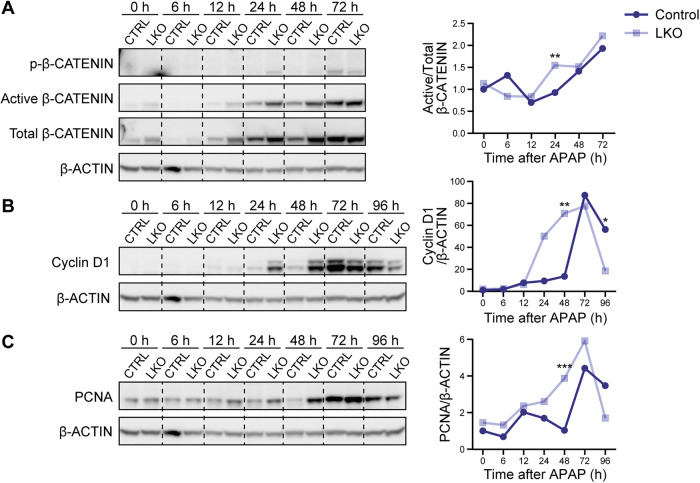 Figure 2
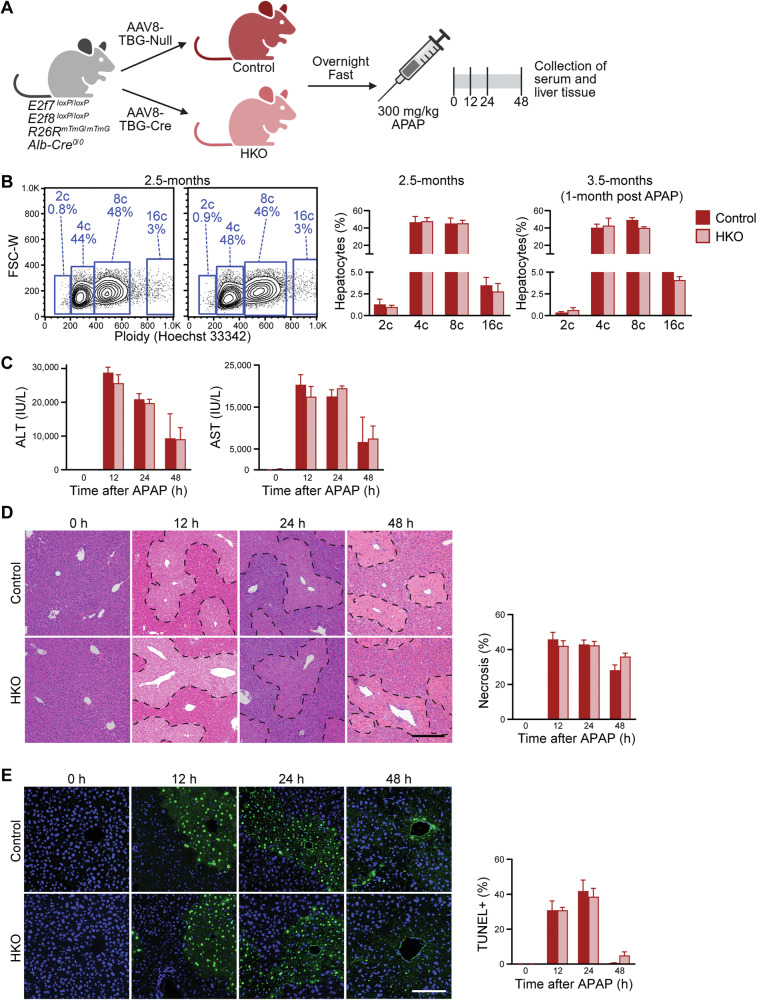 Figure 3
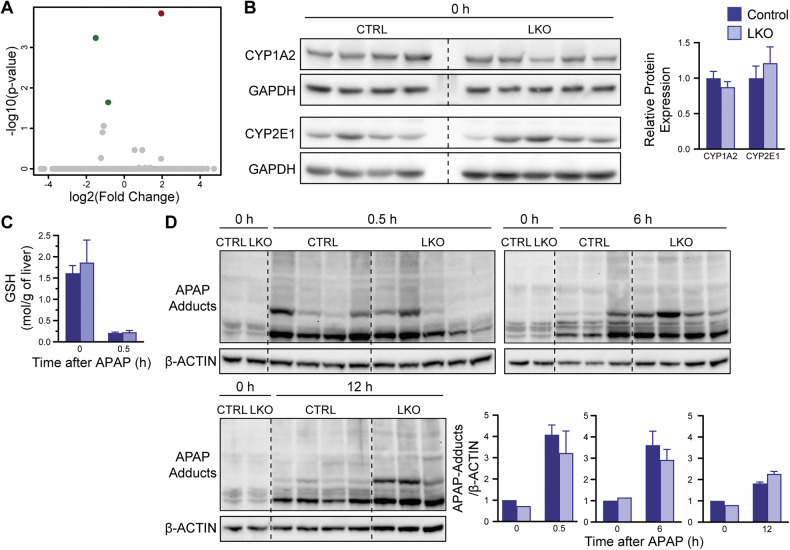 Figure 4
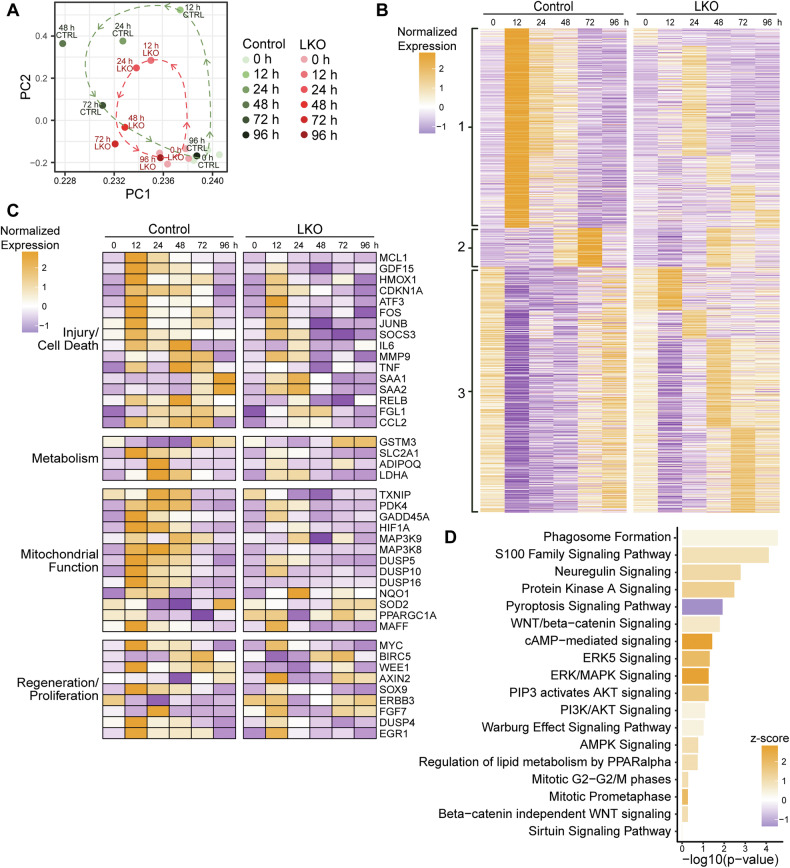 Figure 5
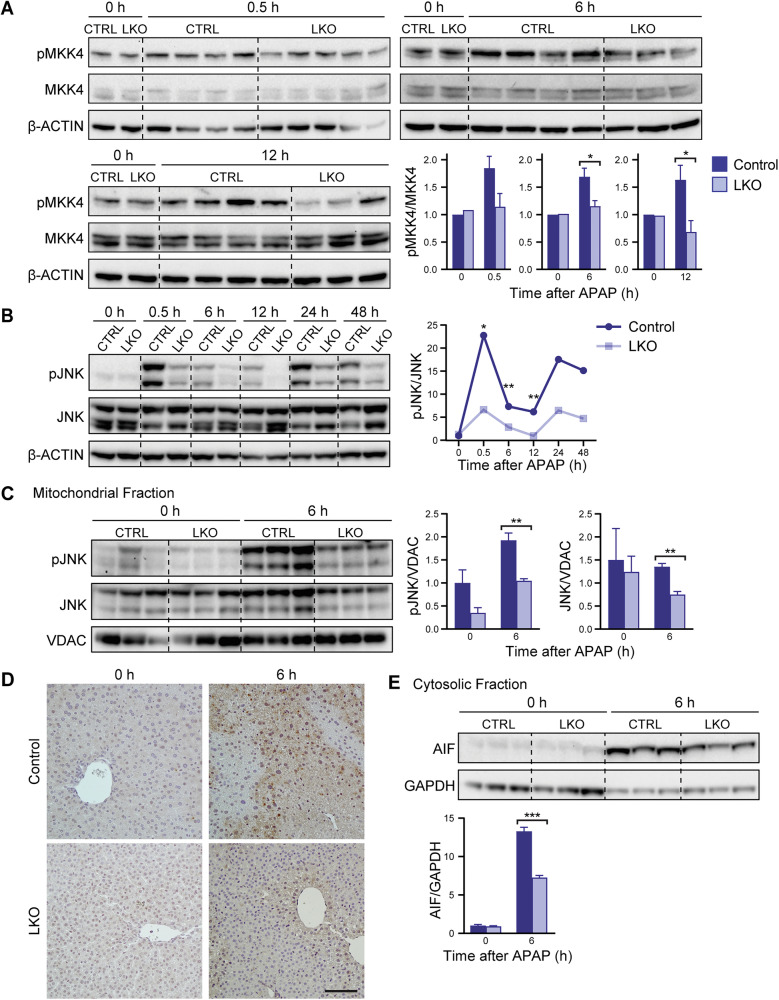 Figure 6
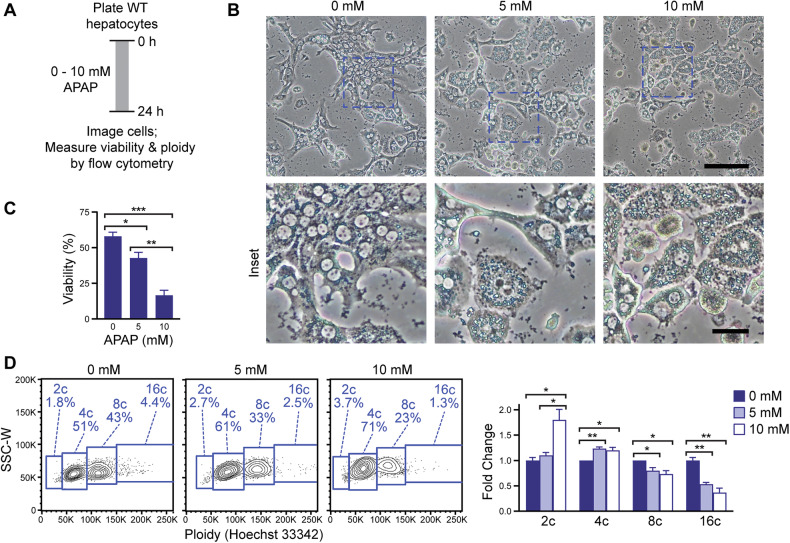 Figure 7
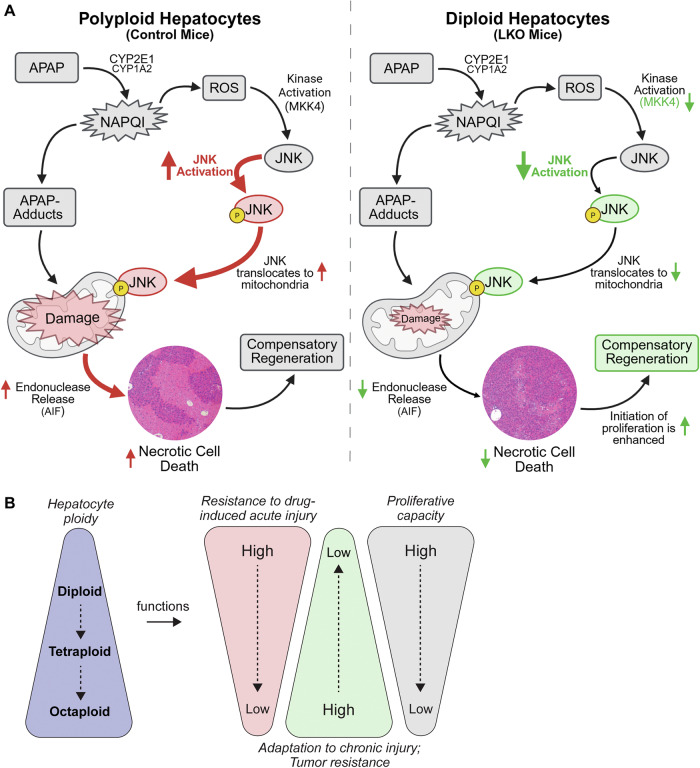 Figure 8
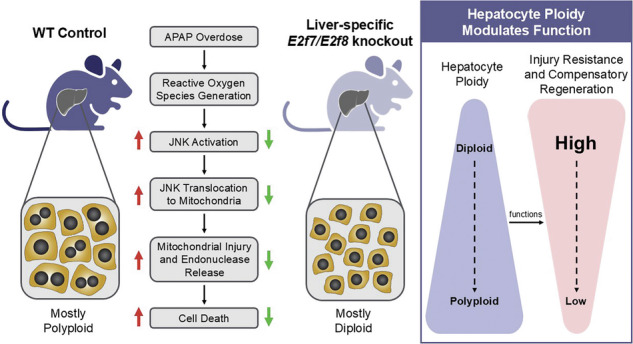 Figure 9
Peer Reviews
No public reviews on file for this paper yet. If you reviewed it on a platform where reviews are public (OpenReview, ICLR, NeurIPS, ICML), you can paste yours below so the community can read it here.
Videos
No videos yet. Explain this paper in a talk, walkthrough, or lecture? Add one.
Taxonomy
TopicsDrug-Induced Hepatotoxicity and Protection · Liver physiology and pathology · Organ Transplantation Techniques and Outcomes