Egg disinfection improves larval survival and shapes the microbial community in snubnose pompano (Trachinotus blochii)
T. G. Sumithra, S. R. Krupesha Sharma, S. Gayathri, Ambarish P. Gop, K. S. Shravana, Amritha Jagannivasan, Anusree V. Nair, K. S. Sudarsan, B. Santhosh, Sanal Ebeneezar, A. Gopalakrishnan

TL;DR
Egg disinfection improves larval survival and changes the microbial community in snubnose pompano, helping aquaculture sustainability.
Contribution
The study introduces egg disinfection as a microbiota programming strategy to enhance larval health in Trachinotus blochii.
Findings
Egg disinfection protocols improved hatchability up to 90.88 ± 2% with glutaraldehyde.
Disinfection enriched beneficial bacterial taxa like Hyphomonadaceae and Halieaceae.
Improved survival correlated with higher metagenomic diversity and lower Proteobacteria:Bacteroidota ratio.
Abstract
Early microbial colonization is crucial for immunity and survival in aquatic animals. This study evaluated the impact of egg disinfection on microbial colonization and larval performance in Trachinotus blochii, a high-value mariculture fish. Optimal egg disinfection protocols were initially identified as 20 ppm iodophor for 10 min, 400 ppm H₂O₂ for 10 min, and 40 ppm glutaraldehyde for 5 min to improve hatchability. Sequential analyses included 16S rRNA amplicon sequencing of larval microbiota at 10-days post hatching (DPH) and assessment of survival and antioxidant status till 25 DPH. Disinfection significantly enhanced hatchability (up to 90.88 ± 2% with 40 ppm glutaraldehyde), larval survival (up to 34.80 ± 1.1% in glutaraldehyde and 31.18 ± 1.5% in H₂O₂), and catalase activity. Notably, egg disinfection reshaped the larval microbiota, enriching microbial diversity measures and…
Genes, proteins, chemicals, diseases, species, mutations and cell lines named across the full text — each resolved to its canonical identifier and authoritative record.
Click any figure to enlarge with its caption.
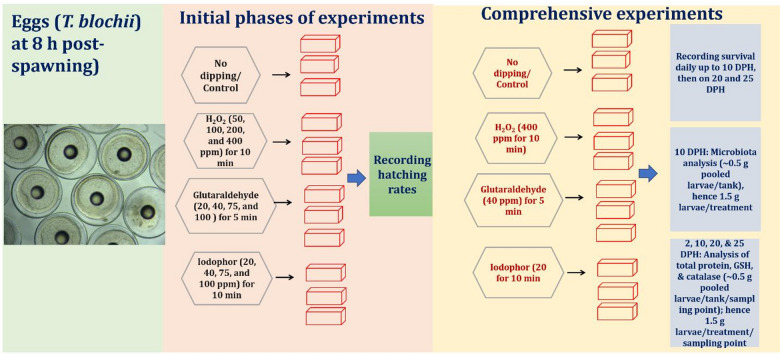 Figure 1
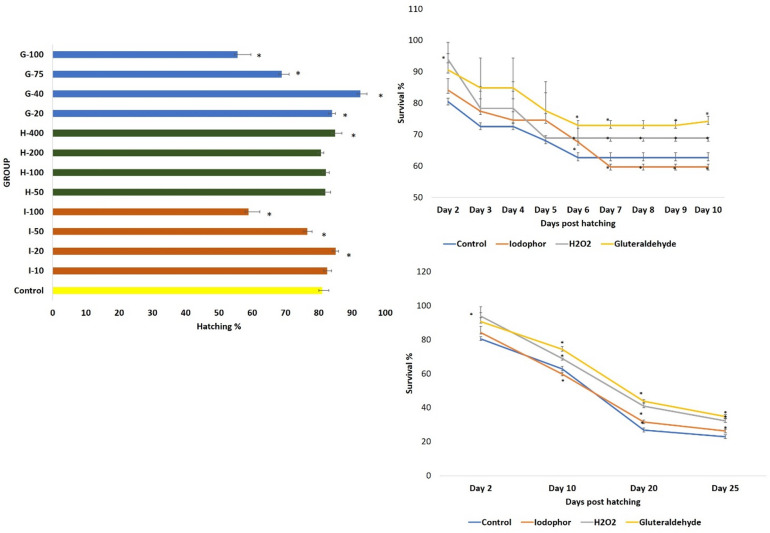 Figure 2
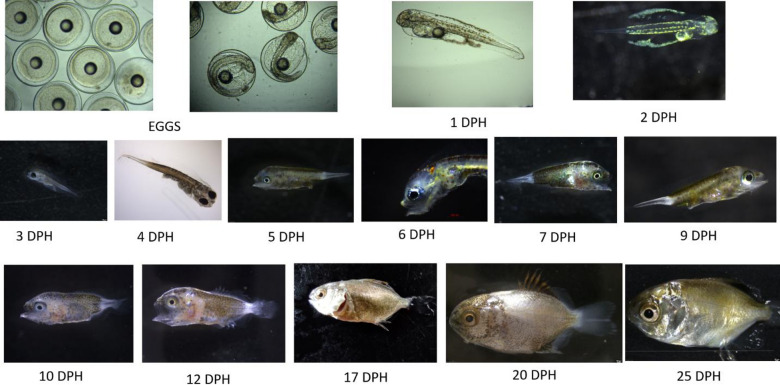 Figure 3
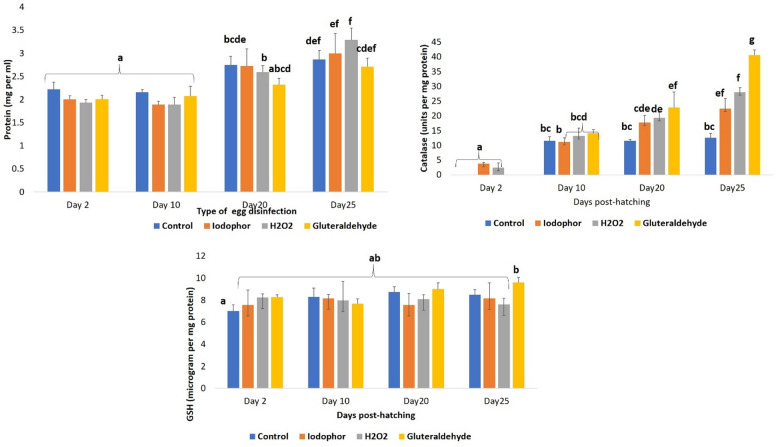 Figure 4
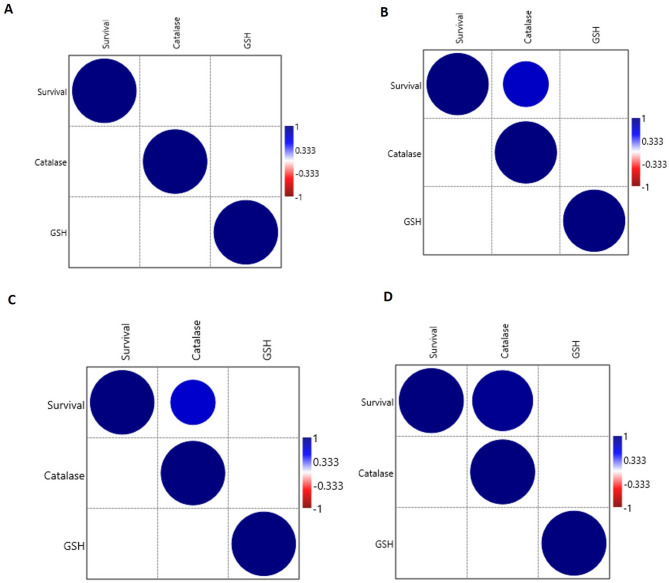 Figure 5
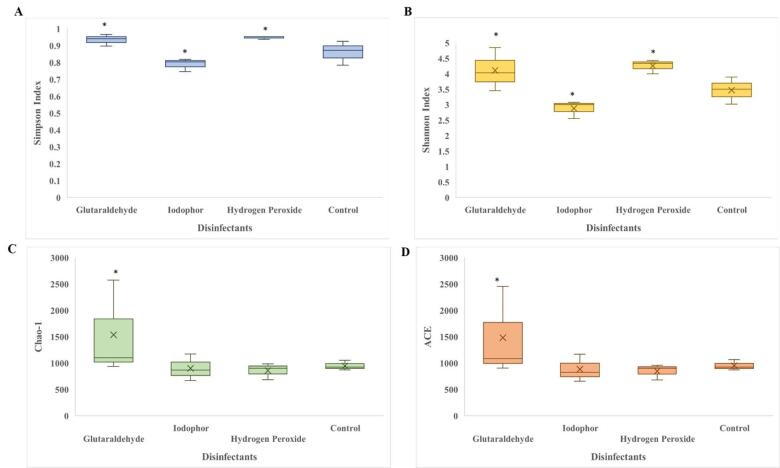 Figure 6
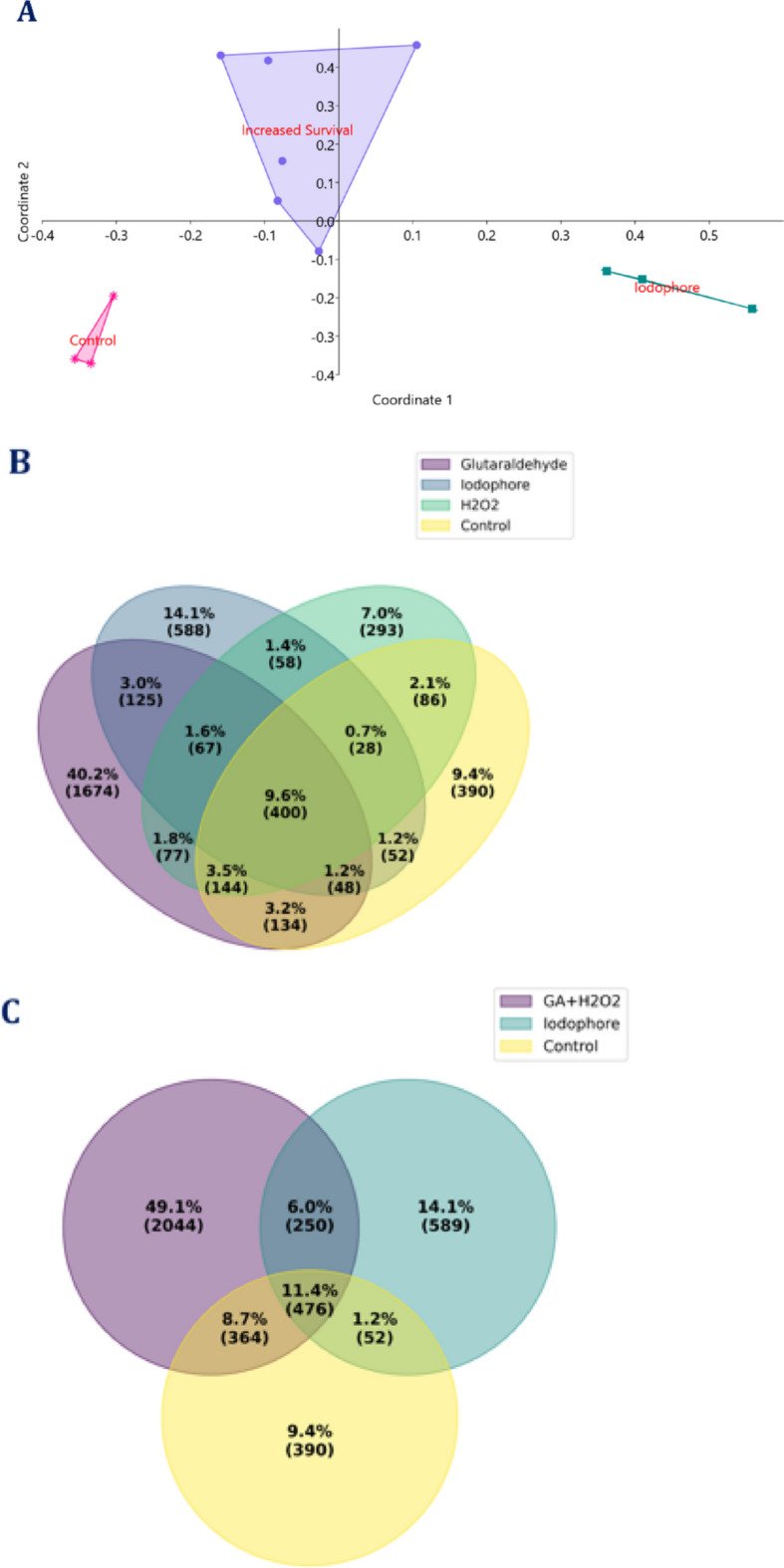 Figure 7
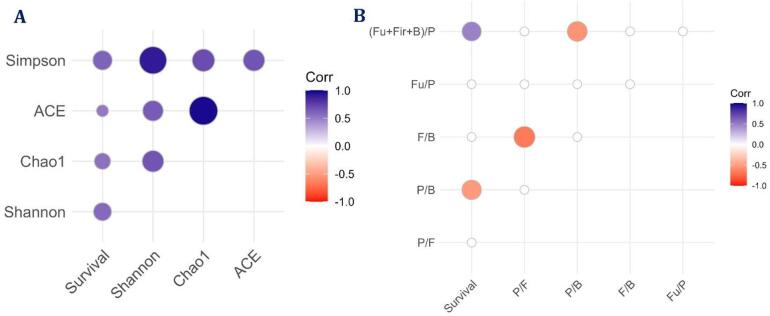 Figure 8
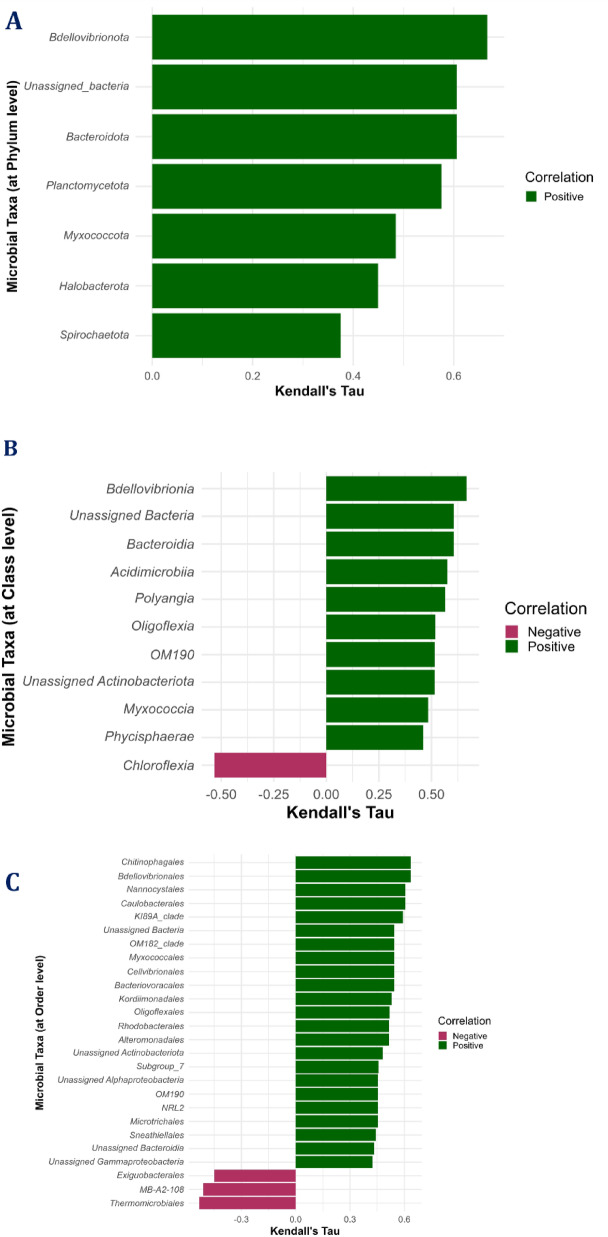 Figure 9
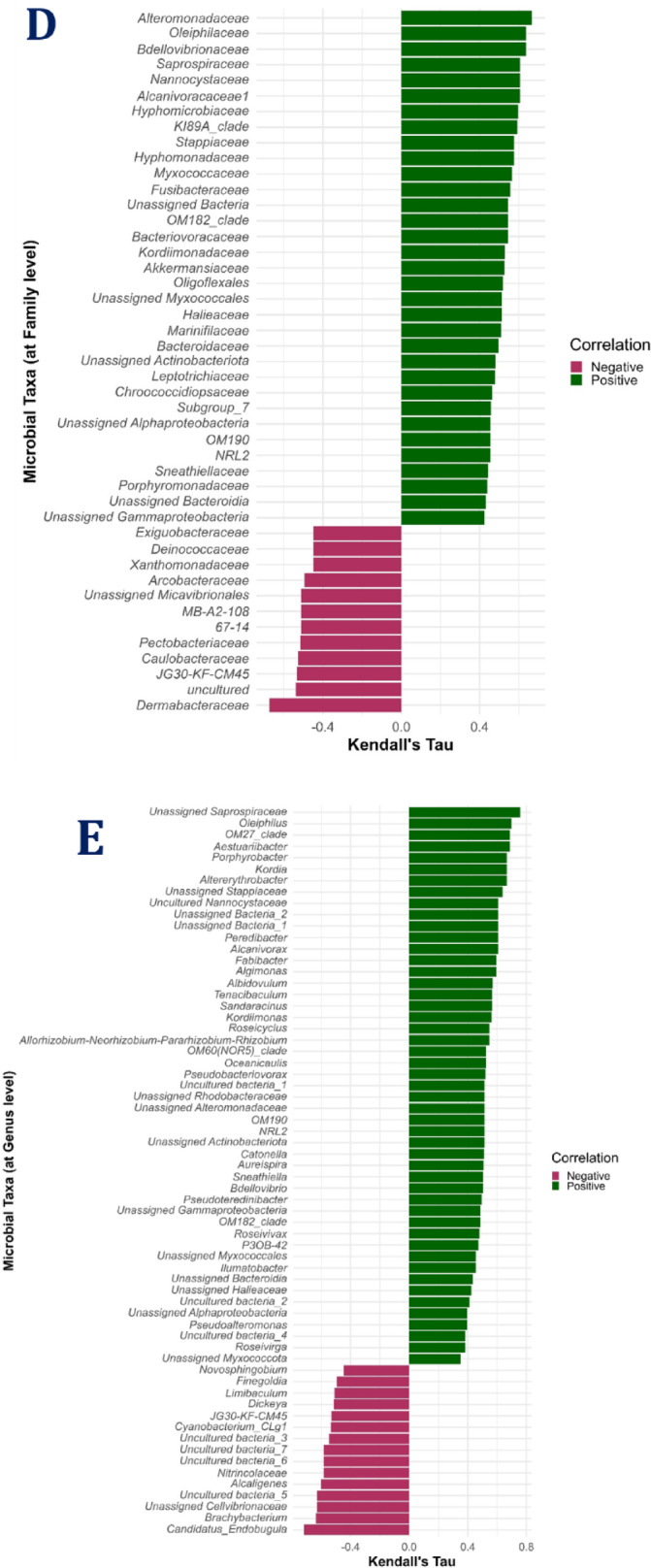 Figure 9
Peer Reviews
No public reviews on file for this paper yet. If you reviewed it on a platform where reviews are public (OpenReview, ICLR, NeurIPS, ICML), you can paste yours below so the community can read it here.
Videos
No videos yet. Explain this paper in a talk, walkthrough, or lecture? Add one.
Taxonomy
TopicsAquaculture disease management and microbiota · Aquaculture Nutrition and Growth · Reproductive biology and impacts on aquatic species