MCT1 as a critical regulator of insulin signaling, energy homeostasis and podocyte function
Maria Szrejder, Irena Audzeyenka, Patrycja Rachubik, Dorota Rogacka, Agnieszka Piwkowska

TL;DR
This study shows that MCT1 is crucial for podocyte energy balance and function, linking lactate transport to insulin signaling and cell structure.
Contribution
The study reveals MCT1's novel role in regulating podocyte glucose metabolism and cytoskeleton dynamics through lactate transport.
Findings
MCT1 inhibition reduces glucose uptake and glycolytic flux in podocytes.
Blocking MCT1 disrupts insulin signaling and actin cytoskeleton organization.
MCT1 inhibition increases podocyte permeability and shifts metabolism toward oxidative phosphorylation.
Abstract
Podocytes are highly specialized epithelial cells that play a central role in maintaining integrity of the glomerular filtration barrier. Because of their complex architecture and dynamic actin-based cytoskeleton, podocytes have substantial energy requirements, which are predominantly supported by glycolysis. Insulin signaling and glucose uptake are key regulators of cytoskeletal dynamics in these cells. Recent evidence highlights the importance of lactate metabolism in maintaining podocyte metabolic homeostasis, supported by a well-developed system for controlling lactate levels. Monocarboxylate transporter 1 (MCT1), a principal mediator of lactate transport, has emerged as a critical regulator of cellular energy balance. The present study investigated the role of MCT1 in insulin-stimulated glucose metabolism and its impact on podocyte morphology and function. Our findings showed that…
Genes, proteins, chemicals, diseases, species, mutations and cell lines named across the full text — each resolved to its canonical identifier and authoritative record.
Click any figure to enlarge with its caption.
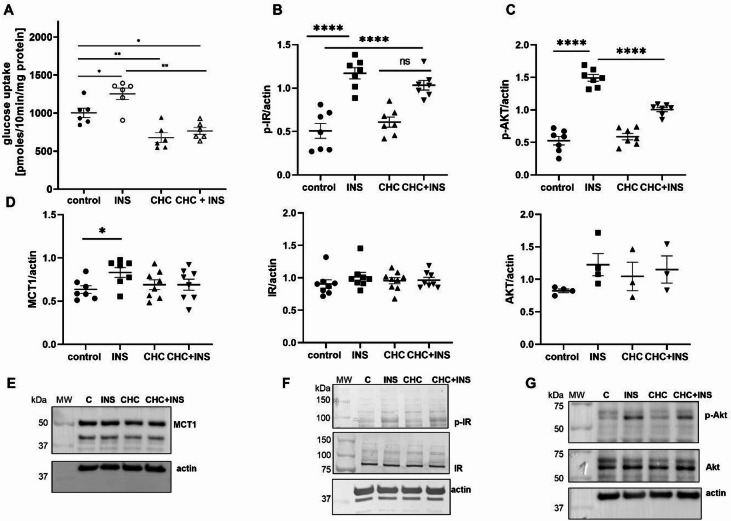 Figure 1
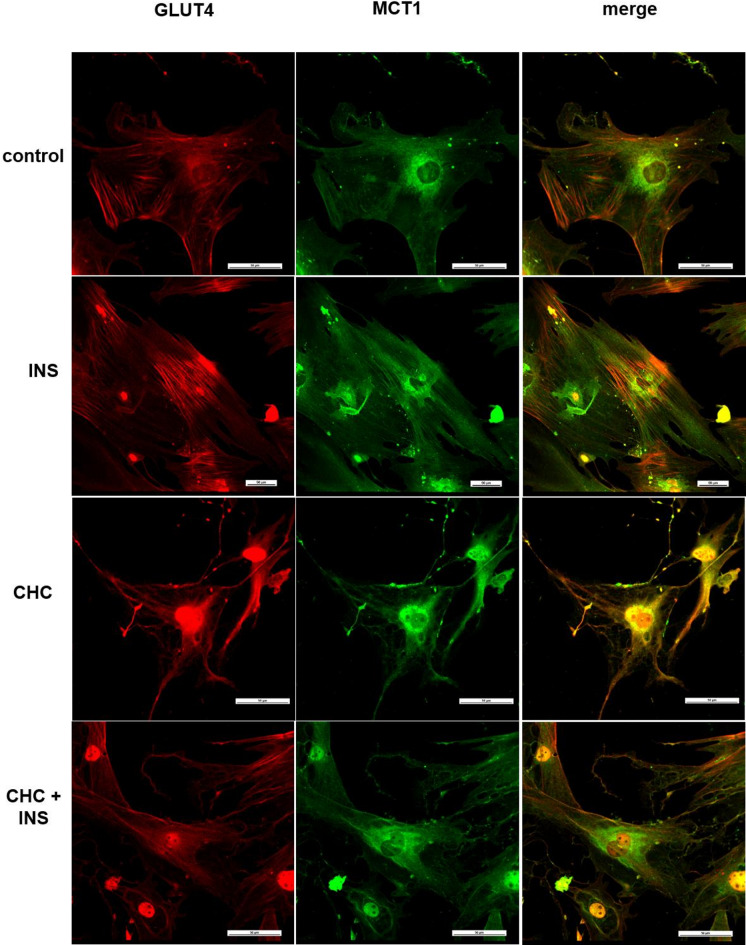 Figure 2
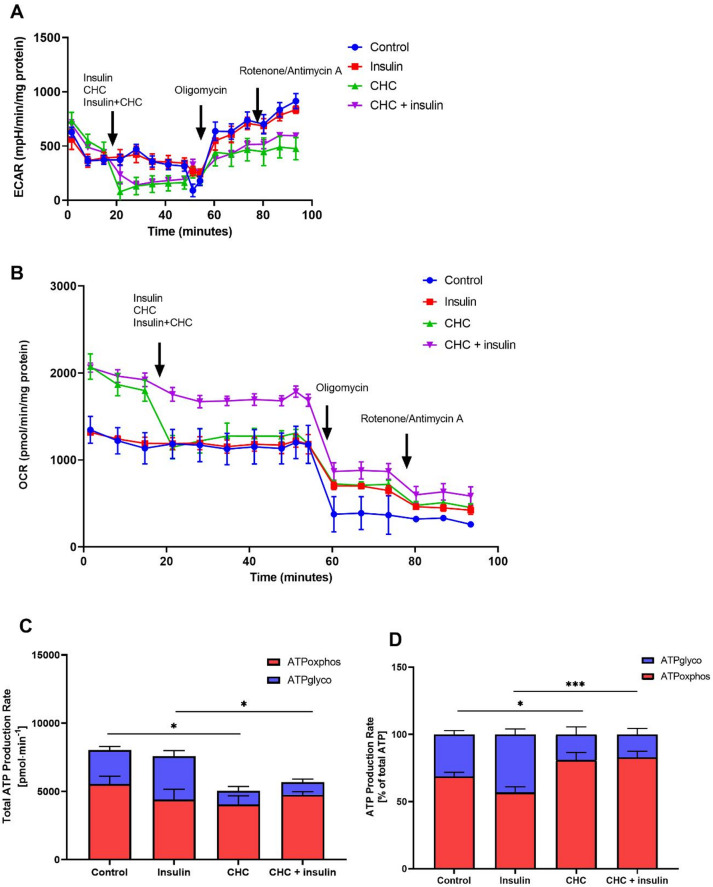 Figure 3
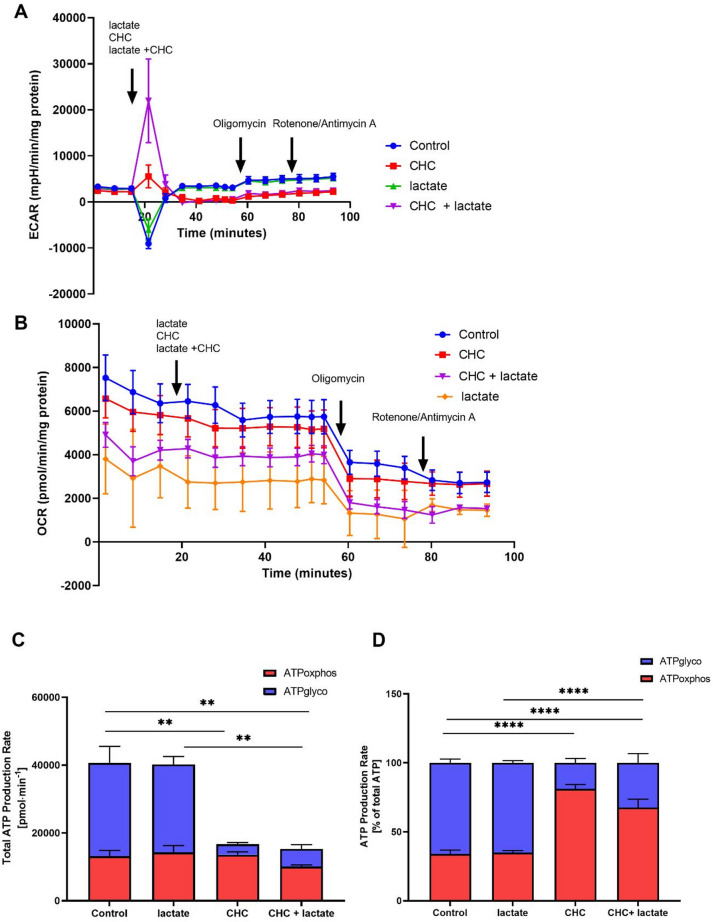 Figure 4
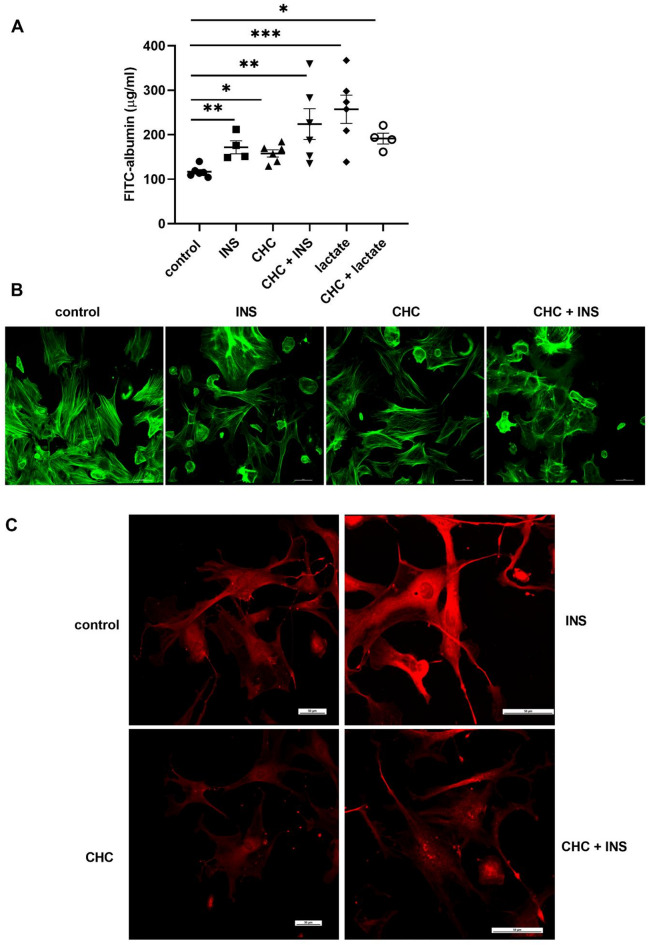 Figure 5
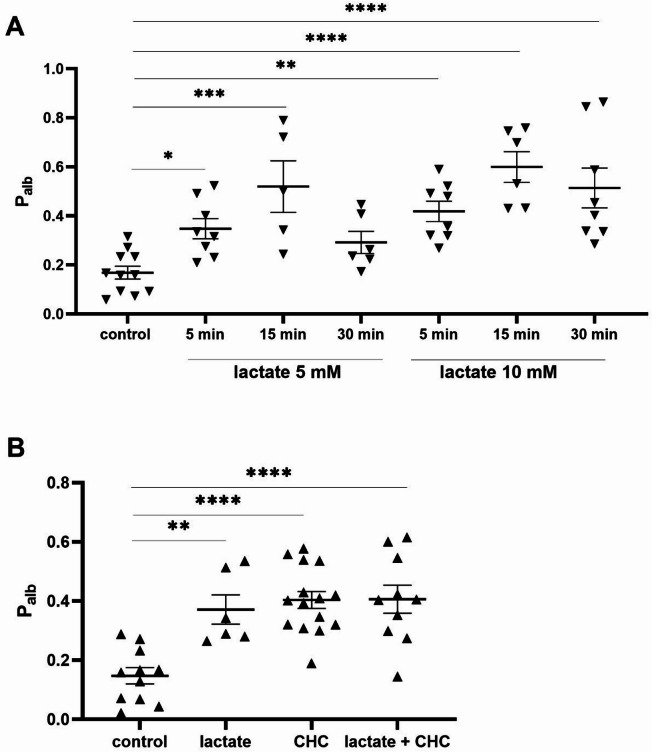 Figure 6
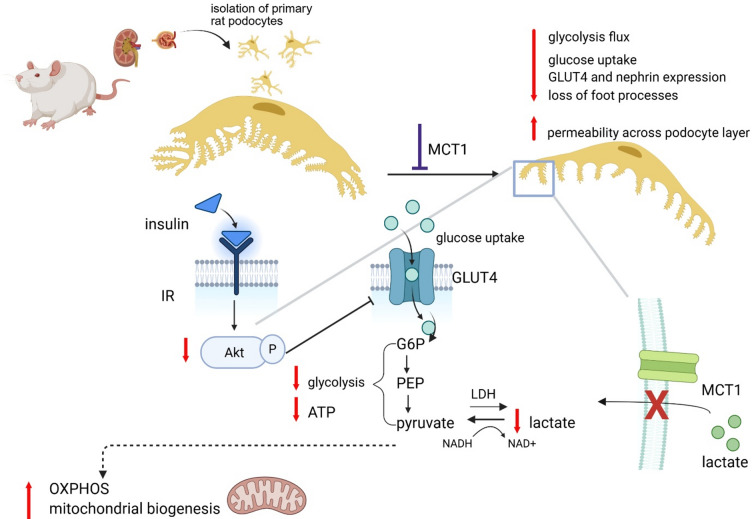 Figure 7
Peer Reviews
No public reviews on file for this paper yet. If you reviewed it on a platform where reviews are public (OpenReview, ICLR, NeurIPS, ICML), you can paste yours below so the community can read it here.
Videos
No videos yet. Explain this paper in a talk, walkthrough, or lecture? Add one.
Taxonomy
TopicsRenal Diseases and Glomerulopathies · Genetic and Kidney Cyst Diseases · Erythrocyte Function and Pathophysiology