Characterization and Mechanism Prediction of Active Components in Fuganlin Oral Liquid for Respiratory Tract Infections Using UPLC–Q‐TOF–MS and Network Pharmacology
Mengyue Zhang, Feng Han, Mingxuan Yang, Zhishan Ye, Ying Cui, Yuefei Wang, Jing Yang, Xin Chai

TL;DR
This study identifies the active ingredients in Fuganlin oral liquid and explains how they may help treat respiratory infections in children.
Contribution
The first comprehensive characterization of FOL's chemical composition and its pharmacological mechanisms using advanced analytical and network methods.
Findings
124 chemical components were identified, including flavonoids, phenolic acids, and saponins.
Network analysis showed FOL's anti-inflammatory and cough-relieving potential for respiratory infections.
43 compounds were confirmed using reference standards, aiding quality control and clinical use.
Abstract
Fuganlin oral liquid (FOL) has been clinically employed for the treatment of pediatric qi deficiency colds, manifesting symptoms such as fever, cough, asthma, and sore throat. However, the chemical composition and bioactive components of FOL have not been clearly elucidated. In this study, a comprehensive qualitative analysis of FOL was conducted utilizing ultra‐high‐performance liquid chromatography coupled with quadrupole time‐of‐flight mass spectrometry in conjunction with network pharmacology. A total of 124 chemical components were tentatively characterized, comprising flavonoids, phenolic acids, saponins, coumarins, and others. Among these, 43 compounds were unequivocally identified by comparison with authentic reference standards. Furthermore, network pharmacology analysis revealed that the ingredients of FOL exhibited anti‐inflammatory properties and demonstrated potential…
Genes, proteins, chemicals, diseases, species, mutations and cell lines named across the full text — each resolved to its canonical identifier and authoritative record.
Click any figure to enlarge with its caption.
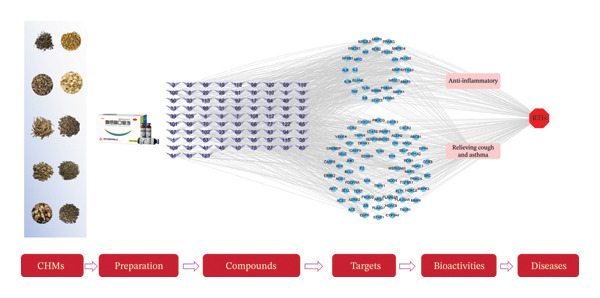 FIGURE 2
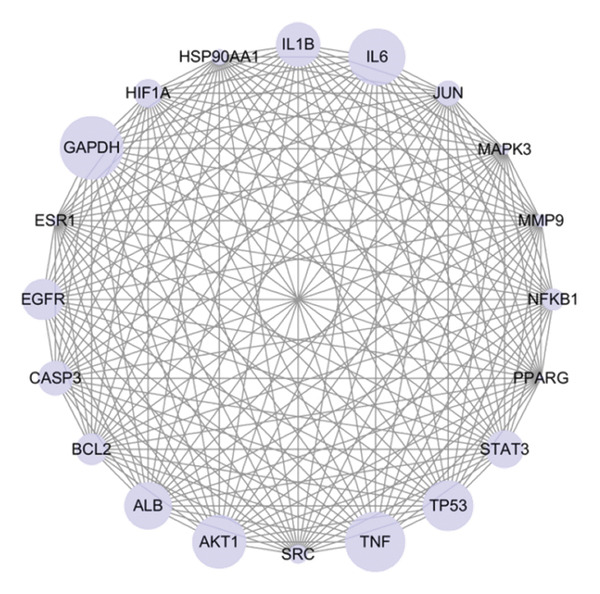 FIGURE 3
| No. |
| Formula | Fragment ions in positive mode ( | Fragment ions in negative mode ( | Identification | Source |
|---|---|---|---|---|---|---|
| 1 | 2.88 | C6H14N4O2 | — | 173.1032, 130.0971 | Arginine [ | HBP, RRG, RI, RA, RP, EL, RPQ |
| 2 | 2.97 | C10H14N2O6 | 259.0911, 241.0813 | — | 3‐Methyluridine | HBP, RI, RA, RP, EL, RPQ, FCI |
| 3∗ | 3.33 | C12H22O11 | — | 341.1078, 179.0531, 161.0433 | Sucrose [ | HBP, HE, RRG, RI, RA, RP, EL, RPQ, FCI, BFT |
| 4∗ | 3.34 | C6H12O6 | — | 179.0548, 143.0341 | Fructose | HBP, HE, RRG, RI, RA, RP, EL, RPQ, FCI, BFT |
| 5∗ | 3.34 | C7H12O6 | — | 191.0548, 129.0181, 111.0079 | Quinic acid [ | HBP, RPQ, FCI |
| 6 | 3.37 | C6H12N2O4 | — | 175.0711, 147.0259 | Serylalanine [ | RA, RP, EL, RPQ, BFT |
| 7 | 3.47 | C5H10O5 | — | 149.0444, 95.9338 | Arabinose | HBP, RRG, RI, EL, RPQ |
| 8 | 3.57 | C12H16N2O4 | 253.1191, 217.1267 | — | Tyrosylalanine | RRG, RI, RP, RPQ |
| 9 | 4.08 | C15H16O3 | 245.1172, 283.0723 | — | Osthole [ | RRG |
| 10 | 4.55 | C9H11N5O4 | 254.0869, 218.1369 | 252.0732, 134.0462 | Eritadenine [ | EL |
| 11 | 4.58 | C5H7NOS | 130.0334, 70.0658 | — | ( | RI |
| 12 | 4.59 | C16H16O3 | 257.1182, 254.0868, 238.1171 | — | Ichthyothereol acetate | HBP |
| 13 | 5.04 | C5H7NO3 | — | 128.0342, 85.0283 | Pyroglutamic acid [ | HBP, RRG, EL, RPQ, FCI, BFT |
| 14∗ | 5.44 | C10H13N5O4 | — | 135.0305 | Hypoxanthine | HBP, RRG, RA, RP, EL |
| 15 | 6.06 | C9H11NO3 | — | 180.0650, 163.0370 | Tyrosine [ | RA, RP, EL, FCI |
| 16∗ | 6.23 | C10H13N5O4 | 268.1026, 136.0600, 119.0328 | — | Adenosine [ | HBP, HE, RRG, RI, RA, RP, EL, RPQ, FCI, BFT |
| 17∗ | 6.93 | C10H12N5O6P | 330.0583, 312.1433, 136.0638 | 328.0430, 134.0468 | Adenosine 3′,5′‐cyclophosphate [ | RRG, RI, RA, RP, EL, FCI |
| 18∗ | 7.52 | C7H6O5 | — | 169.0130, 125.0249 | Gallic acid [ | HBP, RRG |
| 19 | 9.66 | C17H20O10 | — | 383.0974, 339.1509, 311.1211 | Eleutheroside B1 | RP |
| 20 | 10.44 | C21H26O13 | — | 485.1340, 427.1775 | Hymexelsin [ | RP |
| 21 | 10.72 | C10H15NO | 166.1240, 148.1132 | — | Ephedrine hydrochloride [ | HE |
| 22 | 10.96 | C10H15NO | 166.1228, 148.1136 | — | Pseudoephedrine hydrochloride [ | HE |
| 23∗ | 12.04 | C7H6O4 | — | 153.0192, 109.0289, 91.0184 | Protocatechuic acid [ | HBP, HE, RI, EL |
| 24 | 12.66 | C10H8O4 | 193.0493 | 191.0343 | 7‐Methoxy‐6‐hydroxycoumarin or its isomer | HBP |
| 25∗ | 13.03 | C16H18O9 | 355.1004, 193.0534, 178.0301 | — | Scopolin [ | HBP, RP |
| 26∗ | 13.31 | C16H18O9 | — | 353.0871, 191.0549, 161.0238 | Chlorogenic acid [ | HBP, RPQ, FCI |
| 27 | 13.62 | C19H20O6 | — | 343.1175, 295.0583, 205.0706 |
| RP |
| 28 | 13.85 | C30H36O9 | — | 539.2323, 507.1916, 445.2044 | Sesquispanol B | HE |
| 29 | 13.89 | C15H14O7 | — | 305.0683, 287.1535 | Epigallocatechin [ | HBP, RI |
| 30 | 14.83 | C10H9NO2 | 176.0697, 162.0537 | — | 3‐Hydroxyacetyl indole [ | HBP |
| 31 | 15.05 | C15H12O7 | — | 303.0500, 225.1120 | 7,8,3′,4′‐Tetrahydroxyflavonol or its isomer [ | HBP |
| 32 | 15.33 | C15H20O9 | — | 343.1019, 315.0900, 197.0446 | Syringic acid‐4‐ | HBP |
| 33 | 15.60 | C28H32O17 | — | 639.1545, 621.2387 | Astragaloside | RA |
| 34 | 15.86 | C27H30O17 | — | 625.1424, 551.2130, 389.1629 | Quercetin‐3‐ | HBP |
| 35∗ | 16.30 | C9H8O4 | — | 179.0340, 161.0229, 135.0442 | Caffeic acid [ | HBP, HE, RA, RP |
| 36∗ | 17.46 | C26H30O13 | 551.1773, 533.2205, 521.2662 | 549.1609, 417.1187, 255.0649 | Liquiritin apioside [ | RRG |
| 37∗ | 17.78 | C21H22O9 | — | 417.1185, 255.0649 | Liquiritin [ | RRG |
| 38 | 17.80 | C11H10O5 | 223.0597, 207.0752 | — | Isofraxidin [ | HE, RP |
| 39 | 17.98 | C20H24O10 | — | 423.1292, 405.1550, 375.1641 | Apterin [ | RP |
| 40∗ | 18.06 | C27H45NO3 | 432.3466, 414.3357, 396.3042 | — | Peimine [ | BFT |
| 41∗ | 18.09 | C27H45NO3 | 430.3431, 412.3203, 394.2888 | — | Peiminine [ | BFT |
| 42 | 18.36 | C30H34O13 | 603.2063, 547.1463 | — | Sesquiterpene | HE, FCI |
| 43 | 18.44 | C27H30O16 | 611.1636, 465.1274, 303.0548 | 609.1461, 301.0338 | Quercetin‐3‐ | HBP, HE, RP |
| 44 | 18.51 | C16H22O8 | 343.1388, 365.1215 | — | Praeruptorin I [ | RP |
| 45 | 18.72 | C21H20O11 | 449.1073, 303.0559 | — | Quercetin‐7‐ | HBP, HE, FCI |
| 46 | 18.75 | C21H20O11 | — | 447.0929, 431.1957, 415.1036, 253.0488 | 5,8,4′‐Trihydroxyflavone‐7‐ | HBP |
| 47∗ | 18.92 | C25H24O12 | 517.1344, 355.1041 | 515.1189, 353.0876 | Isochlorogenic acid B [ | HBP |
| 48∗ | 18.98 | C21H22O11 | — | 449.1080, 287.0548 | Astilbin | HBP, RA, FCI |
| 49∗ | 19.14 | C27H32O14 | — | 579.1712, 433.1414, 271.0591 | Naringin [ | RI, FCI |
| 50∗ | 19.21 | C21H20O12 | 465.1021, 303.0488 | 463.0880, 301.0336 | Myricetrin | HBP, HE, RA, FCI |
| 51 | 19.38 | C16H12O7 | 317.0646, 302.0704 | 315.0491, 279.0243 | 5,7,3′,4′‐Tetrahydroxy‐3‐methoxyflavone or its isomer [ | HBP |
| 52 | 19.80 | C14H14O4 | 247.0953, 229.0840 | — | Marmesine [ | RP |
| 53 | 19.82 | C23H24O13 | 509.1290, 347.0754 | 507.1141, 345.0600 | Axillaroside | HBP |
| 54 | 20.26 | C15H14O5 | — | 273.0746, 263.0909, 221.1161 | Afzelechin | HE |
| 55∗ | 20.46 | C9H10O4 | — | 181.0495, 137.0595 | Ethyl‐3,4‐dihydroxybenzoate | HE, RI |
| 56∗ | 20.47 | C9H6O2 | 147.0436, 119.0521, 103.0348 | — | Coumarin [ | HBP |
| 57∗ | 20.78 | C27H30O15 | 595.1664, 449.1104 | 593.1516, 285.0404, 163.0032, 151.0037 | Kaempferol‐3‐ | HBP, HE |
| 58 | 20.88 | C20H20O7 | — | 371.1131, 353.1019, 325.1579 | Sinensetin [ | RI |
| 59∗ | 21.03 | C22H22O9 | 431.1337, 269.0797, 241.0515 | 429.1170, 475.1263 | Ononin [ | RA |
| 60 | 21.39 | C17H14O7 | 331.0800, 316.0565, 301.0331 | 329.0658, 314.0416, 299.0182 | 3,3‐Dimethoxyquercetin [ | HBP, FCI |
| 61 | 21.65 | C23H24O12 | 493.1339, 457.2337, 331.0802 | 491.1189, 455.1957 | 3,5‐Dihydroxy‐3′,5′‐dimethoxyflavone‐7‐ | HBP |
| 62 | 21.73 | C24H26O13 | 523.1445, 361.0910 | 521.1305, 506.1305, 462.2358, 300.0259 | 5,3′‐Dihydroxy‐3,6,4′‐trimethoxy‐7‐ | HBP |
| 63 | 21.76 | C28H36O15 | — | 611.1987, 563.1408 | Neohesperidin dihydrochalcone or its isomer [ | HBP |
| 64∗ | 21.86 | C21H18O11 | 447.0920, 271.0587 | 445.0772, 427.1573, 269.0457 | Baicalin [ | HBP, RA, FCI |
| 65∗ | 21.90 | C15H10O7 | 303.0489, 285.0392 | 301.0341, 273.0384, 151.0008 | Quercetin [ | HBP, RRG, RA |
| 66∗ | 21.93 | C9H16O4 | — | 187.0963, 169.0862, 125.0994 | Azelaic acid | HBP, HE, RRG, RI, RA, RP, EL, RPQ, FCI, BFT |
| 67∗ | 22.20 | C15H10O8 | 319.0432, 301.2224, 273.1129 | 317.0287, 243.1232 | Myricetin [ | RA, RP, FCI |
| 68 | 22.51 | C28H32O16 | 625.1769, 581.1875, 463.1233 | 623.1639, 461.1095, 299.0555 | Complanatuside [ | RA |
| 69∗ | 22.70 | C20H22O6 | 359.1491 | 357.1332, 313.0720, 269.0441 | Pinoresinol | HBP |
| 70∗ | 22.84 | C15H12O5 | 273.0747, 255.0280, 227.0343 | 271.0599 | Naringenin [ | HBP, RRG, RI, RA, RP |
| 71 | 23.04 | C18H34O10 | — | 409.2072, 345.2261, 277.1638 | Heptanyl‐2‐ | HBP |
| 72 | 23.06 | C16H12O5 | 285.0663 | 283.0634, 268.0456 | Calycosin [ | RA |
| 73 | 23.28 | C28H32O14 | 593.1843, 285.0733 | 637.1857, 591.1721 | Buddleoside | FCI |
| 74 | 23.49 | C12H8O4 | 217.0481, 202.0234 | — | 6‐Methoxyangeletin [ | RP |
| 75∗ | 23.51 | C11H6O3 | 187.0384, 131.0516 | — | Isopsoralen [ | RP |
| 76 | 23.53 | C17H14O6 | 315.0852, 300.0628 | 313.0711, 299.1821 | Odoratin | RA |
| 77 | 23.71 | C30H48O2 | 441.3729, 423.3620 | — | Betulone | RRG |
| 78 | 23.74 | C48H82O18 | 587.4154, 423.3604, 405.3490 | 992.5599 | Ginsenoside Re [ | RPQ |
| 79 | 24.01 | C42H72O14 | 423.3632, 405.3531 | 845.4907 | Ginsenoside Rg1 [ | RPQ |
| 80 | 24.23 | C18H26O4 | — | 305.1741, 293.1768, 267.1511 | Phthalic acid butyl isohexyl ester | HBP |
| 81 | 24.75 | C20H32N2O3 | — | 347.2368, 311.1690, 283.0588 |
| HE |
| 82∗ | 25.19 | C13H10O5 | 247.0586, 269.0417 | — | Isopimpinellin [ | HBP, RP |
| 83∗ | 25.35 | C15H12O4 | 257.0794, 239.0690 | 255.0649, 135.0075 | Isoliquiritigenin [ | HBP, RRG |
| 84∗ | 25.83 | C16H12O6 | 301.0700, 286.0466, 258.0839 | 299.0549, 284.0312 | Diosmetin [ | HBP, RRG |
| 85 | 26.31 | C24H28O7 | 429.1909, 411.1795, 349.6519 | — | Peucedanum coumarin H [ | RP |
| 86 | 26.44 | C48H72O21 | 985.4700, 809.4368, 615.3908, 453.3313 | 983.4495, 821.4869, 645.3643 | Licoricesaponin A3 [ | RRG |
| 87 | 26.66 | C20H30N6O12S2 | — | 609.1238, 574.2778, 560.2779, 544.2809 | Oxidized glutathione | FCI |
| 88∗ | 26.77 | C16H12O4 | 269.0796, 253.0506, 237.0552, 225.0545, 213.0926 | 267.0653, 252.0394, 223.0371 | Formononetin [ | RRG, RA |
| 89 | 26.93 | C25H28O4 | — | 391.1878, 374.0559, 346.1467 | Glabrol | HE, RRG |
| 90 | 27.33 | C42H72O14 | 801.5025 | 799.4859, 653.4283, 635.4154 | Pseudoginsenoside F11 [ | RPQ |
| 91∗ | 27.61 | C21H20O6 | 369.1313, 351.2135 | 367.1177, 352.0988 | Curcumin | RRG, FCI |
| 92∗ | 27.68 | C18H16O7 | 345.0964, 331.1876, 293.2064, 276.2025 | 343.0809, 325.2297, 291.1958 | Eupatilin [ | HBP, RA |
| 93 | 27.77 | C42H64O16 | — | 823.4121, 805.3836, 761.4147 | Uralsaponin C | RRG |
| 94 | 27.89 | C30H24O10 | 545.1433, 471.3413 | — | Mahuannin A | HE |
| 95∗ | 28.17 | C16H14O4 | — | 269.0819, 200.1346 | Imperatorin [ | HBP, RRG, RA, RP |
| 96 | 28.31 | C47H80O19 | — | 947.5236, 785.4697 | Vietnamese ginsenoside R6 [ | RPQ |
| 97 | 28.41 | C21H22O5 | — | 353.1388, 322.0016, 293.1781 | Gancaonin I [ | RRG |
| 98 | 28.75 | C20H18O6 | — | 353.1023, 325.1973, 297.1497 | Glycyrrhflavone | RRG |
| 99 | 28.80 | C26H43NO6 | 466.3152, 439.3562, 267.0663 | — | Glycocholic acid | BFT |
| 100∗ | 28.85 | C15H10O4 | 255.0639, 241.0464, 213.0542 | 253.0493, 209.0619, 181.1667 | Chrysin [ | RRG, FCI |
| 101 | 28.96 | C42H62O17 | 839.4093, 469.3315 | 837.3930, 819.3813, 775.3913 | Licoricesaponin G2 [ | RRG |
| 102∗ | 29.19 | C16H12O5 | 285.0748, 270.0511 | 283.0598, 268.0360, 240.0409 | Physcion [ | RRG, RA, FCI |
| 103 | 29.47 | C42H65NO16 | 823.4055, 453.3342 | 821.4014 | Ammonium glycyrrhizinate | RRG |
| 104 | 29.64 | C54H92O23 | 1109.6065, 767.4885 | 1153.6117 | Ginsenoside Rb1 [ | RPQ |
| 105 | 29.69 | C30H50O2 | 443.3878, 425.3773 | — | Uvaol | BFT |
| 106 | 29.70 | C54H92O23 | 1109.6148, 1047.8293 | 1107.5977, 961.5375, 799.4889 | Yesanchinoside E [ | RPQ |
| 107 | 29.85 | C53H90O22 | — | 1077.5869, 799.3748 | Ginsenoside Rb3 [ | RPQ |
| 108 | 30.29 | C22H22O6 | 383.1486, 365.2308, 351.2484 | 381.1332, 325.1837 | Glycyrin | RRG |
| 109∗ | 30.30 | C19H18O3 | — | 293.1203, 249.1875, 221.1538 | Tanshinone IIA [ | RRG, RP |
| 110∗ | 30.43 | C21H22O4 | 339.1617, 322.1288, 308.1723, 283.1219 | — | Licorice chalcone A [ | HBP, RRG, FCI |
| 111 | 30.44 | C48H76O19 | 957.5108, 811.4505 | 955.4918, 793.4439, 731.4329, 613.3707, 569.3810 | Ginsenoside Ro [ | RPQ |
| 112 | 30.64 | C14H10O3 | 227.0688, 199.0770 | — | Arnocoumarin [ | RP |
| 113 | 30.75 | C55H92O23 | — | 1119.5946, 1077.5862, 942.5017, 808.4215 | Ginsenoside Rs1 [ | RPQ |
| 114 | 31.19 | C48H78O18 | 943.5311, 925.5214, 797.4712, 635.4168 | 941.5126, 795.4557 | Soyasaponin I [ | RA |
| 115 | 32.13 | C43H70O15 | — | 825.4615, 765.4498 | Astragaloside II [ | RA |
| 116 | 32.46 | C41H68O14 | 807.4429, 587.3907 | 829.4645 | Astragaloside IV [ | RA |
| 117 | 32.46 | C15H22O2 | 235.1679 | 233.1533 | 10‐Oxo‐isodauc‐3‐en‐15‐al [ | HBP |
| 118 | 32.65 | C41H68O14 | 785.4702, 767.4594, 749.4476, 587.3945 | 783.4553, 621.3978 | Astragaloside III [ | RA |
| 119∗ | 33.94 | C15H10O5 | 271.0592 | 269.0446, 241.0495, 213.0542 | Emodin [ | RRG, FCI |
| 120 | 34.47 | C41H77NO9 | 728.5711, 711.1719, 675.3778 | — | Cerebroside B | HBP |
| 121∗ | 34.66 | C45H72O16 | 869.4938, 851.4768, 689.4259, 671.4128 | — | Isoastragaloside I [ | RA |
| 122 | 34.75 | C43H70O15 | 827.4817, 809.4702, 791.4605 | — | Isoastragaloside II [ | RA |
| 123 | 34.85 | C20H30O3 | 319.2251, 308.2184 | — | Ineketone | RI |
| 124 | 34.95 | C48H82O17 | — | 929.5454, 783.4873 | Vinaginsenoside R3 [ | RPQ |
- —Tianjin Science and Technology Program10.13039/501100019065
- —Special Project for Technological Innovation in New Productive Forces of Modern Chinese Medicines
Peer Reviews
No public reviews on file for this paper yet. If you reviewed it on a platform where reviews are public (OpenReview, ICLR, NeurIPS, ICML), you can paste yours below so the community can read it here.
Videos
No videos yet. Explain this paper in a talk, walkthrough, or lecture? Add one.
Taxonomy
TopicsRespiratory and Cough-Related Research · Asthma and respiratory diseases · Herbal Medicine Research Studies
1. Introduction
Respiratory tract infections (RTIs) are predominantly caused by viruses such as influenza, coronavirus (including SARS‐CoV‐2), and respiratory syncytial virus (RSV), as well as bacteria and fungi. These infections affect individuals of all ages, particularly children and those with weakened immune systems, potentially leading to severe acute respiratory syndrome. According to epidemiological data, respiratory infections constitute the leading cause of disease burden when measured by disability‐adjusted life years (DALYs). Recent projections from the Global Burden of Diseases (GBD) study indicate a concerning upward trend, with RTIs incidence rates anticipated to increase by 76.41% by 2050. These infections often trigger oxidative stress reactions and immune system dysfunctions, resulting in further lung tissue damage and hindrance in the recovery of lung functions. Clinical manifestations range from mild symptoms, such as sore throat and nasal congestion, to severe complications, including pneumonia, multiorgan failure, and even fatality [1, 2]. Due to the high infectivity, variability, and incidence rates of RTIs, treatment options based on antiviral medications are limited. Commonly utilized antiviral drugs in Western medicine, such as valacyclovir, remdesivir, and acyclovir, are prone to the development of drug resistance and are associated with various side effects and limited efficacy.
Fuganlin oral liquid (FOL) is a clinically effective compound preparation that comprehensively regulates human immune functions, offering distinct advantages in the prevention and treatment of respiratory viral diseases. Originating from a folk experience prescription, FOL comprises Herba Bidentis Pilosae (Guizhencao, HBP), Flos Chrysanthemi Indici (Yejuhua, FCI), Radix Panacis Quinquefolii (Xiyangshen, RPQ), Radix Astragali (Huangqi, RA), Radix Isatidis (Banlangen, RI), Edodes Lentinus (Xianggu, EL), Bulbus Fritillariae Thunbergii (Zhebeimu, BFT), Herba Ephedrae (Mahuang, HE), Radix Peucedani (Qianhu, RP), and Radix et Rhizoma Glycyrrhizae (Gancao, RRG). According to traditional Chinese medicine (TCM) theory, FOL possesses the ability to clear heat and detoxify, relieve cough and asthma, and enhance qi, thereby alleviating symptoms such as fever, cough, asthma, pharyngeal swelling, and pain associated with qi‐deficiency and wind‐heat colds in children. In FOL, FCI and RI help clear heat and detoxify, while HBP synergistically enhances these effects, reducing fever and sore throat symptoms associated with colds. RPQ and RA act as qi‐benefiting agents for the lungs and spleen, making them suitable for patients with deficiencies, presenting symptoms such as sweating, yellowish complexion, and poor appetite. BFT, HE, and RP serve as adjuvants, aiding in lung relief and alleviating cough, phlegm, and asthma. RRG harmonizes all the herbs present in FOL. Pharmacological studies have suggested that FOL exhibits antipyretic, antitussive, and bacteriostatic effects, particularly against bacteria like Staphylococcus aureus and Staphylococcus albus in RTIs [3]. However, comprehensive studies on the complete compound profiles of FOL and its therapeutic mechanism for RTIs are scarce.
Recent advancements in high‐resolution mass spectrometers offer enhanced evaluation of TCM constituents due to diversified acquisition methods, faster scanning capabilities, and higher sensitivities [4]. Liquid chromatography–mass spectrometry technology, recognized for its rapid separation ability and ultra‐high sensitivity, is pivotal in analyzing the intricate components of TCM, facilitating the modernization and efficiency of TCM analysis. Network pharmacology, an emerging field in TCM research, aids in elucidating active ingredients, predicting potential targets, and examining the correlation with disease syndromes through the construction of biological network models. This approach facilitates understanding TCM’s multitarget and multipathway mechanisms, providing a theoretical basis for future research and applications [5, 6].
In this study, a rapid and effective chemical characterization method of FOL was established using ultra‐high performance liquid chromatography coupled with quadrupole‐time of flight mass spectrometry (UPLC–Q‐TOF–MS). Subsequently, the molecular mechanism of FOL in treating RTIs was elucidated using network pharmacology analysis approaches. For the first time, the primary chemical components, their attributions, and potential pharmacological effects of FOL were investigated, offering a reference for further research on the quality control, pharmacodynamic clarification, and clinical applications of FOL.
2. Materials and Methods
2.1. Reagents and Materials
LC‐grade methanol was purchased from Sigma‐Aldrich Inc. (St. Louis, MO, USA). LC‐grade formic acid was obtained from Shanghai Aladdin Biochemical Technology Co. Ltd. (Shanghai, China). Dimethyl sulfoxide (DMSO) was offered by Tianjin Damao Chemical Reagent Factory (Tianjin, China). Analytical grade methanol was purchased from Tianjin Concord Technology Co., Ltd. (Tianjin, China). Water used in all the experiments was purified using the Millipore Milli‐Q system (Milford, MA, USA). FOL (10121002) and HBP (YC220806) were provided by Guangzhou Yipinhong Pharmaceutical Co., Ltd. (Guangdong, China). FCI (13532205002), RA (10212109002), EL (19052207001), and HE (2220207) were obtained from Shaohuatang Traditional Chinese Medicine Co., Ltd. (Anhui, China). RPQ (20220111001) was procured from Guangdong Medicine Pharmaceutical Co., Ltd. (Guangdong, China). RI (20221121) was acquired from Guangdong Tiansheng Pharmaceutical Co., Ltd. (Guangdong, China). BFT (JZT20221214) was purchased from Jointown Group Anguo Traditional Chinese Medicine Co., Ltd. (Hebei, China). RP (Y2021122801) was bought from Gansu Jiuzhou Tianrun Traditional Chinese Medicine Industry Co., Ltd. (Gansu, China). RRG (20221001) was attained from Anhui Hejitang Chinese Medicine Co., Ltd. (Anhui, China).
Reference compounds were obtained from Shanghai Yuanye Bio‐Technology Co., Ltd. (Shanghai, China), including adenosine, sucrose, isochlorogenic acid B, gallic acid, liquiritin, physcion, protocatechuic acid, isoliquiritigenin, fructose, quinic acid, caffeic acid, diosmetin, naringenin, licochalcone A, eupatilin, chlorogenic acid, quercetin, kaempferol‐3‐O‐rutinoside, ethyl‐3,4‐dihydroxybenzoate, myricetin, adenosine 3′,5′‐cyclophosphate, imperatorin, azelaic acid, isopimpinellin, astilbin, chrysin, myricetin, curcumin, pinoresinol, coumarin, peimine, peiminine, ononin, emodin, scopolin, and naringin. Besides, isoastragaloside I and formononetin were acquired from Tianjin Yifang Technology Co., Ltd. (Tianjin, China). Tanshinone IIA was bought from Chengdu Ruifensi Biotechnology Co., Ltd. (Chengdu, China). Baicalin was offered from the China Institute for the Control of Pharmaceutical and Biological Products (Beijing, China). Isopsoralen was attained from Shanghai Standard Technology Co., Ltd. (Shanghai, China). Apioside liquiritin was gained from Chengdu Pufeide Biotechnology Co., Ltd. (Chengdu, China). Hypoxanthine was provided by Sigma‐Aldrich Inc. (St. Louis, MO, USA). The purity of these reference compounds was all determined to be above 98% by UPLC analysis.
2.2. Preparation of Standard and Sample Solutions
The reference standards were accurately weighed and dissolved in a methanol‐aqueous solution to obtain a mixed reference solution with the following concentrations: 56.00 μg·mL^−1^ isochlorogenic acid B, 45.20 μg·mL^−1^ gallic acid, 48.40 μg·mL^−1^ baicalin, 59.20 μg·mL^−1^ sucrose, 40.00 μg·mL^−1^ isopsoralen, 40.80 μg·mL^−1^ adenosine, 59.60 μg·mL^−1^ formononetin, 50.40 μg·mL^−1^ liquiritin, 44.80 μg·mL^−1^ physcion, 38.40 μg·mL^−1^ fructose, 44.00 μg·mL^−1^ tanshinone IIA, 46.00 μg·mL^−1^ hypoxanthine, 66.00 μg·mL^−1^ quinic acid, 52.00 μg·mL^−1^ caffeic acid, 39.60 μg·mL^−1^ liquiritin apioside, 50.80 μg·mL^−1^ protocatechuic acid, 40.40 μg·mL^−1^ isoliquiritigenin, 41.20 μg·mL^−1^ diosmetin, 38.40 μg·mL^−1^ isoastragaloside I, 44.40 μg·mL^−1^ naringin, 50.80 μg·mL^−1^ kaempferol‐3‐O‐rutinoside, 47.60 μg·mL^−1^ naringenin, 39.60 μg·mL^−1^ licochalcone A, 59.60 μg·mL^−1^ isorientin, 46.00 μg·mL^−1^ chlorogenic acid, 40.00 μg·mL^−1^ quercetin, 39.60 μg·mL^−1^ ethyl‐3,4‐dihydroxybenzoate, 34.40 μg·mL^−1^ myricetin, 38.80 μg·mL^−1^ adenosine 3′,5′‐cyclophosphate, 46.00 μg·mL^−1^ imperatorin, 38.80 μg·mL^−1^ azelaic acid, 35.60 μg·mL^−1^ isopimpinellin, 39.20 μg·mL^−1^ astilbin, 38.80 μg·mL^−1^ chrysin, 48.80 μg·mL^−1^ myricetin, 32.00 μg·mL^−1^ curcumin, 42.80 μg·mL^−1^ pinoresinol, 32.00 μg·mL^−1^ coumarin, 49.60 μg·mL^−1^ peimine, 53.20 μg·mL^−1^ peiminine, 34.40 μg·mL^−1^ formononetin, 39.60 μg·mL^−1^ emodin, and 44.80 μg·mL^−1^ scopolin. All solutions were stored at 4°C when not in use.
To prepare the FOL sample solution, 1 mL of FOL was measured precisely and transferred to a 5‐mL volumetric flask. The volume was fixed to scale with methanol, and the mixture was shaken and precipitated in an ice‐water bath for 30 min. The mixture was then vortexed and centrifuged at 12,000 rpm for 15 min to obtain the supernatant as the FOL sample solution. HBP (10 g), RA (10 g), RI (10 g), EL (10 g), RRG (10 g), RP (10 g), and FCI (10 g) were respectively extracted with 70 mL of water by refluxing for two 2 h cycles. RPQ (10 g) was accurately weighed and extracted with 70 mL of 70% ethanol solution by heating and refluxing for two 2 h cycles. HE (10 g) and BFT (10 g) were weighed, added to 70 mL of 80% ethanol solution, and refluxed twice for 1 h each time. Then, 1 mL of the decoction of each single herb was measured and processed using the same procedures as the FOL solution to obtain the test solutions.
2.3. UPLC–Q‐TOF–MS Analysis
Chromatographic separation was performed on an ACQUITY UPLC I‐Class, equipped with an Agilent Zorbax SB‐C18 column (4.6 mm × 100 mm, 1.8 micron; Agilent Technologies, USA) at a temperature of 30°C. The mobile phase system consisted of 0.1% formic acid aqueous solution (v/v, A) and methanol (B), with the following optimized gradient program: 5%–80% B in 0–26 min and 80%–95% B in 26–36 min. The flow rate was maintained at 0.3 mL/min, and the injection volume was set at 3 μL.
High‐resolution MS data were acquired by a Vion^TM^ IM‐QTOF mass spectrometer coupled with a Z‐spray^TM^ electrospray ionization (ESI) source (Waters, Milford, MA, USA). The HDMS^E^ acquisition method was employed to collect data in both positive and negative modes. The ESI source parameters were set as follows: capillary voltage, 1.5 kV; cone voltage, 40 V; source temperature, 120°C; desolvation temperature, 500°C; cone gas flow rate (N_2_), 50 L/h; desolvation gas flow rate (N_2_), 800 L/h. The mass analyzer scanned over a mass range of 100–1500 Da in full scan mode, with a scan time of 0.3 s under the low collision energy of 6 eV. The MS/MS experiments were performed under the optimized ramp collision energy (RCE) ranging from 20 to 60 eV across the same mass range.
2.4. UNIFI Data Processing Method
The compounds derived from the 10 herbs in FOL were systematically compiled by conducting extensive searches across various databases, including China National Knowledge Infrastructure (CNKI), PubMed, PubChem, ChemSpider, and other relevant sources. A UNIFI‐compatible holographic database was established by thoroughly reviewing research on the chemical components of each herb in FOL, summarizing details such as compound names, molecular formulas, molecular weights, and structure formulas. UNIFI was then utilized to access the self‐built and shared database. Compound identification was achieved through database retrieval, comparison with reference substances, analysis of secondary mass spectrometry fragmentation patterns, and comparison with reference data. The chemical components in FOL were classified according to the mass spectrometry data obtained from each individual herb.
2.5. Network Pharmacology Analysis
The SMILES structures of the compounds identified through mass spectrometry analysis were downloaded from PubChem (https://pubchem.ncbi.nlm.nih.gov/) and imported into the SwissTargetPrediction platform (https://www.swisstargetprediction.ch/), with the species parameter set as “Homo sapiens” for target prediction. A candidate target library for the chemical components in FOL was constructed by aggregating targets from the Traditional Chinese Medicine Systems Pharmacology Database and Analysis Platform (TCMSP, https://www.tcmsp-e.com/) and the Integrative Pharmacology‐based Research Platform of Traditional Chinese Medicine (TCMIP, https://www.tcmip.cn/TCMIP/index.php/) database while removing any duplicates. Genes associated with RTIs and key bioactivities, including anti‐inflammatory effects and relieving cough and asthma, were retrieved from the GeneCards database (https://www.genecards.org/), with the limit of “Relevance score” > 10. The common targets were then imported into the STRING database (https://string-db.org/) to construct a protein–protein interaction (PPI) network. A “Chinese herbal medicines (CHMs)–preparation–compounds–targets–bioactivities–RTIs” network was established to illustrate the relationships among these elements using Cytoscape 3.7.2. Gene Ontology (GO) and Kyoto Encyclopedia of Genes and Genomes (KEGG) enrichment analyses were performed using the DAVID database (https://david.ncifcrf.gov/).
3. Results and Discussion
3.1. Characterization of Chemical Constituents in FOL by UPLC–Q‐TOF–MS Combined With UNIFI Software
To ensure the comprehensive and accurate compound identification, a self‐built database was developed using UNIFI software. A total of 575 compounds were retrieved from the 10 herbs of FOL, including their names, molecular formulas, molecular weights, chemical structures, and so on. A UPLC–Q‐TOF–MS method was established to characterize the chemical constituents in FOL, with the corresponding base peak intensity (BPI) chromatograms in both positive and negative ion modes displayed in Figures 1(a) and 1(b). Through analysis of retention times, accurate mass measurements, and fragmentation patterns, 124 chemical constituents were preliminarily identified, as summarized in Table 1, including 50 flavonoids, 16 organic acids, 13 saponins, 16 coumarins, and 29 other components. Notably, 43 of these compounds were confirmed by comparison with reference standards, as shown in Figures 1(c) and 1(d).
FIGURE 1Base peak intensity chromatograms of FOL in positive (a) and negative (b) ion modes, and mixed standards solution in positive (c) and negative (d) ion modes, by UPLC–Q‐TOF–MS.(a)(b)(c)(d)
Flavonoids, primarily derived from HBP and RA, are known for their significant pharmacological functions, including anti‐inflammatory effects, blood pressure regulation, hypolipidemic properties, liver protection, and cardiovascular benefits [47–50]. For instance, compound 57, with a relative molecular mass of 594.1595, exhibited a quasi‐molecular ion of [M − H]^−^ at m/z 593.1516 in negative ion mode, along with a fragment ion at m/z 285.0404 [M − H − C_12_H_20_O_9_]^−^, resulting from the loss of a rutinose residue under high‐energy collision. The flavonoid aglycone underwent a retro Diels–Alder reaction, producing fragment ions at m/z 163.0032 [M − H − C_12_H_20_O_9_ − C_7_H_6_O_2_]^−^ and m/z 151.0037 [M − H − C_12_H_20_O_9_ − C_8_H_6_O_2_]^−^. Therefore, compound 57 was conclusively identified as kaempferol‐3‐O‐rutinoside based on the second mass spectrum and comparison with reference substance.
Organic acids are recognized for their beneficial properties, including antioxidant, anti‐inflammatory, antibacterial, antithrombotic, and neuroprotective effects [51–53]. In negative ion mode, organic acids typically exhibit a high‐abundance quasi‐molecular ion [M − H]^−^ peak, and their fragmentation pathways often produce small molecules such as CO_2_, CO, and H_2_O, which indicates the presence of carboxyl, carbonyl, or hydroxyl functional groups. For example, in negative ion mode, protocatechuic acid (Compound 23) displayed a quasi‐molecular ion [M − H]^−^ peak at m/z 153.0192, with characteristic fragment ions of [M − H − CO_2_]^−^ at m/z 109.0289 and [M − H − H_2_O − CO_2_]^−^ at m/z 91.0184, corresponding to the loss of CO_2_ and H_2_O, respectively.
Coumarins, associated with various pharmacological activities including antiviral, anticancer, antiosteoporosis, and anticoagulant effects [54–56], are primarily derived from HBP and RP in FOL. The parent structure of coumarin generally features multiple oxygen atoms and hydroxyl groups attached to an aromatic ring, which can undergo ring‐opening reactions under alkaline conditions. In mass spectrometry, coumarins predominantly lose neutral small molecule fragments, such as carbonyl, hydroxyl or H_2_O, methyl or methoxy, and alkyl chains. For example, in positive ion mode, coumarin (Compound 56) was characterized by the presence of the quasi‐molecular ion at m/z 147.0436 [M + H]^+^, with fragment ions at m/z 119.0521 [M + H − CO]^+^ and m/z 103.0348 [M + H − CO_2_]^+^.
Saponins, primarily sourced from RPQ and RRG, are largely composed of triterpenoid saponins in RRG, whose parent nucleus structure is linked to two glucuronic acid residues [57]. During mass spectrometry analysis, the cleavage of glycosidic bonds typically generates characteristic fragments, such as [M + H − GlcA]^+^ and [M + H − 2GlcA]^+^. For instance, compound 86 exhibited a molecular weight of 984.4568, with a [M + H]^+^ ion observed at m/z 985.4700 and a [M − H]^−^ ion at m/z 983.4495. In the positive ion mode, the secondary mass spectrum revealed prominent peaks at m/z 809.4368 [M + H − GlcA]^+^, m/z 615.3908 [M + H − 2GlcA − H_2_O]^+^, and m/z 453.3313 [M + H − 2GlcA − Glc − H_2_O]^+^, confirming the presence of two glucuronic acid and a glucose moieties in the structure. In the negative ion mode, the quasi‐molecular ion underwent sequential losses, first eliminating a glucose molecule to yield a fragment ion at m/z 821.4869 [M − H − Glc]^−^, followed by the removal of a glucuronic acid moiety to produce a fragment ion at m/z 645.3643 [M − H − Glc − GlcA]^−^. Based on these fragmentation patterns and spectral data, compound 86 was identified as licoricesaponin A3.
3.2. Network Pharmacology
3.2.1. Target Acquisition for FOL and RTIs
Based on the identified components from FOL, a total of 836 potential targets were retrieved from the SwissTargetsPrediction database. Additionally, 2045 targets associated with RTIs, along with 66 targets linked to anti‐inflammatory activity and 385 targets related to relieving cough and asthma, were obtained from the GeneCards database. Venny 2.1.0 software was used to capture the intersection of FOL‐related and disease‐related targets, resulting in 265 common targets. Further refinement revealed 28 overlapping targets among FOL compounds, RTIs, and anti‐inflammatory activity, as well as 92 shared targets among FOL compounds, RTIs, and cough/asthma relief after merging and removing duplicates. The herbs in FOL, the identified components, the common targets, and their associated biological activities were imported into Cytoscape 3.7.2 to construct the “CHMs–preparation–compounds–targets–bioactivities–RTIs” network, as depicted in Figure 2. The results indicated that FOL compounds exert anti‐RTIs effects by modulating key proteins such as STAT3, TNF, PTGS2, and JUN. Specifically, caffeic acid exhibited anti‐inflammatory effects by targeting STAT3, PTGS1, ELANE, ALOX5, MIF, and TLR4. Quercetin contributed to cough and asthma relief by interacting with PARP1, MMP3, and MMP9. In addition, eupatilin played a significant role in both anti‐inflammatory effect and alleviation of cough and asthma by regulating ALOX5, MPP3, MPP9, MPO, NOS2, and PTGS2. In summary, FOL exerts its therapeutic effects against RTIs through a multicomponent and multitarget approach, highlighting its potential as a comprehensive treatment strategy.
The network of “CHMs–preparation–compounds–targets–bioactivities–RTIs”.
3.2.2. Construction of PPI Networks
The STRING database was utilized to analyze PPIs among the common targets. As illustrated in Figure 3, a PPI network map of FOL’s potential targets against RTIs was constructed, highlighting the top 20 targets ranked by degree value, where GAPDH, TNF, IL6, AKT1, TP53, ALB, IL1β, EGFR, STAT3, CASP3, BCL2, HIF1A, JUN, NFκB1, SRC, HSP90AA1, MMP9, MAPK3, ESR1, and PPARG emerged as core targets. Notably, AKT1 phosphorylation plays a pivotal role in regulation processes such as protein synthesis, angiogenesis, cell proliferation, metabolism, and migration. Dominant‐negative AKT1 mutants have been proven to exert a considerable inhibitory effect on viral RNA expression, reduce viral capsid protein expression, and decrease viral release [58]. IL‐6 and TNF are pivotal in immune homeostasis and inflammatory regulation [59]. Additionally, EGFR mediates airway epithelial cell (AEC) repair by upregulating BCL‐2 expression and modulating the Bax/BCL‐2 ratio to inhibit apoptosis. Through PI3K pathway regulation, EGFR influences T‐cell and B‐cell differentiation, potentially alleviating respiratory diseases [60]. These findings suggest the active components in FOL may alleviate RTIs by modulating key proteins, including AKT1, EGFR, and TNF.
PPI network of top 20 core targets.
3.2.3. GO Function Analysis
To elucidate the molecular mechanisms underlying FOL’s therapeutic effects against RTIs, a GO analysis was performed on the intersected genes using the DAVID database. As demonstrated in Figure 4(a), the enriched items of biological process (BP) include phosphorylation, protein phosphorylation, negative regulation of apoptotic process, positive regulation of MAPK cascade, and positive regulation of protein kinase B signaling. Cellular component (CC) analysis revealed enrichment in receptor complex, plasma membrane, cytoplasm, extracellular region, and cytosol. Molecular function (MF) enrichment results were predominantly associated with enzyme binding, protein kinase activity, and identical protein binding. The GO analysis suggests that the active compounds in FOL may modulate enzyme binding and protein kinase activity by targeting cellular structures, thereby regulating critical signaling pathways involved in inflammation suppression and respiratory symptom relief.
FIGURE 4GO function analysis (a) and KEGG enrichment analysis (b) of the key targets of FOL in the treatment of RTIs.(a)(b)
3.2.4. KEGG Enrichment Analysis
KEGG pathway enrichment was conducted on the core targets, as shown in Figure 4(b). This analysis revealed pathways related to apoptosis; PD‐L1 expression and the PD‐1 checkpoint pathway in cancer; central carbon metabolism in cancer; the Ras signaling pathway; nonsmall cell lung cancer; fluid shear stress and atherosclerosis; the C‐type lectin receptor signaling pathway; and the PI3K‐Akt signaling pathway. The PI3K/Akt signaling pathway plays dual roles in both virus entry and host immune response. Previous studies have established its crucial function in inflammatory regulation through NF‐κB‐mediated control of inflammatory factor expression. The activation of the PI3K/Akt signaling pathway contributes to both inflammatory response and oxidative stress, supporting viral replication via inhibition of premature apoptosis. These findings suggest that PI3K/Akt signaling pathway inhibitors may represent promising therapeutic candidates for viral infections [61].
4. Conclusion
In this study, we employed UPLC–Q‐TOF–MS to profile the chemical constituents of FOL, thereby identifying a total of 124 chemical constituents, including 50 flavonoids, 16 organic acids, 13 saponins, 16 coumarins, and 29 other compounds, with 43 authenticated using reference standards. Network pharmacology analysis indicated that the therapeutic effects of FOL against RTIs are mediated through anti‐inflammatory and antitussive activities, primarily via modulation of AGE–RAGE and PI3K/Akt signaling pathways. In summary, this study provides both chemical and mechanistic insights into FOL’s therapeutic potential against RTIs, establishing a foundation for future research.
Funding
This work was supported by grants from the Science and Technology Program of Tianjin (24ZYJDSS00300) and Special Project for Technological Innovation in New Productive Forces of Modern Chinese Medicines (24ZXZKSY00010).
Conflicts of Interest
The authors declare no conflicts of interest.
Supporting Information
Figure S1: The mass spectrum base peak intensity chromatograms of individual herbs from FOL. Table S1: The intersection targets of components in FOL and RTIs. Table S2: The intersection targets of components‐RTIs‐anti‐inflammatory. Table S3: The intersection targets of components‐RTIs‐relieving cough and asthma. Table S4: Top 20 key targets and degree of FOL in the treatment of RTIs.
Supporting information
Supporting Information Additional supporting information can be found online in the Supporting Information section.
The reference list from the paper itself. Each links out to its DOI / PubMed record.
- 1Hagman K. , Postigo T. , Diez-Castro D. et al., Prevalence and Clinical Relevance of Viraemia in Viral Respiratory Tract Infections: A Systematic Review, The Lancet Microbe. (2025) 6, no. 2, 10.1016/j.lanmic.2024.100967.39342950 · doi ↗ · pubmed ↗
- 2Panickar A. , Manoharan A. , Anbarasu A. , and Ramaiah S. , Respiratory Tract Infections: An Update on the Complexity of Bacterial Diversity, Therapeutic Interventions and Breakthroughs, Archives of Microbiology. (2024) 206, no. 9, 10.1007/s 00203-024-04107-z.39153075 · doi ↗ · pubmed ↗
- 3Tang Y. and Li F. , Clinical Effects of Fuganlin Oral Liquid on Recurrent Respiratory Tract Infections, Lingnan Journal of Emergency Medicine. (2019) 24, no. 2, 168–170.
- 4Zhao M. , Che Y. , Gao Y. , and Zhang X. , Application of Multi-Omics in the Study of Traditional Chinese Medicine, Frontiers in Pharmacology. (2024) 15, 10.3389/fphar.2024.1431862.PMC 1141282139309011 · doi ↗ · pubmed ↗
- 5Zhai Y. , Liu L. , Zhang F. et al., Network Pharmacology: A Crucial Approach in Traditional Chinese Medicine Research, Chinese Medicine. (2025) 20, no. 1, 10.1186/s 13020-024-01056-z.PMC 1172522339800680 · doi ↗ · pubmed ↗
- 6Hopkins A. L. , Network Pharmacology: The Next Paradigm in Drug Discovery, Nature Chemical Biology. (2008) 4, no. 11, 682–690, 10.1038/nchembio.118, 2-s 2.0-54249155522.18936753 · doi ↗ · pubmed ↗
- 7Xu R. L. , Fan J. T. , Dong H. M. et al., UPLC-Q-TOF-MS Analysis on Chemical Constituents of Classical Prescription Huangqi Guizhi Wuwu Tang Standard Decoction, China Journal of Chinese Materia Medica. (2020) 45, no. 23, 5614–5630, 10.19540/j.cnki.cjcmm.20200915.301.33496099 · doi ↗ · pubmed ↗
- 8Gabbanini S. , Lucchi E. , Guidugli F. , Matera R. , and Valgimigli L. , Anomeric Discrimination and Rapid Analysis of Underivatized Lactose, Maltose, and Sucrose in Vegetable Matrices by U-HPLC-ESI-MS/MS Using Porous Graphitic Carbon, Journal of Mass Spectrometry. (2010) 45, no. 9, 1012–1018, 10.1002/jms.1750, 2-s 2.0-77956834409.20862732 · doi ↗ · pubmed ↗