Pseudomonas aeruginosa-mediated cardiac dysfunction is driven by extracellular vesicles released during infection
Naresh Kumar, Sameer Salam Matoo, Shridhar Sanghvi, Maneeth P. Ellendula, Sahil Mahajan, Clara Planner, Joseph S. Bednash, Mahmood Khan, Latha P. Ganesan, Harpreet Singh, William P. Lafuse, Daniel J. Wozniak, Murugesan V. S. Rajaram

TL;DR
This study shows that Pseudomonas aeruginosa causes heart problems through tiny vesicles released during infection, even without direct bacterial spread to the heart.
Contribution
The study identifies bacterial outer membrane vesicles and host-derived exosomes as key mediators of cardiac dysfunction during P. aeruginosa infection.
Findings
Exosomes from infected cells and bacterial outer membrane vesicles cause heart dysfunction in human and mouse models.
Toxins and immunogenic molecules in these vesicles trigger systemic inflammation and tissue injury.
Systemic administration of bacterial OMVs in mice leads to severe cardiac dysfunction.
Abstract
Pseudomonas aeruginosa is a gram-negative, opportunistic pathogen and a major cause of severe pneumonia. Healthcare-associated pneumonia accounts for up to 22% of all healthcare-acquired infections, with P. aeruginosa contributing to approximately 10–20% of these cases. Infections caused by P. aeruginosa carry a high mortality rate, ranging from 32% to 42.8%. Notably, the risk of pneumonia is strongly associated with cardiovascular diseases (CVD), particularly heart failure, independent of age, sex, comorbidities, or antibiotic usage. Individuals with CVD are at increased risk of developing both hospital-acquired pneumonia (HAP) and community-acquired pneumonia (CAP). Despite this association, the mechanisms underlying infection-induced cardiac dysfunction remain poorly understood. In our previous studies, we demonstrated that P. aeruginosa lung infection leads to severe cardiac…
Genes, proteins, chemicals, diseases, species, mutations and cell lines named across the full text — each resolved to its canonical identifier and authoritative record.
Click any figure to enlarge with its caption.
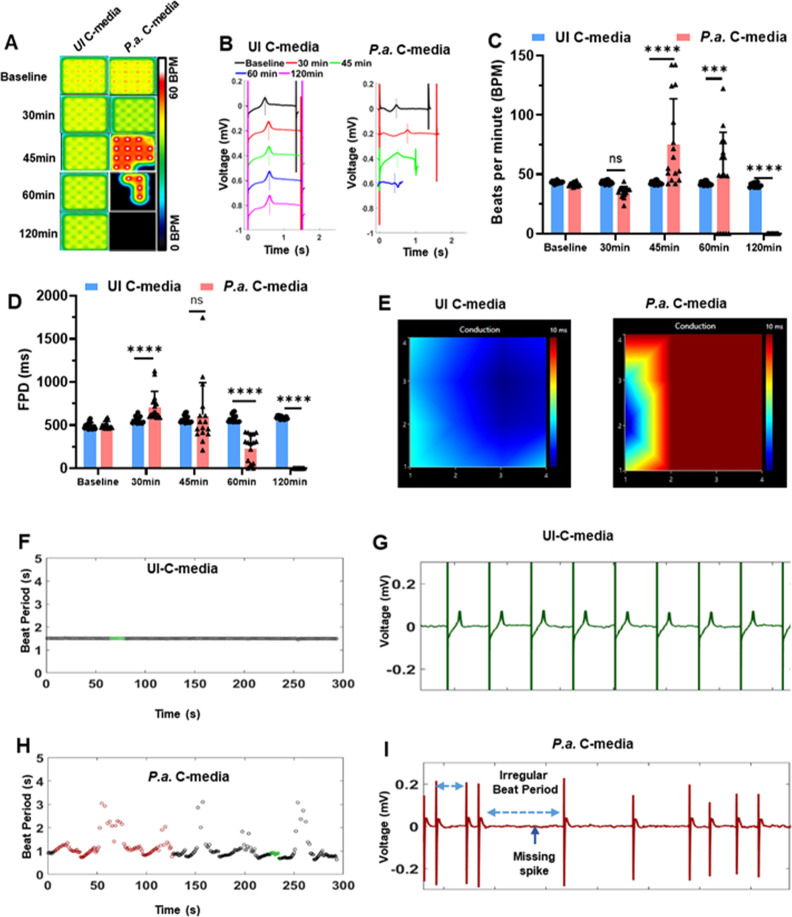 Figure 1
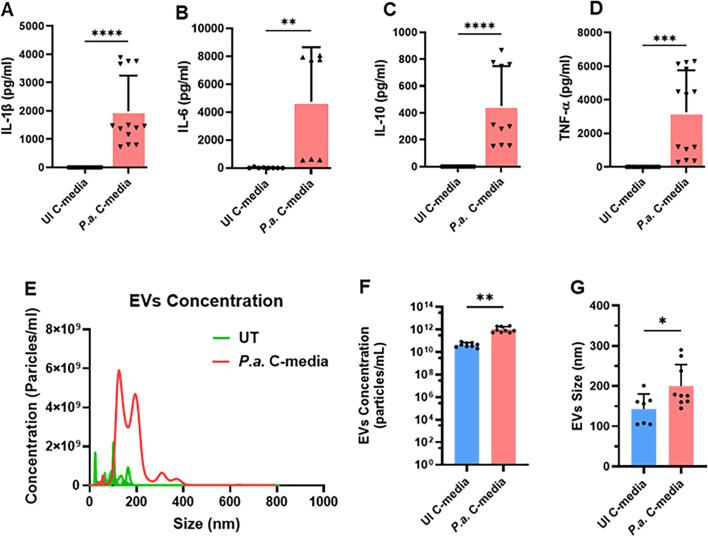 Figure 2
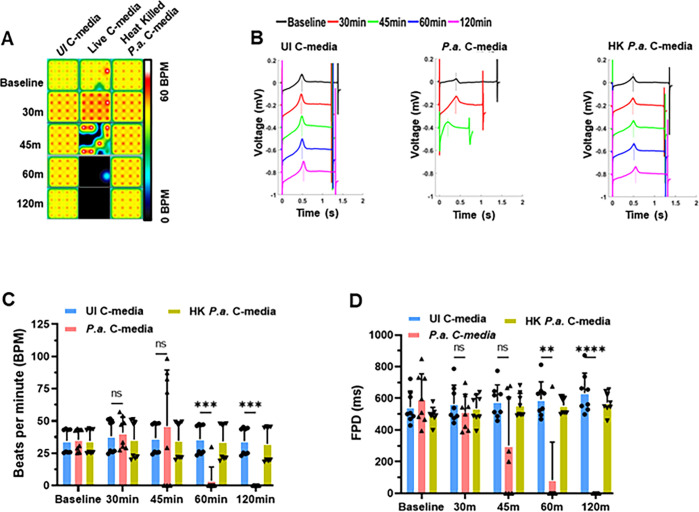 Figure 3
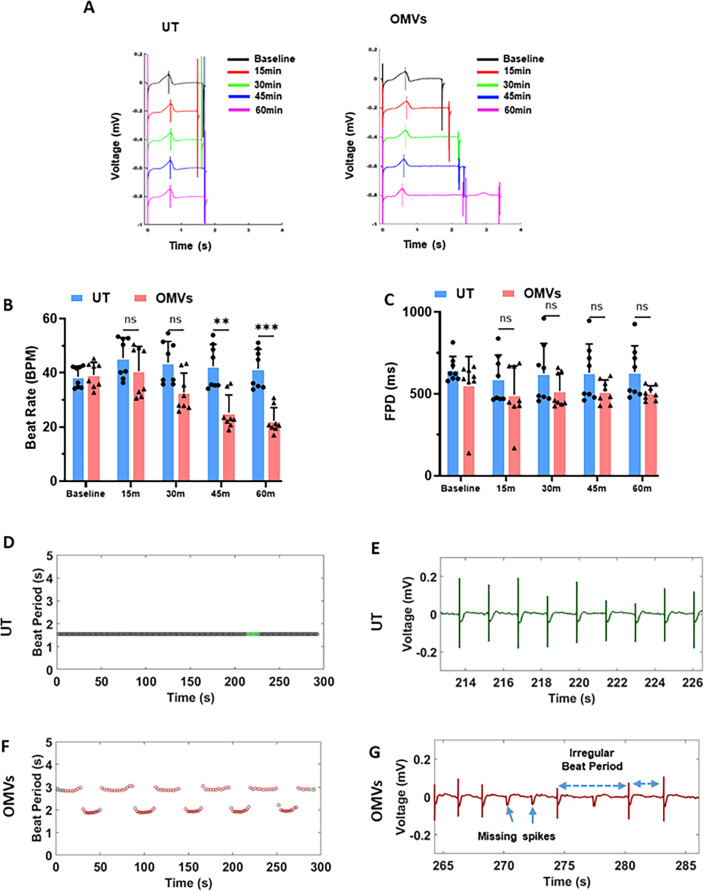 Figure 4
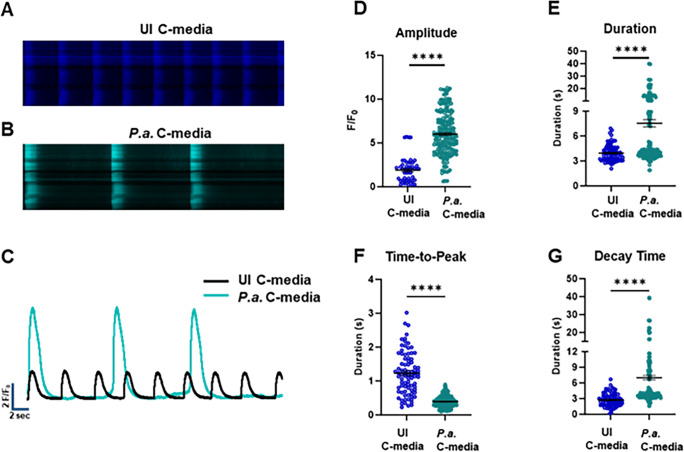 Figure 5
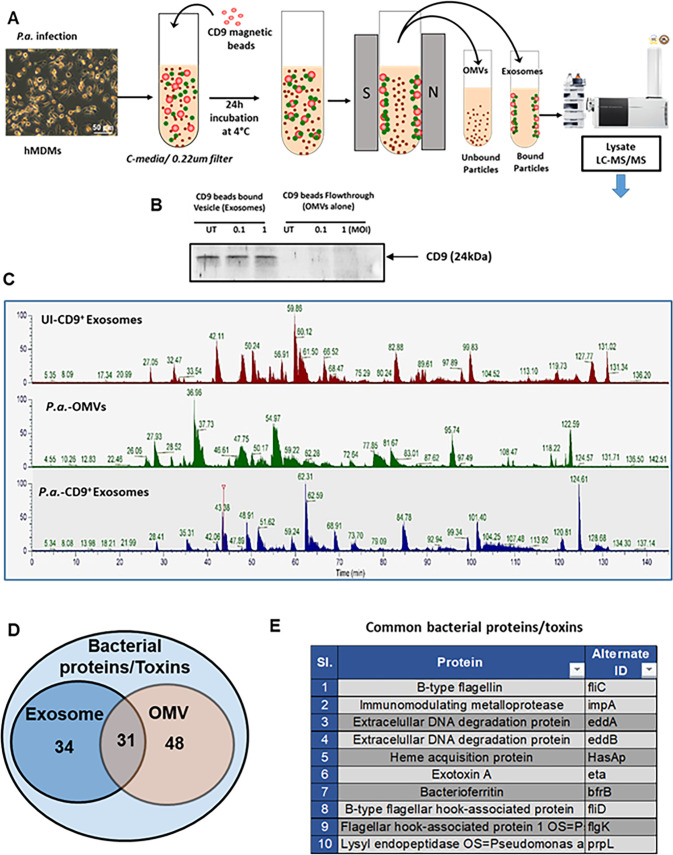 Figure 6
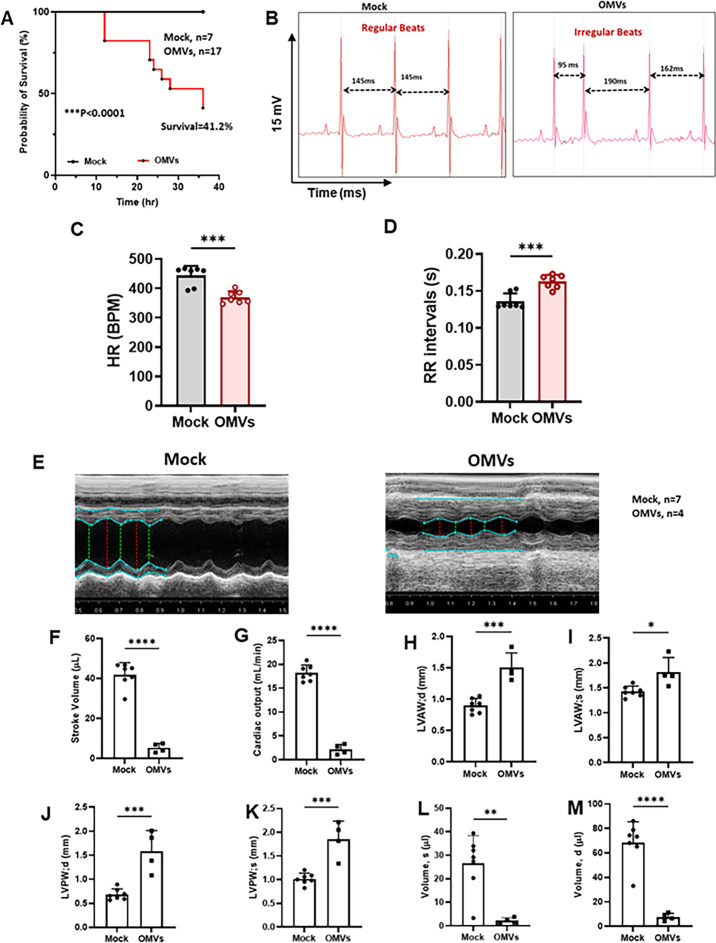 Figure 7
Peer Reviews
No public reviews on file for this paper yet. If you reviewed it on a platform where reviews are public (OpenReview, ICLR, NeurIPS, ICML), you can paste yours below so the community can read it here.
Videos
No videos yet. Explain this paper in a talk, walkthrough, or lecture? Add one.
Taxonomy
TopicsPneumonia and Respiratory Infections · Bacterial Infections and Vaccines · Cystic Fibrosis Research Advances