A protease-precursor system drives synergistic antagonism in haloarchaea
Rui Wang, Siqi Sun, Yuling Hao, Yue Ding, Xinran Jiang, Yu Jin, Demei Tu, Guoying Zheng, Jing Han, Shaoxing Chen

TL;DR
This paper discovers a new way haloarchaea fight each other using a protease and a precursor protein, which could lead to new antimicrobial strategies.
Contribution
The first report of extracellular serine protease-dependent synergistic antagonism in archaea, revealing a modular proteolytic activation mechanism.
Findings
HFX_0892 is cleaved by serine proteases to release an antibacterial peptide (0892N) in haloarchaea.
The antagonistic activity of 0892N depends on its α-helical structure and can be transferred to other proteins.
H. mediterranei contains additional precursor proteins with potential antimicrobial functions beyond HFX_0892.
Abstract
Antagonistic competition is a crucial survival strategy for microorganisms sharing ecological niches, playing a key role in shaping microbial communities and influencing biogeochemical cycles. Here, we report the first extracellular serine protease-dependent synergistic antagonism in archaea: a collaboration between an extracellular protease-producing strain and a precursor protein-producing strain. The serine protease secreted by the former cleaves the precursor protein released by the latter, generating an antibacterial effector molecule. This synergistic antagonism also occurs across domains (between halophilic bacteria and archaea), indicating broad ecological relevance. Using mass spectrometry and inhibition assays, we identified HFX_0892—from the model haloarchaeon Haloferax mediterranei ATCC 33500—as a key mediator of this process. Precursor protein HFX_0892 was cleaved by HlyR4…
Genes, proteins, chemicals, diseases, species, mutations and cell lines named across the full text — each resolved to its canonical identifier and authoritative record.
Click any figure to enlarge with its caption.
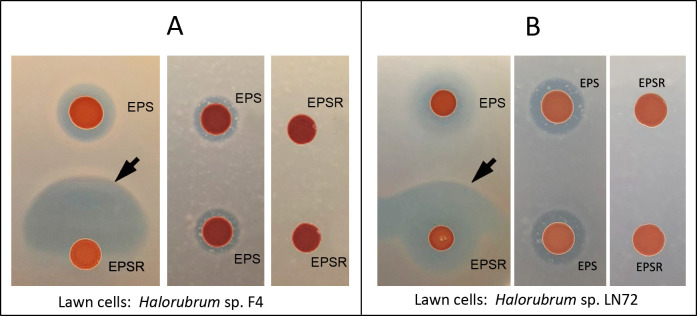 Figure 1
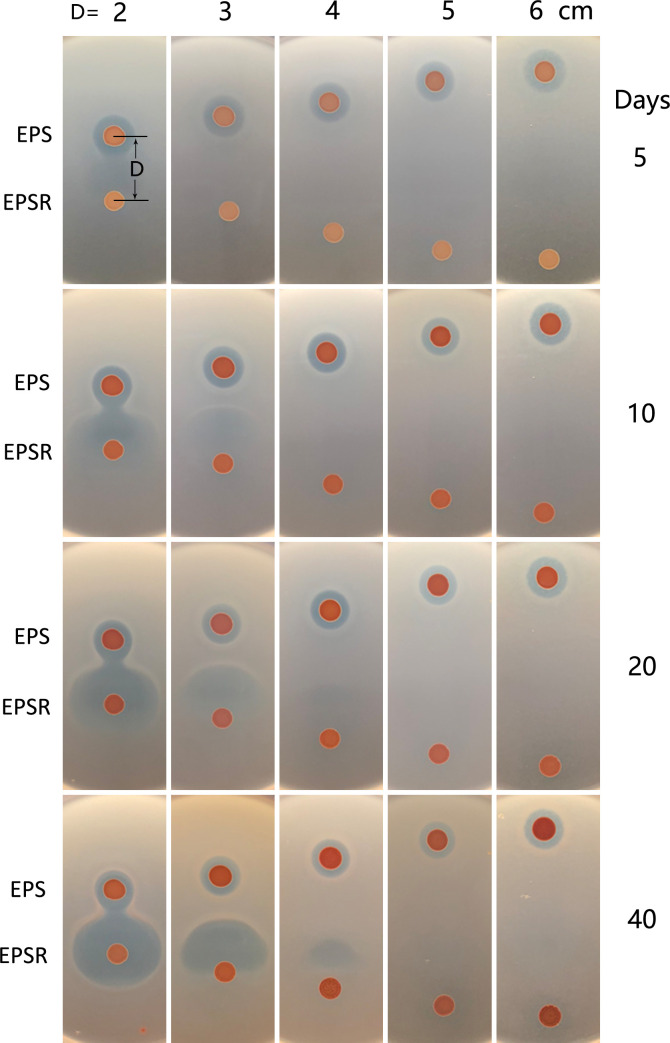 Figure 2
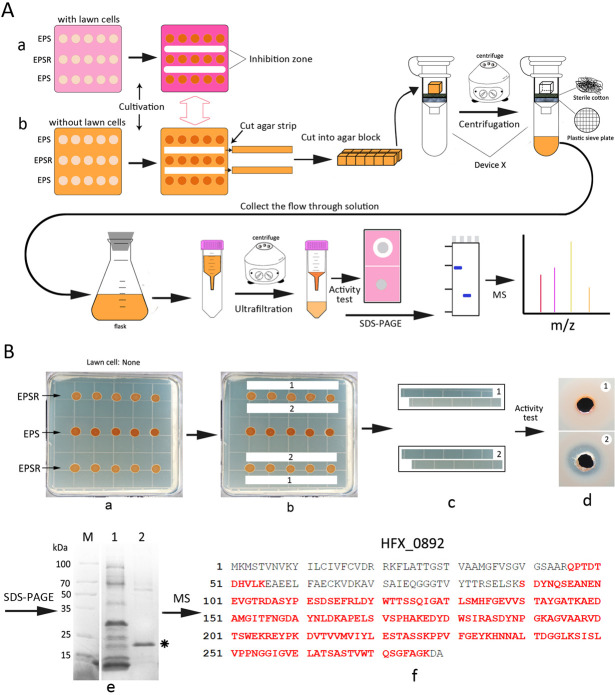 Figure 3
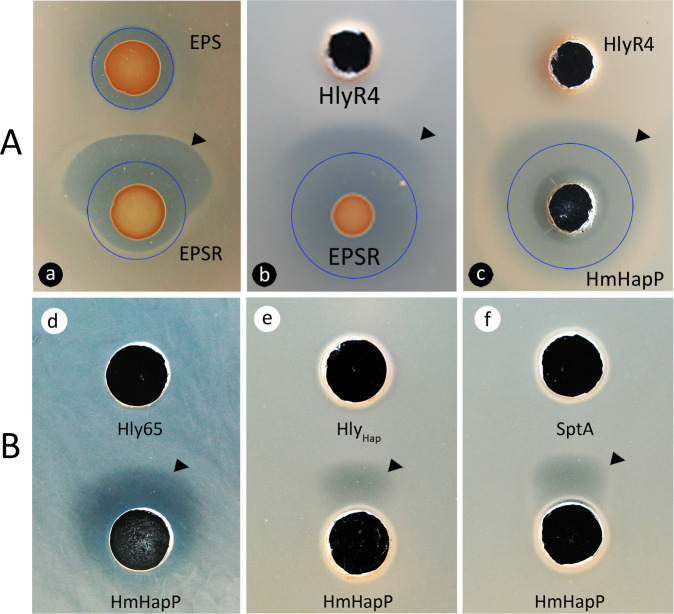 Figure 4
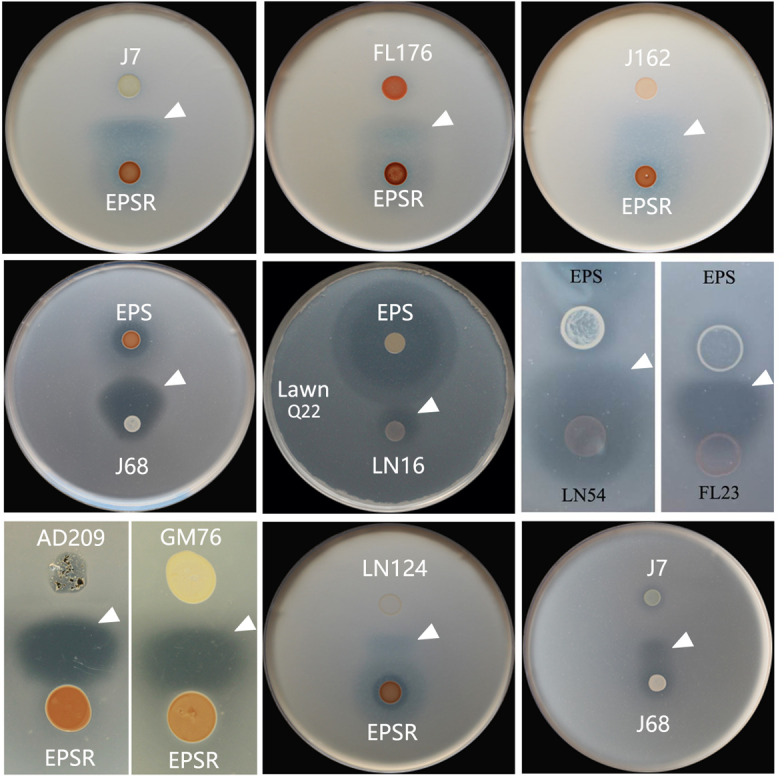 Figure 5
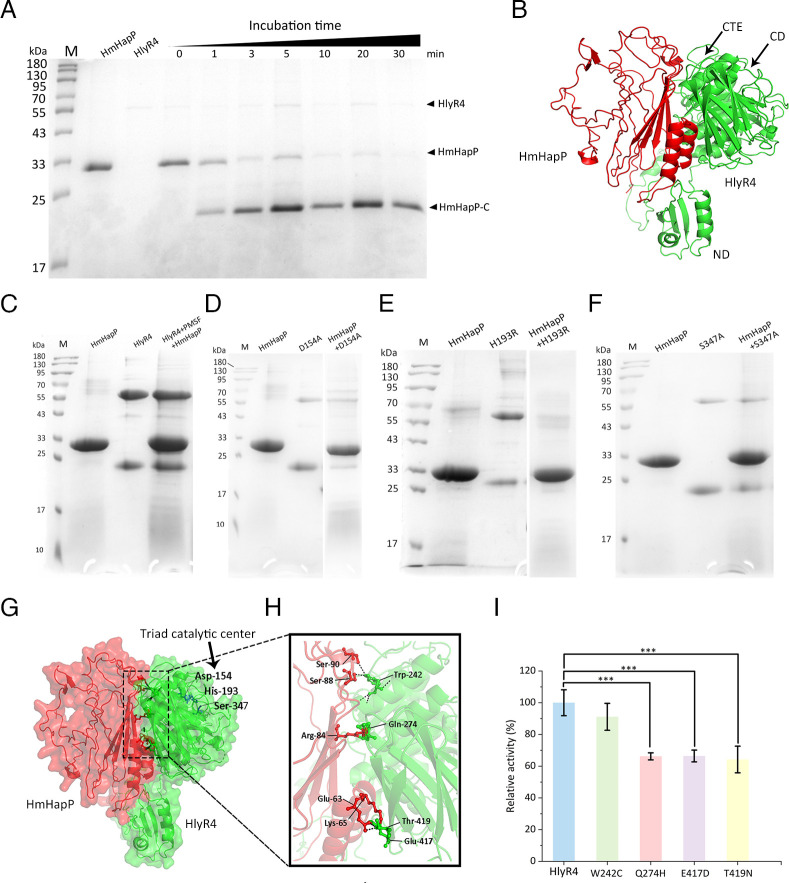 Figure 6
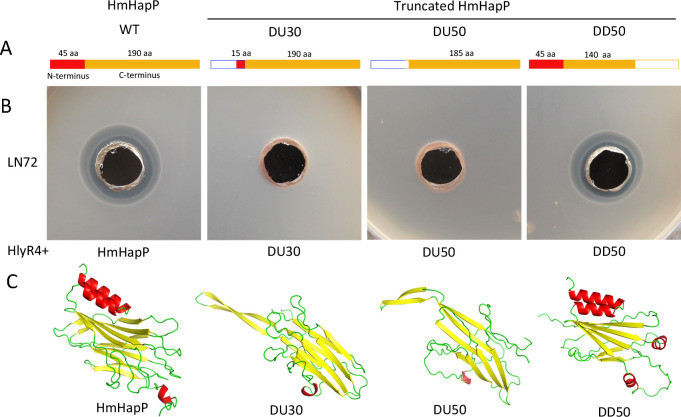 Figure 7
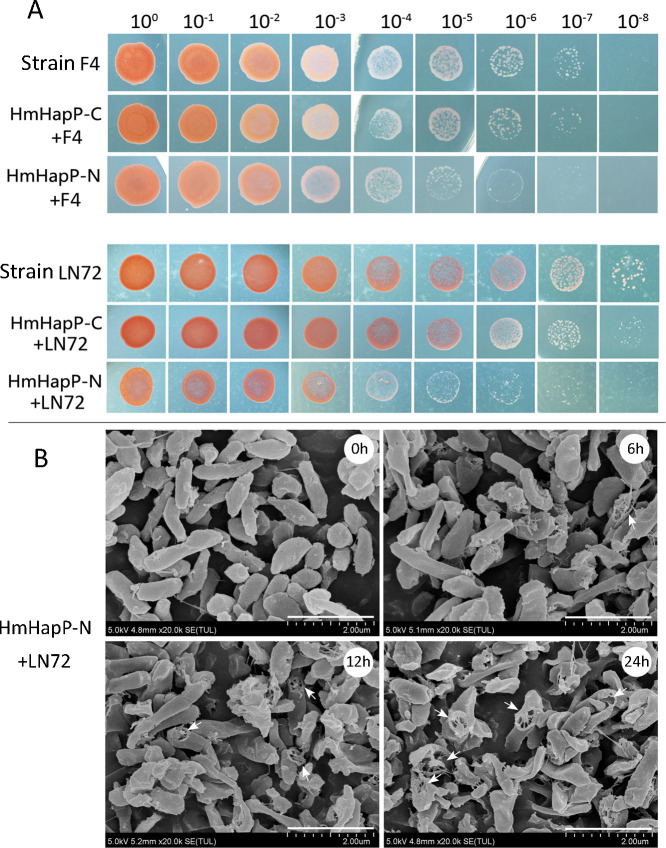 Figure 8
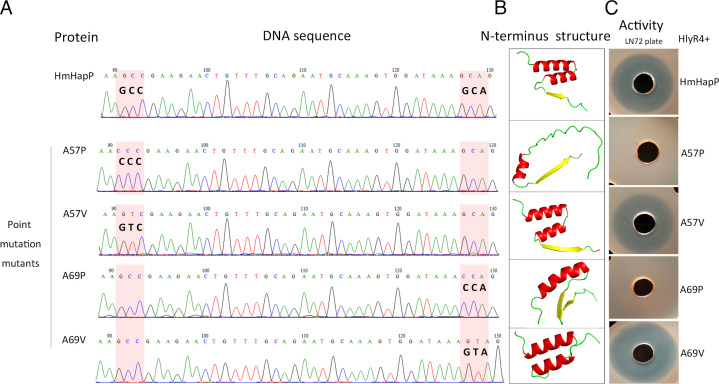 Figure 9
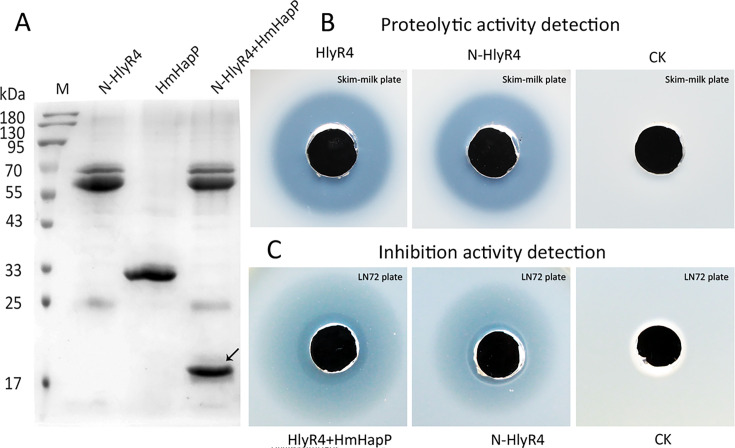 Figure 10
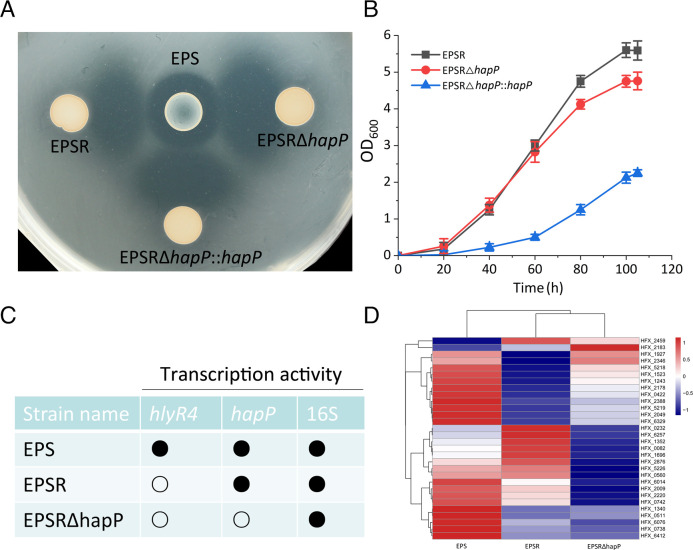 Figure 11
Peer Reviews
No public reviews on file for this paper yet. If you reviewed it on a platform where reviews are public (OpenReview, ICLR, NeurIPS, ICML), you can paste yours below so the community can read it here.
Videos
No videos yet. Explain this paper in a talk, walkthrough, or lecture? Add one.
Taxonomy
TopicsBacterial Genetics and Biotechnology · Bacterial biofilms and quorum sensing · Biochemical and Structural Characterization