Stable co-existence of Citrobacter rodentium with a lytic bacteriophage during in vivo murine infection
Audrey Peters, Hiba Shareefdeen, Julia Sanchez-Garrido, Eli J. Cohen, Rémi Denise, Joshua L. C. Wong, Morgan Beeby, Colin Hill, Gad Frankel

TL;DR
A new phage called Eifel2 infects a gut pathogen in mice without reducing the infection, showing bacteria and phage can co-exist in the gut.
Contribution
The study demonstrates stable co-existence of a lytic phage and its bacterial host in a mouse model with a normal microbiota.
Findings
Eifel2, a novel lytic phage, replicates in the gut without reducing Citrobacter rodentium burden or inflammation.
Phage-resistant mutants of Citrobacter rodentium do not expand clonally due to selective pressures in the gut.
In vivo models are essential for understanding complex phage-bacteria interactions in a natural microbiota context.
Abstract
Bacteriophages are ubiquitously present in bacterial communities; however, phage-bacteria interactions in complex environments like the gut remain poorly understood. Although antibiotic resistance is driving a renewed interest in phage therapy, most studies have been conducted in in vitro systems, offering limited insight into the complexity of such dynamics in physiological contexts. Here, we use the mouse-restricted enteric pathogen Citrobacter rodentium (CR), a well-established model for human enteropathogenic and enterohemorrhagic Escherichia coli (EPEC and EHEC) infections, to investigate phage-pathogen interactions in a murine model with a complex microbiota. We isolate and characterize Eifel2, a novel lytic phage infecting CR, and generate anti-phage-specific antibodies that enable the visualization of phage infections in vitro. In a murine model of CR infection, oral…
Genes, proteins, chemicals, diseases, species, mutations and cell lines named across the full text — each resolved to its canonical identifier and authoritative record.
Click any figure to enlarge with its caption.
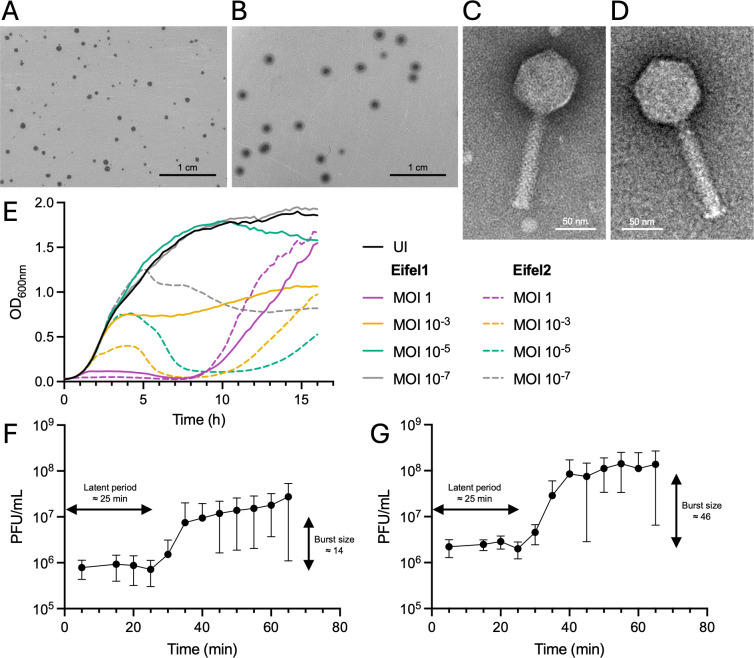 Figure 1
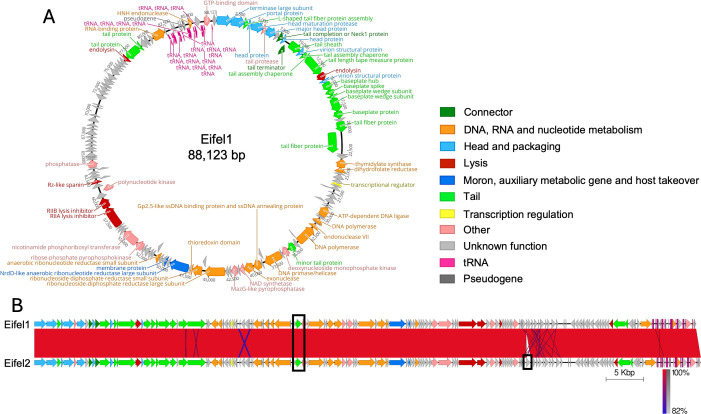 Figure 2
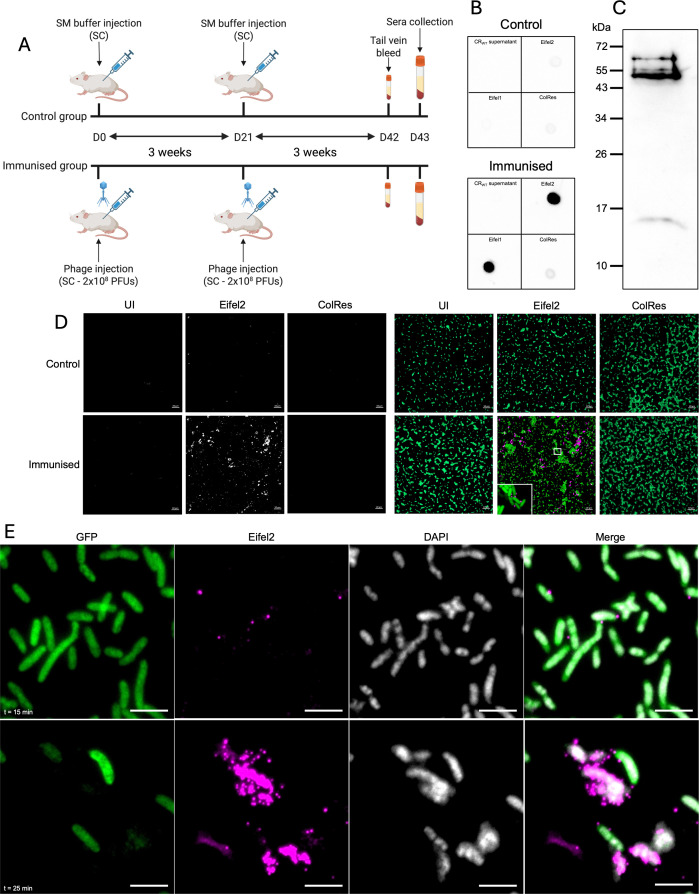 Figure 3
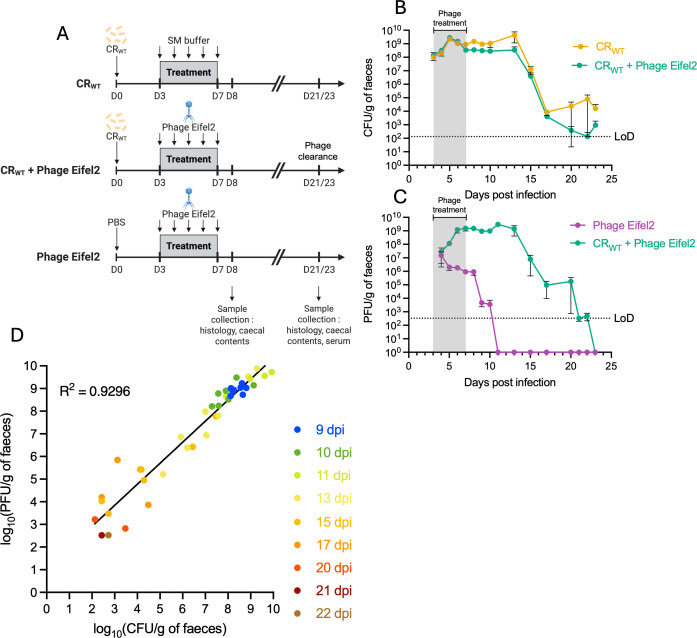 Figure 4
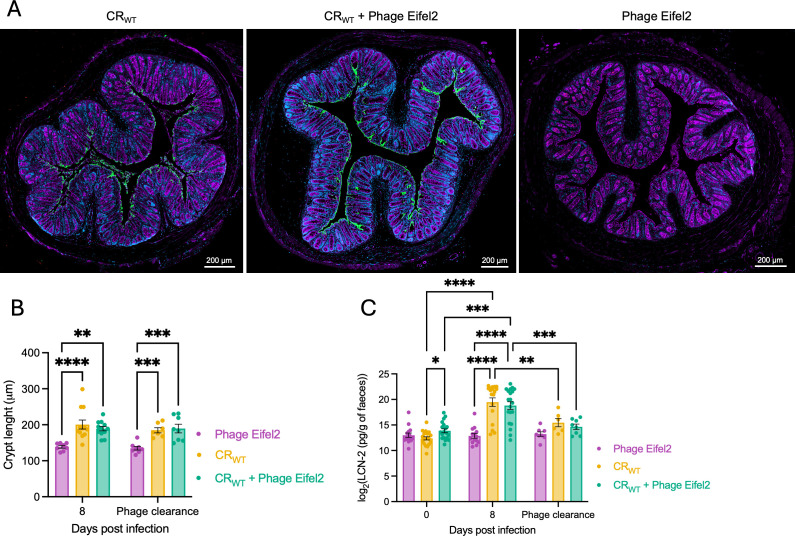 Figure 5
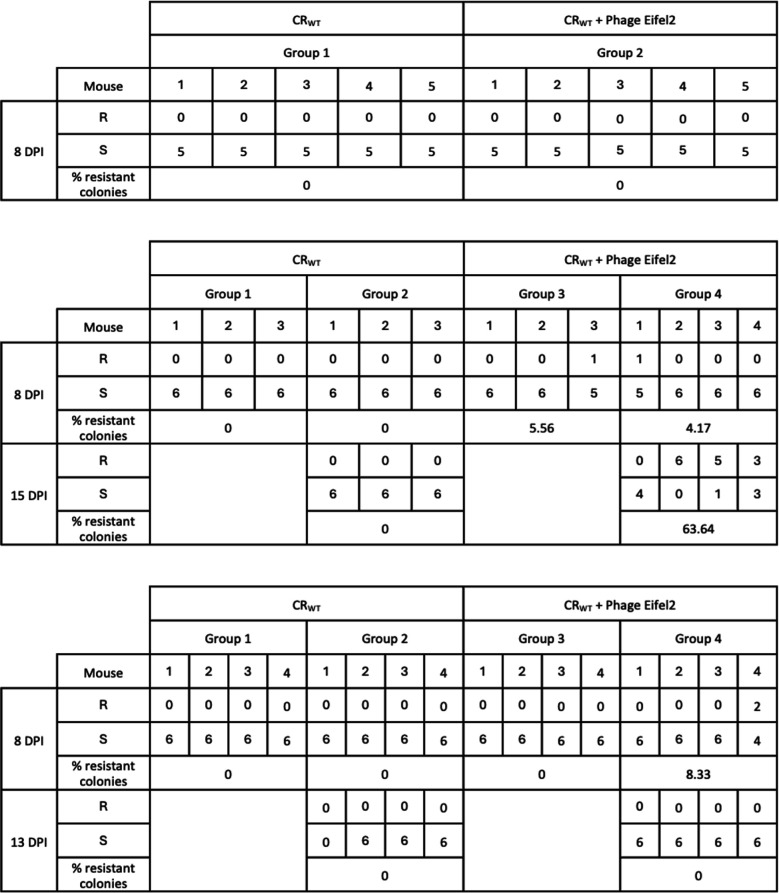 Figure 6
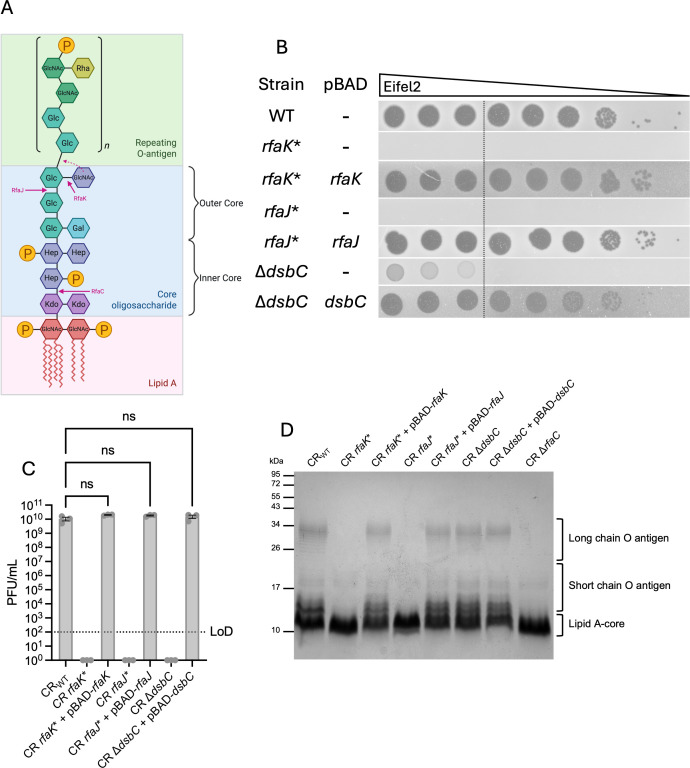 Figure 7
Peer Reviews
No public reviews on file for this paper yet. If you reviewed it on a platform where reviews are public (OpenReview, ICLR, NeurIPS, ICML), you can paste yours below so the community can read it here.
Videos
No videos yet. Explain this paper in a talk, walkthrough, or lecture? Add one.
Taxonomy
TopicsBacteriophages and microbial interactions · Escherichia coli research studies · RNA and protein synthesis mechanisms