Confidence-based prediction of antibiotic resistance at the patient level
Juan S. Inda-Díaz, Anna Johnning, Magnus Hessel, Anders Sjöberg, Anna Lokrantz, Lisa Helldal, Mats Jirstrand, Lennart Svensson, Erik Kristiansson

TL;DR
A deep learning method predicts antibiotic resistance using patient data and existing test results, offering faster and more accurate diagnostics.
Contribution
A novel deep learning model using transformers to predict untested antibiotic resistance with uncertainty estimation.
Findings
The model achieved 93% average accuracy across bacterial species and antibiotics.
Predictive uncertainty was accurately estimated using conformal prediction.
Higher error rates were observed for penicillins and quinolones compared to other antibiotic classes.
Abstract
Rapid and accurate diagnostics of bacterial infections are necessary for efficient treatment of antibiotic-resistant pathogens. Cultivation-based methods, such as antibiotic susceptibility testing (AST), are limited by bacterial growth rates and seldom yield results before treatment needs to start, increasing patient risk and contributing to antibiotic overprescription. Here, we present a deep-learning method that leverages patient data and available AST results to predict antibiotic susceptibilities that have not yet been measured. After training on three million AST results from 30 European countries, the method achieved an average accuracy of 93% across bacterial species and antibiotics. It predicted susceptibility with an average major error rate below 5% for quinolones, cephalosporins, and carbapenems, and below 8% and 14% for aminoglycosides and penicillins, respectively.…
Genes, proteins, chemicals, diseases, species, mutations and cell lines named across the full text — each resolved to its canonical identifier and authoritative record.
Click any figure to enlarge with its caption.
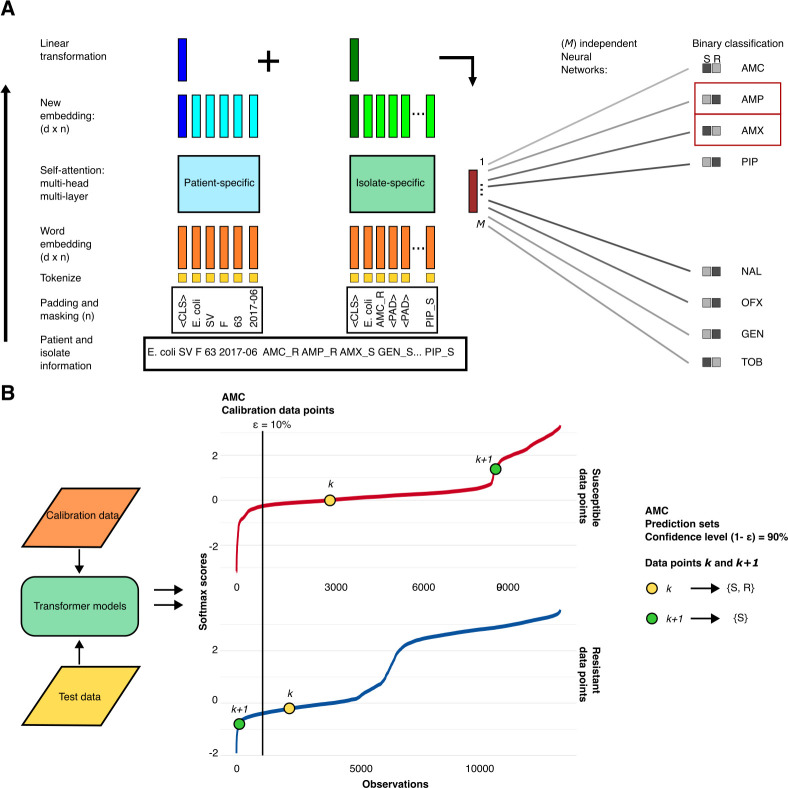 Figure 1
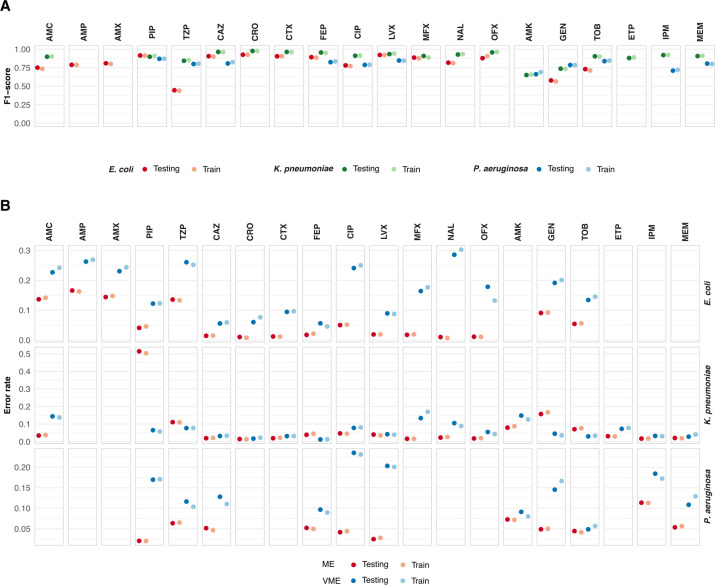 Figure 2
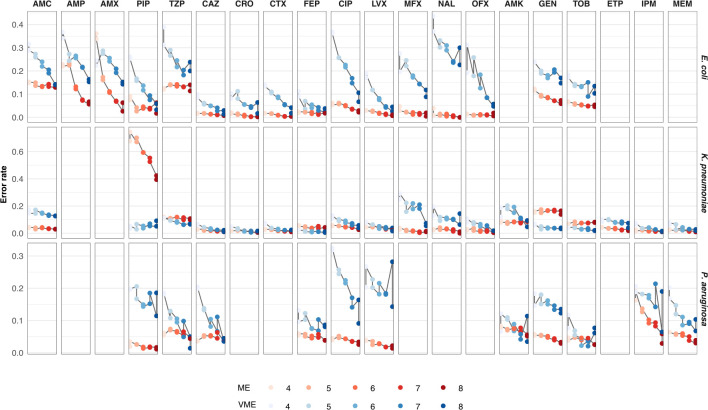 Figure 3
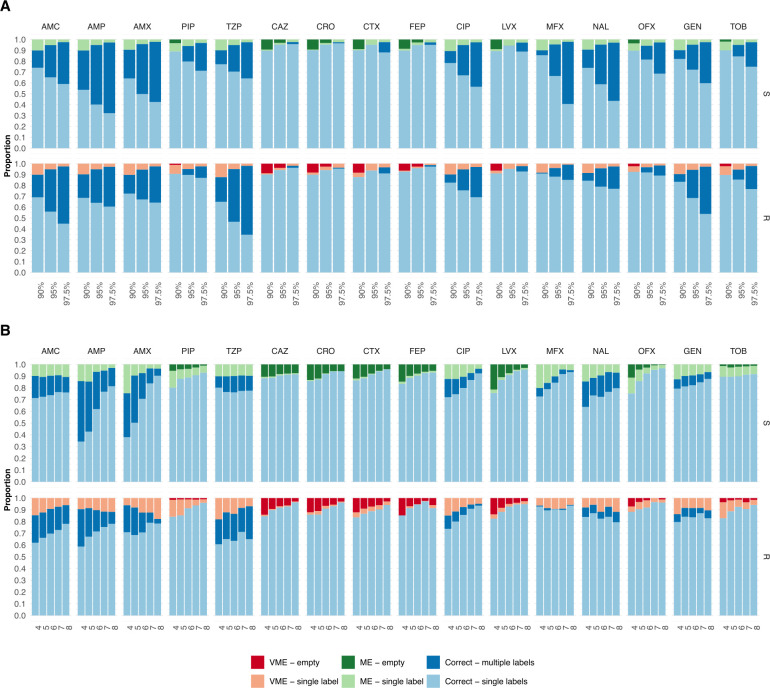 Figure 4
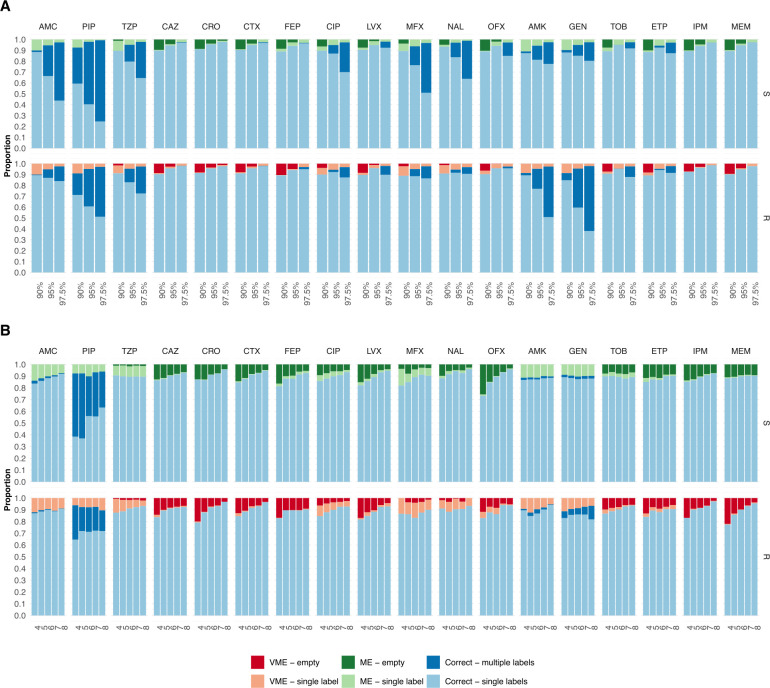 Figure 5
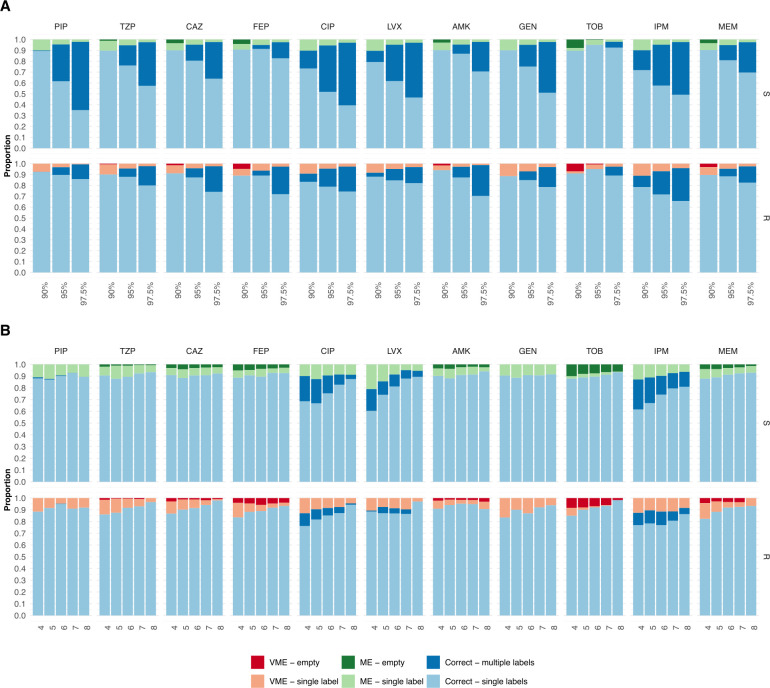 Figure 6
 Figure 7
 Figure 8
 Figure 9
 Figure 10
 Figure 11
 Figure 12
 Figure 13
 Figure 14
 Figure 15
 Figure 16
 Figure 17
 Figure 18
 Figure 19
 Figure 20
 Figure 21
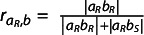 Figure 22
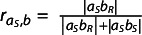 Figure 23
 Figure 24
 Figure 25
 Figure 26
 Figure 27
 Figure 28
 Figure 29
Peer Reviews
No public reviews on file for this paper yet. If you reviewed it on a platform where reviews are public (OpenReview, ICLR, NeurIPS, ICML), you can paste yours below so the community can read it here.
Videos
No videos yet. Explain this paper in a talk, walkthrough, or lecture? Add one.
Taxonomy
TopicsBacterial Identification and Susceptibility Testing · Antimicrobial Resistance in Staphylococcus · Machine Learning in Materials Science