Systematic evaluation and optimization of TaqMan qPCR assays targeting F57, ISMAP02, and IS900 for multiplex detection of Mycobacterium avium subsp. paratuberculosis
Nathalie Bissonnette, Séverine Ollier, Jean-Philippe Brousseau, Alexander Stephan Byrne, Christian Savard, Kapil Tahlan

TL;DR
This study developed a highly sensitive multiplex qPCR test for detecting Mycobacterium avium subsp. paratuberculosis in livestock and the environment.
Contribution
The study systematically evaluated and optimized TaqMan qPCR assays for MAP detection, identifying the most reliable primer-probe combinations for low-abundance samples.
Findings
The IS900-Herthnek design detected MAP in 81% of low-abundance samples, significantly outperforming other assays.
The ISMAP02-Sevilla and F57-Herthnek assays provided the most reliable results for their respective targets.
A recommended multiplex qPCR assay combining IS900-Herthnek, ISMAP02-Sevilla, and F57-Herthnek offers high sensitivity and specificity for MAP detection.
Abstract
This study aimed to develop a multiplex quantitative PCR (qPCR) assay for the detection of Mycobacterium avium subsp. paratuberculosis (MAP), the etiological agent of paratuberculosis disease, a chronic and endemic infectious disease affecting ruminant livestock worldwide. Infected animals may remain asymptomatic for years while intermittently shedding MAP into their environment through feces, contributing to ongoing transmission. To develop a robust multiplex qPCR assay, we reviewed all TaqMan qPCR studies published since 1990 and selected 18 primer-probe combinations targeting the MAP-specific F57 gene and the repetitive sequence elements ISMAP02 and IS900. In samples with moderate to high MAP levels, all combinations performed well, with only minor differences in analytical performance. However, in low-abundance samples, several TaqMan designs yielded unreliable results, indicating…
Genes, proteins, chemicals, diseases, species, mutations and cell lines named across the full text — each resolved to its canonical identifier and authoritative record.
Click any figure to enlarge with its caption.
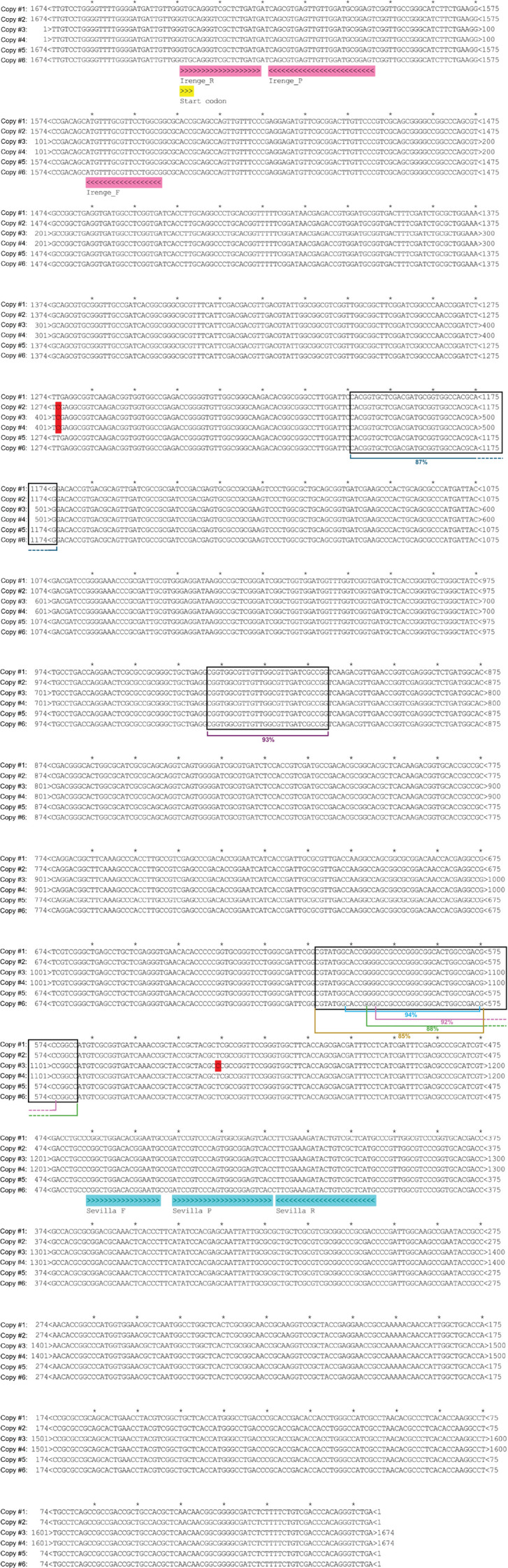 Figure 1
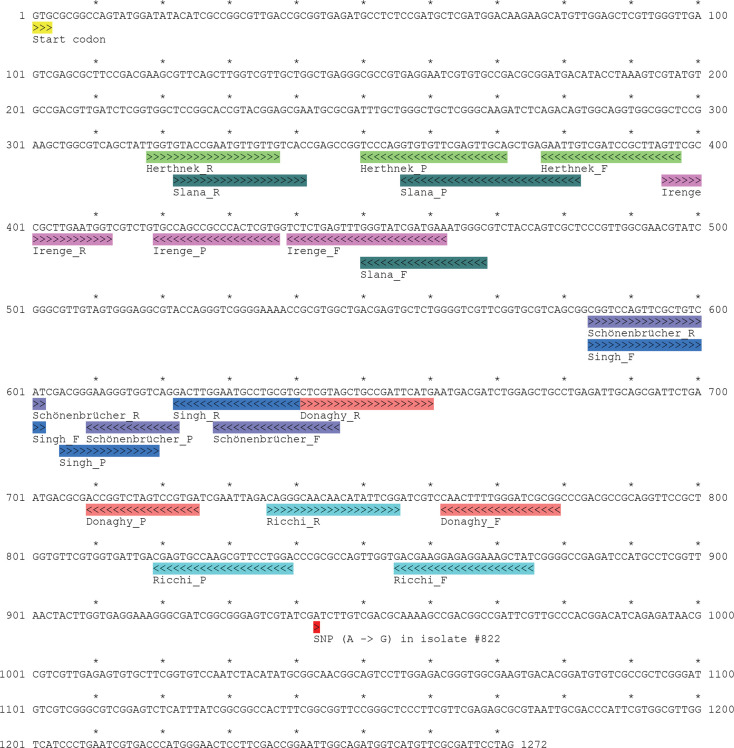 Figure 2
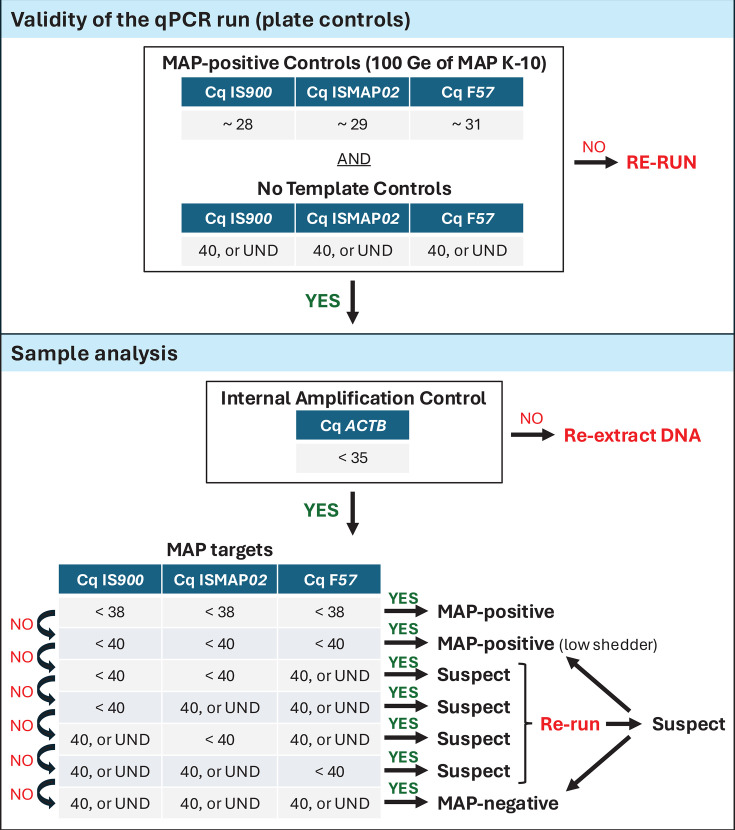 Figure 3
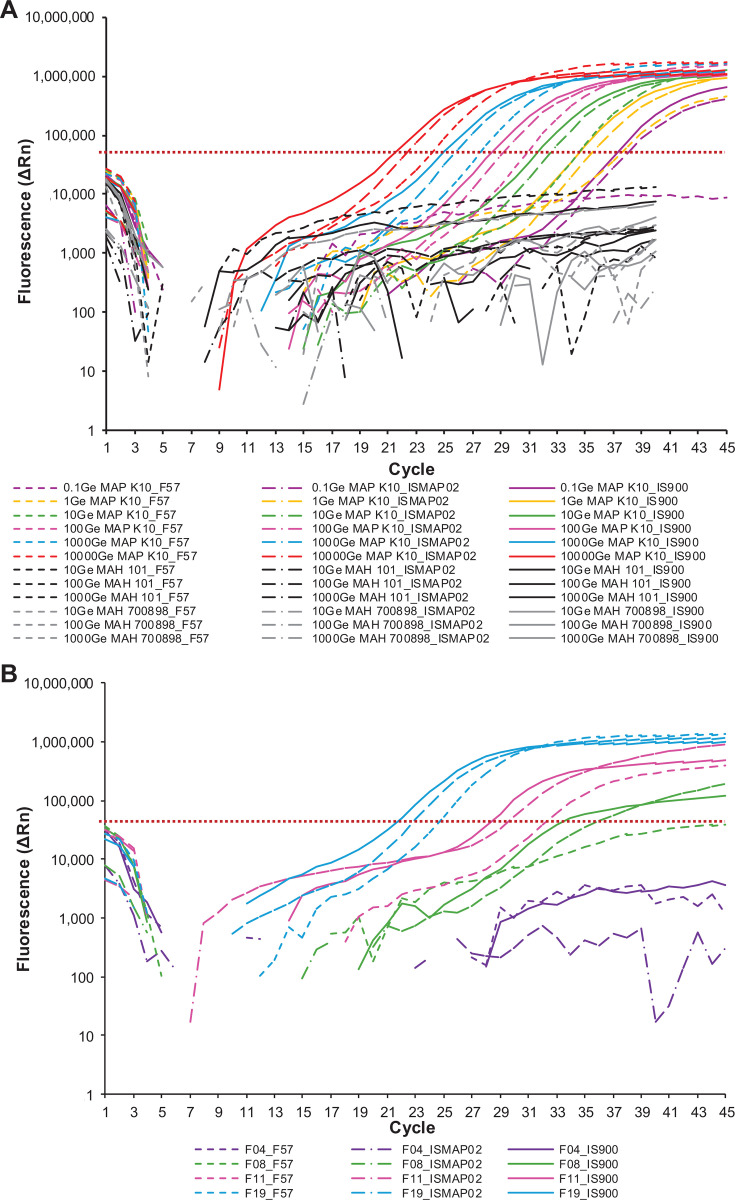 Figure 4
Peer Reviews
No public reviews on file for this paper yet. If you reviewed it on a platform where reviews are public (OpenReview, ICLR, NeurIPS, ICML), you can paste yours below so the community can read it here.
Videos
No videos yet. Explain this paper in a talk, walkthrough, or lecture? Add one.
Taxonomy
TopicsMycobacterium research and diagnosis · Tuberculosis Research and Epidemiology · Image Processing Techniques and Applications