A mouse model for studying chronic Salmonella Typhi infection and anti-biofilm interventions
Allysa L. Cole, Katherine J. Woolard, Amy Sorge, Christian Melander, John S. Gunn

TL;DR
Researchers created a mouse model to study chronic Salmonella Typhi infection and test treatments for eliminating the carrier state.
Contribution
A new murine model of chronic S. Typhi infection is established, enabling in vivo studies of the carrier state and anti-biofilm therapies.
Findings
A murine model using CC003/Unc and CC053/Unc mice supports chronic S. Typhi infection in the gallbladder, liver, and spleen.
Gallstone-associated biofilms contribute to chronic S. Typhi carriage and can be targeted by anti-biofilm compounds combined with ciprofloxacin.
Male mice showed increased weight loss and lethality after infection, but no sex difference in bacterial load was observed.
Abstract
Typhoid fever, caused by Salmonella enterica serovar Typhi (S. Typhi), continues to cause significant human disease, especially in endemic regions. Chronic carriers of typhoid fever are a significant contributor to the perpetuation of disease in these communities, and treatments for elimination of the carrier state remain a challenge to clinicians and researchers. S. Typhi is host-restricted to humans and has been shown to be rapidly cleared by immunocompetent mice, which led to the use of S. enterica serovar Typhimurium infection of susceptible mice as a model for S. Typhi and typhoid fever. Thus, the lack of a direct murine model of S. Typhi infection has long been a challenge in the study of the mechanisms of typhoid fever and identification of therapeutics to treat the chronic carrier state. Here, we demonstrate the establishment of a murine model of chronic S. Typhi infection…
Genes, proteins, chemicals, diseases, species, mutations and cell lines named across the full text — each resolved to its canonical identifier and authoritative record.
Click any figure to enlarge with its caption.
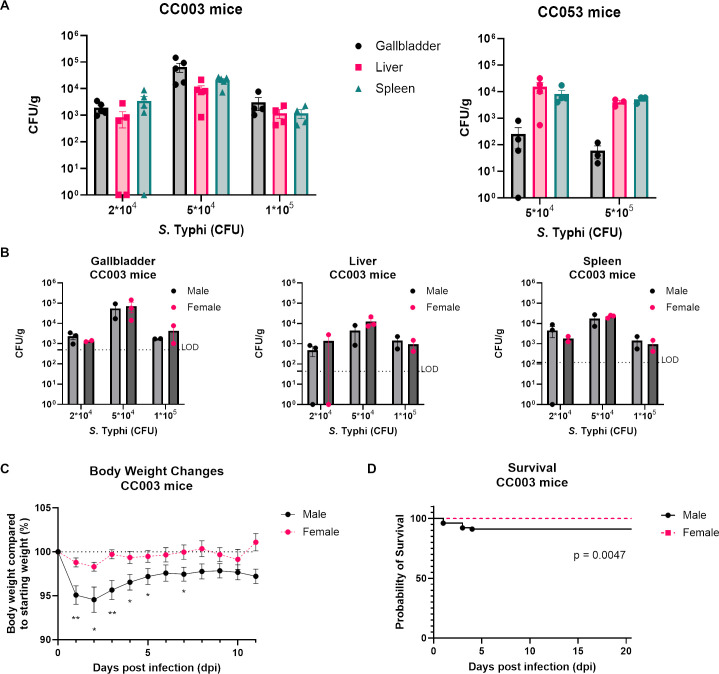 Figure 1
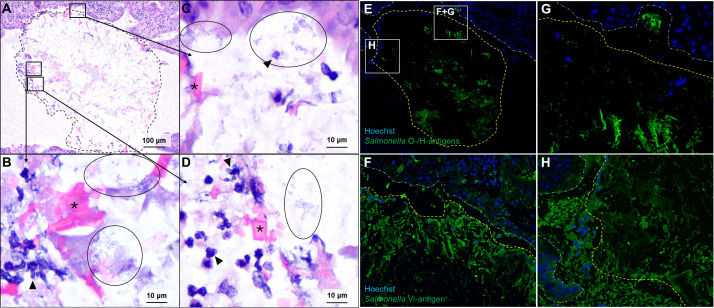 Figure 2
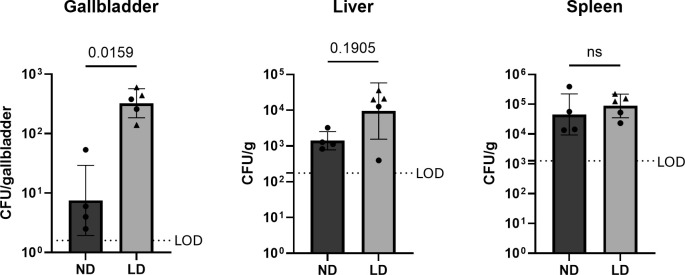 Figure 3
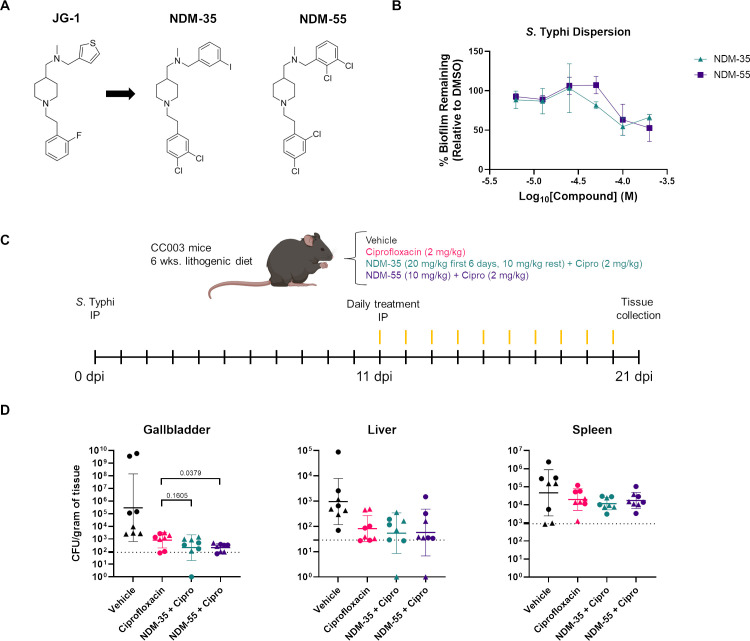 Figure 4
Peer Reviews
No public reviews on file for this paper yet. If you reviewed it on a platform where reviews are public (OpenReview, ICLR, NeurIPS, ICML), you can paste yours below so the community can read it here.
Videos
No videos yet. Explain this paper in a talk, walkthrough, or lecture? Add one.
Taxonomy
TopicsSalmonella and Campylobacter epidemiology · Immune Response and Inflammation · Aquaculture disease management and microbiota