A needle arthroscopy approach to the temporomandibular joints in dogs
Boaz Arzi, Stephanie Goldschmidt, Emilia Chrostek, Minh Vo Duong, Barbro Filliquist, Po-Yen Chou

TL;DR
This paper introduces a needle arthroscopy technique for examining and treating temporomandibular joints in dogs, offering a practical and less invasive approach.
Contribution
The paper presents a novel semi-open needle arthroscopy method for canine temporomandibular joints, minimizing iatrogenic damage.
Findings
A semi-open approach to TMJ arthroscopy is more practical and less damaging than a single stab incision.
Needle arthroscopy allows direct visualization and guided biopsies of TMJ structures in dogs.
The technique has clinical relevance for diagnosing and treating TMJ disorders in canines.
Abstract
The temporomandibular joint (TMJ) has been identified as an important contributor to orofacial pain and dysfunction in dogs. Although TMJ disorders have been partially characterized, a more comprehensive understanding and development of diagnostic and therapeutic options are needed. Arthroscopy of the TMJ is a technique that allows for direct visualization and inspection of the internal joint structures, in addition to the collection of biopsies and the performance of select surgical procedures under the operator’s direct visual control. This Methods article, illustrated by two clinical cases, demonstrates the practical and efficient use of needle arthroscopy in dogs’ TMJs. Understanding the fundamental aspects of TMJ arthroscopy is important for diagnosing and treating TMJ conditions, especially given the TMJ’s unique anatomical features in dogs. A semi-open approach was found to be…
Genes, proteins, chemicals, diseases, species, mutations and cell lines named across the full text — each resolved to its canonical identifier and authoritative record.
Click any figure to enlarge with its caption.
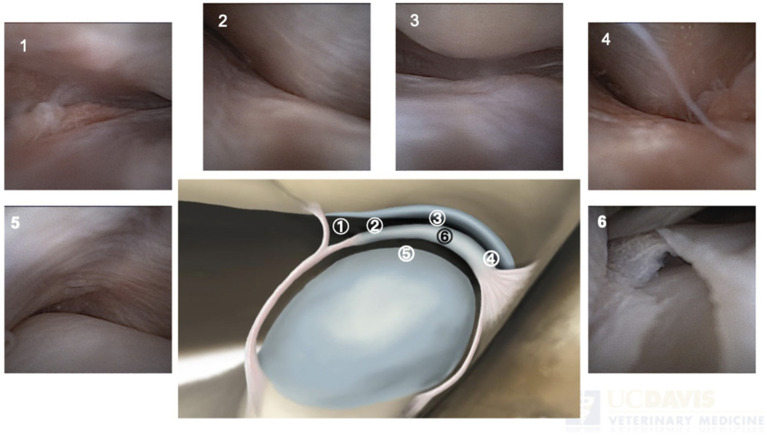 Figure 1
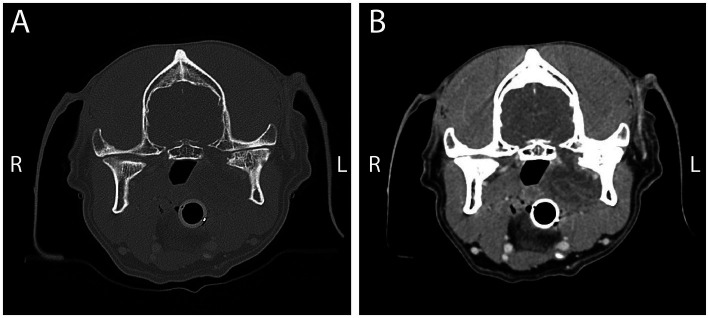 Figure 2
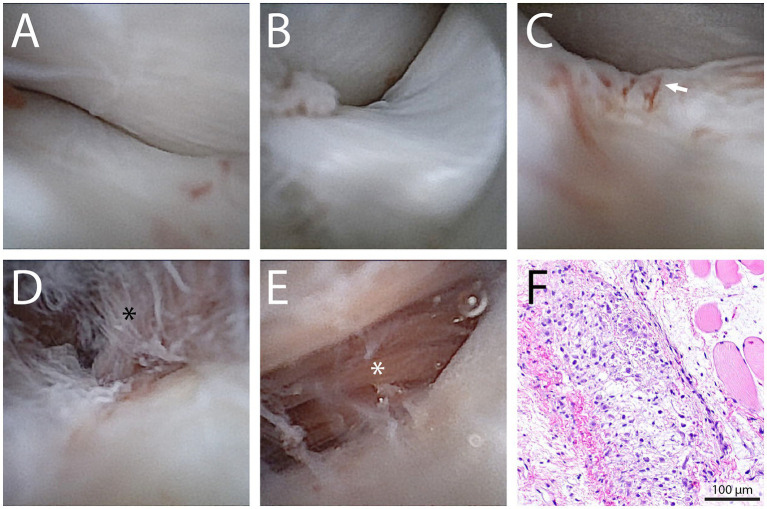 Figure 3
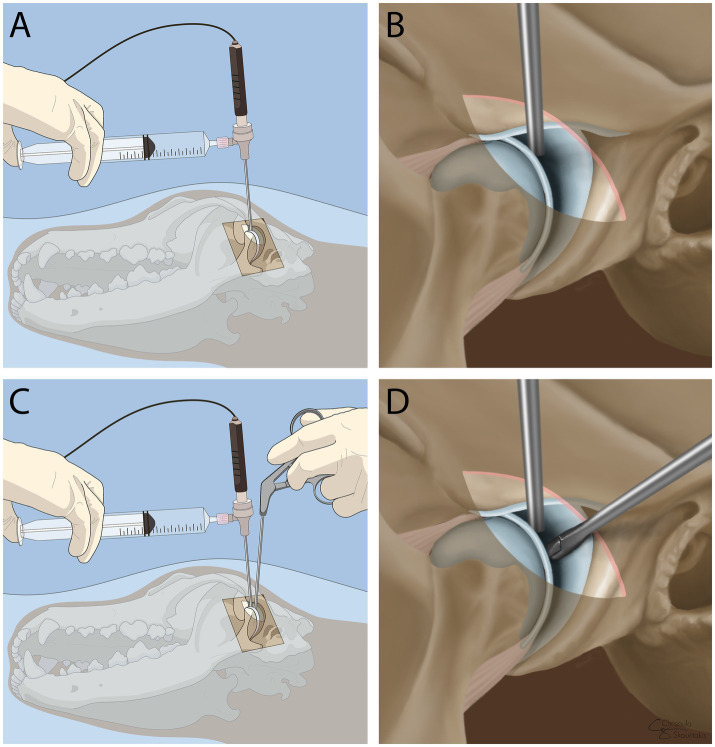 Figure 4
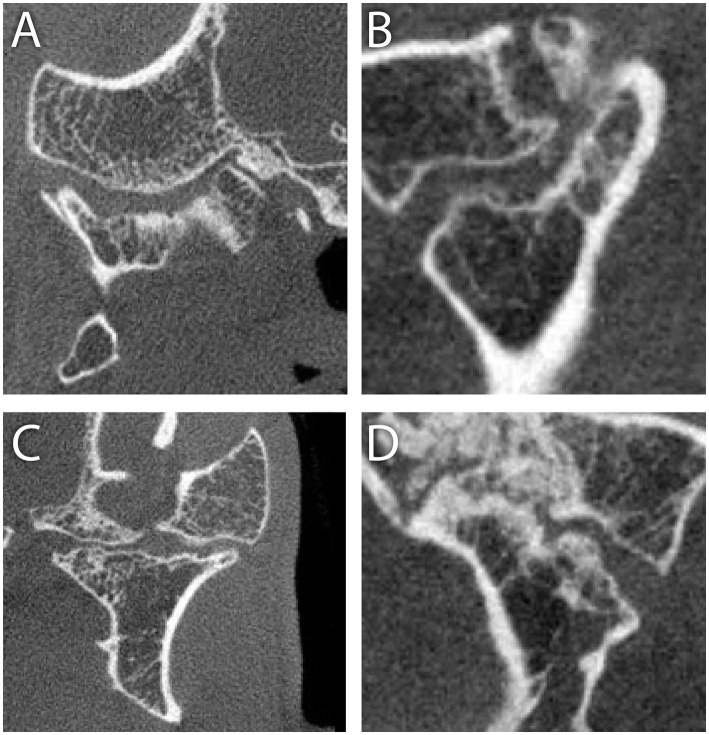 Figure 5
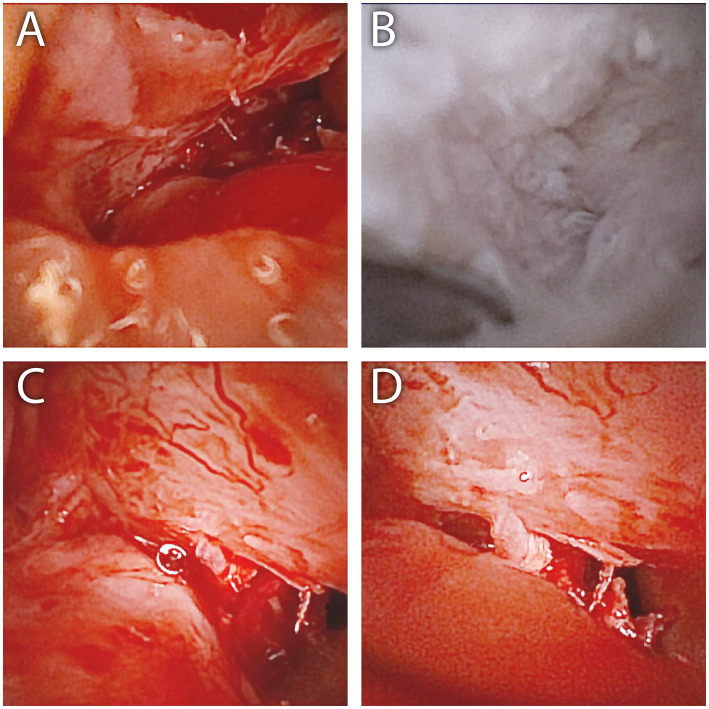 Figure 6
Peer Reviews
No public reviews on file for this paper yet. If you reviewed it on a platform where reviews are public (OpenReview, ICLR, NeurIPS, ICML), you can paste yours below so the community can read it here.
Videos
No videos yet. Explain this paper in a talk, walkthrough, or lecture? Add one.
Taxonomy
TopicsVeterinary Oncology Research · Veterinary Orthopedics and Neurology · Temporomandibular Joint Disorders