Trade-off between accumulation potential and transmission efficiency in hypovirus variants infecting phytopathogenic fungi
Shian Yang, Ruoyin Dai, Shujing Liu, Tianxing Pang, Shujuan Gong, Mengyuan Tian, Zhensheng Kang, Hongying Chen, Ming Luo, Ida Bagus Andika, Liying Sun

TL;DR
A new hypovirus infecting a plant pathogen shows that some variants accumulate more but spread less, affecting how the virus evolves in fungal populations.
Contribution
Discovery of a novel hypovirus and its variants reveals a trade-off between accumulation and transmission in fungal-virus interactions.
Findings
VpHV1-γ accumulates more but has reduced vertical and horizontal transmission compared to other variants.
VpHV1-γ induces programmed cell death and activates RNA silencing genes, limiting its spread.
The trade-off between accumulation and transmission influences viral persistence in fungal populations.
Abstract
The high mutation rates of RNA virus replication generate genetically diverse virus variants in infected hosts. However, the effects of mutations on viral fitness and adaptability remain understudied in fungal-virus pathosystems. In this study, a novel hypovirus (single-stranded positive-sense RNA genome, family Hypoviridae), designated Valsa pyri hypovirus 1-α (VpHV1-α), and two of its shorter, less prevalent variants (VpHV1-β and VpHV1-γ), that contain different internal deletions in the N-terminal coding region of the viral protein, were identified in phytopathogenic Valsa pyri fungal strains. Repeated subculture of a fungal strain infected with VpHV1-α produced VpHV1-β and VpHV1-γ, demonstrating that VpHV1-β and VpHV1-γ were generated by the deletion of the VpHV1-α genome. Compared to VpHV1-α and VpHV1-β, VpHV1-γ, which has a larger deletion, attenuated fungal growth and…
Genes, proteins, chemicals, diseases, species, mutations and cell lines named across the full text — each resolved to its canonical identifier and authoritative record.
Click any figure to enlarge with its caption.
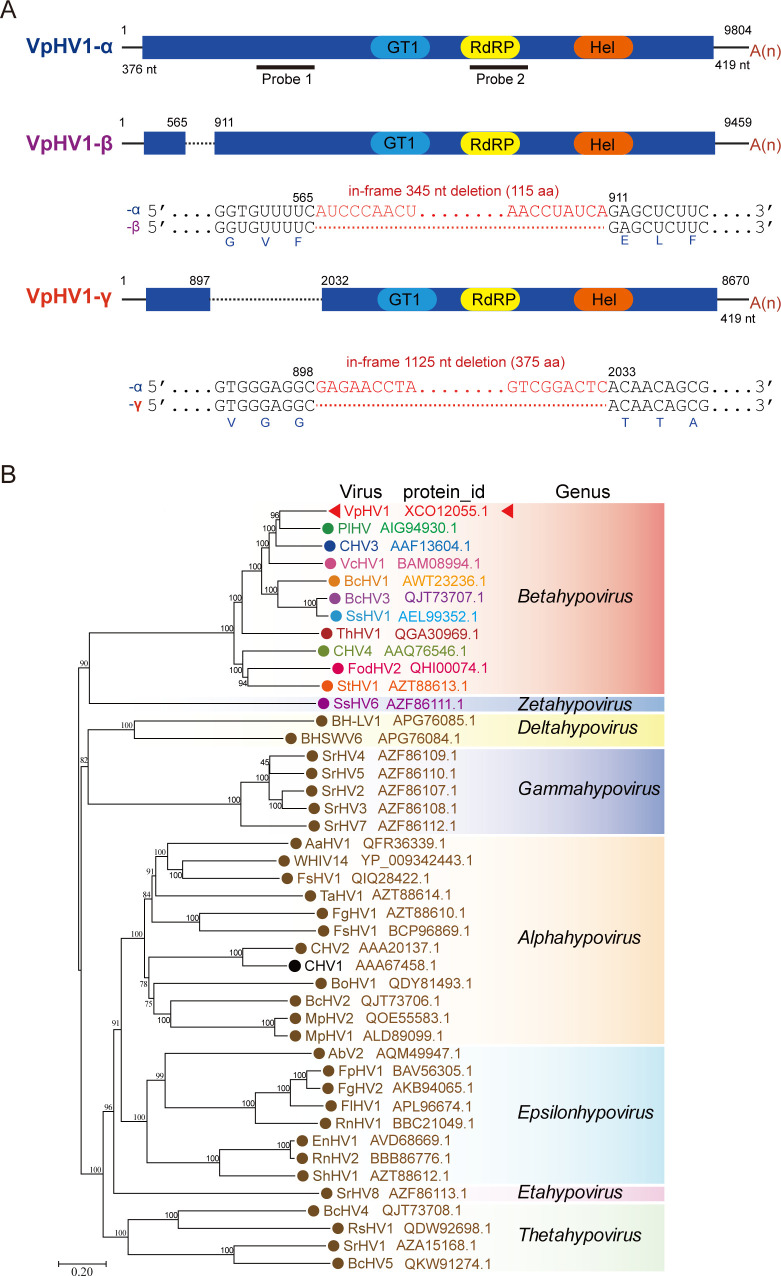 Figure 1
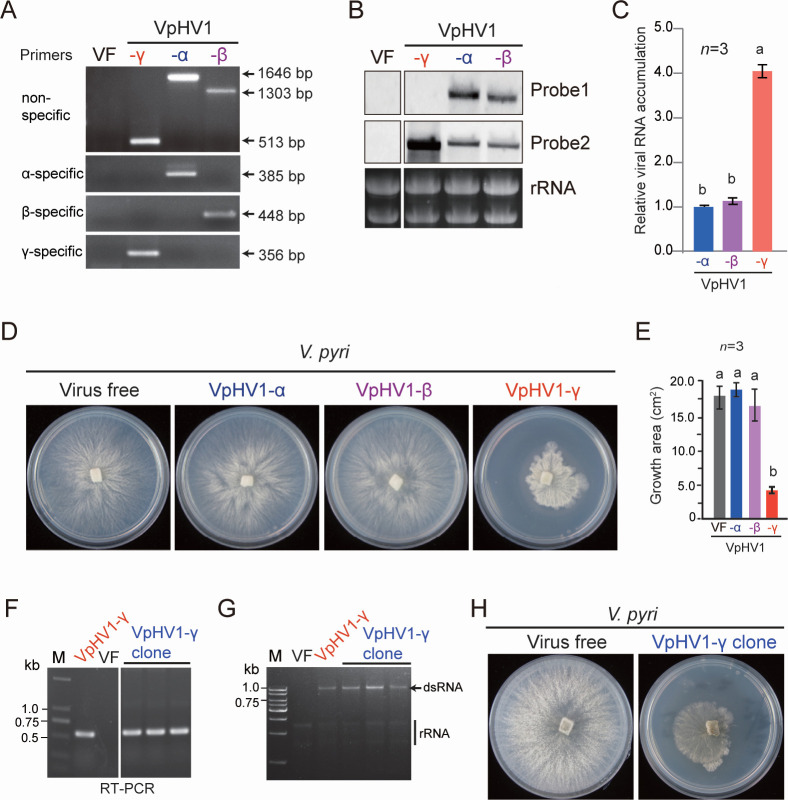 Figure 2
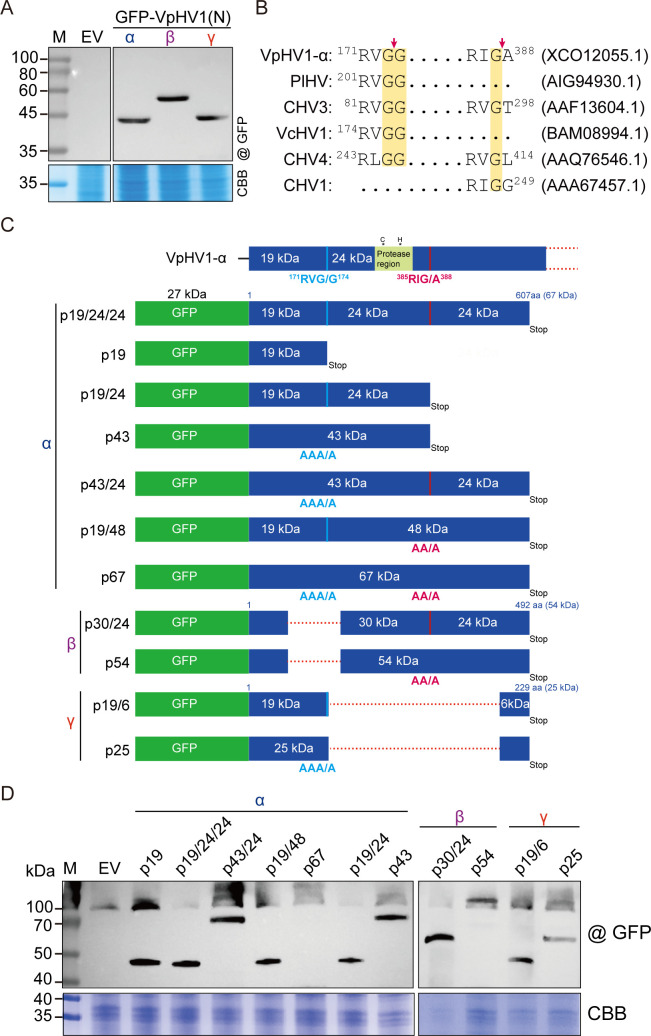 Figure 3
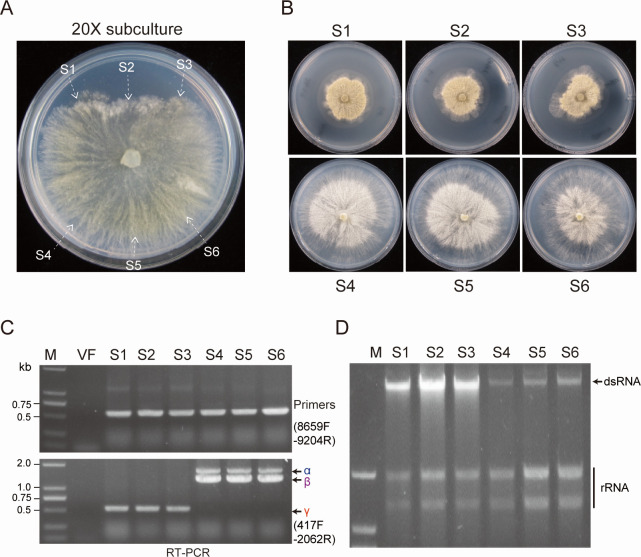 Figure 4
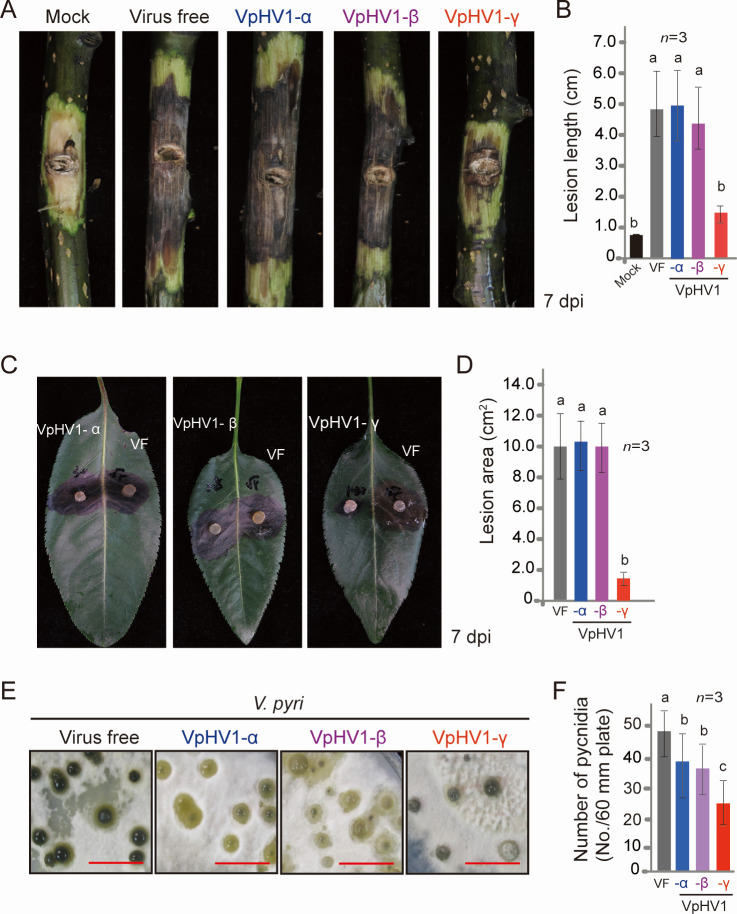 Figure 5
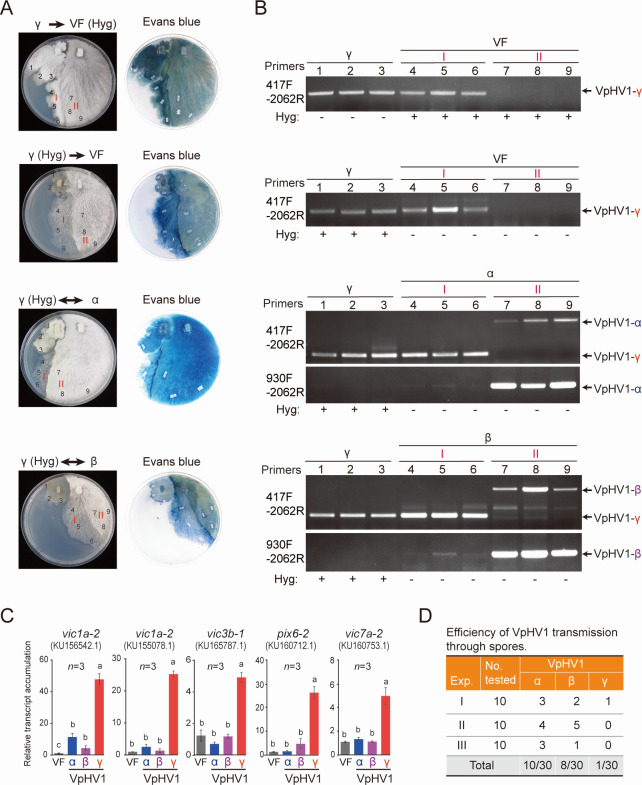 Figure 6
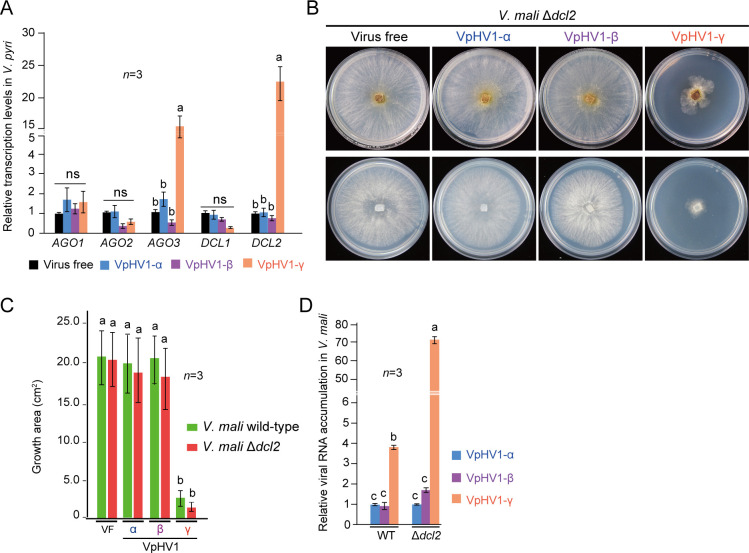 Figure 7
Peer Reviews
No public reviews on file for this paper yet. If you reviewed it on a platform where reviews are public (OpenReview, ICLR, NeurIPS, ICML), you can paste yours below so the community can read it here.
Videos
No videos yet. Explain this paper in a talk, walkthrough, or lecture? Add one.
Taxonomy
TopicsPlant and Fungal Interactions Research · Plant Virus Research Studies · Fungal and yeast genetics research