Molecular insights into polyurethane biodegradation in Pseudomonas protegens
Lucie Semenec, Ram Maharjan, Vaheesan Rajabal, Aidan P. Tay, Xin Xu, Hannah Lott, Fiona S.B. Facey, Hue Dinh, Sasha G. Tetu, Thomas C. Williams, Ian T. Paulsen, Amy K. Cain

TL;DR
This study identifies a bacterial gene that enhances the breakdown of polyurethane plastics, offering a potential solution for plastic waste.
Contribution
The study reveals a novel regulatory mechanism involving the GacS gene that boosts polyurethane degradation in Pseudomonas protegens.
Findings
Disruption of the gacS gene increases PU degradation by enhancing siderophore-mediated iron acquisition.
The gacS mutant triggers a Fenton reaction, producing reactive oxygen species that enhance PU breakdown.
Siderophores like pyoverdine may act as catalysts for plastic degradation.
Abstract
Global accumulation of difficult-to-recycle plastics, including polyurethane (PU), poses a significant environmental threat, as current recycling strategies are insufficient to meet the growing demand. Pseudomonas protegens is capable of degrading PU and may offer a promising nature-inspired solution. However, the genetic and regulatory mechanisms underlying microbial PU biodegradation remain poorly understood. To address this, we employed transposon insertion sequencing (TIS), a high-throughput functional genomics approach, to identify genes essential for PU degradation under plastic exposure conditions. A transposon mutant library of P. protegens Pf-5 was enriched on two types of PU: a polyester-polyurethane dispersion (Impranil DLN) and a thermoplastic polyurethane (Avalon AE). Through this approach, we identified a key global regulator encoding a sensor kinase, gacS, that plays an…
Genes, proteins, chemicals, diseases, species, mutations and cell lines named across the full text — each resolved to its canonical identifier and authoritative record.
Click any figure to enlarge with its caption.
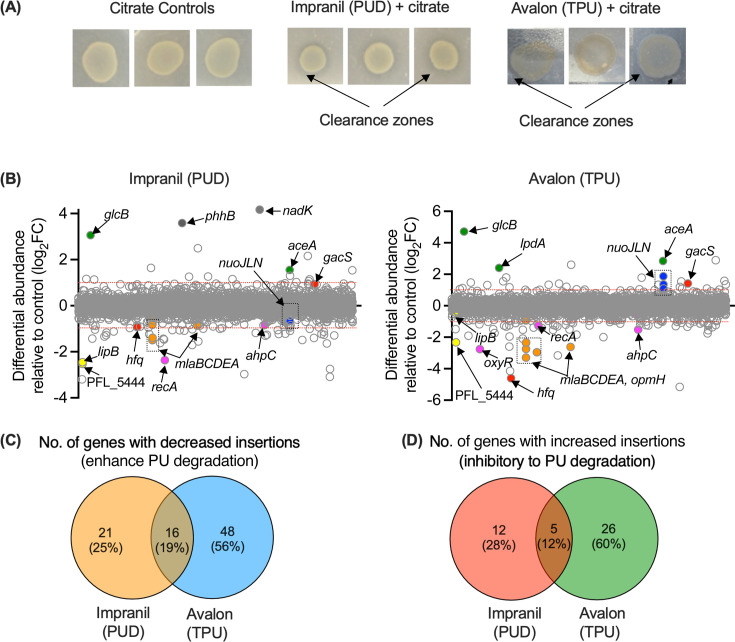 Figure 1
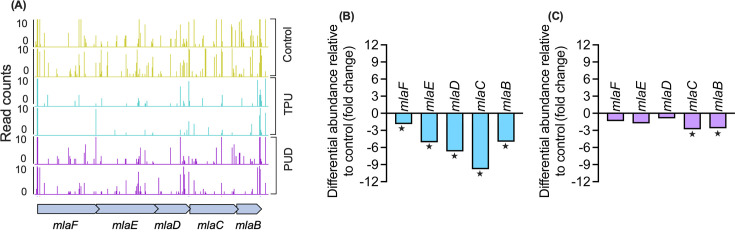 Figure 2
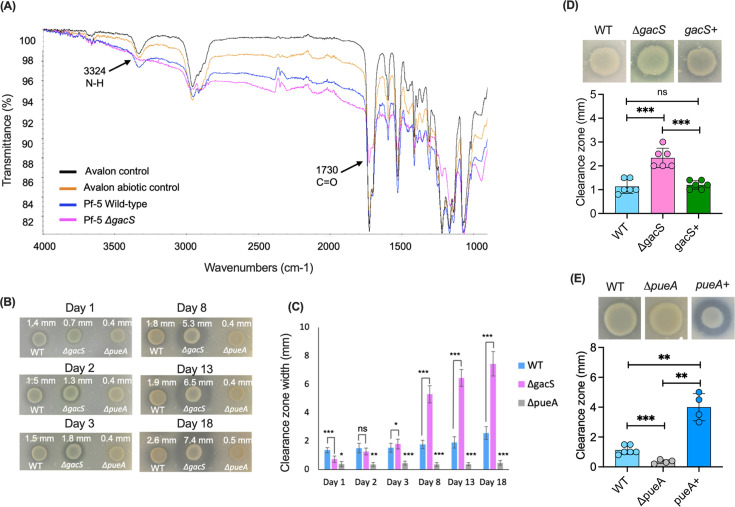 Figure 3
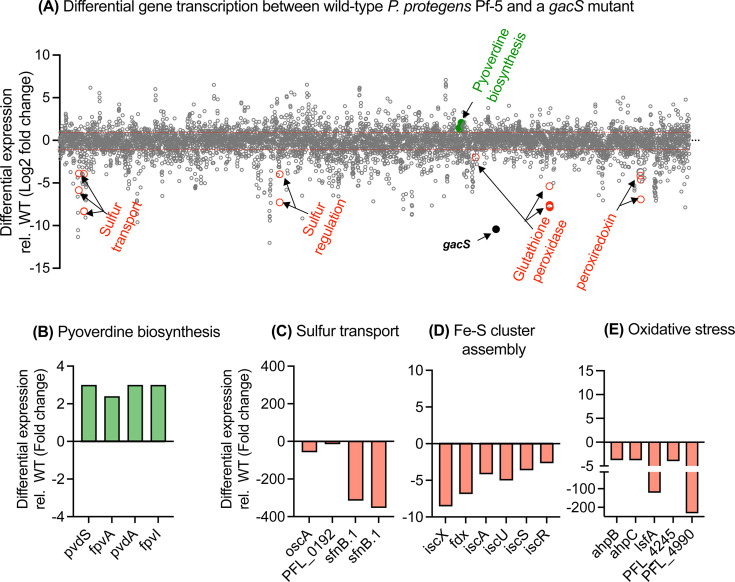 Figure 4
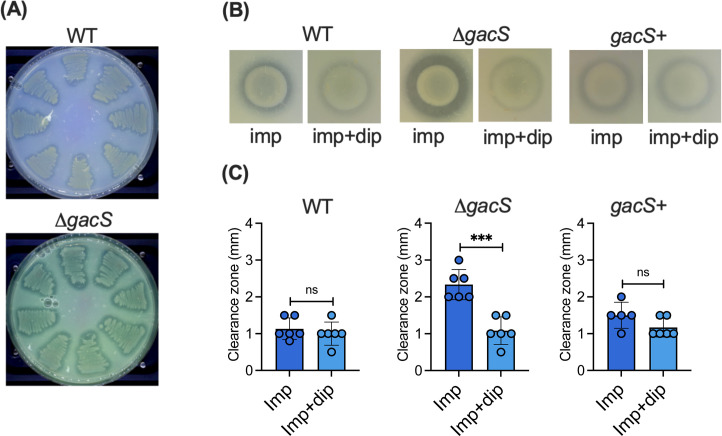 Figure 5
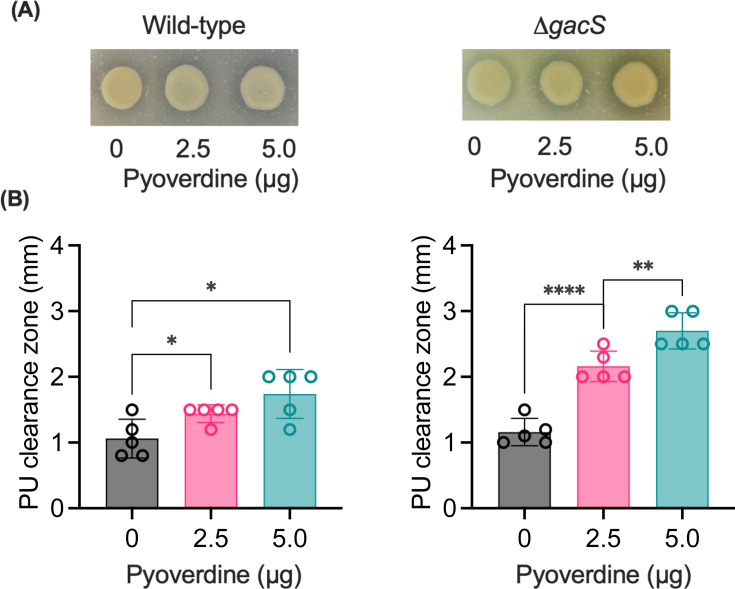 Figure 6
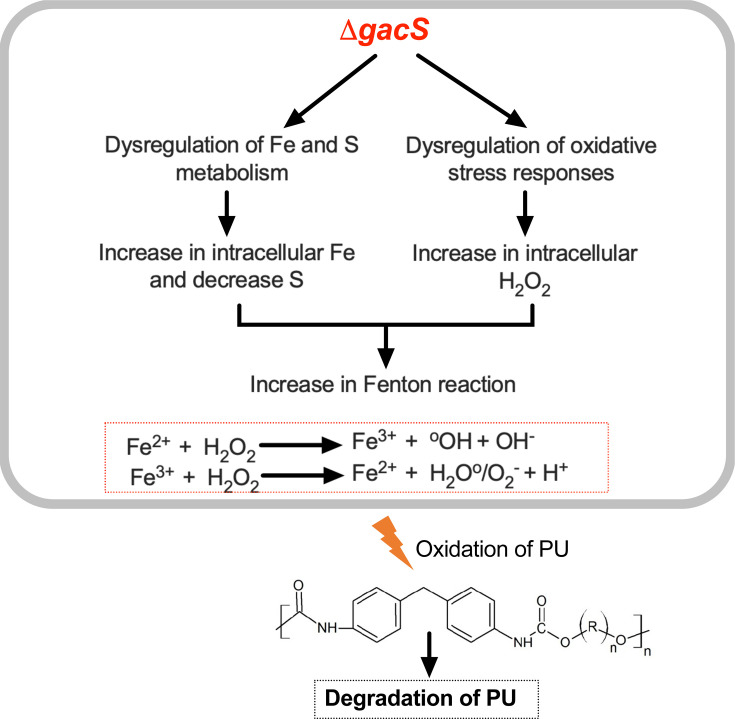 Figure 7
Peer Reviews
No public reviews on file for this paper yet. If you reviewed it on a platform where reviews are public (OpenReview, ICLR, NeurIPS, ICML), you can paste yours below so the community can read it here.
Videos
No videos yet. Explain this paper in a talk, walkthrough, or lecture? Add one.
Taxonomy
TopicsMicroplastics and Plastic Pollution · biodegradable polymer synthesis and properties · Polymer composites and self-healing