Loss of virulence of Botrytis cinerea mutants defective in phytotoxin production is restored by modifying inoculation medium
Si Qin, Xiaoqian Shi-Kunne, Jie Chen, Frank P. J. Pieterse, Henriek G. Beenen, Yaohua You, Jan A. L. van Kan

TL;DR
This study shows that phytotoxins botrydial and botcinic acid are crucial for the virulence of the fungus Botrytis cinerea, and their absence can be partially compensated by changing the inoculation medium.
Contribution
The study demonstrates the significant role of botrydial and botcinic acid in B. cinerea virulence and the impact of inoculation conditions on host-pathogen interactions.
Findings
A double mutant lacking botrydial and botcinic acid showed reduced virulence on tomato leaves in minimal medium.
Adding yeast extract to the medium restored the mutant's virulence.
Overexpression of four effector genes did not recover full virulence in the absence of yeast extract.
Abstract
Botrydial, botcinic acid, and their derivatives are major phytotoxic metabolites produced by the necrotrophic fungal pathogen Botrytis cinerea. These phytotoxins are able to induce programmed cell death in the host and thereby promote plant susceptibility to B. cinerea. We observed that a ∆bot2∆boa6 double-mutant strain, which synthesizes neither botrydial nor botcinic acid, was almost avirulent on tomato leaves when the disease assay was performed using synthetic minimal Gamborg B5 medium. However, the virulence of this mutant was restored when the inoculation medium was supplemented with yeast extract. Further virulence assays, which compared the double mutant with other multiple mutants using both inoculation media, revealed a prominent contribution of botrydial and botcinic acid to the full virulence of B. cinerea. Therefore, we performed an RNA-sequencing experiment to identify B.…
Genes, proteins, chemicals, diseases, species, mutations and cell lines named across the full text — each resolved to its canonical identifier and authoritative record.
Click any figure to enlarge with its caption.
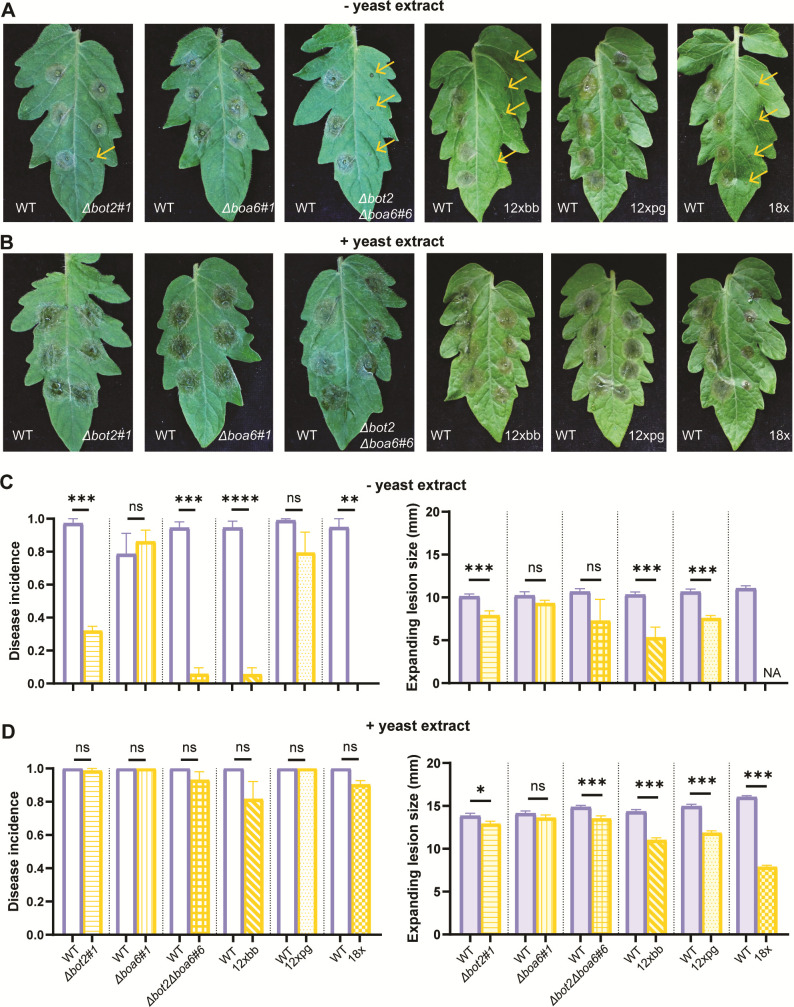 Figure 1
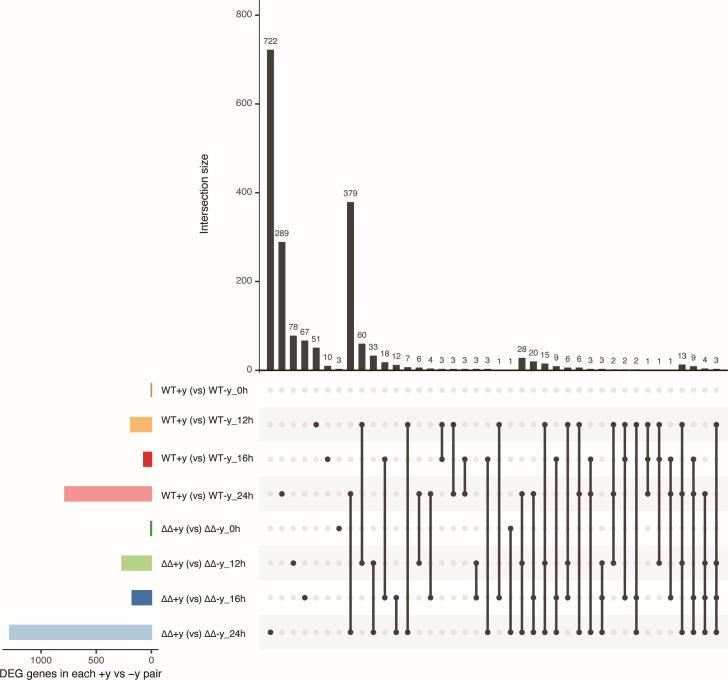 Figure 2
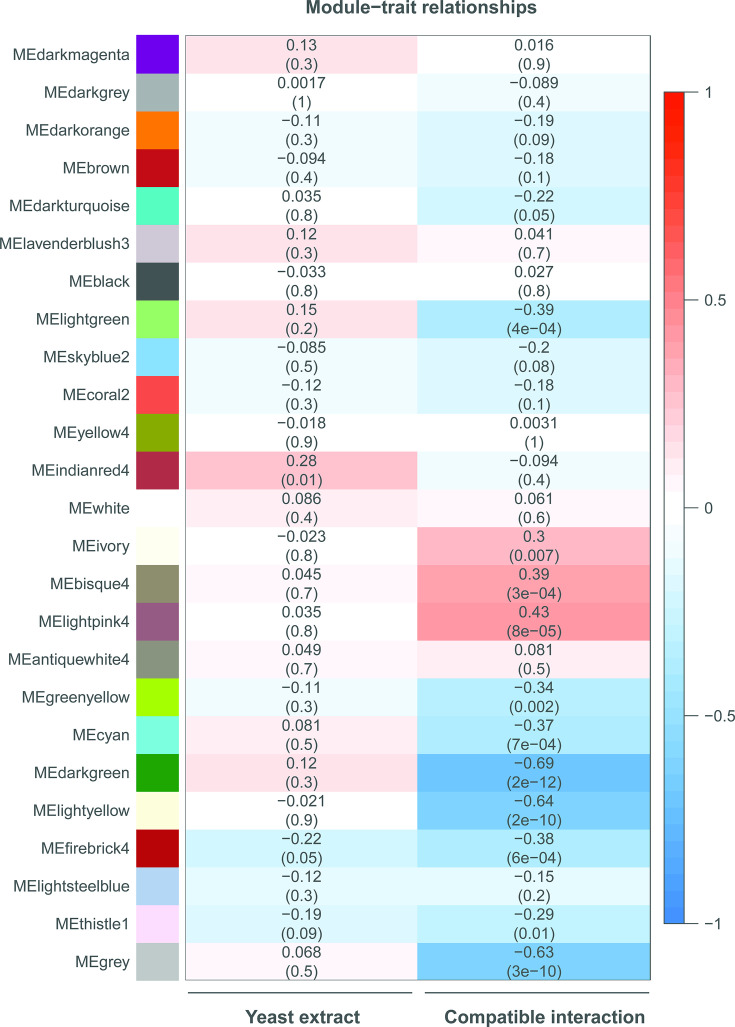 Figure 3
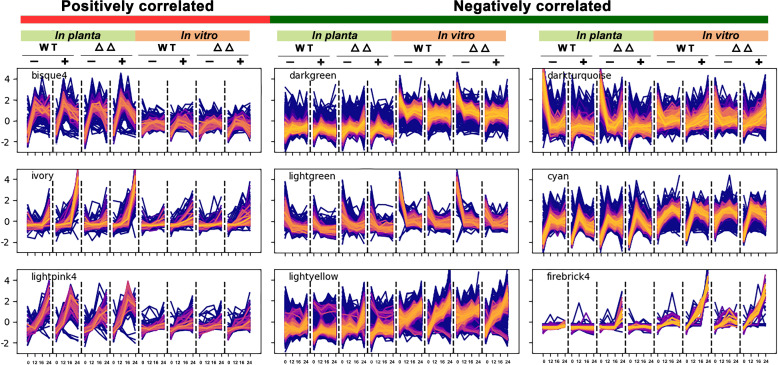 Figure 4
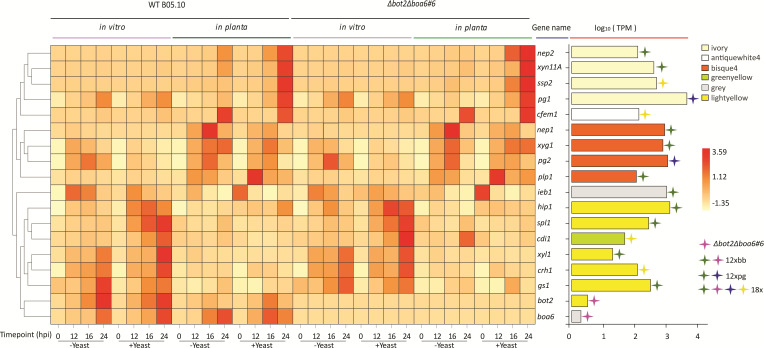 Figure 5
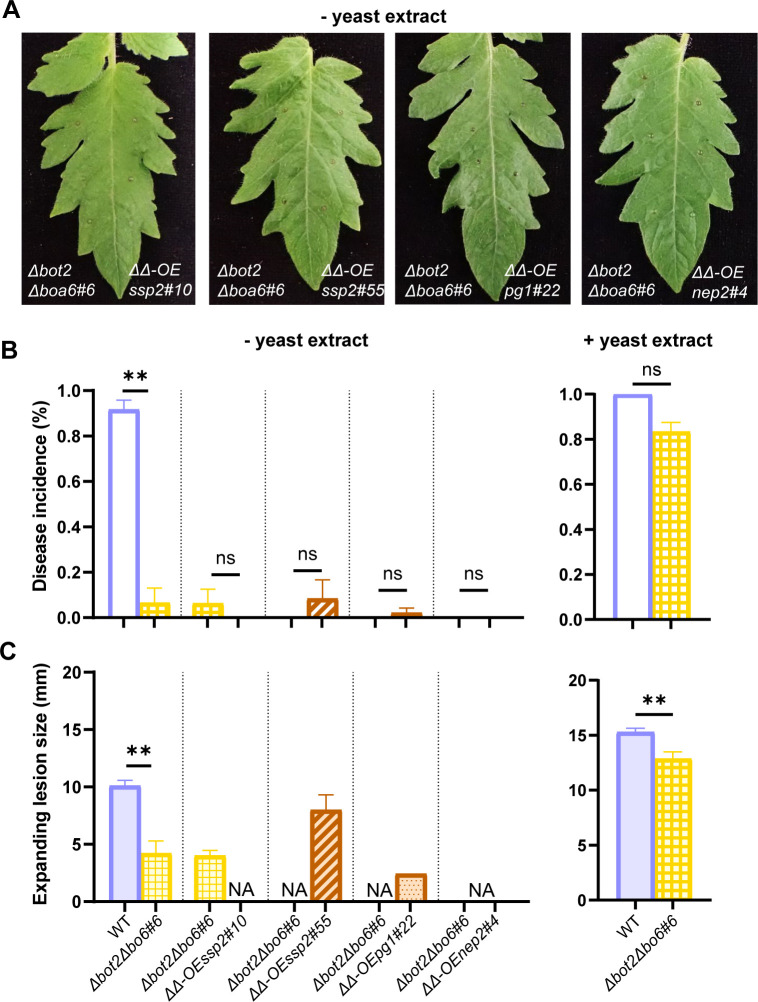 Figure 6
Peer Reviews
No public reviews on file for this paper yet. If you reviewed it on a platform where reviews are public (OpenReview, ICLR, NeurIPS, ICML), you can paste yours below so the community can read it here.
Videos
No videos yet. Explain this paper in a talk, walkthrough, or lecture? Add one.
Taxonomy
TopicsFungal and yeast genetics research · Fungal Plant Pathogen Control · Plant-Microbe Interactions and Immunity