CoREST complex inhibition alters RNA splicing to promote neoantigen expression and enhance tumor immunity
Robert J. Fisher, Kihyun Park, Kwangwoon Lee, Katarina Pinjusic, Allison Vanasse, Christina S. Ennis, Parisa Farokh, Scott B. Ficaro, Jarrod A. Marto, Hanjie Jiang, Eunju Nam, Stephanie Stransky, Joseph Duke-Cohan, Melis A. Akinci, Anupa Geethadevi, Eric Raabe, Ana Fiszbein

TL;DR
Inhibiting the CoREST complex changes RNA splicing in tumors, creating new antigens that boost immune responses and improve cancer immunotherapy.
Contribution
The study reveals that CoREST complex inhibition alters RNA splicing to generate immunogenic neoantigens and enhance tumor immunity.
Findings
CoREST complex interacts directly with RNA splicing machinery and its inhibition changes splicing patterns in melanoma and other cancers.
Corin-induced splicing changes promote tumor-suppressive effects and generate immunogenic neoantigens.
CoREST inhibition enhances the effectiveness of anti–PD-1 immunotherapy by sensitizing tumors.
Abstract
Epigenetic macromolecular enzyme complexes tightly regulate gene expression at the chromatin level and have recently been found to colocalize with RNA splicing machinery during active transcription; however, the precise functional consequences of these interactions are uncertain. Here, we identify unique interactions of the CoREST repressor complex (LSD1-HDAC1-CoREST) with components of the RNA splicing machinery and their functional consequences in tumorigenesis. Using mass spectrometry, in vivo binding assays, and cryo-EM, we find that CoREST complex–splicing factor interactions are direct and perturbed by the CoREST complex selective inhibitor, corin, leading to extensive changes in RNA splicing in melanoma and other malignancies. Moreover, these corin-induced splicing changes are shown to promote global effects on oncogenic and survival-associated splice variants, leading to a…
Genes, proteins, chemicals, diseases, species, mutations and cell lines named across the full text — each resolved to its canonical identifier and authoritative record.
Click any figure to enlarge with its caption.
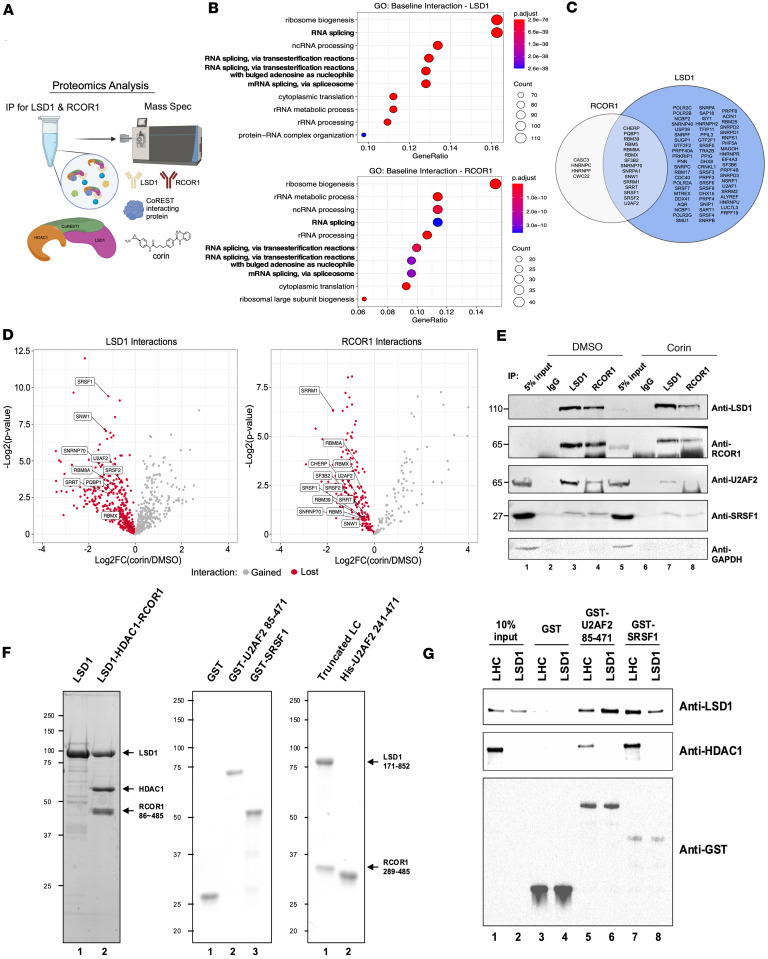 Figure 1
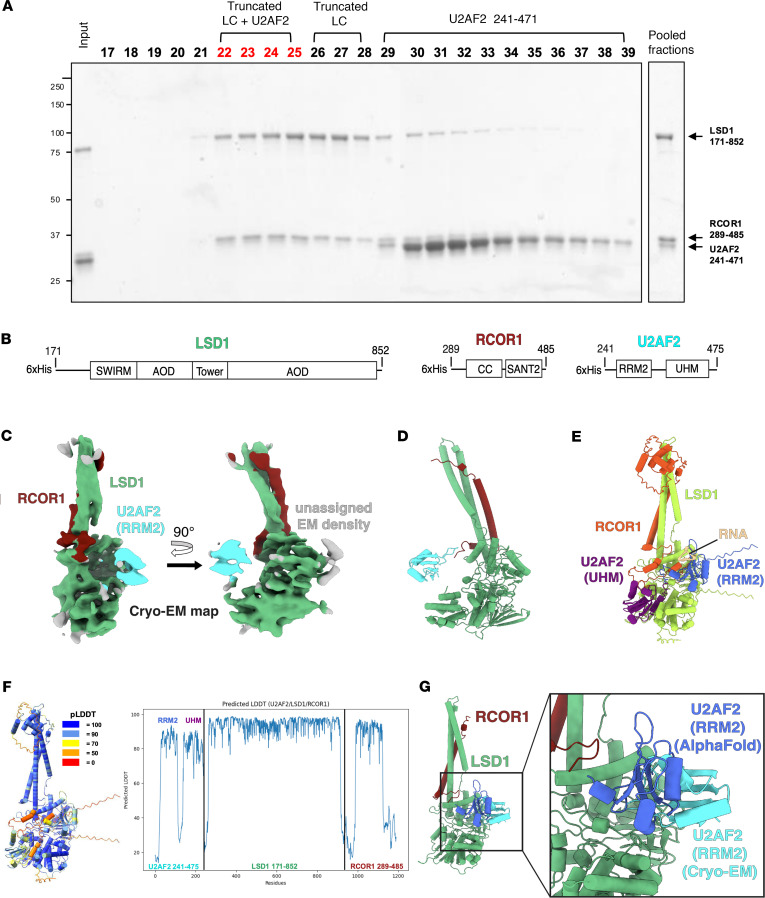 Figure 2
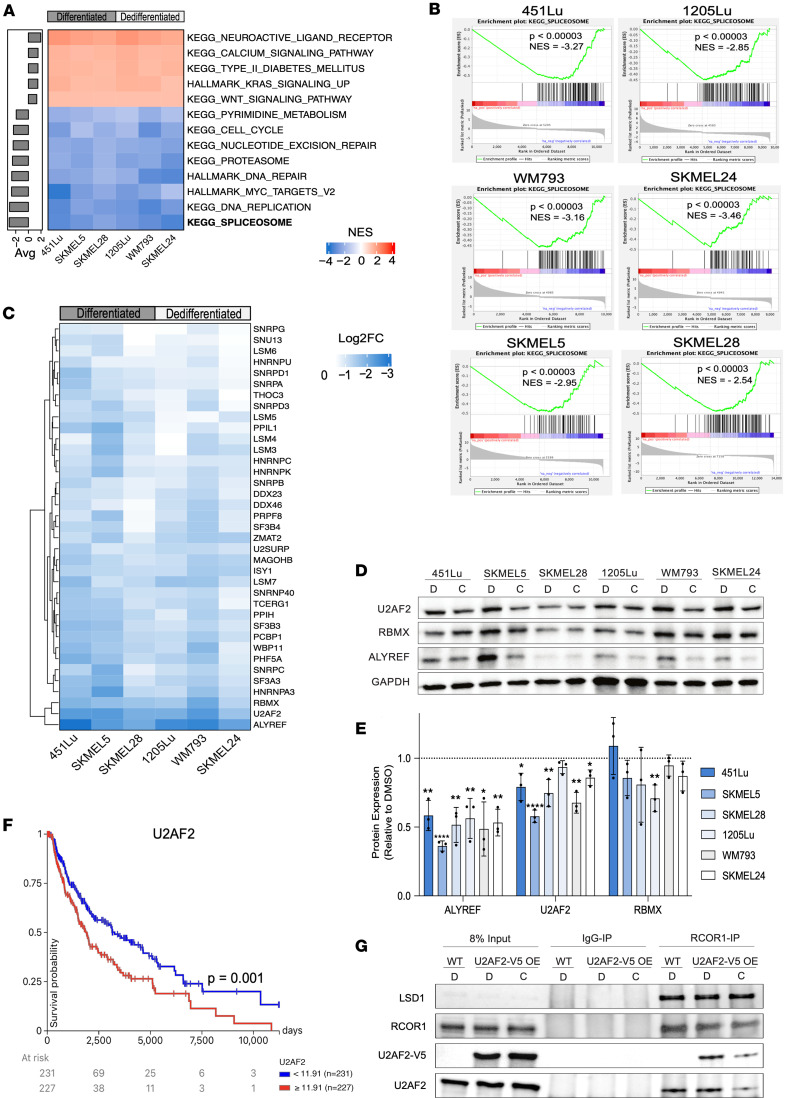 Figure 3
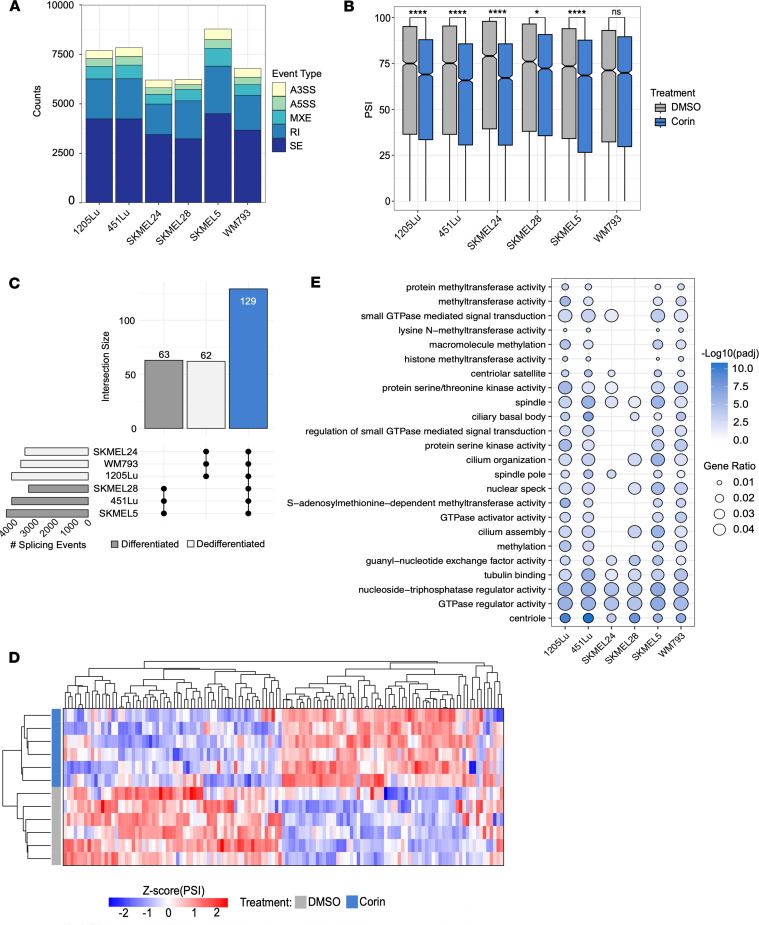 Figure 4
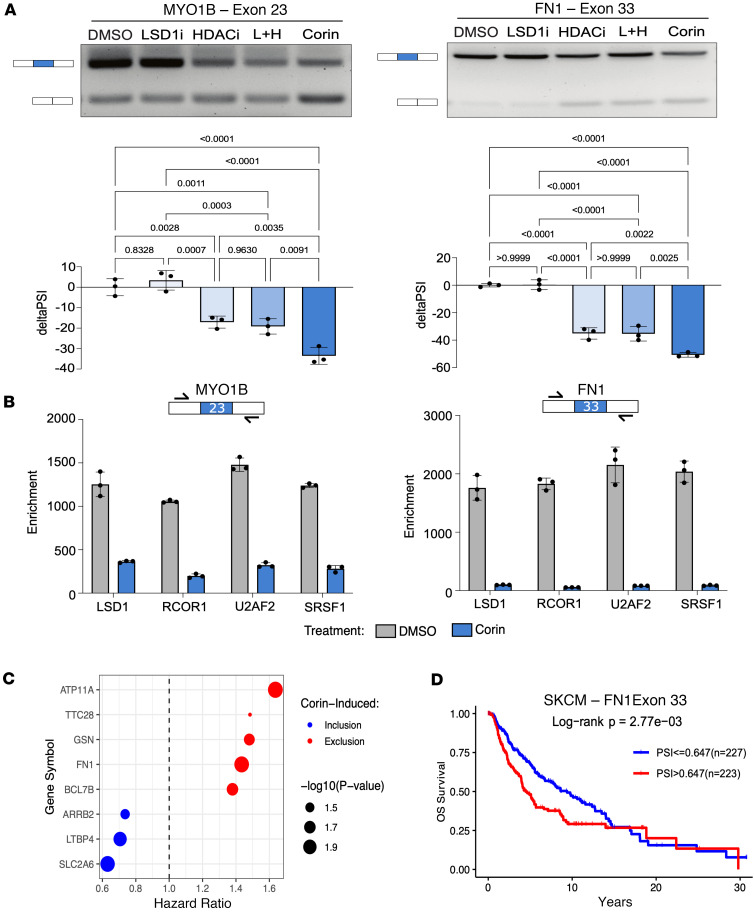 Figure 5
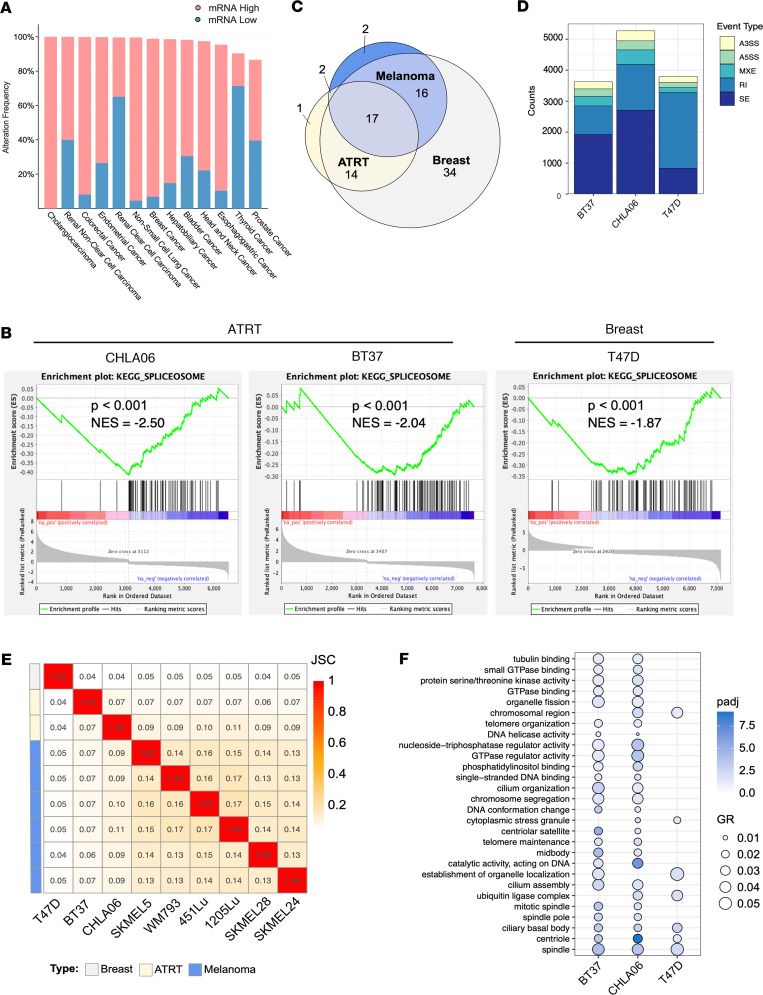 Figure 6
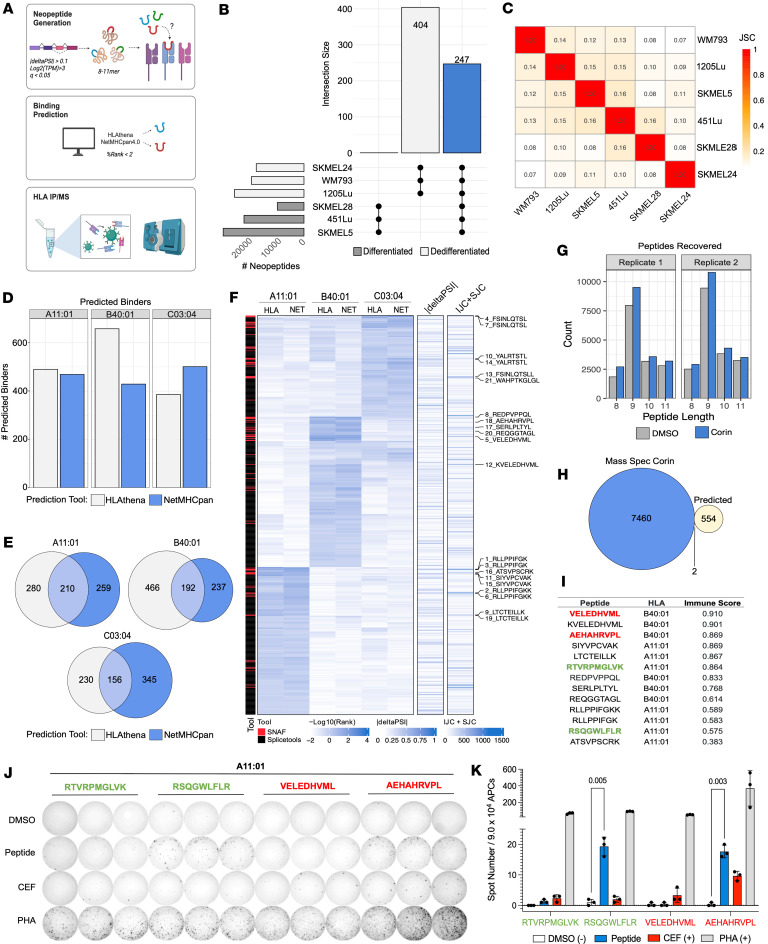 Figure 7
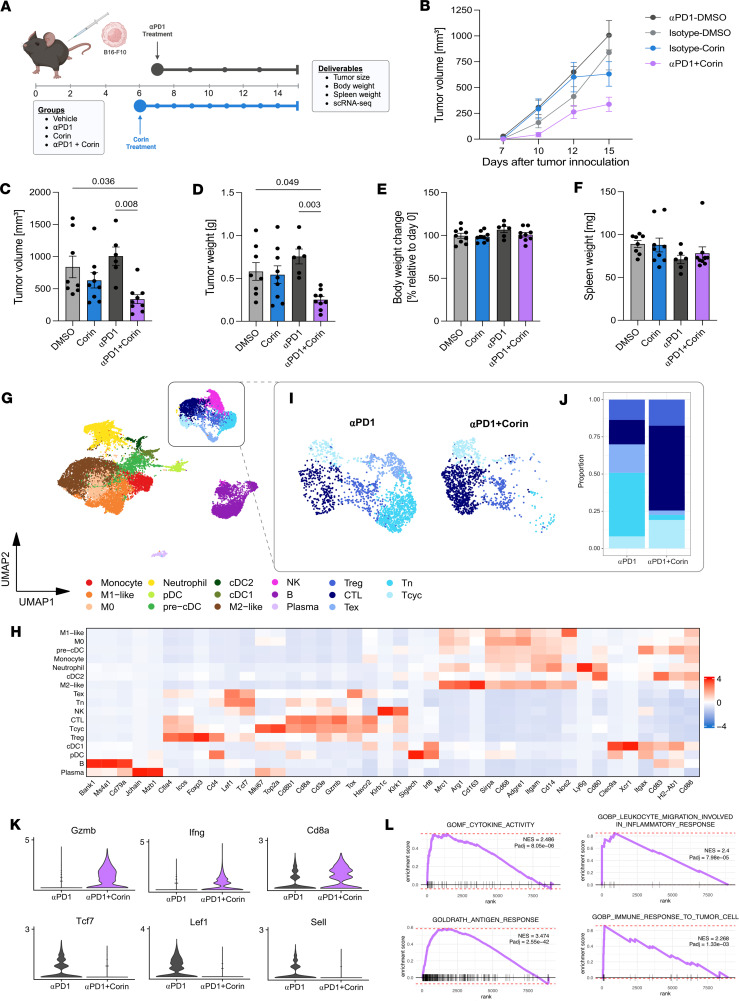 Figure 8
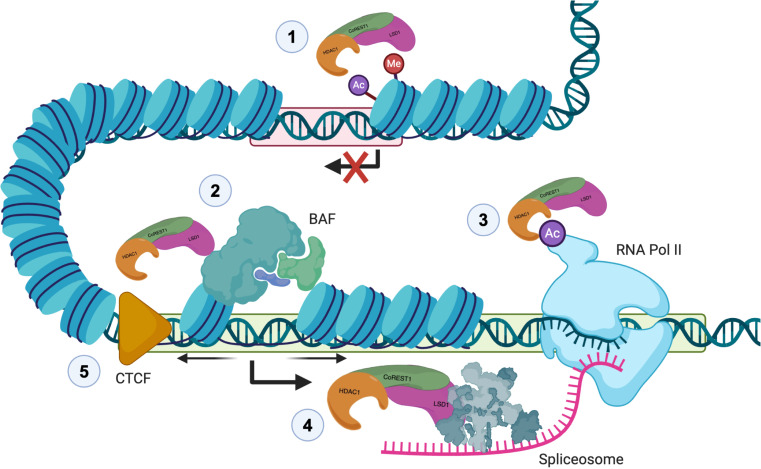 Figure 9
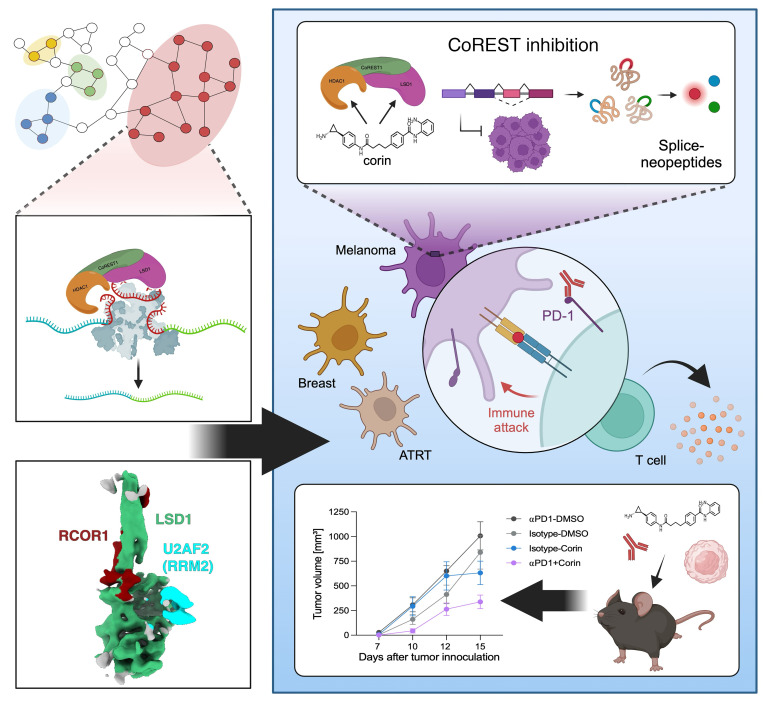 Figure 10
Peer Reviews
No public reviews on file for this paper yet. If you reviewed it on a platform where reviews are public (OpenReview, ICLR, NeurIPS, ICML), you can paste yours below so the community can read it here.
Videos
No videos yet. Explain this paper in a talk, walkthrough, or lecture? Add one.
Taxonomy
TopicsCancer Immunotherapy and Biomarkers · Protein Degradation and Inhibitors · RNA Research and Splicing