Enhanced lipid metabolism serves as a metabolic vulnerability to polyunsaturated fatty acids in glioblastoma
Shiva Kant, Yi Zhao, Pravin Kesarwani, Kumari Alka, Jacob F. Oyeniyi, Ghulam Mohammad, Nadia Ashrafi, Stewart F. Graham, C. Ryan Miller, Prakash Chinnaiyan

TL;DR
Glioblastoma's enhanced lipid metabolism makes it vulnerable to polyunsaturated fatty acids, offering a new dietary approach to improve tumor control and radiation therapy.
Contribution
The study identifies a metabolic vulnerability in glioblastoma and proposes a PUFA-rich diet as a translatable therapeutic strategy.
Findings
Exogenous PUFAs disrupt lipid homeostasis in glioblastoma cells, causing cytotoxicity.
A PUFA-rich diet synergizes with radiation therapy to enhance antitumor activity in mouse models.
The PUFA-based approach does not require carbohydrate restriction, improving long-term adherence.
Abstract
Enhanced lipid metabolism, which involves the active import, storage, and utilization of fatty acids from the tumor microenvironment, plays a contributory role in malignant glioma transformation, thereby serving as an important gain of function. In this work, through studies initially designed to understand and reconcile possible mechanisms underlying the antitumor activity of a high-fat ketogenic diet, we discovered that this phenotype of enhanced lipid metabolism observed in glioblastoma may also serve as a metabolic vulnerability to diet modification. Specifically, exogenous polyunsaturated fatty acids (PUFAs) demonstrate the unique ability of short-circuiting lipid homeostasis in glioblastoma cells. This leads to lipolysis-mediated lipid droplet breakdown, an accumulation of intracellular free fatty acids, and lipid peroxidation–mediated cytotoxicity, which was potentiated when…
Genes, proteins, chemicals, diseases, species, mutations and cell lines named across the full text — each resolved to its canonical identifier and authoritative record.
Click any figure to enlarge with its caption.
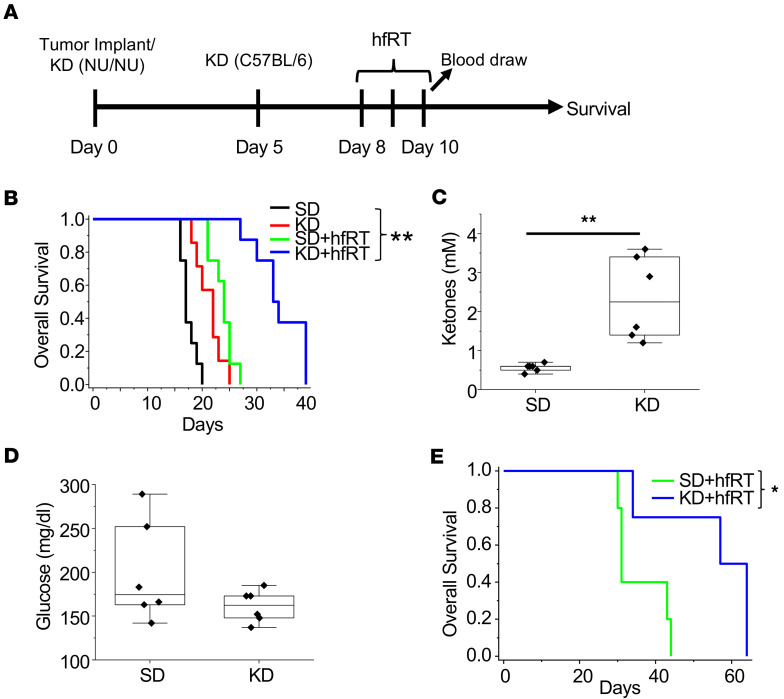 Figure 1
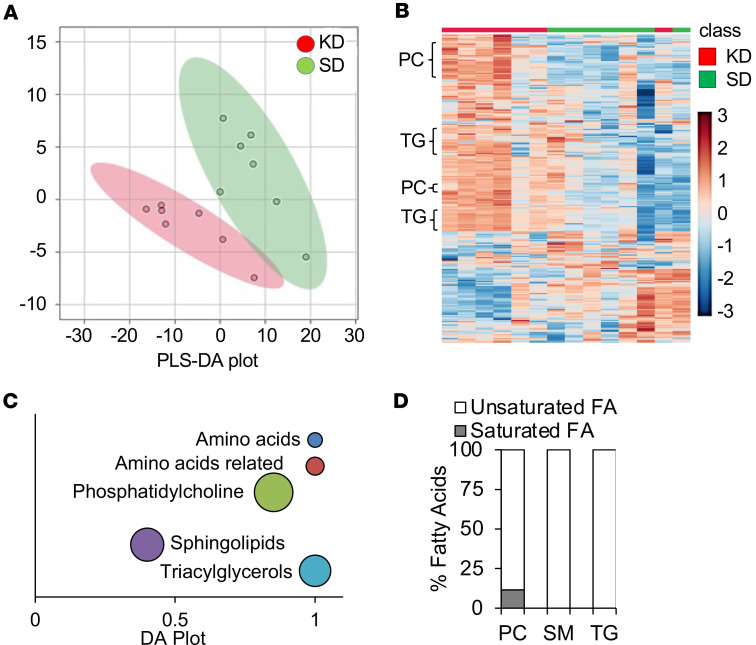 Figure 2
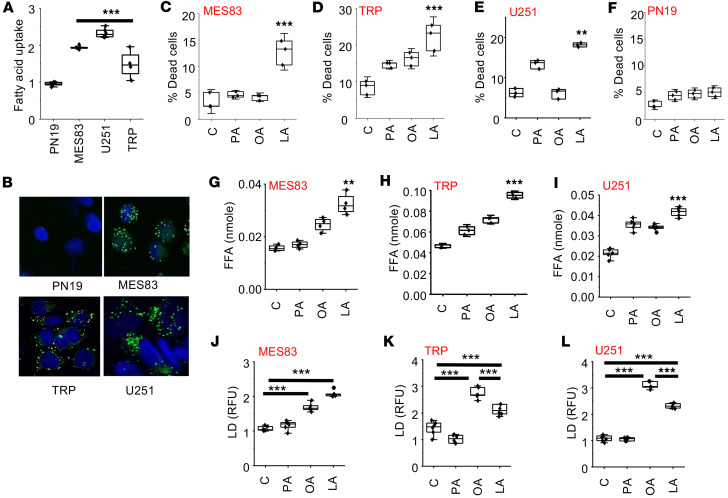 Figure 3
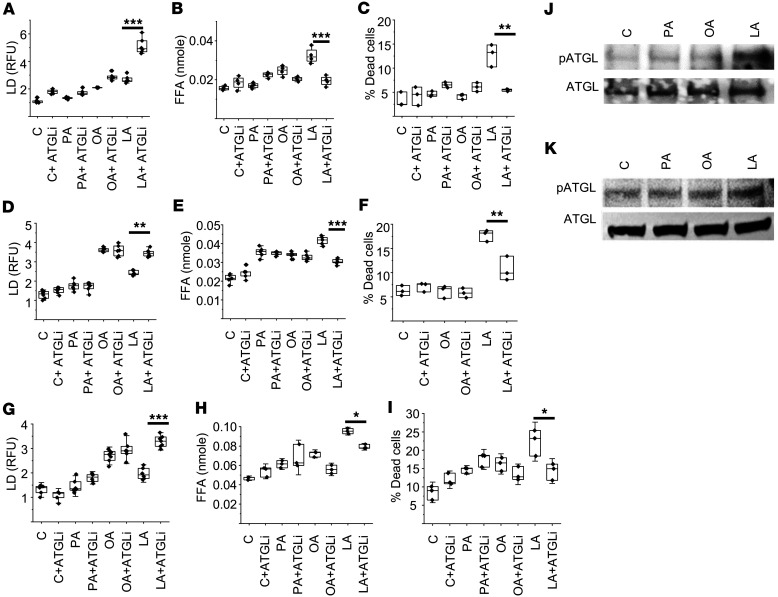 Figure 4
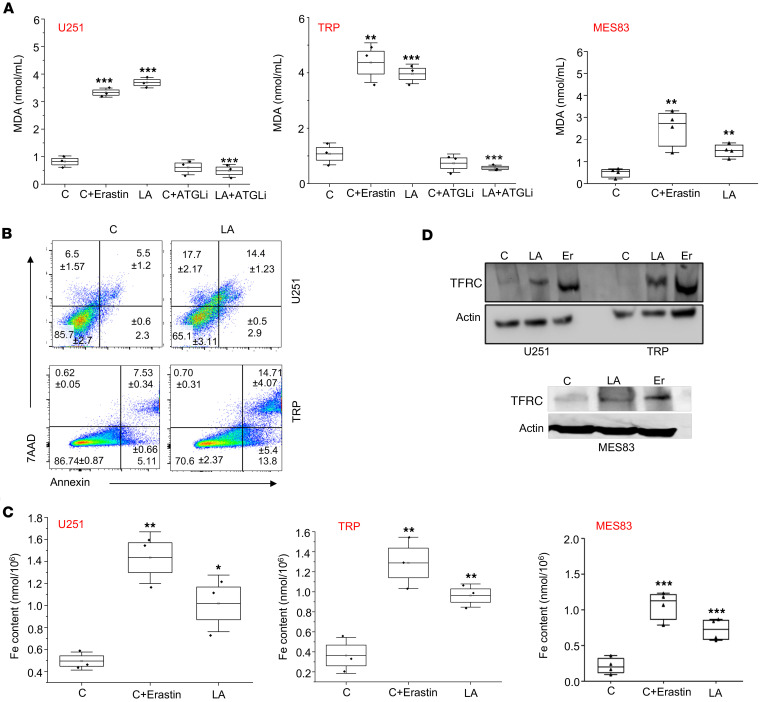 Figure 5
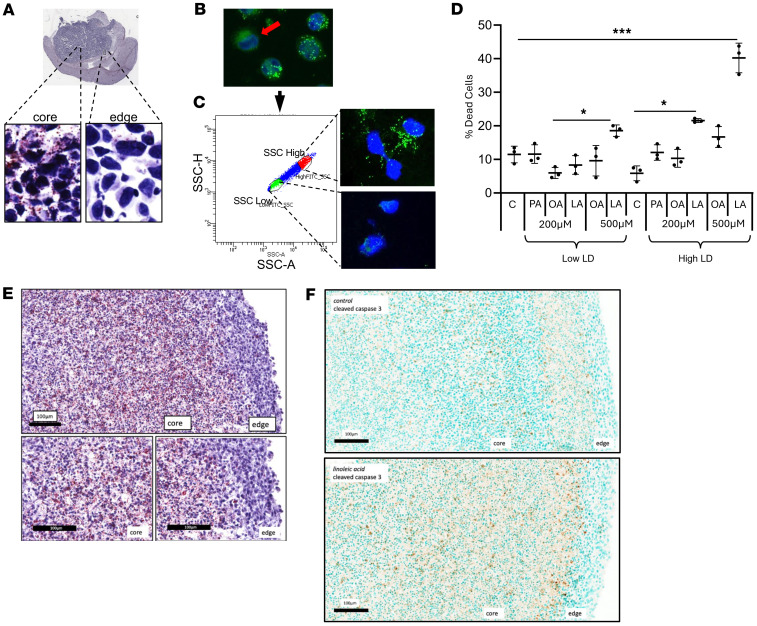 Figure 6
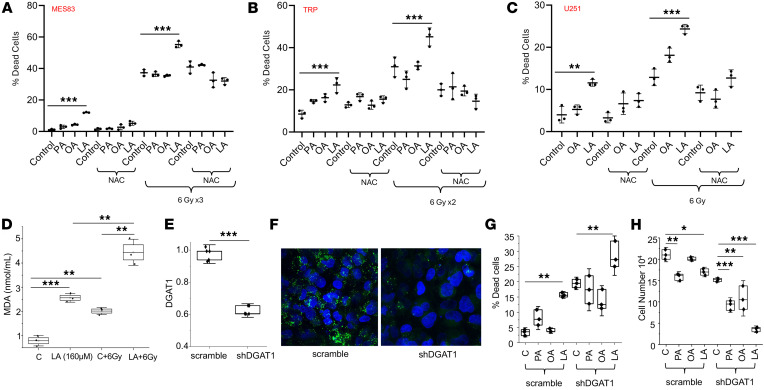 Figure 7
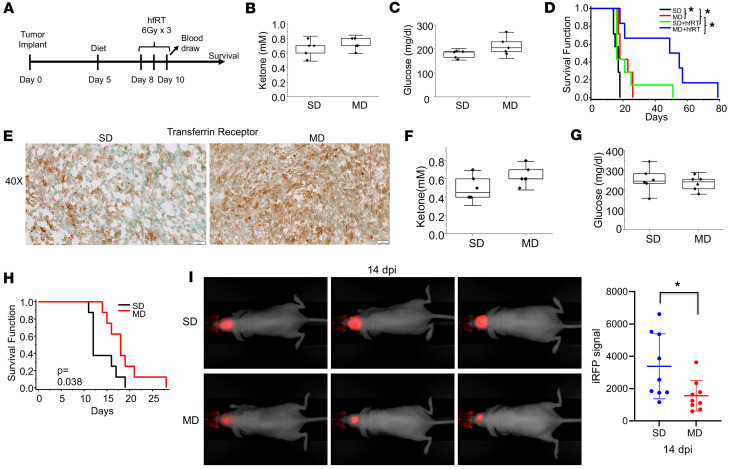 Figure 8
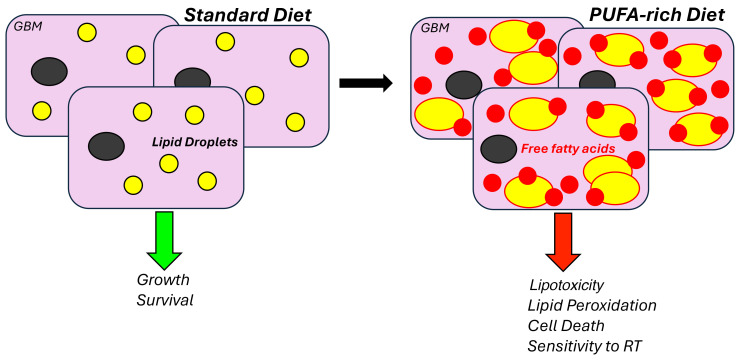 Figure 9
Peer Reviews
No public reviews on file for this paper yet. If you reviewed it on a platform where reviews are public (OpenReview, ICLR, NeurIPS, ICML), you can paste yours below so the community can read it here.
Videos
No videos yet. Explain this paper in a talk, walkthrough, or lecture? Add one.
Taxonomy
TopicsDiet and metabolism studies · Cancer, Lipids, and Metabolism · Fatty Acid Research and Health