Urobiota analysis and genome-wide association study in pediatric recurrent urinary tract infections and vesicoureteral reflux
Miguel Verbitsky, Pavan Khosla, Daniel Bivona, Atlas Khan, Yask Gupta, Heekuk Park, Tian H. Shen, Aryan Ghotra, Katherine Xu, Iman A. Ghavami, Priya Krithivasan, Jeremiah Martino, Tanya Sezin, Tze Y. Lim, Victoria Kolupaeva, Nita A. Limdi, Yuan Luo, Hakon Hakonarson

TL;DR
This study explores how genetic factors and urinary microbiota are linked in children with urinary tract infections and vesicoureteral reflux.
Contribution
The first characterization of host genetic influences on the pediatric urobiota in UTI and VUR.
Findings
Four urobiota community types were identified, associated with VUR, age, and toilet training.
Genome-wide significant associations were found with bacterial abundances near genes like CXCL12, ABCC1, and ROBO1.
Cxcl12 was induced in mice after uropathogenic infection, linking UTI, VUR, and cardiovascular phenotypes.
Abstract
Urinary tract infections (UTIs) are the most common severe bacterial infections in young children, often associated with vesicoureteral reflux (VUR). To explore host genetic-microbiota interactions and their clinical implications, we analyzed the urinary microbiota (urobiota) and conducted genome-wide association studies for bacterial abundance traits in pediatric patients with UTI and VUR from the Randomized Intervention for Children with Vesicoureteral Reflux and Careful Urinary Tract Infection Evaluation cohorts. We identified 4 urobiota community types based on relative abundance, characterized by the genera Enterococcus, Prevotella, Pseudomonas, and Escherichia/Shigella, and their associations with VUR, age, and toilet training. Children with VUR exhibited decreased microbial diversity and increased abundance of genera that included opportunistic pathogens, suggesting a disrupted…
Genes, proteins, chemicals, diseases, species, mutations and cell lines named across the full text — each resolved to its canonical identifier and authoritative record.
Click any figure to enlarge with its caption.
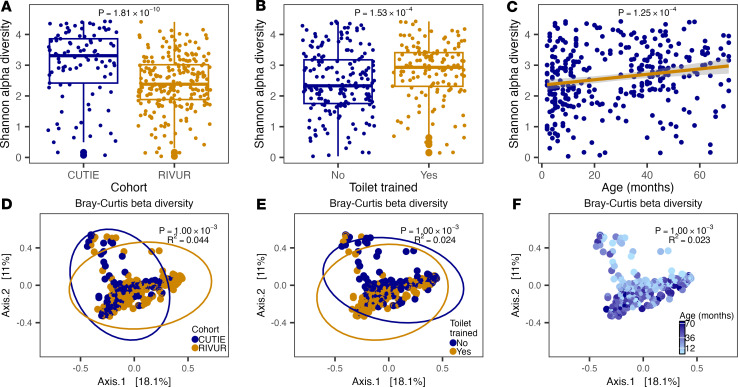 Figure 1
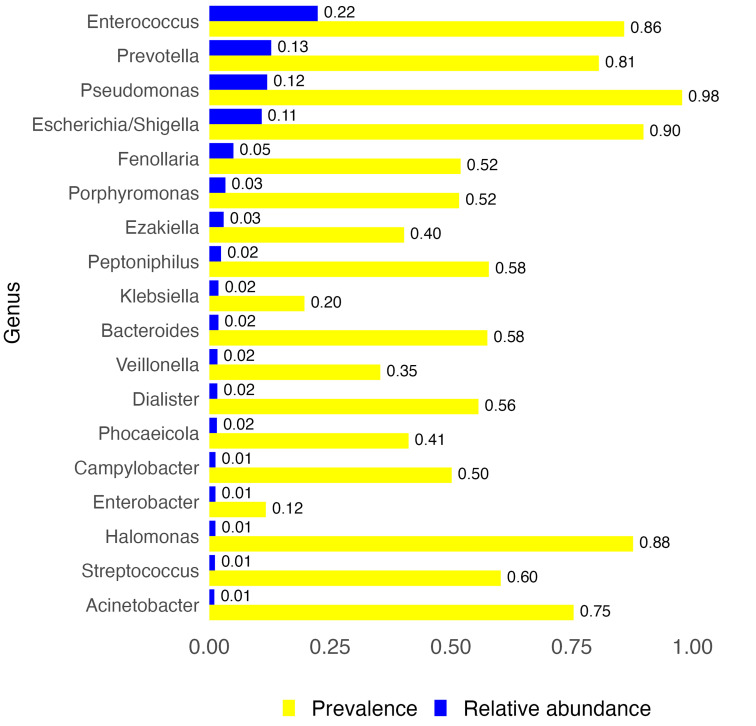 Figure 2
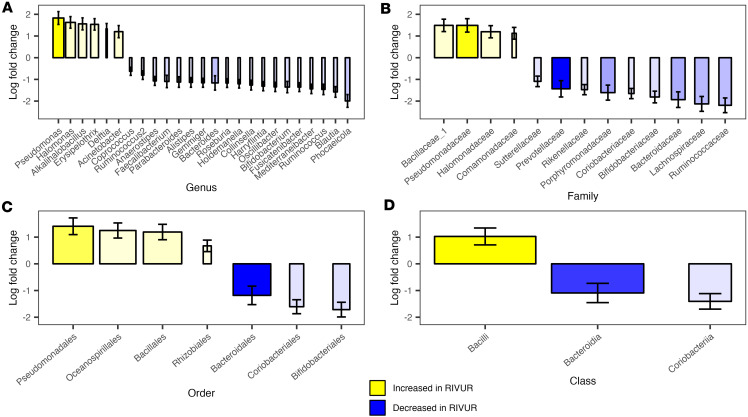 Figure 3
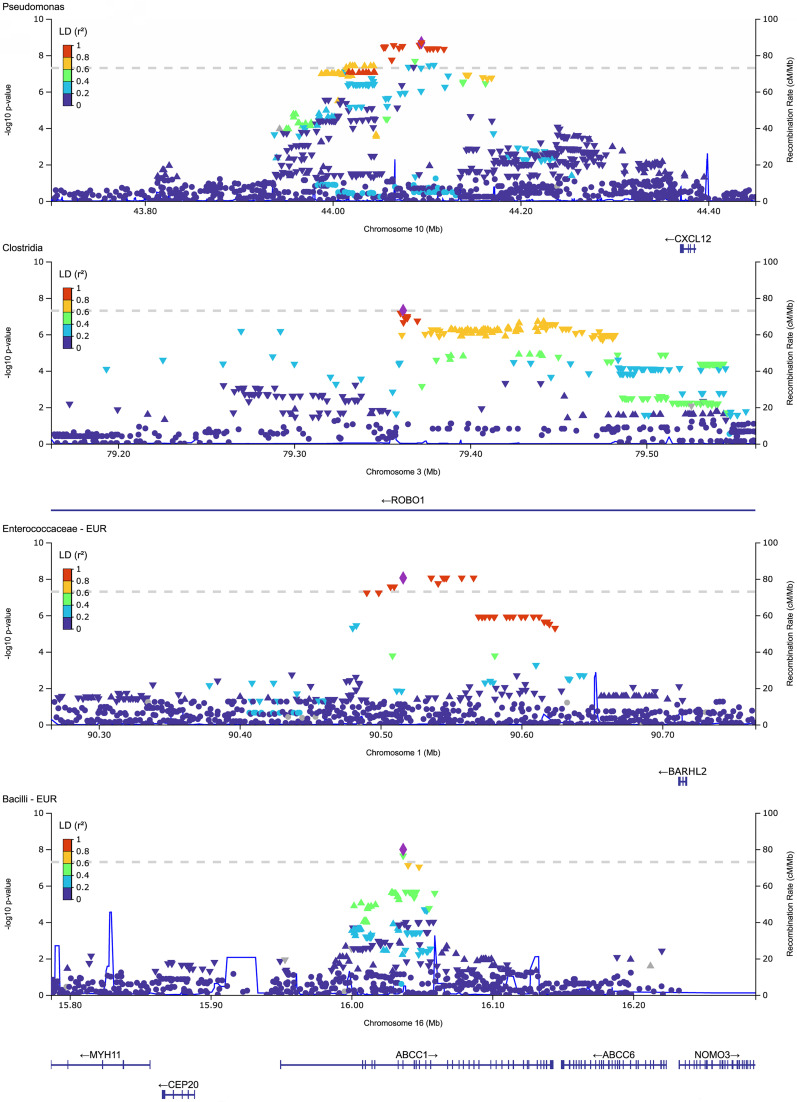 Figure 4
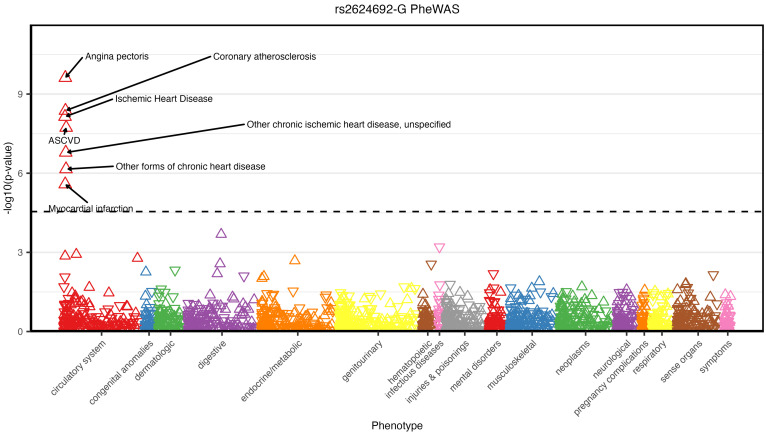 Figure 5
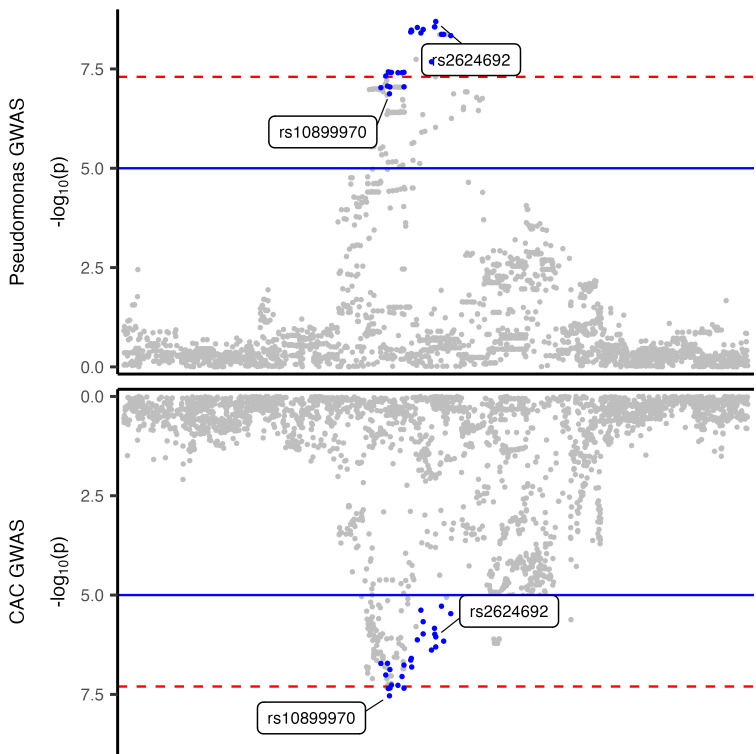 Figure 6
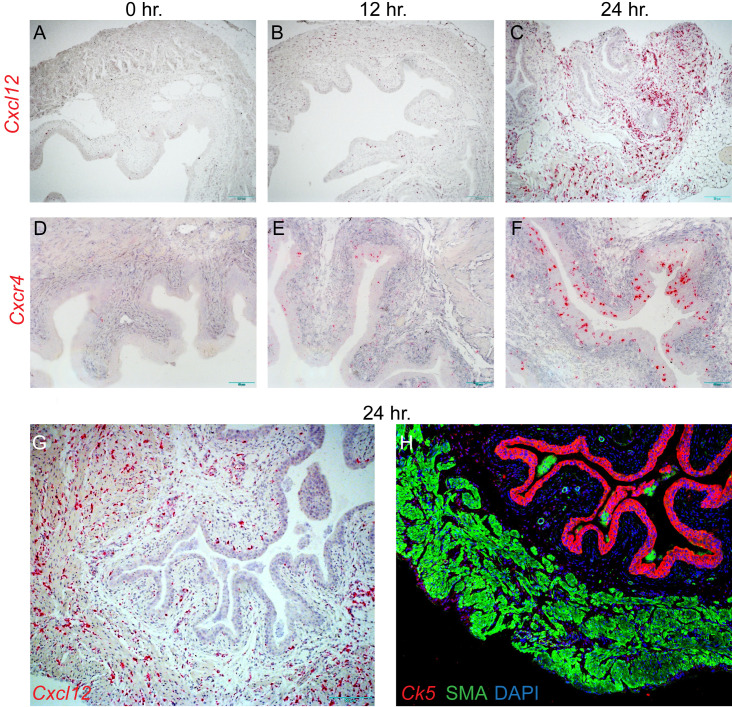 Figure 7
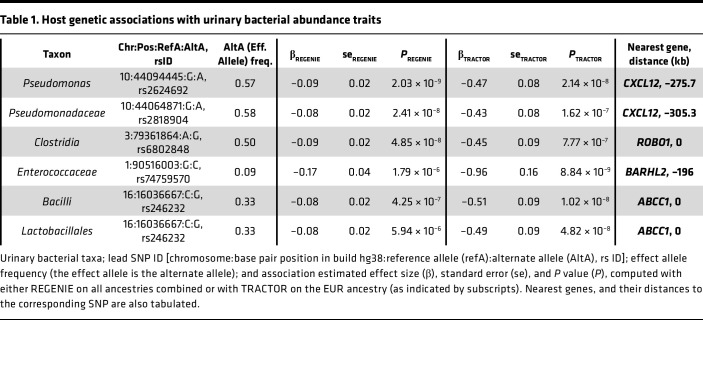 Figure 8
Peer Reviews
No public reviews on file for this paper yet. If you reviewed it on a platform where reviews are public (OpenReview, ICLR, NeurIPS, ICML), you can paste yours below so the community can read it here.
Videos
No videos yet. Explain this paper in a talk, walkthrough, or lecture? Add one.
Taxonomy
TopicsPediatric Urology and Nephrology Studies · Escherichia coli research studies · Urinary Tract Infections Management