NAD+ and Sirt5 restore mitochondrial bioenergetics failure and improve locomotor defects caused by sucla2 mutations
Joy Richard, Giulia Lizzo, Noélie Rochat, Adrien Jouary, Pedro T.M. Silva, Alice Parisi, Stefan Christen, Sofia Moco, Michael B. Orger, Philipp Gut

TL;DR
Restoring NAD+ levels and using Sirt5 can counteract mitochondrial dysfunction and improve movement in a zebrafish model of a mitochondrial disease.
Contribution
The study identifies NAD+ and Sirt5 as therapeutic targets for mitochondrial diseases caused by sucla2 mutations.
Findings
Excess succinylation from succinyl-CoA depletes NAD+ and causes mitochondrial respiratory defects.
NAD+ precursor supplementation improves locomotion and survival in sucla2–/– zebrafish.
Sirt5, activated by NAD+, enhances oxidative metabolism and reduces protein succinylation damage.
Abstract
Mitochondria-derived acyl-coenzyme A (acyl-CoA) species chemically modify proteins, causing damage when acylation reactions are not adequately detoxified by enzymatic removal or protein turnover. Defects in genes encoding the mitochondrial respiratory complex and TCA cycle enzymes have been shown to increase acyl-CoA levels due to reduced enzymatic flux and result in proteome-wide hyperacylation. How pathologically elevated acyl-CoA levels contribute to bioenergetics failure in mitochondrial diseases is not well understood. Here, we demonstrate that bulk succinylation from succinyl-CoA excess consumes the enzymatic cofactor NAD+ and propagates mitochondrial respiratory defects in a zebrafish model of succinyl-CoA ligase deficiency, a childhood-onset encephalomyopathy. To explore this mechanism as a therapeutic target, we developed a workflow to monitor behavioral defects in sucla2–/–…
Genes, proteins, chemicals, diseases, species, mutations and cell lines named across the full text — each resolved to its canonical identifier and authoritative record.
Click any figure to enlarge with its caption.
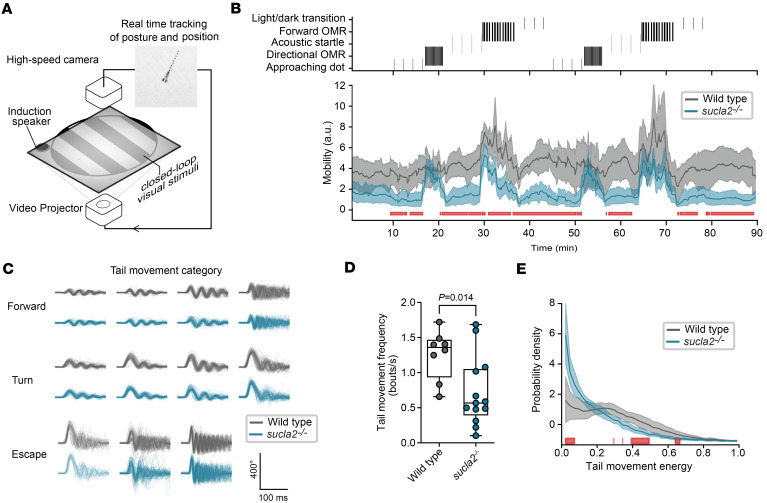 Figure 1
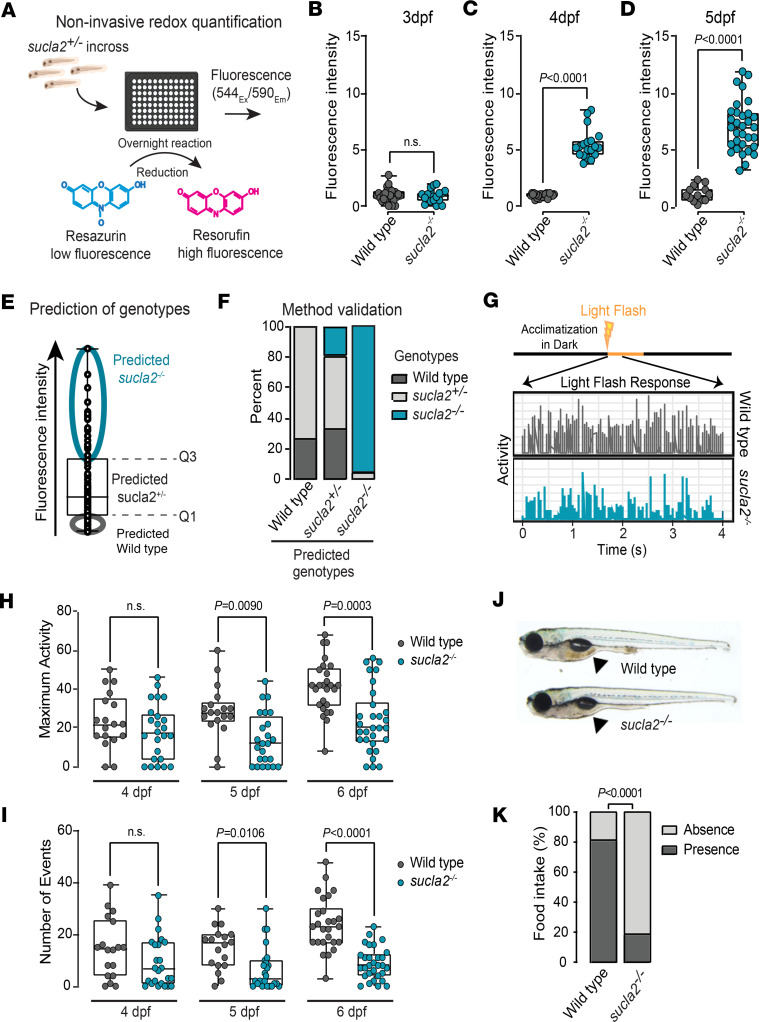 Figure 2
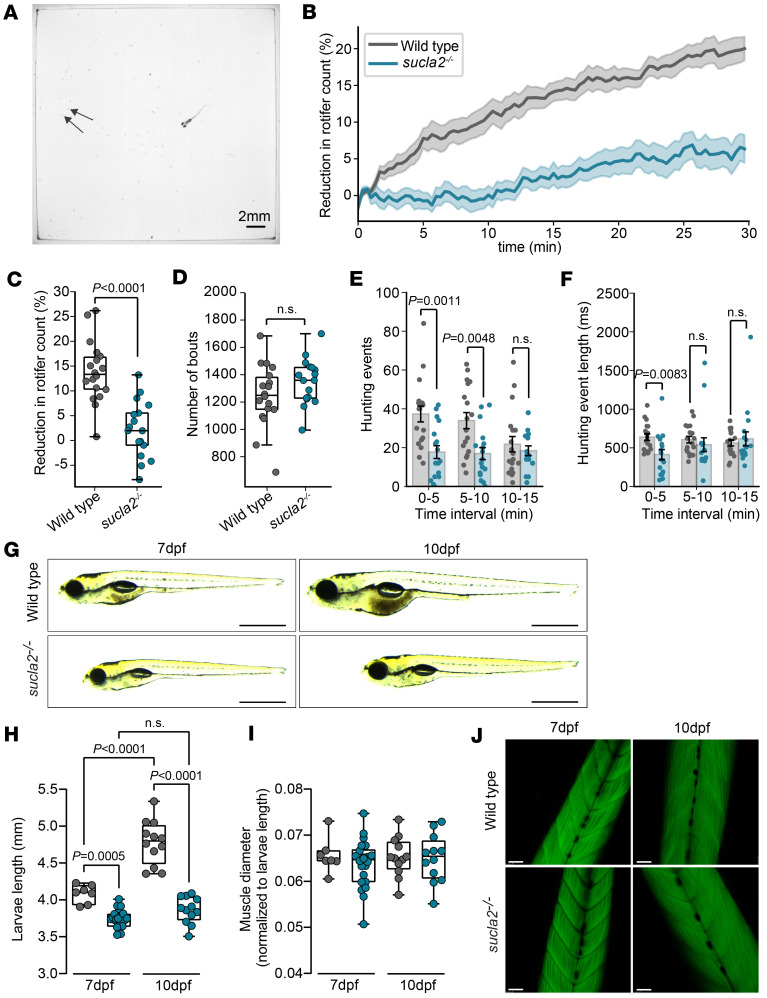 Figure 3
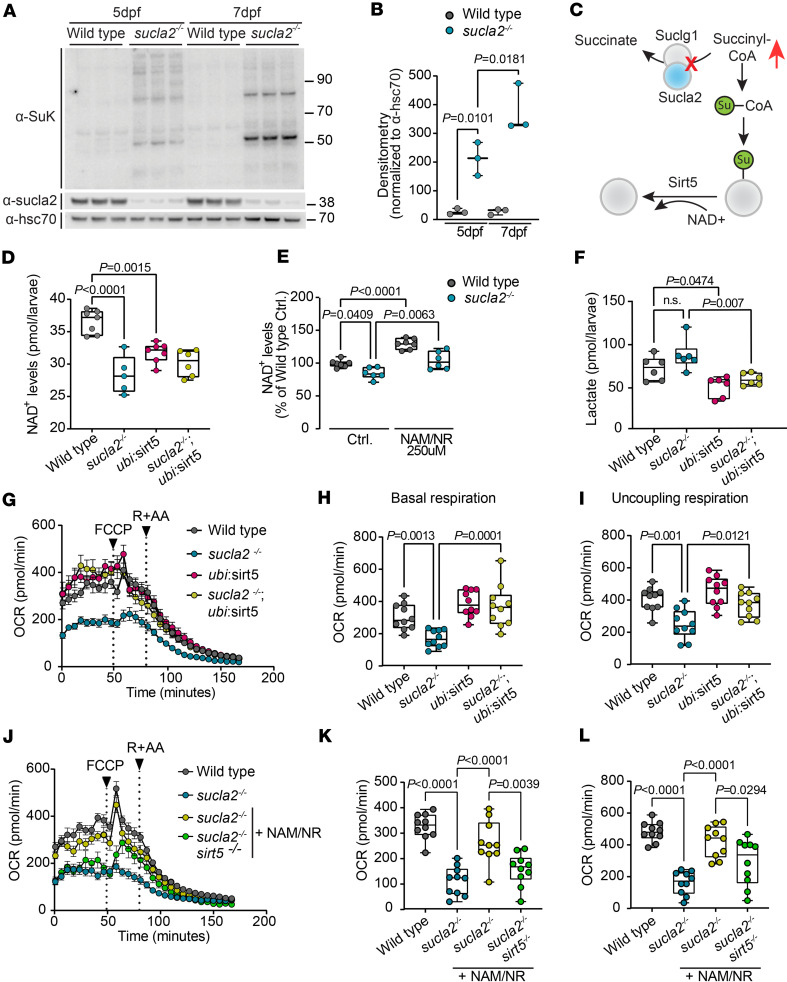 Figure 4
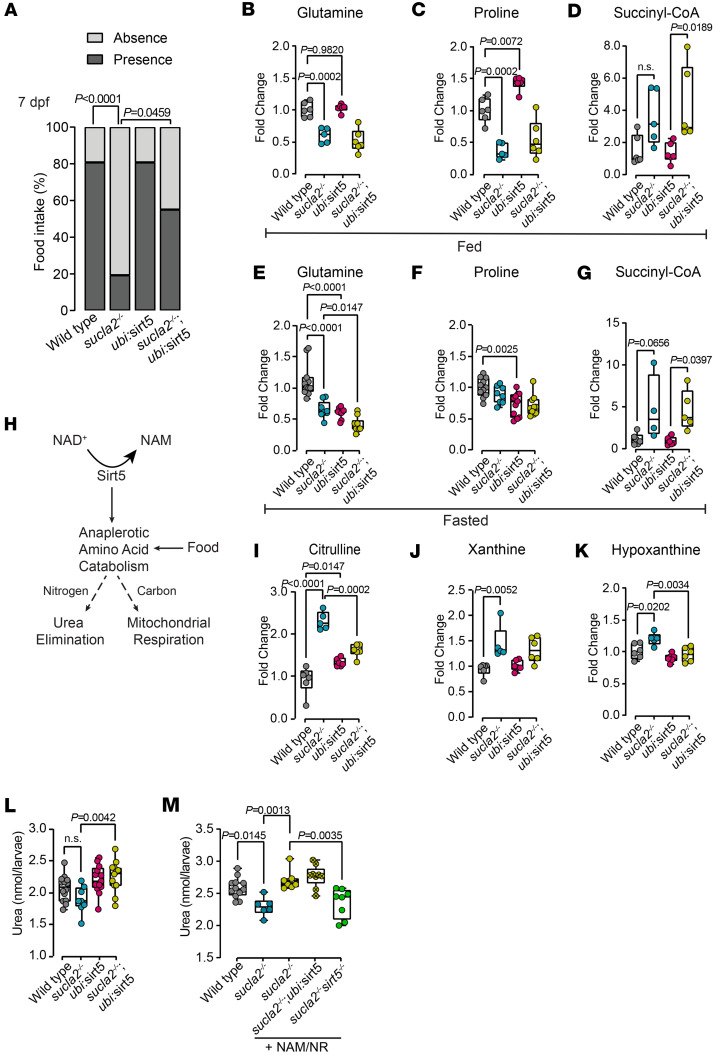 Figure 5
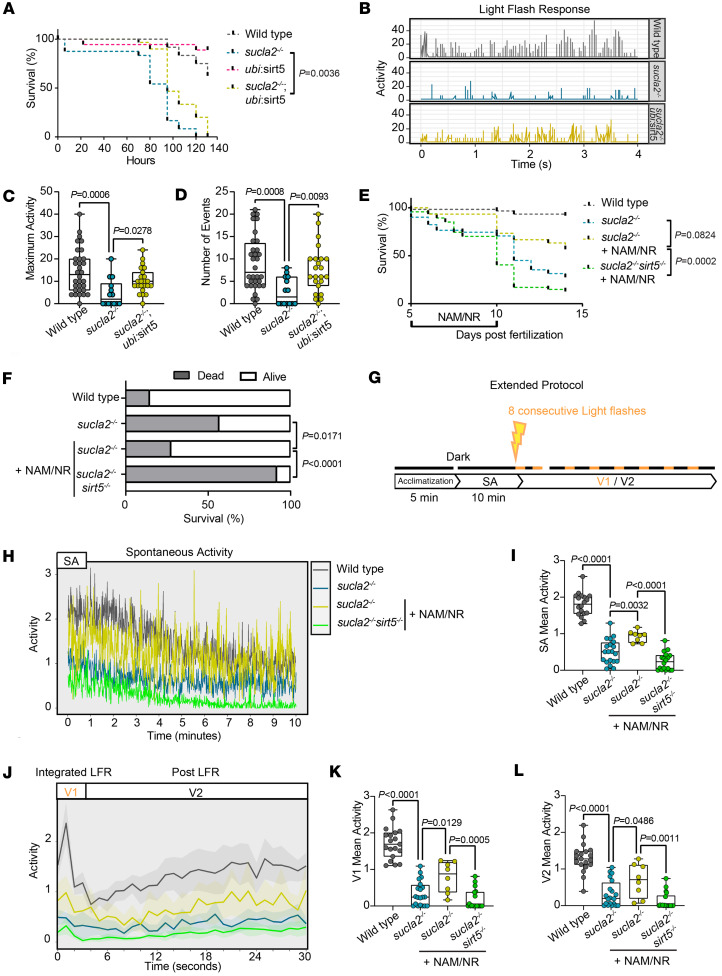 Figure 6
Peer Reviews
No public reviews on file for this paper yet. If you reviewed it on a platform where reviews are public (OpenReview, ICLR, NeurIPS, ICML), you can paste yours below so the community can read it here.
Videos
No videos yet. Explain this paper in a talk, walkthrough, or lecture? Add one.
Taxonomy
TopicsSirtuins and Resveratrol in Medicine · Mitochondrial Function and Pathology · Peroxisome Proliferator-Activated Receptors