Splice modulation of COL4A5 reinstates collagen IV assembly in an organoid model of Alport syndrome
Hassan Saei, Bruno Estebe, Nicolas Goudin, Mahsa Esmailpour, Julie Haure, Olivier Gribouval, Christelle Arrondel, Vincent Moriniere, Pinyuan Tian, Rachel Lennon, Corinne Antignac, Geraldine Mollet, Guillaume Dorval

TL;DR
This study shows that antisense oligonucleotides can correct gene splicing in kidney organoids from Alport syndrome patients, offering a potential treatment.
Contribution
The study introduces a therapeutic screening platform using patient-derived kidney organoids for ASO-based treatment of XLAS.
Findings
ASO treatment effectively restores α5(IV) in organoids with splicing variants.
GBM maturation in organoids is a dynamic process requiring extended culture.
Multiomics analysis reveals insights into GBM development in XLAS models.
Abstract
Kidney organoids are an emerging tool for disease modeling, especially genetic diseases. Among these diseases, X-linked Alport syndrome (XLAS) is a hematuric nephropathy affecting the glomerular basement membrane (GBM) secondary to pathogenic variations in the COL4A5 gene encoding the α5 subunit of type IV collagen [α5(IV)]. In patients carrying pathogenic variations affecting splicing, the use of antisense oligonucleotides (ASOs) offers immense therapeutic hope. In this study, we develop a framework combining the use of patient-derived cells and kidney organoids to provide evidence of the therapeutic efficacy of ASOs in XLAS patients. Using multiomics analysis, we describe the development of GBM in WT and mutated human kidney organoids. We show that GBM maturation is a dynamic process, which requires long organoid culture. Then, using semi-automated quantification of α5(IV) at basement…
Genes, proteins, chemicals, diseases, species, mutations and cell lines named across the full text — each resolved to its canonical identifier and authoritative record.
Click any figure to enlarge with its caption.
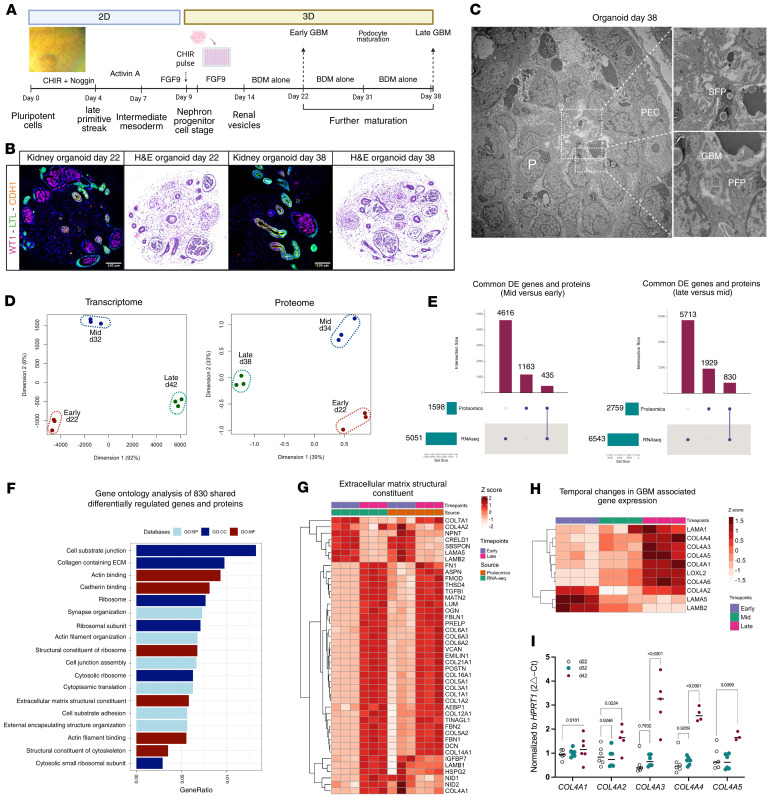 Figure 1
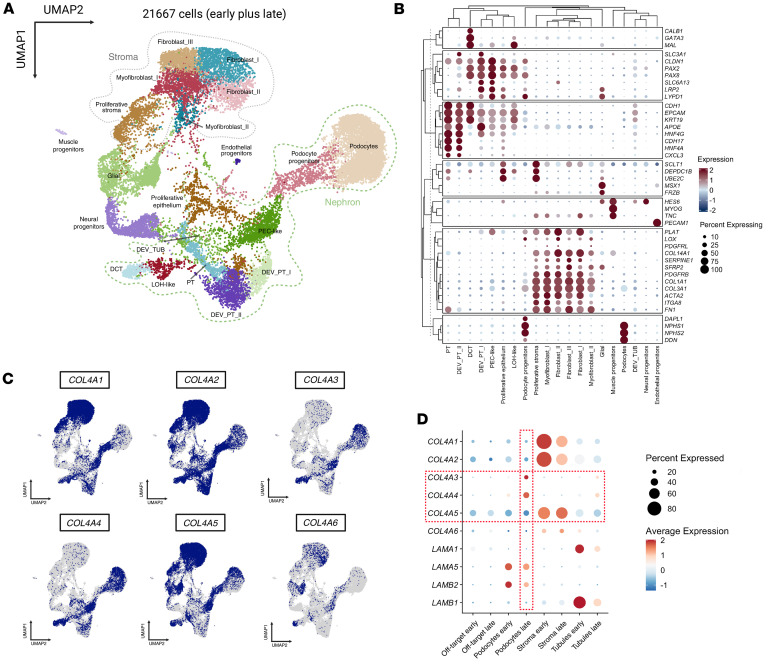 Figure 2
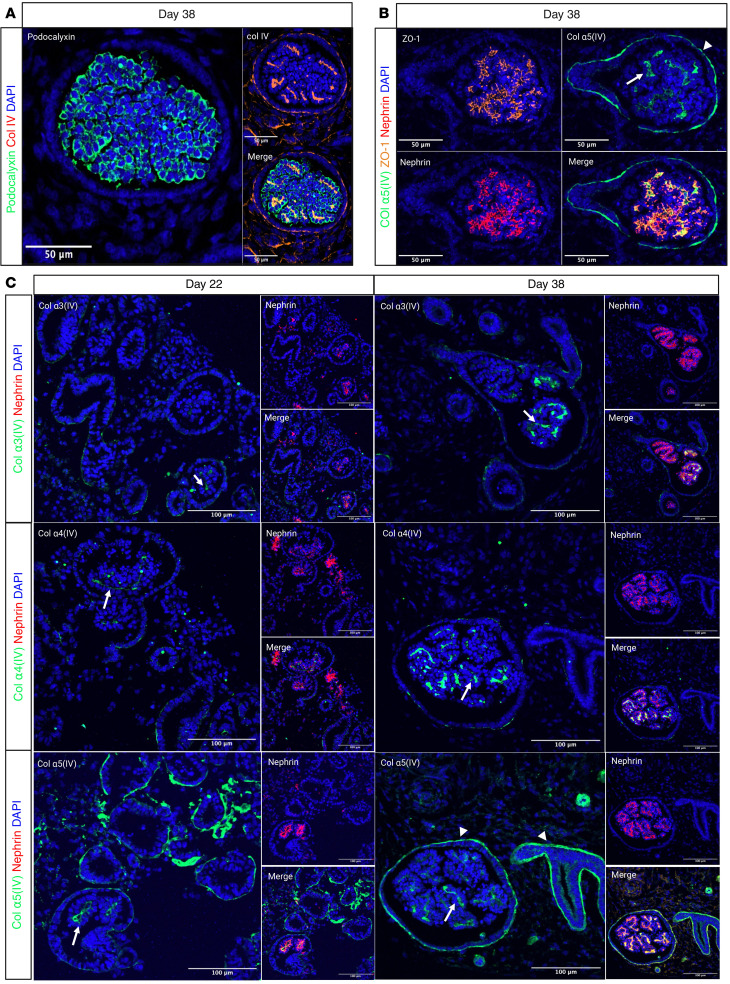 Figure 3
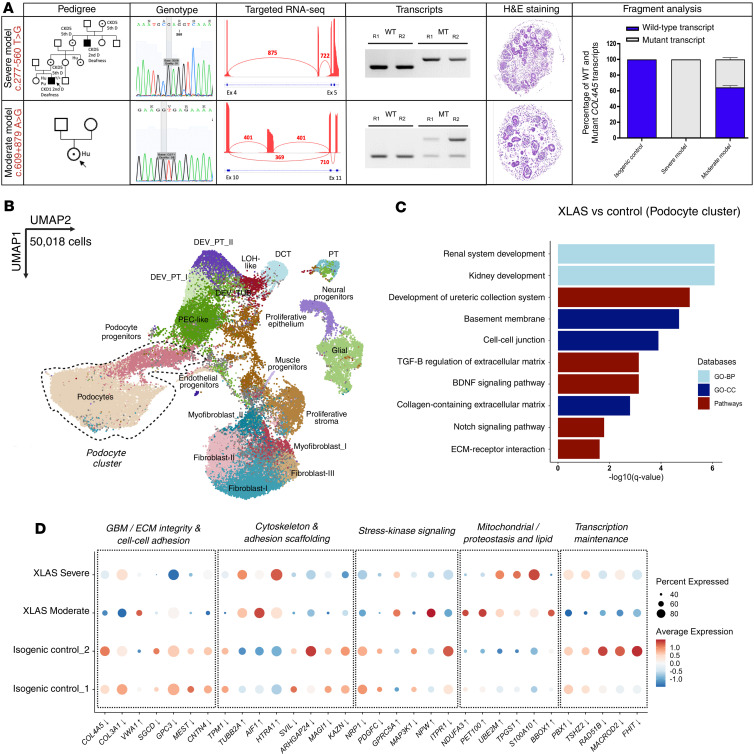 Figure 4
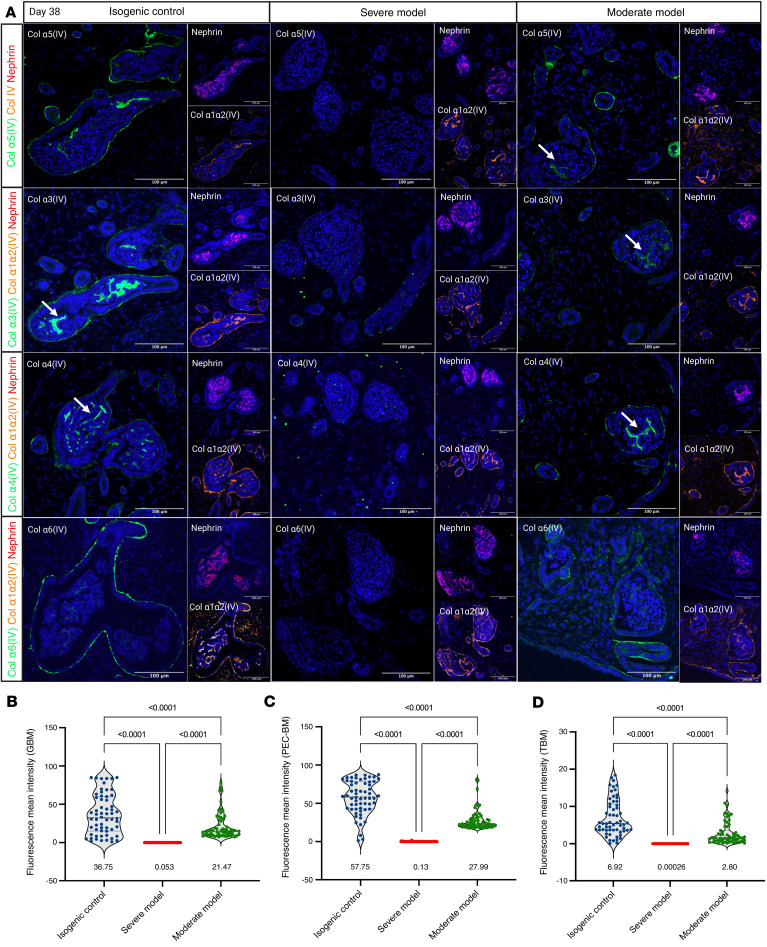 Figure 5
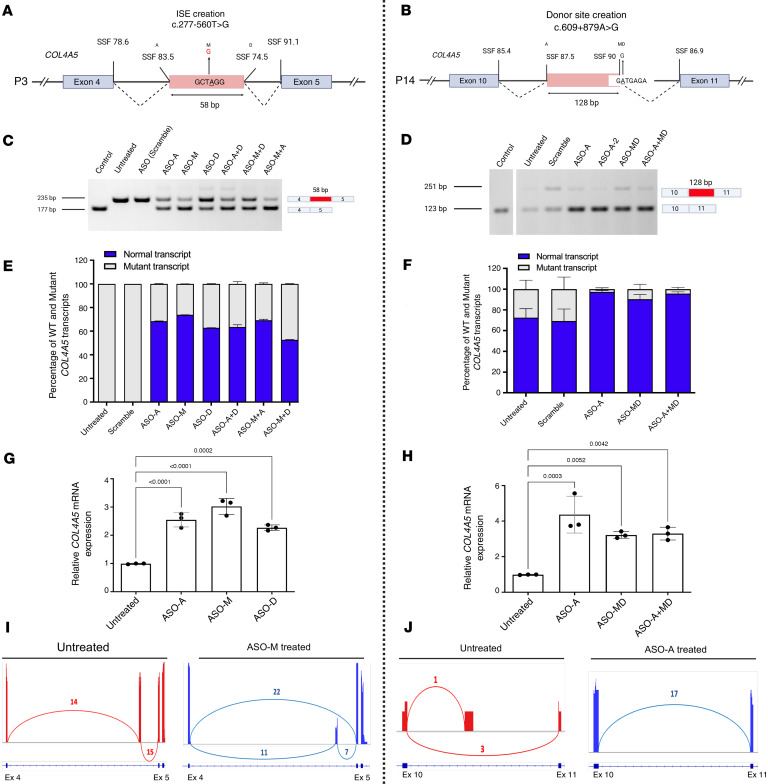 Figure 6
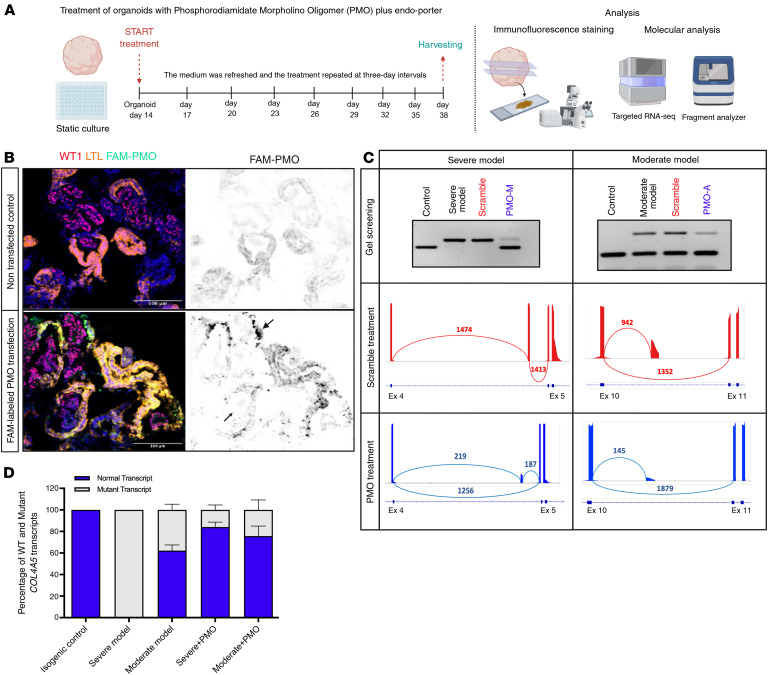 Figure 7
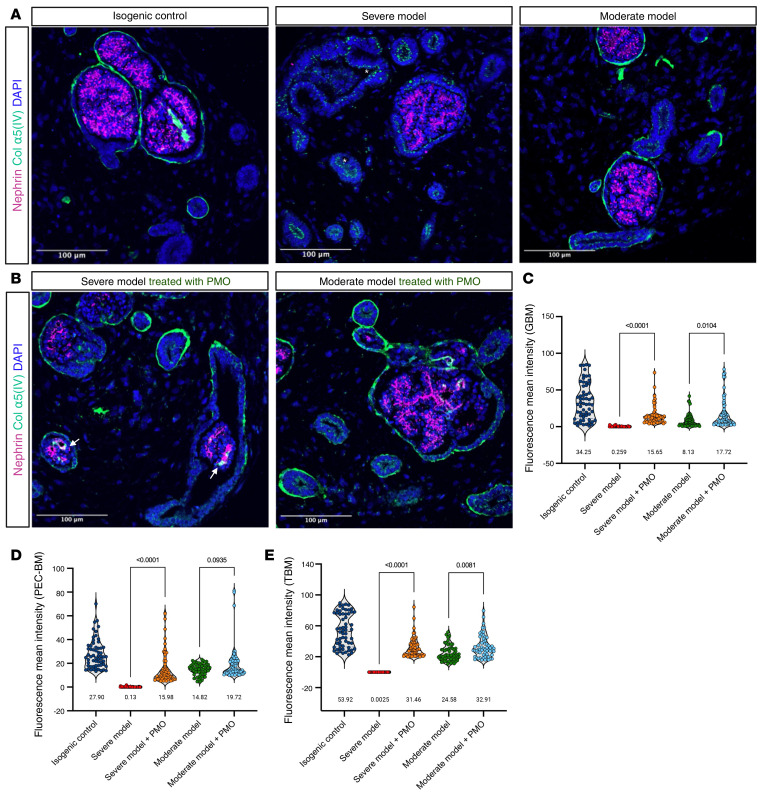 Figure 8
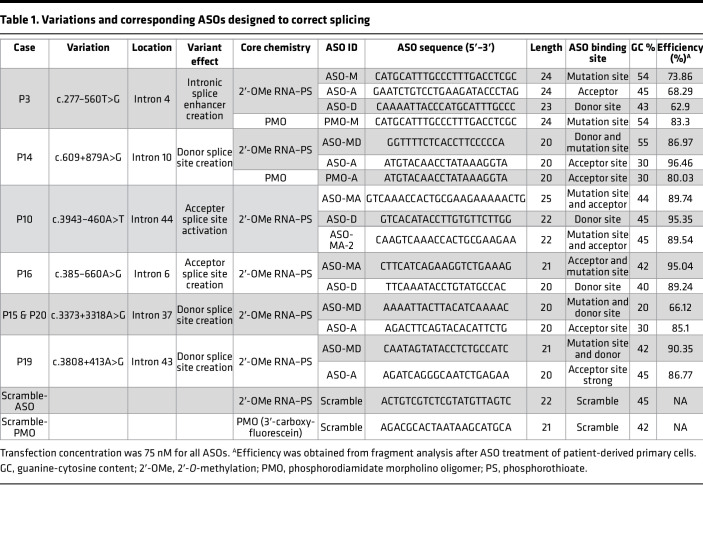 Figure 9
Peer Reviews
No public reviews on file for this paper yet. If you reviewed it on a platform where reviews are public (OpenReview, ICLR, NeurIPS, ICML), you can paste yours below so the community can read it here.
Videos
No videos yet. Explain this paper in a talk, walkthrough, or lecture? Add one.
Taxonomy
TopicsCell Adhesion Molecules Research · Renal and related cancers · Renal Diseases and Glomerulopathies