Distinct transcriptional and epigenomic programs define Hofbauer cells in term placenta
Benjámin R. Baráth, Dóra Bojcsuk, Krisztian Bene, Noemí Caballero-Sánchez, Tímea Cseh, João CR. de Freitas, Petros Tzerpos, Marta Toth, Zhonghua Tang, Seth Guller, Zoárd Tibor Krasznai, Patrícia Neuperger, Gabor J. Szebeni, Gergely Nagy, Tamás Deli, Laszlo Nagy

TL;DR
This study identifies unique gene and chromatin patterns in Hofbauer cells, revealing their specialized role in placental function and adaptability.
Contribution
The study reveals a novel transcriptional network involving NR4A1–3, glucocorticoid receptor, and RFX family shaping Hofbauer cell identity.
Findings
Hofbauer cells have distinct transcriptomic and chromatin accessibility profiles compared to other macrophages.
A transcriptional network involving NR4A1–3, glucocorticoid receptor, and RFX family regulates lipid metabolism and angiogenesis in Hofbauer cells.
Hofbauer cells show increased transcriptional activity and lipid transporter CD36 induction in response to IL-4 and rosiglitazone treatment.
Abstract
Hofbauer cells (HBCs) are fetal macrophages located in the placenta that contribute to antimicrobial defense, angiogenesis, tissue remodeling, and metabolic processes within the chorionic villi. Although their roles in placental biology are increasingly recognized, the mechanisms that regulate HBC identity and function are not yet fully defined. This study aimed to define the core transcriptomic and epigenomic features of HBCs in term placentas and to examine their capacity for transcriptional responsiveness and phenotypic variation. Using chromatin accessibility profiling and bulk RNA-seq, we found that HBCs exhibit a unique gene expression and chromatin accessibility profile compared with other fetal and adult macrophages. We identified a coordinated transcriptional network involving nuclear receptors (NRs) NR4A1–3, the glucocorticoid receptor, and RFX family members (RFX1, RFX2,…
Genes, proteins, chemicals, diseases, species, mutations and cell lines named across the full text — each resolved to its canonical identifier and authoritative record.
Click any figure to enlarge with its caption.
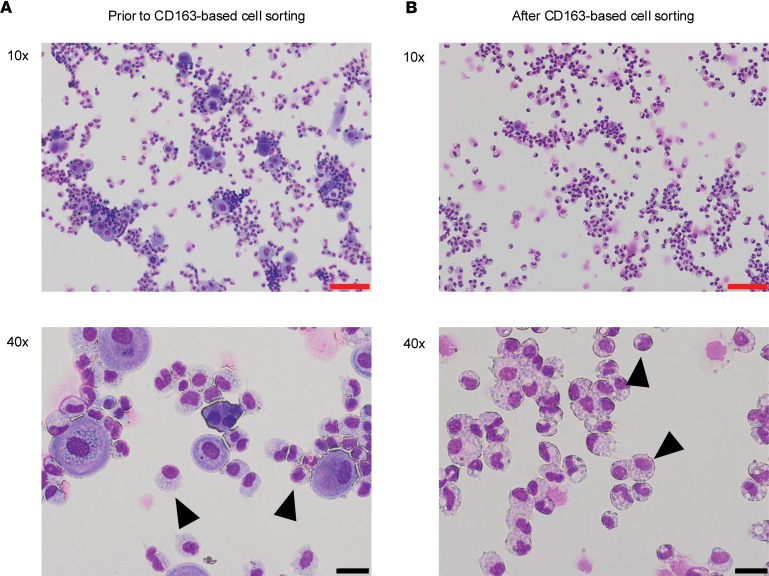 Figure 1
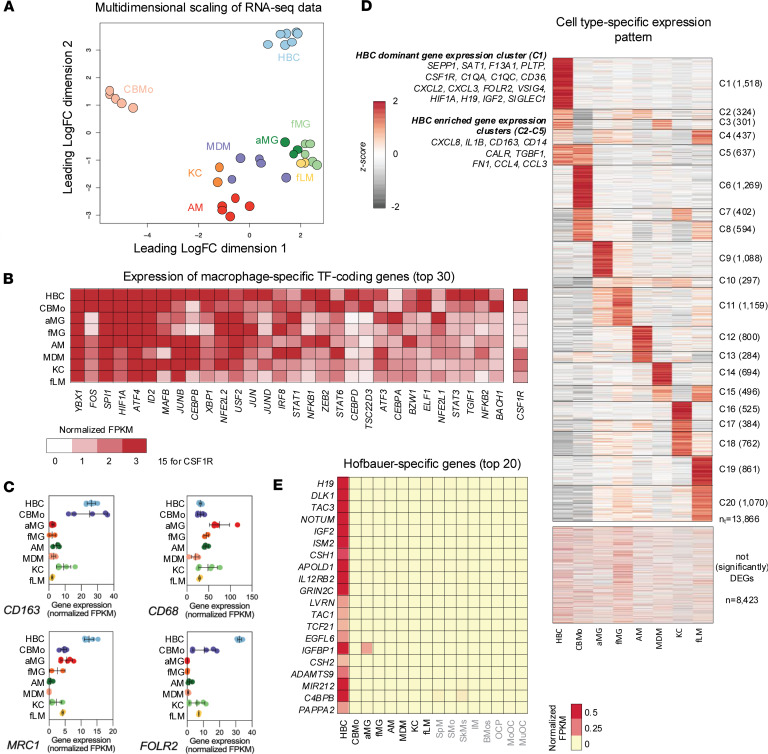 Figure 2
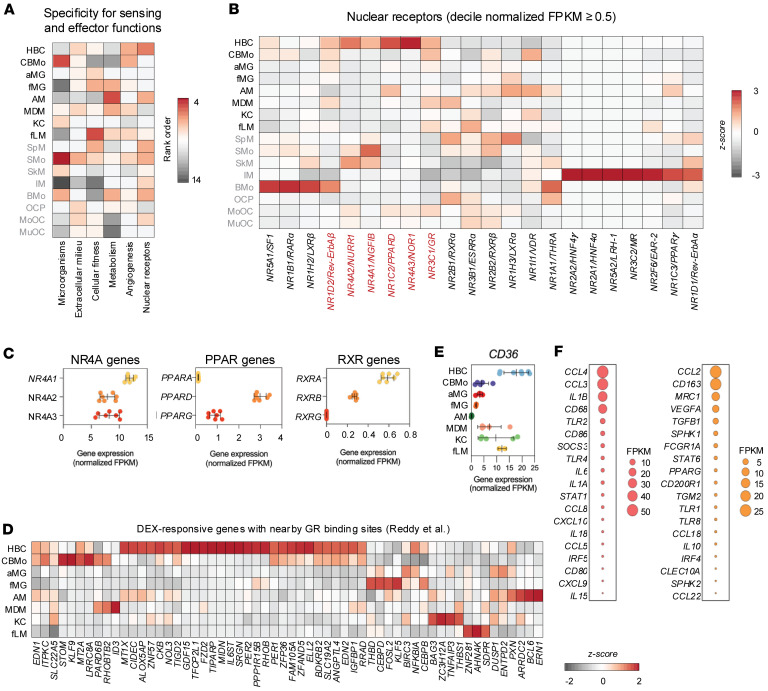 Figure 3
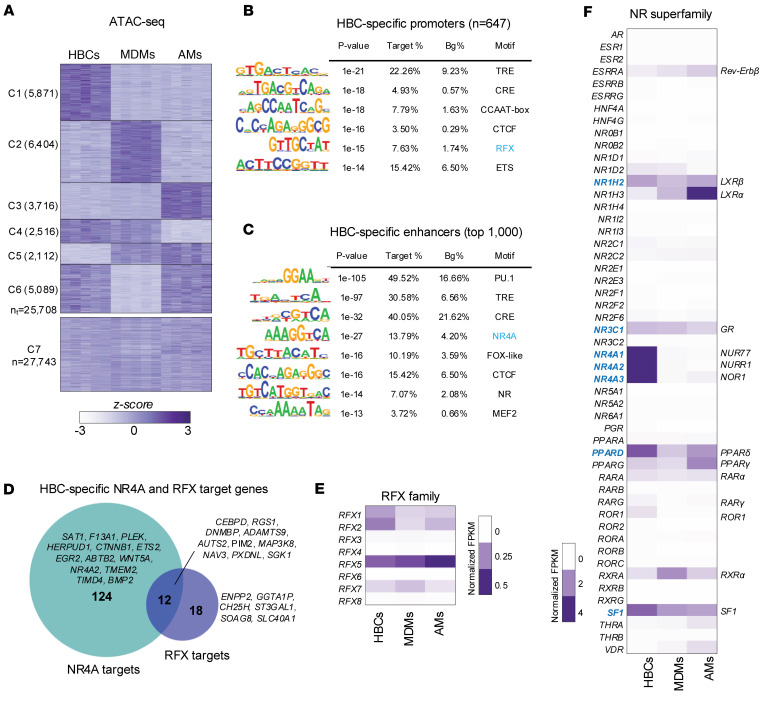 Figure 4
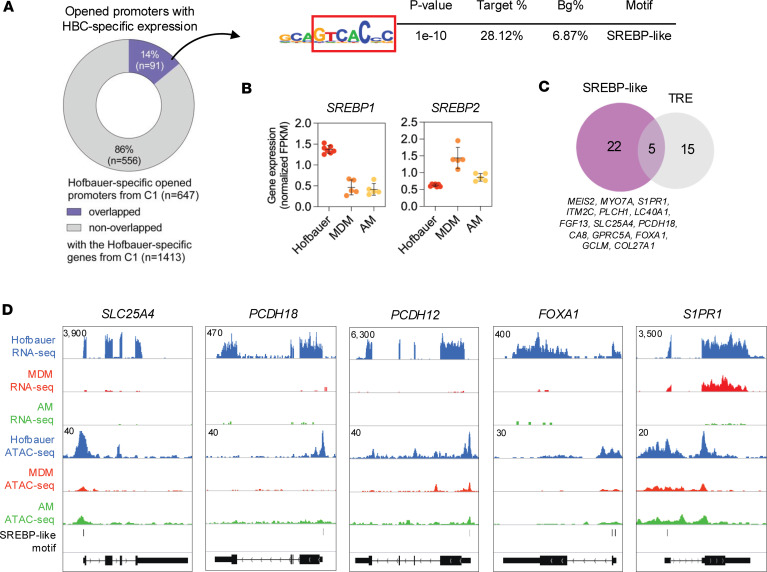 Figure 5
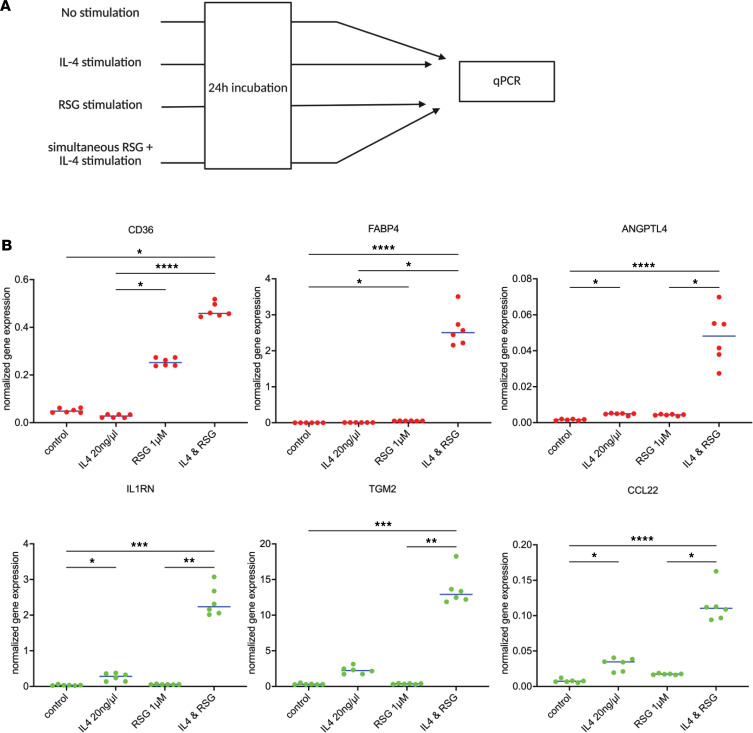 Figure 6
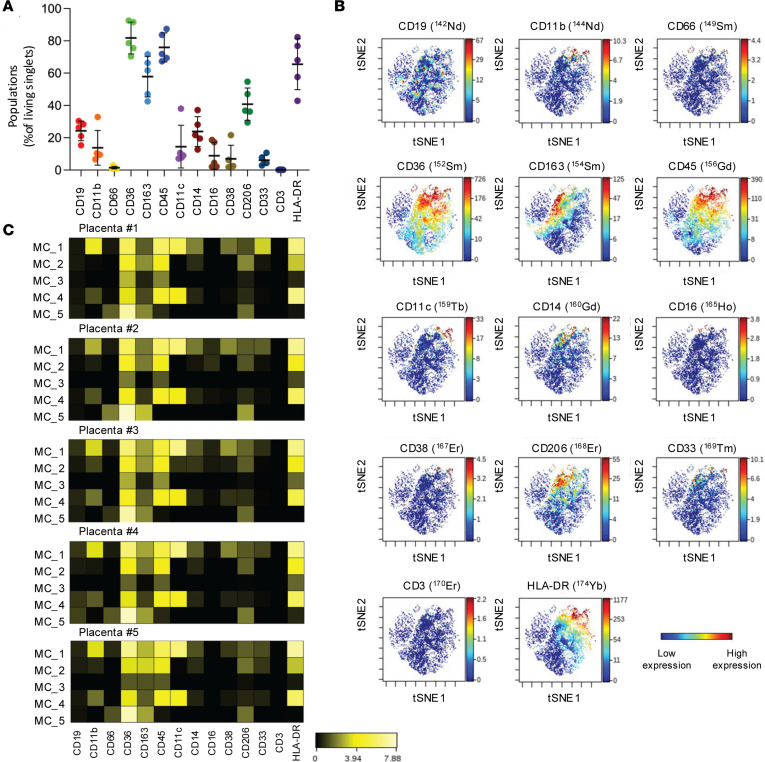 Figure 7
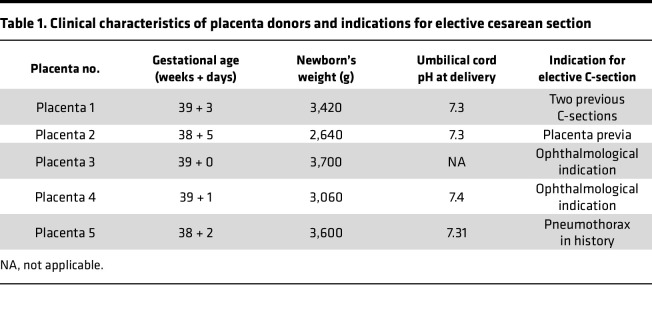 Figure 8
 Figure 9
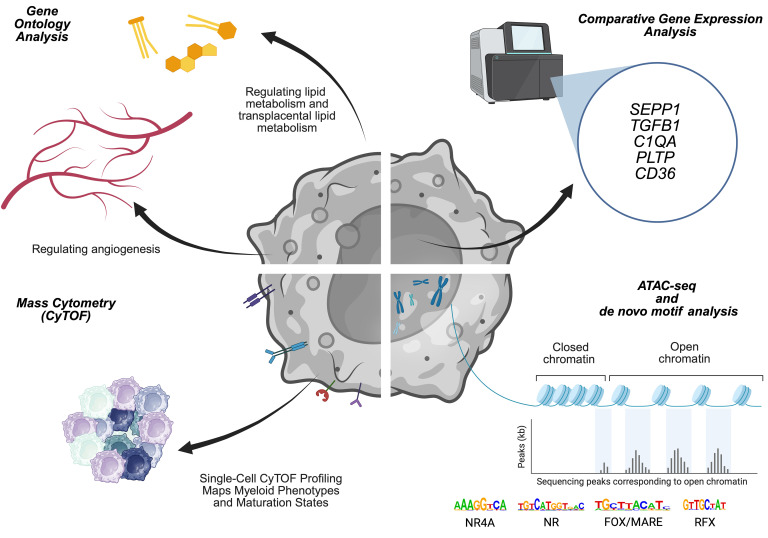 Figure 10
Peer Reviews
No public reviews on file for this paper yet. If you reviewed it on a platform where reviews are public (OpenReview, ICLR, NeurIPS, ICML), you can paste yours below so the community can read it here.
Videos
No videos yet. Explain this paper in a talk, walkthrough, or lecture? Add one.
Taxonomy
TopicsPregnancy and preeclampsia studies · Reproductive System and Pregnancy · Immune cells in cancer